800-262-4205
Kindred Hospital Sugar Land

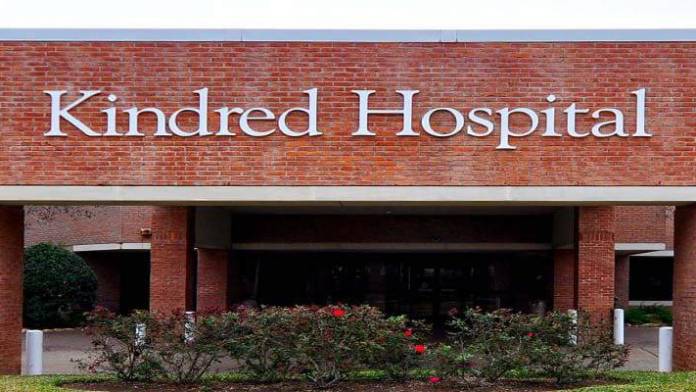
About Kindred Hospital Sugar Land
Kindred Hospital Sugar Land is a long-term acute care hospital in Sugar Land, Texas that supports patients who need extended, hospital level recovery.
The facility offers Long-Term Acute Care (LTACH) for complex medical needs and an inpatient Acute Rehabilitation Unit (ARU) with intensive physical, occupational and speech therapy. Reviews are mixed with some patients and families expressing gratitude for the care while others raise concerns about issues like communication, staffing and cleanliness.
LTACH and ARU Programs
Kindred Hospital Sugar Land provides LTACH services for medically complex recovery including hospital-level interventions such as ventilator support, dialysis and IV therapy when needed. It also offers inpatient rehabilitation through its ARU where patients receive intensive therapy for conditions like stroke, brain injury, spinal cord injury, orthopedic trauma and amputation.
Clients Served
This hospital serves adults recovering from severe illness, injury or post acute complications who still require 24/7 medical care. Many patients arrive after discharge from an ICU or acute-care hospital and need continued medical monitoring alongside rehabilitation.
The ARU follows an interdisciplinary approach led by a team that may include rehab physicians, therapists, rehab nurses and case managers. Patients typically participate in at least three hours of therapy per day, five days a week based on regulatory guidelines.
Private Rooms for Recovery
Kindred Hospital Sugar Land is located in Sugar Land in Fort Bend County at 1550 First Colony Blvd. The rehab unit includes renovated private rooms and designated spaces like a rehab gym, activity areas and outdoor spaces used for walking practice and family visits with onsite parking and accessible entry.
Insurance and Payment Options
The hospital participates in Medicare and is listed in Medicare provider databases. Coverage and out of pocket costs can vary so it helps to confirm benefits based on the specific level of care whether LTACH or inpatient rehab.
Getting started typically begins with a medical evaluation to determine whether LTACH services or the Acute Rehabilitation Unit is the best fit. Care planning is coordinated by the clinical team with family involvement and discharge planning as part of the process.
| Levels of Care | Detox Service Setting | Programs | Payment Options |
|---|---|---|---|
|
Inpatient and residential programs provide round-the-clock medical and emotional support as you live at the treatment facility. This level of care may be recommended if you have severe addictions or mental health conditions since it removes outside distractions and allows you to focus solely on therapy. |
In outpatient therapy, you’ll attend therapy sessions several times each week while living at home. This is ideal if you have a strong support system and a lower risk of relapse. Outpatient treatment offers flexibility to maintain work, school or family obligations. |
||
|
Inpatient detox occurs in a dedicated treatment facility. You’ll live there around the clock and receive intensive medical support and supervision to help manage your withdrawal symptoms. It is suitable for individuals with moderate to severe addictions as it ensures a stable detox environment. |
Outpatient detox gives you access to medically supervised withdrawal services while still allowing you to live at home. You’ll attend a clinic for treatment and monitoring. This flexible option is suitable for those with mild to moderate withdrawal symptoms who have strong support systems. |
||
|
Alcohol detox programs offer medical support to help individuals withdraw safely from alcohol. Your care team may use medications to ease your symptoms and provide medical monitoring to address complications.
|
Drug detox programs support individuals who are withdrawing from addictive substances like cocaine and heroin. Medical support helps you manage symptoms in a controlled and safe environment so you can achieve initial sobriety.
|
||
|
Private Insurance
|
Self Pay
|
Levels of Care
Inpatient and residential programs provide round-the-clock medical and emotional support as you live at the treatment facility. This level of care may be recommended if you have severe addictions or mental health conditions since it removes outside distractions and allows you to focus solely on therapy.
In outpatient therapy, you’ll attend therapy sessions several times each week while living at home. This is ideal if you have a strong support system and a lower risk of relapse. Outpatient treatment offers flexibility to maintain work, school or family obligations.
Detox Service Setting
Inpatient detox occurs in a dedicated treatment facility. You’ll live there around the clock and receive intensive medical support and supervision to help manage your withdrawal symptoms. It is suitable for individuals with moderate to severe addictions as it ensures a stable detox environment.
Outpatient detox gives you access to medically supervised withdrawal services while still allowing you to live at home. You’ll attend a clinic for treatment and monitoring. This flexible option is suitable for those with mild to moderate withdrawal symptoms who have strong support systems.
Programs
Contact



Courtney Myers writes and edits professionally from her home in North Carolina. She holds an MS in Technical Communication from N.C. State University and has worked in proposal management, marketing, and online content creation. She specializes in creating resources related to behavioral health and addiction recovery.
Detox.com regularly reviews this listing for accuracy but changes may occur between updates. For the most up-to-date information, please contact Kindred Hospital Sugar Land.