

 617-586-3439
Spaulding Hospital Cambridge
Cambridge, MA
02138
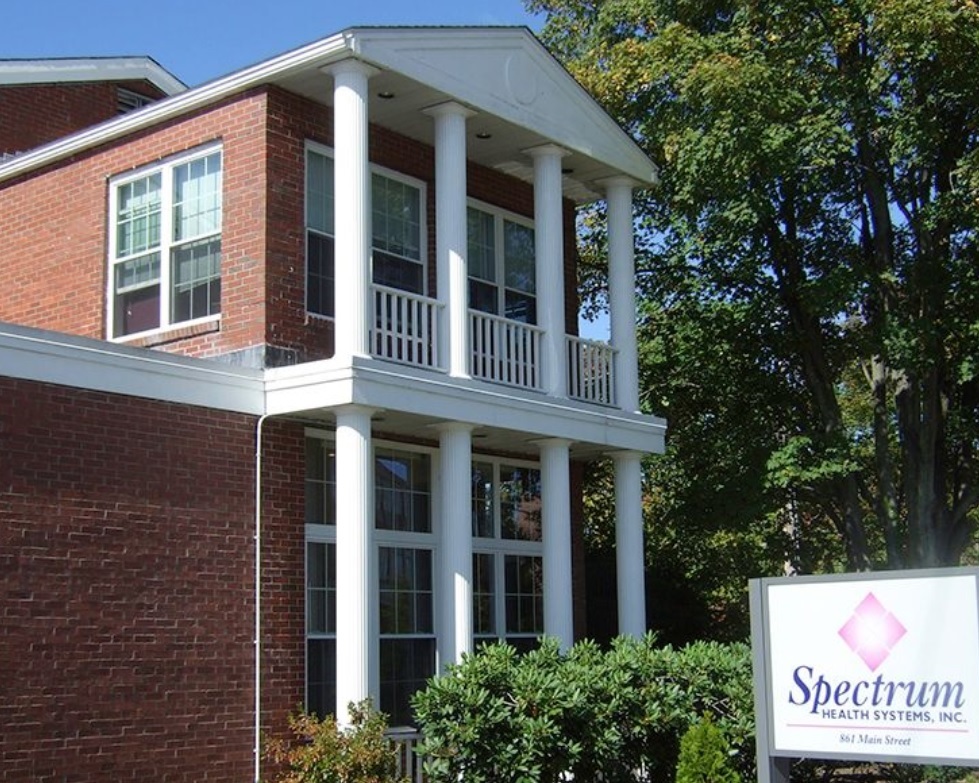
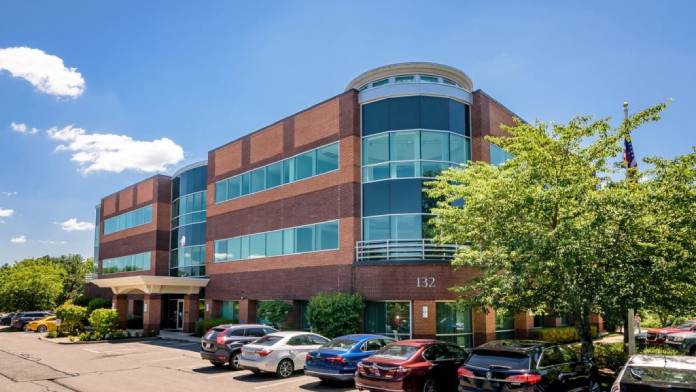
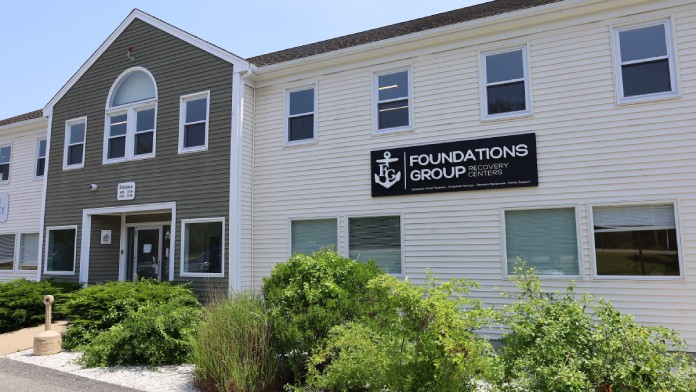
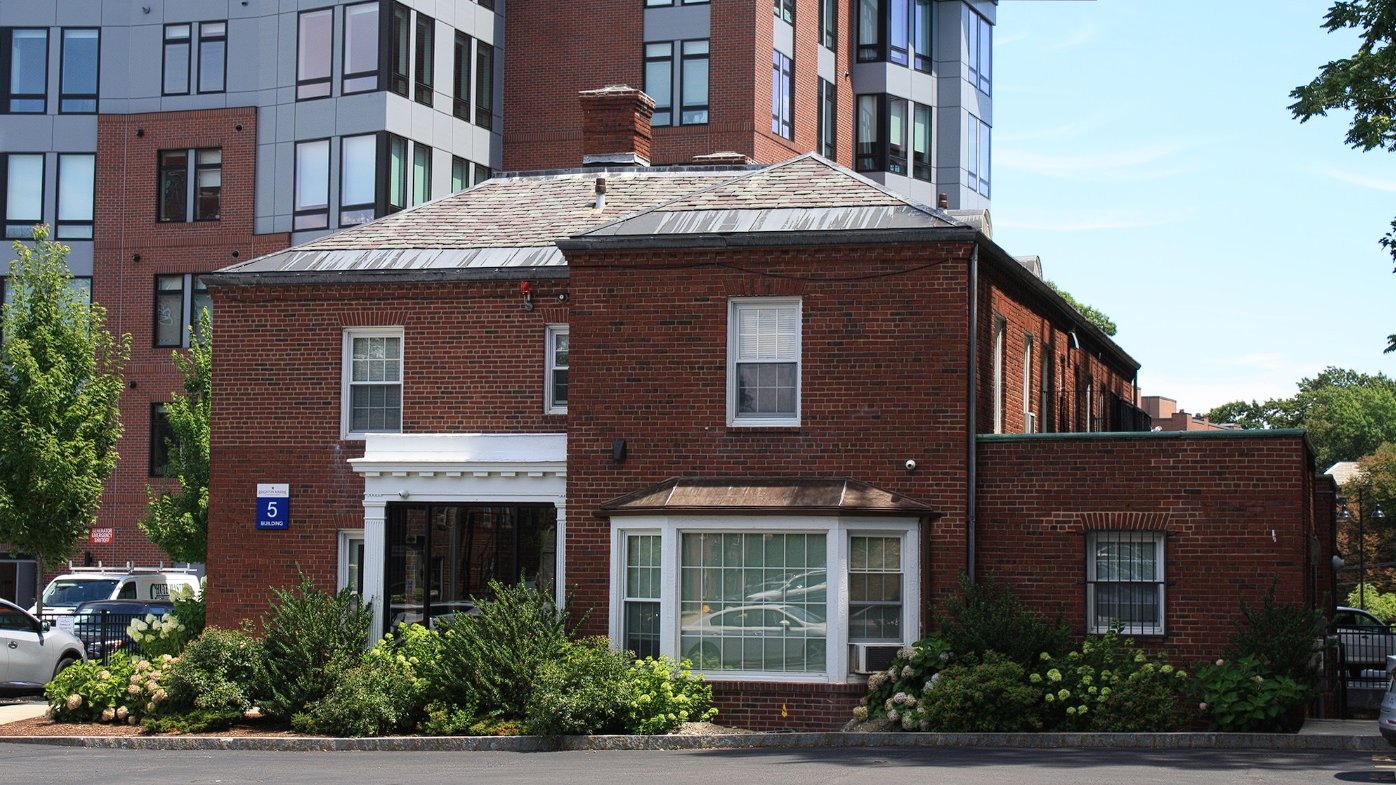


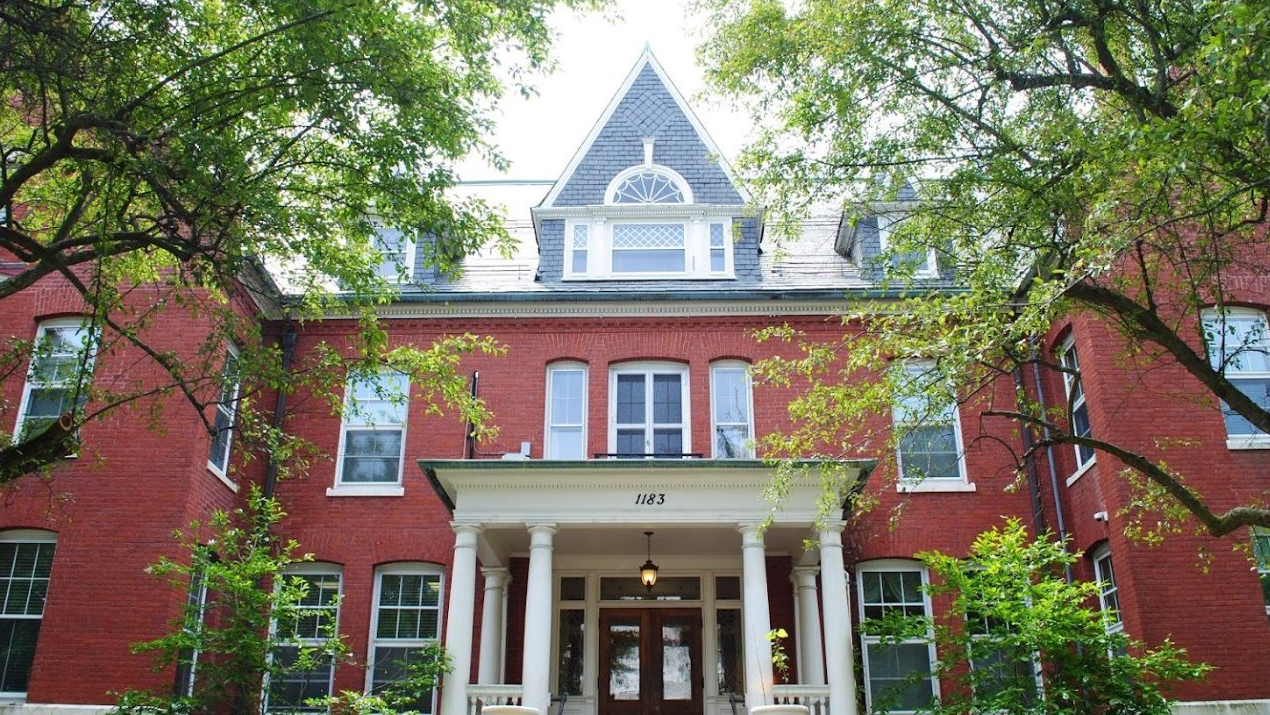
| Name | Address | Detox Service Setting | Levels Of Care | Media |
|---|---|---|---|---|
Arbour Counseling Services Allston |
14 Fordham Road Boston, MA 02134 |
Detox Service Setting
Inpatient DetoxOutpatient DetoxMAT
|
Levels Of Care
OutpatientPHPDual Diagnosis+3
|
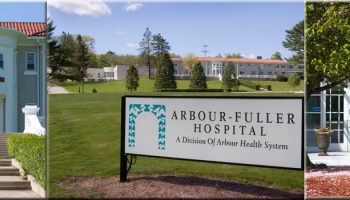
|
Arbour Hospital |
49 Robinwood Avenue Boston, MA 02130 |
Detox Service Setting
Hospital DetoxInpatient DetoxOutpatient Detox+1
|
Levels Of Care
InpatientOutpatientAftercare+3
|
|
Boston Comprehensive Treatment Center |
99 Topeka Street Boston, MA 02118 |
Detox Service Setting
Outpatient DetoxMAT
|
Levels Of Care
Outpatient
|
|
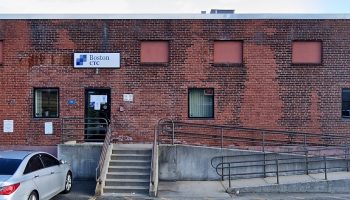
Boston Comprehensive Treatment Center |
99 Topeka Street Boston, MA 02118 |
Detox Service Setting
Outpatient Detox
|
Levels Of Care
OutpatientAftercareDual Diagnosis
|
|
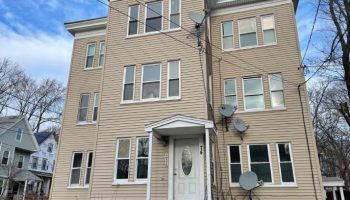
Boston Eco Sober House |
74 Capen St Boston, MA 02124 |
Detox Service Setting
Inpatient DetoxOutpatient Detox
|
Levels Of Care
InpatientOutpatient
|
|
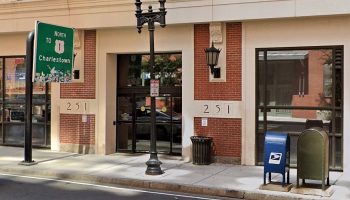
Causeway Street Community Based Outpatient Clinic |
251 Causeway Street Boston, MA 02114 |
Detox Service Setting
Inpatient DetoxOutpatient Detox
|
Levels Of Care
InpatientOutpatientDual Diagnosis
|
|
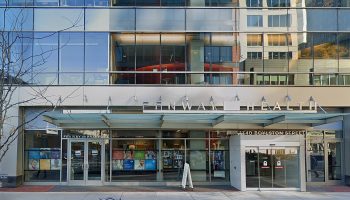
Fenway Health Ansin Building |
1340 Boylston Street Boston, MA 02215 |
Detox Service Setting
Outpatient Detox
|
Levels Of Care
OutpatientAftercareDual Diagnosis
|
|
Fenway Health – Sidney Borum Jr. Health Center |
142 Berkeley Street Boston, MA 02116 |
Detox Service Setting
Outpatient Detox
|
Levels Of Care
OutpatientAftercareDual Diagnosis
|
|
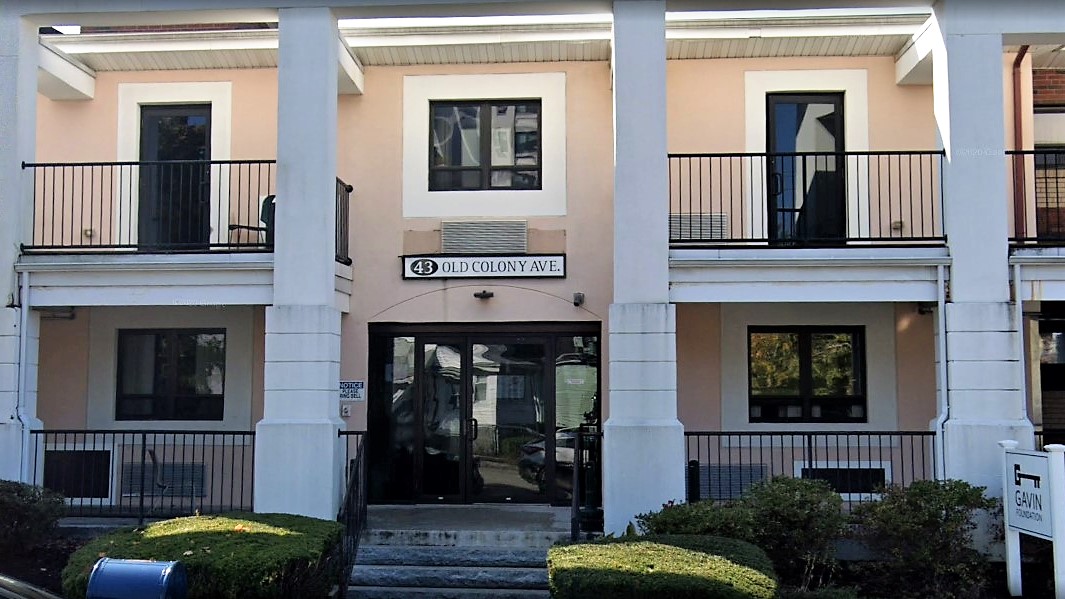
Gavin Foundation Center for Recovery Services |
210 Old Colony Avenue Boston, MA 02127 |
Detox Service Setting
Outpatient Detox
|
Levels Of Care
OutpatientDual Diagnosis
|
|
Massachusetts General Hospital West End Clinic |
55 Fruit Street Boston, MA 02114 |
Detox Service Setting
Outpatient Detox
|
Levels Of Care
OutpatientDual Diagnosis
|
|
PAATHS Program |
774 Albany Street Boston, MA 02118 |
Detox Service Setting
Outpatient Detox
|
Levels Of Care
OutpatientAftercareDual Diagnosis+1
|
|
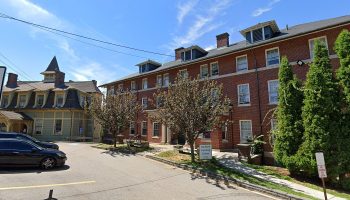
The Dimock Center |
56 Dimock Street Boston, MA 02119 |
Detox Service Setting
Inpatient DetoxOutpatient Detox
|
Levels Of Care
InpatientOutpatientAftercare+2
|
|
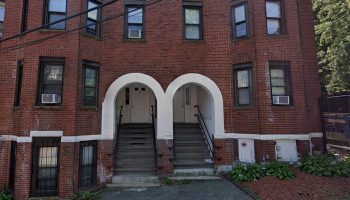
The Dimock Center Ruth Kelley Ummis House |
8 Fort Avenue Boston, MA 02119 |
Detox Service Setting
Inpatient DetoxOutpatient Detox
|
Levels Of Care
InpatientOutpatientAftercare+2
|
|
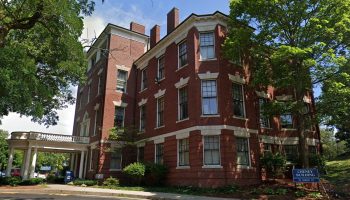
The Dimock Center Ruth Kelley Ummis House |
45 Dimock Street Boston, MA 02119 |
Detox Service Setting
Outpatient DetoxInpatient DetoxMAT
|
Levels Of Care
OutpatientIntensive OutpatientDual Diagnosis+1
|
|
Bay Cove Human Services |
66 Canal Street Boston, MA 02114 |
Detox Service Setting
Inpatient DetoxOutpatient DetoxMAT
|
Levels Of Care
InpatientOutpatientIntervention+1
|
|
Bay Cove Human Services Andrew House Detoxification Center |
Boston, MA 02171 |
Detox Service Setting
|
Levels Of Care
|
|
Brookside Community Health Center |
3297 Washington Street Boston, MA 02130 |
Detox Service Setting
Outpatient DetoxMAT
|
Levels Of Care
InterventionOutpatient
|
|
Casa Nueva Vida |
53 Glen Rd Boston, MA 02130 |
Detox Service Setting
Hospital DetoxInpatient Detox
|
Levels Of Care
InpatientDual DiagnosisAftercare+2
|
|
Daniel Driscoll – Neponset Health Center |
398 Neponset Ave Boston, MA 02122 |
Detox Service Setting
Outpatient DetoxMAT
|
Levels Of Care
Outpatient
|
|
Gavin Foundation Inc |
675 E 4th St Boston, MA 02127 |
Detox Service Setting
Inpatient DetoxOutpatient Detox
|
Levels Of Care
InpatientOutpatient
|
|
Health Care Resource Centers Boston |
23 Bradston St Boston, MA 02118 |
Detox Service Setting
Inpatient DetoxOutpatient Detox
|
Levels Of Care
InpatientOutpatient
|
|
Lahey Health Behavioral Services – Boston Treatment Center |
784 Massachusetts Avenue Boston, MA 02118 |
Detox Service Setting
Inpatient DetoxHospital DetoxMAT
|
Levels Of Care
InpatientOutpatient
|
|
Providence Treatment – Boston |
896 Beacon St Boston, MA 02215 |
Detox Service Setting
Inpatient DetoxOutpatient Detox
|
Levels Of Care
InpatientOutpatient
|
|
The Dimock Center Ruth Kelley Ummis House |
45 Dimock Street Boston, MA 02119 |
Detox Service Setting
Outpatient DetoxInpatient DetoxMAT
|
Levels Of Care
OutpatientIntensive OutpatientInpatient
|
|
The Gavin Foundation – Devine Recovery Center |
70 Devine Way Boston, MA 02127 |
Detox Service Setting
Inpatient DetoxOutpatient Detox
|
Levels Of Care
InpatientOutpatient
|
|
Victory House |
566 Chester Square Boston, MA 02118 |
Detox Service Setting
Inpatient DetoxOutpatient Detox
|
Levels Of Care
InpatientOutpatient
|
Boston’s detoxification landscape is anchored by some of the most advanced medical institutions in the world, combined with a robust, city-led public health response.
The system is heavily regulated by the Massachusetts Bureau of Substance Addiction Services (BSAS) and the Boston Public Health Commission (BPHC), which work together to ensure high clinical standards and equitable access to care.
A major focus of recent local initiatives centers on the intersection of Massachusetts Avenue and Melnea Cass Boulevard, widely known as “Mass and Cass.” As of 2025 and 2026, Boston city leaders and Mayor Michelle Wu have expanded a coordinated response that shifts away from a fragmented system of detox or jail, and toward a “choice-based” approach.
This includes the deployment of Coordinated Response Teams, expanding specialized “recovery courts,” and establishing a preferred provider network to divert individuals into long-term treatment and low-threshold housing directly.
When searching for a detox center in Boston, understanding local logistics is vital. Transportation is heavily reliant on the MBTA, and many premier facilities, such as Massachusetts General Hospital or Boston Medical Center (home to the Grayken Center for Addiction), are easily accessible via the Red Line, Silver Line, or local bus routes.
Additionally, because of the state’s severe opioid crisis, many Boston facilities have integrated comprehensive harm reduction directly into their detox models. Patients should look for programs that offer immediate Medication-Assisted Treatment (MAT) induction and dual-diagnosis care to handle complex fentanyl or xylazine withdrawal safely.
Understanding the cost of drug detox in Boston is a priority for individuals and families seeking help. Costs vary based on several factors, but Massachusetts has strong healthcare laws and financial solutions that allow residents to receive quality care regardless of their financial background.
The cost of detox in Boston varies based on the level of care required, the severity of withdrawal, and whether the services are administered in a major hospital, a residential facility, or an outpatient clinic.
Geographic location within the city—such as highly specialized programs in the Longwood Medical Area versus community-based centers in Roxbury or Dorchester—can also influence the base rate.
Fortunately, state parity laws and comprehensive public health funding help many people significantly reduce out-of-pocket expenses.
Outpatient MAT programs combine prescribed medications with counseling, allowing patients to manage recovery while maintaining daily responsibilities. The costs for these programs are largely influenced by the specific medications prescribed and the frequency of clinical visits.
Yes, private insurance covers detox. Massachusetts has historically led the nation in healthcare reform, and state law (Chapter 258 of the Acts of 2014) requires commercial insurers to cover up to 14 days of acute addiction treatment without requiring prior authorization.
This law removes dangerous administrative hurdles during a crisis. The Massachusetts Division of Insurance oversees these regulations to ensure compliance with both state and federal parity laws. The most common commercial insurance companies in Boston include:

Medicare covers inpatient and outpatient alcohol and drug detox in Boston. It also covers Opioid Treatment Program (OTP) services, including methadone, buprenorphine, and naltrexone under Part B. Copayments and deductibles will vary depending on your specific Medicare plan and the treatment setting.
Medicaid in Massachusetts, known as MassHealth, provides robust coverage for addiction treatment. MassHealth covers inpatient detox, residential rehabilitation, outpatient programs, and all FDA-approved MAT medications. Many services are fully covered with low or zero-dollar copays for eligible Boston residents.
Do not let cost prevent you from receiving life-saving alcohol or drug detox in Boston. There are multiple alternative funding avenues available for those without private insurance:

Many Federally Qualified Health Centers (FQHCs) and community clinics in Boston, such as The Dimock Center in Roxbury or Fenway Health, offer services on a sliding fee scale based on income and family size.
Boston has a strong network of nonprofit organizations that provide care regardless of your ability to pay, including Victory Programs and the Pine Street Inn, which offer transitional support and pathways to detox for unhoused individuals.
The Massachusetts Bureau of Substance Addiction Services (BSAS) funds a pool of uncompensated care, ensuring that uninsured residents can access state-licensed Acute Treatment Services (ATS) and clinical stabilization without upfront costs.
Veterans in the Boston area can access specialized, fully funded addiction treatment and detox services through the VA Boston Healthcare System, which has major campuses in Jamaica Plain and West Roxbury.
Here are the key regulatory and accreditation bodies that oversee detox and withdrawal management services in Boston and throughout Massachusetts:
The primary state licensing authority for substance use disorder treatment facilities in Massachusetts. BSAS oversees the statewide system of care, licenses detox facilities and addiction counselors, and ensures programs meet rigorous clinical and safety standards.
As the oldest health department in the United States, the BPHC acts as the lead local regulatory and public health authority in Boston. Through its Recovery Services Bureau, the BPHC monitors overdose data, manages local harm reduction initiatives like AHOPE, and coordinates citywide substance use policy and funding.
The parent agency of BSAS, the DPH regulates the broader healthcare ecosystem in the state, including hospitals and community health centers where medical detox takes place. They oversee systemic health equity, disease prevention, and pharmacy regulations related to MAT.
Medication-assisted treatment (MAT) in Boston is highly regulated to ensure safe and effective care. Facilities must comply with SAMHSA’s Opioid Treatment Program (OTP) guidelines at the federal level, while also adhering to strict BSAS regulations that mandate the integration of counseling and behavioral therapies alongside medication.
Widely available across Boston in both primary care settings and low-barrier clinics. Recent federal and state regulatory rollbacks of the “X-waiver” have expanded access, allowing more Boston doctors and nurse practitioners to prescribe it for at-home or outpatient stabilization.
Highly regulated and restricted to certified Opioid Treatment Programs (OTPs) due to federal laws. While patients typically must visit a Boston clinic daily for their dose when beginning treatment, methadone remains a highly effective, MassHealth-covered option for severe opioid use disorder.
Available as a daily pill or a monthly extended-release injection (Vivitrol), naltrexone blocks the effects of opioids and alcohol. Because it is not a controlled substance and has no abuse potential, it can be prescribed by any licensed healthcare provider in Boston and is heavily utilized in local step-down and outpatient programs.
Boston has long been a pioneer in harm reduction, treating substance use disorder as a public health issue rather than a moral failing. The city’s approach focuses on keeping people who use drugs alive, minimizing the spread of infectious diseases, and creating low-barrier access points for individuals to eventually enter detox and recovery when they are ready.
Across Boston, a network of public and private organizations provides critical, life-saving resources—ranging from mobile syringe exchanges and drug-checking equipment to widespread, free naloxone distribution.
Run by the Boston Public Health Commission, AHOPE is one of the state’s flagship harm reduction programs. Operating out of Albany Street and via mobile outreach vans, they provide anonymous syringe access, overdose education, and direct linkage to detox programs.
Victory Programs operates a robust Mobile Prevention Team that meets individuals where they are in neighborhoods heavily impacted by drug use. They focus on delivering risk-reduction counseling, sterile supplies, and critical health screenings to vulnerable, often unhoused populations.
Located directly within the emergency department of Boston Medical Center, Project ASSERT utilizes trained health promotion advocates to screen patients, offer immediate harm reduction education, and seamlessly bridge individuals from an acute crisis into detox or community-based treatment.
Fenway Health integrates harm reduction directly into its comprehensive primary care model. While serving the broader community, they specialize in providing deeply affirming, stigma-free overdose prevention and addiction care tailored specifically for Boston’s LGBTQ+ population.
Following a period of severe overdose spikes driven by fentanyl, Boston has recently seen encouraging signs of progress. The data reflects the city’s aggressive expansion of harm reduction services, though significant disparities still exist among vulnerable neighborhoods and demographic groups.
New data analyzed by the Boston Public Health Commission showed a 38% decrease in opioid overdose mortality in Boston in 2024 compared to 2023.
In 2024 alone, the city of Boston distributed over 23,000 life-saving doses of naloxone through street outreach, AHOPE, and community grants.
While overdose rates dropped overall, Black and Latinx residents accounted for 46% of all overdose deaths in Boston in 2024, despite making up only 40% of the total population.
Under Massachusetts law, Section 35 allows a qualified individual (like a spouse, blood relative, or physician) to petition the court to involuntarily commit someone to a substance use disorder treatment facility for up to 90 days if their addiction presents an immediate risk of serious harm.
The City of Boston operates PAATHS (Providing Access to Addictions Treatment, Hope and Support). You can call 3-1-1 or visit their Albany Street location for confidential, real-time help locating an available detox bed, navigating insurance, and arranging transportation to a facility.
Yes, given Boston’s massive collegiate population, several local facilities offer specialized programming for young adults and students. These programs focus on the unique academic, social, and peer pressures of campus life, often coordinating with university health centers for continuing care.
Yes, MassHealth covers Acute Treatment Services (medical detox) and Clinical Stabilization Services (residential step-down). Due to state parity regulations, eligible members can access these life-saving services at licensed facilities throughout Boston with little to no out-of-pocket costs.
The concentration of need near Mass Ave and Melnea Cass Blvd has prompted Boston to heavily invest in localized resources, including specialized recovery courts and “low-threshold” beds. While demand is high, these coordinated triage efforts are designed to streamline admissions and connect people to state-funded detox beds faster.


Gayle Morris, BSN, MSN, received her bachelor’s degree from the University of Illinois Chicago Medical Center and her first master’s degree from Indiana University Purdue University Indianapolis. She practiced nursing for more than two decades with a focus on pediatric physical rehabilitation, helping children and their parents after a head injury or spinal cord injury. She has been a freelance writer in health, wellness, and mental health for more than 15 years. She loves exercise, her dogs and guinea pigs, and gardening.