

 919-289-3798
Freedom Detox
Gastonia, NC
28054
| Name | Address | Detox Service Setting | Levels Of Care | Media |
|---|---|---|---|---|
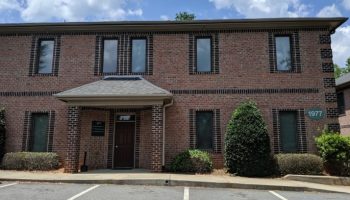
Absolute Advocacy |
1923 J N Pease Place Charlotte, NC 28262 |
Detox Service Setting
Inpatient DetoxOutpatient Detox
|
Levels Of Care
InpatientOutpatient
|
|
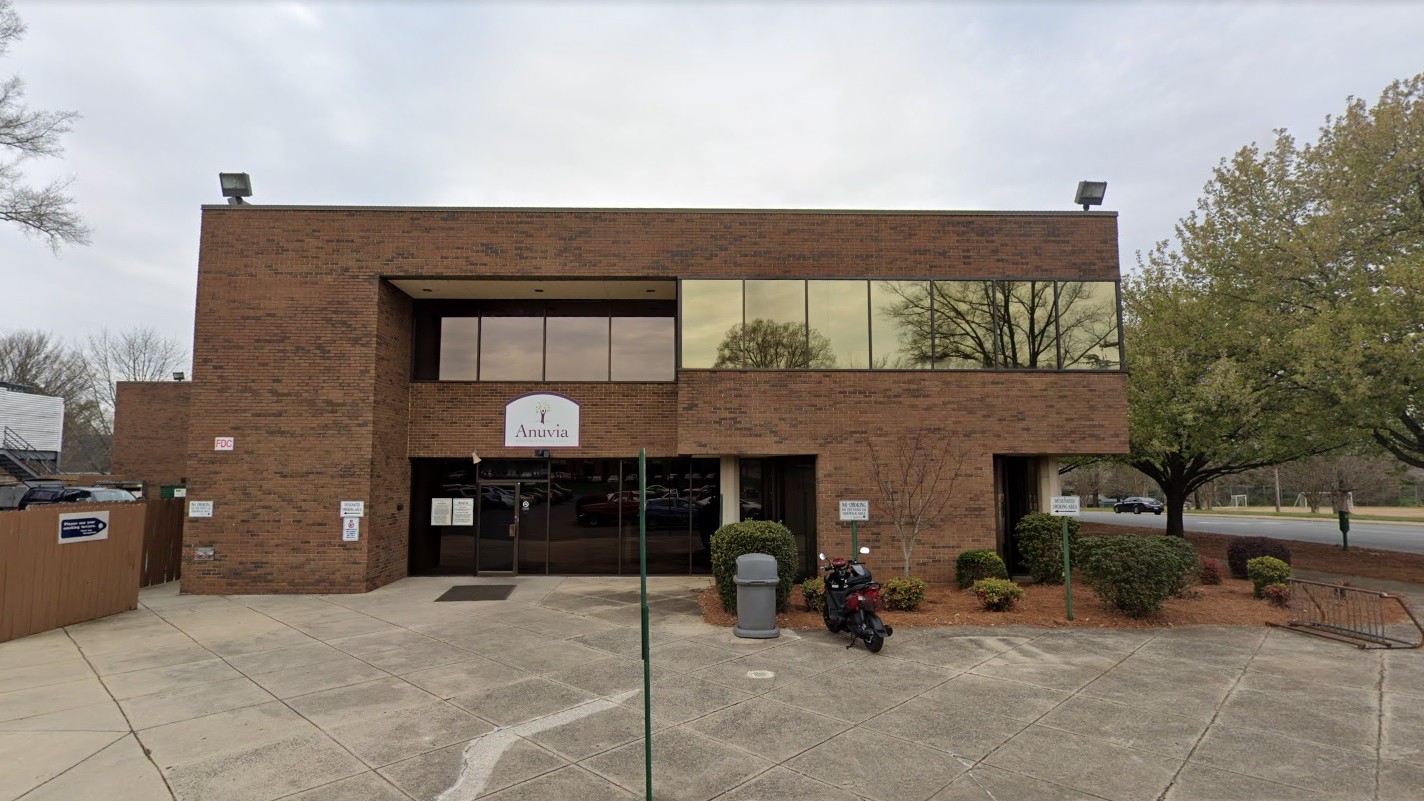
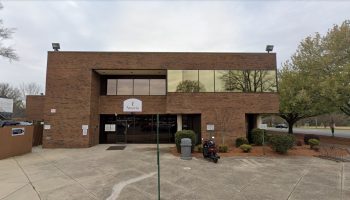
Anuvia Prevention and Recovery Center |
100 Billingsley Road Charlotte, NC 28211 |
Detox Service Setting
Inpatient DetoxOutpatient Detox
|
Levels Of Care
InpatientOutpatientAftercare+3
|
|
Carolina Center for Recovery |
7349 Statesville Rd Charlotte, NC 28269 |
Detox Service Setting
Inpatient DetoxOutpatient Detox
|
Levels Of Care
InpatientOutpatient
|

|
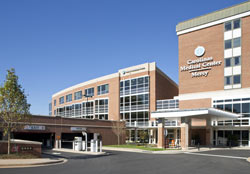
Carolinas Medical Center |
2001 Vail Avenue Charlotte, NC 28207 |
Detox Service Setting
Hospital DetoxMATInpatient Detox
|
Levels Of Care
InpatientPHPIntensive Outpatient+1
|
|
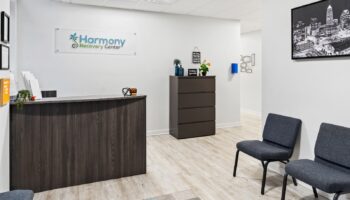
Harmony Recovery Center |
11403 North Tryon Street Charlotte, NC 28262 |
Detox Service Setting
Inpatient DetoxOutpatient Detox
|
Levels Of Care
InpatientOutpatientPHP+3
|
|
McLeod Addictive Disease Center – Outpatient |
521 Clanton Road Charlotte, NC 28217 |
Detox Service Setting
Inpatient DetoxOutpatient Detox
|
Levels Of Care
InpatientOutpatientAftercare
|

|
New Season Treatment Center – Charlotte |
3315 Wilkinson Boulevard Charlotte, NC 28208 |
Detox Service Setting
Outpatient DetoxMAT
|
Levels Of Care
Outpatient
|
|
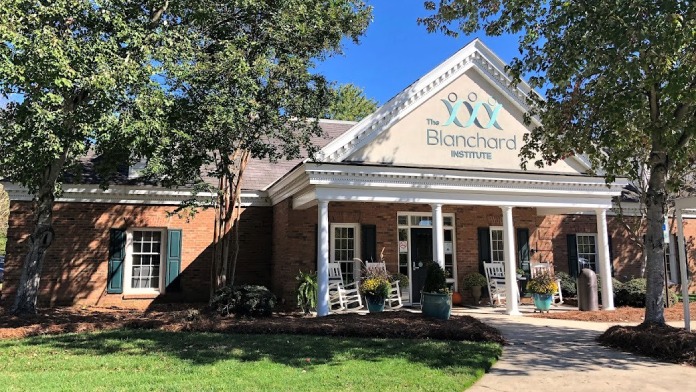
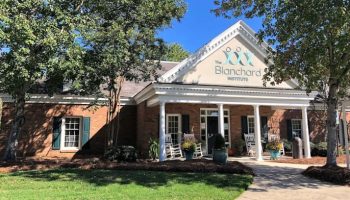
The Blanchard Institute |
10348 Park Road Charlotte, NC 28210 |
Detox Service Setting
Inpatient DetoxOutpatient Detox
|
Levels Of Care
InpatientOutpatientPHP+2
|
|
A Doves Nest |
2855 West Blvd Charlotte, NC 28208 |
Detox Service Setting
Inpatient DetoxOutpatient Detox
|
Levels Of Care
InpatientOutpatient
|
|
Advene Health Group |
1421 Orchard Lake Dr Charlotte, NC 28270 |
Detox Service Setting
Inpatient DetoxOutpatient Detox
|
Levels Of Care
InpatientOutpatient
|
|
Anuvia Prevention & Recovery Center |
100 Billingsley Road Charlotte, NC 28211 |
Detox Service Setting
Inpatient DetoxOutpatient DetoxMAT
|
Levels Of Care
InpatientAftercareDual Diagnosis+2
|
|
Atrium Health Behavioral Health |
501 Billingsley Road Charlotte, NC 28211 |
Detox Service Setting
Hospital DetoxInpatient DetoxOutpatient Detox+1
|
Levels Of Care
InpatientOutpatientPHP+3
|
|
Behavioral Health Intervention Center |
9307 Monroe Rd Charlotte, NC 28270 |
Detox Service Setting
Inpatient DetoxOutpatient Detox
|
Levels Of Care
InpatientOutpatient
|
|
Consultant For Addiction Recovery |
1111 Metropolitan Ave Charlotte, NC 28204 |
Detox Service Setting
Inpatient DetoxOutpatient Detox
|
Levels Of Care
InpatientOutpatient
|
|
Pasadena Villa Outpatient Treatment Center – Charlotte |
7300 Carmel Executive Park Drive Suite 100 Charlotte, NC 28226 |
Detox Service Setting
Outpatient DetoxMAT
|
Levels Of Care
OutpatientDual DiagnosisPHP
|
|
The Insight Program |
920 Blairhill Rd. Suite B-103 Charlotte, NC 28217 |
Detox Service Setting
Outpatient DetoxMAT
|
Levels Of Care
OutpatientAftercare
|
Charlotte, the seat of Mecklenburg County, sits in a state that recently posted one of the country’s steepest overdose declines. In North Carolina, detox and residential substance use programs are licensed by the DHHS Division of Health Service Regulation, while the Division of Mental Health, Developmental Disabilities, and Substance Use Services sets policy and oversees the public system. Knowing how to choose a detox center that holds the right state license is the first practical step.
A major change has reshaped access. North Carolina expanded Medicaid on December 1, 2023, extending coverage to hundreds of thousands of low-income adults, which means many Charlotte residents who once had no way to pay for detox now qualify. Publicly funded behavioral health is also coordinated regionally through the state’s managed care structure.
Fentanyl drives the local crisis and is tied to the large majority of Charlotte overdose deaths, with the sharpest recent increases among Black and Hispanic residents and in west Charlotte neighborhoods. In response, Mecklenburg County and community partners have poured opioid settlement funds into naloxone distribution, syringe services, and treatment, and North Carolina law supports legal syringe programs and fentanyl test strips.
Cost is a common first worry for people considering detox in Charlotte, but the price of care varies widely by setting and length of stay, and Medicaid expansion has widened coverage. A clear look at how much detox costs helps you plan before you commit.
The cost of detox in Charlotte depends on the level of care, the severity of withdrawal, and whether treatment happens in a hospital, a residential facility, or an outpatient clinic. The figures below are general benchmarks rather than Charlotte-specific quotes, and they represent full cash-pay rates before insurance, Medicaid, Medicare, or other aid. Most people with coverage pay significantly less, and expanded Medicaid may cover the full cost.
Medicare covers medically necessary inpatient and outpatient detox for Charlotte beneficiaries, along with opioid treatment program services such as methadone, buprenorphine, and naltrexone under Part B. Your copays, coinsurance, and deductibles depend on the treatment setting, the services you receive, and whether you carry a Medicare Advantage or supplement plan.
North Carolina expanded Medicaid on December 1, 2023, so most low-income adults now qualify. NC Medicaid covers the detox continuum, including withdrawal management, residential and inpatient treatment, outpatient care, and medication-assisted treatment, largely through managed care plans. Expansion has significantly widened access in Charlotte.
Cost should not keep anyone in Charlotte from starting detox. Several options exist for people without private insurance or the means to self-pay:

North Carolina funds publicly supported detox and treatment through its regional managed care structure for behavioral health. Uninsured and low-income Charlotte residents can be screened and connected to state-funded services, and many now qualify for expanded Medicaid.
Federally qualified health centers and community providers across Charlotte set fees on a sliding scale tied to income and household size, lowering out-of-pocket costs for uninsured residents who do not qualify for Medicaid.
Mecklenburg County is directing tens of millions in opioid settlement funds toward addiction treatment, syringe services, naloxone, and recovery housing, which can reduce or remove out-of-pocket costs for uninsured Charlotte residents.
Veterans in Charlotte can access detox and substance use care through the Charlotte VA Health Care Center and the W.G. Hefner VA Medical Center in nearby Salisbury, which offer withdrawal management, MAT, and mental health services at little or no cost.
Detox and addiction treatment in Charlotte are overseen by a mix of state licensing authorities and local public health. These are the key bodies that regulate and coordinate withdrawal management and SUD services:
DHSR licenses and inspects health care facilities in North Carolina, including residential substance use and detox programs, under the state’s licensing rules. It enforces the standards of care and investigates complaints against licensed Charlotte facilities. See NC DHSR.
This division sets state policy for substance use services, funds prevention and treatment, and oversees the public behavioral health system that serves uninsured and Medicaid-enrolled Charlotte residents. See NC DMH/DD/SUS.
NC Medicaid administers the state’s expanded Medicaid program, which since December 2023 covers substance use services, including detox and MAT, for hundreds of thousands of newly eligible adults, largely through managed care plans in the Charlotte area. See NC Medicaid.
The county health department leads Charlotte’s local overdose response, running the CDC Overdose Data to Action program, tracking overdose data with the Medical Examiner and MEDIC, and distributing free naloxone across the community. See Mecklenburg County Public Health.
Medication-assisted treatment in Charlotte is regulated at both the federal and state levels. Programs that dispense methadone must hold SAMHSA Opioid Treatment Program certification under 42 CFR Part 8 and DEA registration, and in North Carolina these programs are licensed by the state. You can learn how medication-assisted treatment fits into a broader detox plan.
Buprenorphine, often prescribed as Suboxone, is widely available across Charlotte from office-based providers, community clinics, and telehealth, without the daily-clinic requirement methadone carries. That flexibility makes it a practical first option for many residents, and NC Medicaid covers it.
Methadone is dispensed only through federally certified opioid treatment programs and is not available at retail pharmacies in North Carolina. It requires daily on-site dosing early in treatment, so access depends on living near one of Charlotte’s certified opioid treatment programs. NC Medicaid covers it.
Naltrexone, including the long-acting injectable Vivitrol, needs no special licensing and is prescribed in routine outpatient settings across Charlotte. Because it is not a controlled substance, it is used for both opioid and alcohol use disorder, is covered by NC Medicaid, and is typically started after detox is complete.
Charlotte has a growing harm reduction network, and North Carolina law supports it. Syringe services and fentanyl test strips are legal statewide. Because fentanyl is tied to the large majority of local overdose deaths, Mecklenburg County and community groups distribute free naloxone and test strips alongside connections to treatment.
Mecklenburg County Public Health distributes free naloxone, which residents can request online, and runs enhanced overdose surveillance with the Medical Examiner and MEDIC. With settlement funding, this office and partners distributed nearly 17,000 naloxone doses in 2024. Visit mecknc.gov.
Queen City Harm Reduction is a Charlotte-based program providing syringe services, naloxone, test strips, and connection to care for people who use drugs, meeting people where they are across the city. Visit queencityharmreduction.org.
Hajee House Harm Reduction works in the Beatties Ford Road corridor and other high-need Charlotte neighborhoods, partnering with the county to distribute naloxone and educate residents on overdose response. Visit hajeehouse.org.
NCHRC is a statewide organization that supplies naloxone, supports syringe services programs, and provides training and advocacy, extending harm reduction resources to Charlotte and the rest of North Carolina. Visit nchrc.org.
North Carolina and Mecklenburg County have seen overdose deaths fall recently, though fentanyl still drives most fatalities, and disparities have widened. The figures below come from state and county public health reporting.
North Carolina overdose deaths dropped 34% from 2023 to 2024, from more than 4,400 to fewer than 3,000, the first decline since 2019. Fentanyl deaths fell from a 2022 peak of about 3,300 to fewer than 1,500. North Carolina Department of Health and Human Services
Mecklenburg County recorded 291 overdose deaths in 2023, and with opioid settlement funding, Public Health and partners distributed 16,968 doses of naloxone across the county in 2024. Mecklenburg County Public Health
Overdose deaths rose about 200% among Black and Hispanic residents of Mecklenburg County in recent years, with the heaviest burden of overdose emergency visits concentrated in west Charlotte. Mecklenburg County Public Health
Many uninsured Charlotte residents now qualify for expanded Medicaid, so checking NC Medicaid eligibility is a good first step. If you do not qualify, North Carolina’s public behavioral health system funds state-supported detox, and you can call the statewide crisis and access line at 988 for referrals.
Yes. North Carolina expanded Medicaid on December 1, 2023, extending coverage to hundreds of thousands of low-income adults. This means many Charlotte residents who previously had no coverage can now have detox, medication-assisted treatment, and ongoing care paid for by NC Medicaid.
Yes. Mecklenburg County Public Health distributes free naloxone that residents can request online, and groups like Queen City Harm Reduction and Hajee House give it out in the community. Naloxone is also sold over the counter, and NC Medicaid and most insurers cover it.
Yes. North Carolina legalized fentanyl test strips and authorizes syringe services programs statewide. Charlotte harm reduction groups distribute test strips free so people can check their supply for fentanyl and other adulterants before use.
No. Detox safely manages withdrawal and stabilizes the body, but it is only the first step. Lasting recovery usually depends on the care that follows detox, such as residential or outpatient treatment, medication-assisted treatment, and ongoing support once withdrawal is complete.


Kerry Nenn is a full-time freelance writer and prize-winning author. She contributes regularly to addiction-recovery sites, international journal publications, and Christian ministries. Her published works include 10 books and myriad articles. Her work has received recognition both locally and nationally.