800-262-4205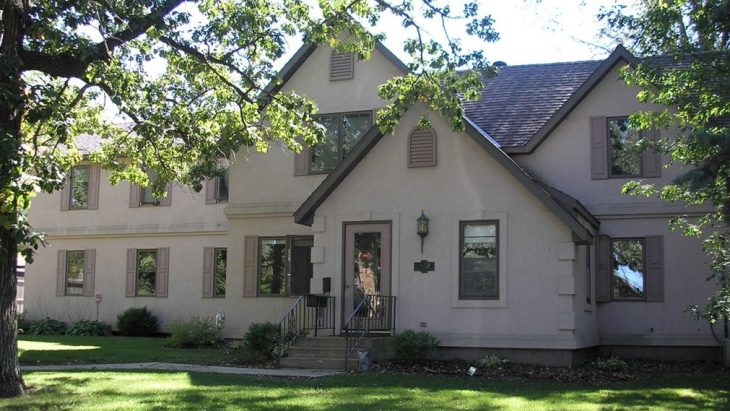
About Milestones
Based in Alexandria, Minnesota, and operating as part of Thrive Behavioral Network, Milestones is an intensive residential treatment services (IRTS) program for adults aged 18 and older struggling with mental and behavioral health. Major commercial health plans are accepted as well as various self-pay methods, and medical assistance.
Residential Mental & Behavioral Programming in Douglas County
For a structured treatment setting, these IRTS provides time-limited care to clients seeking psychiatric stability, emotional adjustment, self-sufficiency, and support building necessary skills to live independently.
If outdoor excursions are possible, Runestone Museum isn’t too far away. Several lakes are also nearby, which can be great for fishing. The trails make for a bike path in the summer and snowmobiling when it gets cold.
Residential Crisis Stabilization Services
If you or someone you love is experiencing a mental health or substance abuse crisis, assessments and intervention treatment plans are provided here. These support services are designed to help individuals reach a functioning level as prior to their crisis.
In the licensed residential setting, clients are supervised, with access to 24-hour staffing for crisis stabilization. Mental health practitioners and professionals are accessible 24 hours per day, either in person or over the phone. Nursing staff are also available as needed.
Residents can enjoy safe, comfortable housing, a tailored treatment plan, as well as skills training, and supportive counseling services. Collaborations with other local service providers may also be available as needed, including for more specific services like drug detox.
Overall, services are planned and coordinated with local mental health resources, with support available 24/7. Among the support offered, clients can access medication management, as well as discharge planning services, as well as vocational skills training. Integrated dual diagnosis treatment and family education services are also available.
| Levels of Care | Detox Service Setting | Programs | Payment Options | ||
|---|---|---|---|---|---|
|
Inpatient and residential programs provide round-the-clock medical and emotional support as you live at the treatment facility. This level of care may be recommended if you have severe addictions or mental health conditions since it removes outside distractions and allows you to focus solely on therapy. |
Dual diagnosis programs address substance use disorders and co-occurring mental health conditions simultaneously. This integrated approach to care improves the likelihood of long term recovery and stability by addressing the root causes of addiction. |
An intervention is a structured and professionally guided conversation with an individual who is struggling with addiction. During the conversation, family and friends will encourage you to seek treatment. This is often a pivotal step for those resistant to getting help. |
Sober living homes provide a supportive and substance free environment for you to live in as you overcome your addiction. Residents must follow house rules and support each other’s recovery journeys. Sober living fosters accountability and stability during this critical phase of recovery. |
||
|
Inpatient detox occurs in a dedicated treatment facility. You’ll live there around the clock and receive intensive medical support and supervision to help manage your withdrawal symptoms. It is suitable for individuals with moderate to severe addictions as it ensures a stable detox environment. |
|||||
|
Adult programs address the substance use and life challenges specific to adults. Therapists can deliver sessions in individual, group and family settings. Services often include job support and life skills training in a structured environment.
|
Alcohol detox programs offer medical support to help individuals withdraw safely from alcohol. Your care team may use medications to ease your symptoms and provide medical monitoring to address complications.
|
Men's programs address substance use while also considering the social pressures, family roles and mental health concerns that are specific to men. You’ll learn healthy coping mechanisms as you build emotional resilience and develop communication skills.
|
Opioid detox uses medications to ease severe withdrawal symptoms. It also includes medical supervision to help you manage potential complications. These services allow you to stabilize and begin a recovery plan.
|
Women's programs offer a safe and supportive space to focus on gender specific issues such as trauma, family roles and mental health conditions. Therapists tailor the sessions to address women's needs and foster empowerment in a healing and nurturing environment.
|
Young adult programs are designed for individuals who are transitioning into adulthood. Topics of discussion typically include identity, independence and peer relationships. Providers may also offer life skills training and career support.
|
|
Payment Assistance
|
Private Insurance
|
Self Pay
|
Levels of Care
Inpatient and residential programs provide round-the-clock medical and emotional support as you live at the treatment facility. This level of care may be recommended if you have severe addictions or mental health conditions since it removes outside distractions and allows you to focus solely on therapy.
Dual diagnosis programs address substance use disorders and co-occurring mental health conditions simultaneously. This integrated approach to care improves the likelihood of long term recovery and stability by addressing the root causes of addiction.
An intervention is a structured and professionally guided conversation with an individual who is struggling with addiction. During the conversation, family and friends will encourage you to seek treatment. This is often a pivotal step for those resistant to getting help.
Sober living homes provide a supportive and substance free environment for you to live in as you overcome your addiction. Residents must follow house rules and support each other’s recovery journeys. Sober living fosters accountability and stability during this critical phase of recovery.
Detox Service Setting
Inpatient detox occurs in a dedicated treatment facility. You’ll live there around the clock and receive intensive medical support and supervision to help manage your withdrawal symptoms. It is suitable for individuals with moderate to severe addictions as it ensures a stable detox environment.
Programs
Contact



Lauren wears many hats, and works as a holistic deep tissue massage therapist, content strategist, and copywriter. She’s been writing copy and dreaming up content for a number of brands for almost 10 years, having worked with a mixture of B2B and B2C brand. Some of her more notable clients include adidas, Gucci, Pepsi, and Hotels.com. A skilled editor and copywriter, she also enjoys planning content for social media and brand marketing campaigns.

Peter W.Y. Lee is a historian with a focus in American Cold War culture. He has examined how popular culture has served as a coping mechanism for the challenges and changes impacting American society throughout the twentieth century.
Detox.com regularly reviews this listing for accuracy but changes may occur between updates. For the most up-to-date information, please contact Milestones.