800-262-4205
New York Therapeutic Communities – Serendipity I (For Men)

About New York Therapeutic Communities – Serendipity I (For Men)
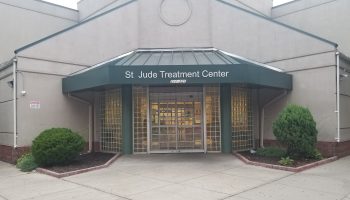
New York Therapeutic Communities – Serendipity I is a long-term residential addiction treatment program for men located in Brooklyn, NY. The facility offers structured recovery support along with aftercare and community-based services.
Their approach focuses on helping residents address the root causes of addiction while preparing for successful reintegration into society. Addiction medications may be provided here to help with cravings and withdrawal symptoms.
Addiction Medication To Support Recovery
Some clients may need medications to manage uncomfortable cravings and withdrawal symptoms. Staff members may prescribe options such as Vivitrol to help you be better able to focus on recovery.
Medication is typically combined with counseling to help clients better understand the cause of their addiction.
The 9 to 12 month program provides time for meaningful behavioral change and skill development. Treatment will also include peer support, communal responsibility and a structured daily routine.
Facility Amenities and Payment Options
The facility includes shared and private rooms, common areas, exercise space and a computer lab. Serendipity I in Brooklyn may accept Medicaid, Medicare, state-financed plans, self-pay and sliding scale assistance.
Admission typically starts with a phone call or assessment to determine if the program is the right fit. The team can explain payment options, verify insurance and answer questions about the long-term residential experience.
| Levels of Care | Detox Service Setting | Programs | Payment Options | |||
|---|---|---|---|---|---|---|
|
Inpatient
|
Outpatient
|
Dual Diagnosis
|
Aftercare programs provide ongoing support once you complete a rehab program. They may include several components to help you maintain sobriety, including therapy, community support groups, and relapse-prevention strategies. This gives you a network of resources as you reintegrate into daily life. |
Sober Living
|
An intervention is a structured and professionally guided conversation with an individual who is struggling with addiction. During the conversation, family and friends encourage the individual to seek treatment. This is often a pivotal step for those who are resistant to getting help. |
|
|
Hospital detoxification allows you to withdraw from drugs or alcohol in a hospital setting. It’s ideal for people with severe withdrawal symptoms or complex medical needs. You’ll receive constant monitoring, emergency care if needed, and FDA-approved prescription medications. |
Inpatient detox occurs in a dedicated treatment facility. You’ll live there around the clock and receive intensive medical support and supervision to help manage your withdrawal symptoms. It is suitable for individuals with moderate to severe addictions as it ensures a stable detox environment. |
Outpatient detox gives you access to medically supervised withdrawal services while still allowing you to live at home. You’ll attend a clinic for treatment and monitoring. This flexible option is suitable for those with mild to moderate withdrawal symptoms who have strong support systems. |
Medication-assisted treatment combines medication and counseling to manage withdrawal and reduce cravings for opioid and alcohol addiction. Medications may include methadone, buprenorphine, or naltrexone. MAT is tailored to your needs so you can actively participate in your treatment journey. |
|||
|
Adult programs include job support and life skills training in a structured environment. Services are designed to address the substance use and life challenges specific to adults. Therapy sessions happen in individual, group and family settings.
|
Alcohol detox programs offer medical support to help individuals withdraw safely from alcohol. Your care team may use medications to ease your symptoms, and they may provide medical monitoring to address complications.
|
Opioid detox uses medications to ease severe withdrawal symptoms. It includes medical supervision to help you manage potential complications. These services allow you to stabilize safely and begin a recovery plan.
|
Cognitive behavioral therapy focuses on changing harmful thought patterns and behaviors associated with addiction. You’ll learn healthier coping mechanisms by identifying and replacing negative thoughts. This improves your emotional resilience and decreases your relapse potential.
|
Drug detox programs support individuals who are withdrawing from addictive substances like cocaine and heroin. Medical support helps you manage symptoms in a controlled and safe environment so you can achieve initial sobriety.
|
LGBTQ-friendly programs create an inclusive and affirming space for recovery. Treatment is sensitive to issues like discrimination and stigma. You’ll receive support and therapy that respects and acknowledges your unique experiences.
|
Military / Veterans
|
|
Payment Assistance
|
Medicaid
|
Medicare
|
Self Pay
|
Sliding Scale Payment
|
Levels of Care
Aftercare programs provide ongoing support once you complete a rehab program. They may include several components to help you maintain sobriety, including therapy, community support groups, and relapse-prevention strategies. This gives you a network of resources as you reintegrate into daily life.
An intervention is a structured and professionally guided conversation with an individual who is struggling with addiction. During the conversation, family and friends encourage the individual to seek treatment. This is often a pivotal step for those who are resistant to getting help.
Detox Service Setting
Hospital detoxification allows you to withdraw from drugs or alcohol in a hospital setting. It’s ideal for people with severe withdrawal symptoms or complex medical needs. You’ll receive constant monitoring, emergency care if needed, and FDA-approved prescription medications.
Inpatient detox occurs in a dedicated treatment facility. You’ll live there around the clock and receive intensive medical support and supervision to help manage your withdrawal symptoms. It is suitable for individuals with moderate to severe addictions as it ensures a stable detox environment.
Outpatient detox gives you access to medically supervised withdrawal services while still allowing you to live at home. You’ll attend a clinic for treatment and monitoring. This flexible option is suitable for those with mild to moderate withdrawal symptoms who have strong support systems.
Medication-assisted treatment combines medication and counseling to manage withdrawal and reduce cravings for opioid and alcohol addiction. Medications may include methadone, buprenorphine, or naltrexone. MAT is tailored to your needs so you can actively participate in your treatment journey.
Programs
Amenities
Accreditations

Contact



Eric has a passion for content creation, whether it’s writing articles or making YouTube videos. He appreciates the power of storytelling to inform an audience about the information they need to know. In addition to writing, he also spends his time traveling and discovering new restaurants.
Detox.com regularly reviews this listing for accuracy but changes may occur between updates. For the most up-to-date information, please contact New York Therapeutic Communities – Serendipity I (For Men).