

 800-262-4205
Project Turnabout

About Project Turnabout
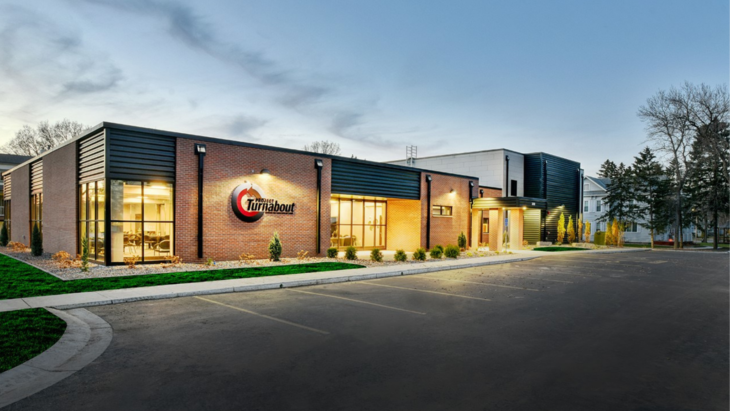
Project Turnabout Willmar is a women’s residential treatment center. You can find them across the road from Jaycee Park and Bria’s Playground in Willmar, Minnesota. They offer medical detox as part of their residential services. They also offer outpatient services for women and men living with a dual diagnosis.
Full Service Addiction Treatment for Women
Project Turnabout Willmar’s women-only treatment programs are designed to focus on challenges and experiences unique to women. This gives you a safe environment to talk about sensitive topics and connect with women who understand your journey.
The Willmar Campus houses several Project Turnabout buildings, including a women-only sober living home called Cheri’s Place, a meditation space called The Alcove, and a townhouse complex for women pursuing educational or vocational goals. Having all of these facilities situated a few feet from each other gives you access to an incredible range of services.
Holistic Treatment Approach
The Project Turnabout approach to addiction healing includes a variety of supportive therapies and activities to give you a well-rounded experience. These services include things like grief counseling and support groups, family therapy, yoga therapy and spiritual exploration sessions.
They also offer mindful creativity and therapeutic recreation services. These are designed to help you manage stress and harsh emotions in a soothing, non-destructive manner.
| Levels of Care | Detox Service Setting | Programs | Payment Options | |||
|---|---|---|---|---|---|---|
|
Inpatient care in the new building will be a 16 bed women’s residential program. That building will hold an outpatient center and staff offices. |
In outpatient therapy, you’ll attend therapy sessions several times each week while living at home. This is ideal if you have a strong support system and a lower risk of relapse. Outpatient treatment offers flexibility to maintain work, school or family obligations. |
Sober living homes provide a supportive and substance free environment for you to live in as you overcome your addiction. Residents must follow house rules and support each other’s recovery journeys. Sober living fosters accountability and stability during this critical phase of recovery. |
Partial hospitalization programs provide comprehensive treatment in a structured setting during the day but allow you to return home at night. These programs offer a balance of inpatient and outpatient rehab and provide intensive support without full time residency. |
Intensive Outpatient
|
Aftercare programs provide ongoing support after you complete a rehab program. They may include several components to help you maintain sobriety including therapy, community support groups and relapse prevention strategies. This gives you a network of resources as you reintegrate into your daily life. |
|
|
Inpatient detox occurs in a dedicated treatment facility. You’ll live there around the clock and receive intensive medical support and supervision to help manage your withdrawal symptoms. It is suitable for individuals with moderate to severe addictions as it ensures a stable detox environment. |
Outpatient detox gives you access to medically supervised withdrawal services while still allowing you to live at home. You’ll attend a clinic for treatment and monitoring. This flexible option is suitable for those with mild to moderate withdrawal symptoms who have strong support systems. |
Medication assisted treatment combines medication and counseling to manage withdrawal and reduce cravings for opioid and alcohol addiction. Medications may include methadone, buprenorphine or naltrexone. MAT is tailored to your needs so you can actively participate in your treatment journey. |
||||
|
Adult programs address the substance use and life challenges specific to adults. Therapists can deliver sessions in individual, group and family settings. Services often include job support and life skills training in a structured environment.
|
Alcohol detox programs offer medical support to help individuals withdraw safely from alcohol. Your care team may use medications to ease your symptoms and provide medical monitoring to address complications.
|
Drug detox programs support individuals who are withdrawing from addictive substances like cocaine and heroin. Medical support helps you manage symptoms in a controlled and safe environment so you can achieve initial sobriety.
|
Men's programs address substance use while also considering the social pressures, family roles and mental health concerns that are specific to men. You’ll learn healthy coping mechanisms as you build emotional resilience and develop communication skills.
|
Opioid detox uses medications to ease severe withdrawal symptoms. It also includes medical supervision to help you manage potential complications. These services allow you to stabilize and begin a recovery plan.
|
Women are who the inpatient center is for, and that center has 16 beds. The site is the outpatient and women’s center. The new building will include women’s residential care plus staff offices. |
Young adult programs are designed for individuals who are transitioning into adulthood. Topics of discussion typically include identity, independence and peer relationships. Providers may also offer life skills training and career support.
|
|
Payment Assistance
|
Medicaid
|
Private Insurance
|
Self Pay
|
Levels of Care
Inpatient care in the new building will be a 16 bed women’s residential program. That building will hold an outpatient center and staff offices.
In outpatient therapy, you’ll attend therapy sessions several times each week while living at home. This is ideal if you have a strong support system and a lower risk of relapse. Outpatient treatment offers flexibility to maintain work, school or family obligations.
Sober living homes provide a supportive and substance free environment for you to live in as you overcome your addiction. Residents must follow house rules and support each other’s recovery journeys. Sober living fosters accountability and stability during this critical phase of recovery.
Partial hospitalization programs provide comprehensive treatment in a structured setting during the day but allow you to return home at night. These programs offer a balance of inpatient and outpatient rehab and provide intensive support without full time residency.
Aftercare programs provide ongoing support after you complete a rehab program. They may include several components to help you maintain sobriety including therapy, community support groups and relapse prevention strategies. This gives you a network of resources as you reintegrate into your daily life.
Detox Service Setting
Inpatient detox occurs in a dedicated treatment facility. You’ll live there around the clock and receive intensive medical support and supervision to help manage your withdrawal symptoms. It is suitable for individuals with moderate to severe addictions as it ensures a stable detox environment.
Outpatient detox gives you access to medically supervised withdrawal services while still allowing you to live at home. You’ll attend a clinic for treatment and monitoring. This flexible option is suitable for those with mild to moderate withdrawal symptoms who have strong support systems.
Medication assisted treatment combines medication and counseling to manage withdrawal and reduce cravings for opioid and alcohol addiction. Medications may include methadone, buprenorphine or naltrexone. MAT is tailored to your needs so you can actively participate in your treatment journey.
Programs
Women are who the inpatient center is for, and that center has 16 beds. The site is the outpatient and women’s center. The new building will include women’s residential care plus staff offices.
Amenities
Accreditations


Contact



Kerry Nenn is a full-time freelance writer and prize-winning author. She contributes regularly to addiction-recovery sites, international journal publications, and Christian ministries. Her published works include 10 books and myriad articles. Her work has received recognition both locally and nationally.
Detox.com regularly reviews this listing for accuracy but changes may occur between updates. For the most up-to-date information, please contact Project Turnabout.
Nearby Detox Centers

Search by Minnesota Cities
FAQs
What levels of care does Project Turnabout list?
A 16-bed women’s residential program is what the new building will offer, along with an outpatient center and staff offices. Cheri’s Place is the named sober living residence. Inpatient and outpatient treatment services are part of a mission the nonprofit has carried for 50 years.
How many beds will the women's residential program have?
The bed count is 16 for the women’s residential program in the new building. That building will also hold an outpatient center and staff offices. The nonprofit’s mission has included inpatient and outpatient treatment services for 50 years.
How can you pay for care at Project Turnabout?
Insurance, state funding and individualized payment options are the ways payment is handled. The program works with each of those options. The nonprofit has operated for 50 years.
Who is the 16-bed inpatient center for?
The 16 bed inpatient center is for women. The site is also the outpatient and women’s center. The nonprofit’s mission includes inpatient and outpatient treatment services, and it has operated for 50 years.
Is this nonprofit accredited by CARF?
Yes. CARF accredits the nonprofit. The full name is Commission on the Accreditation for Rehabilitation Facilities. The organization has operated for 50 years in inpatient and outpatient treatment services.