

 800-262-4205
RISE Recovery Community

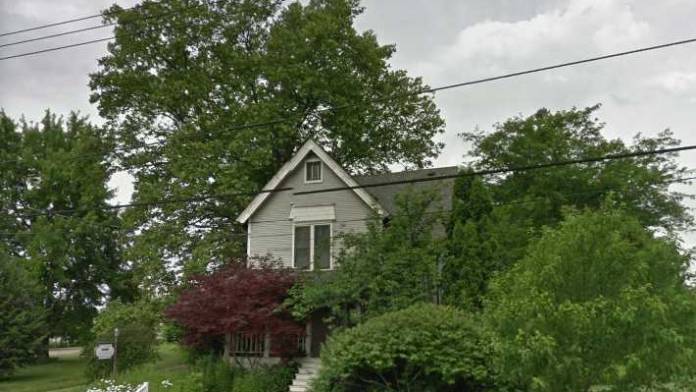
About RISE Recovery Community
RISE Recovery Community is a CARF accredited peer support organization in downtown Lansing, Michigan, offering structured recovery housing and community engagement services for adults in recovery from substance use disorders. The organization provides supportive housing, peer recovery coaching, assessment and referral support and case management to help individuals build health, home, purpose and community.
Founded by a mother son duo with lived experience in addiction and recovery, RISE takes a peer informed approach that meets people where they are and supports their transition back into society as healthy, productive citizens.
Structured Recovery Housing in Lansing
RISE’s core offering is structured supportive housing designed to provide a safe, stable environment for adults transitioning out of treatment, or seeking community based recovery support. Admissions begins with a phone assessment with a peer recovery coach who helps connect residents to the right level of housing and ongoing support services.
Recovery residences feature shared living spaces including common areas, dining rooms and recreation rooms, fostering accountability and peer connection. The structured housing model emphasizes skill building, relapse prevention and community reintegration, with onsite case management and services coordination to address individualized recovery goals.
Club RISE and Sober Community Connection
Beyond housing, RISE operates Club RISE, a sober community engagement center in downtown Lansing where members can attend meetings, participate in events and build meaningful connections in recovery. This peer driven space offers a safe alternative to substance using environments, with areas for one on one conversations, group activities and entertainment that reinforce long term sobriety and social wellness.
Getting Started With RISE
RISE Recovery Community serves adults in the greater Lansing area from its downtown Sycamore Street location. The organization holds multiple CARF accreditations across its housing, assessment, case management and prevention programs.
You can contact RISE by phone or through their confidential online form to speak with a peer recovery coach and begin your recovery journey.
| Levels of Care | Detox Service Setting | Programs | Payment Options |
|---|---|---|---|
|
Inpatient and residential programs provide round-the-clock medical and emotional support as you live at the treatment facility. This level of care may be recommended if you have severe addictions or mental health conditions since it removes outside distractions and allows you to focus solely on therapy. |
In outpatient therapy, you’ll attend therapy sessions several times each week while living at home. This is ideal if you have a strong support system and a lower risk of relapse. Outpatient treatment offers flexibility to maintain work, school or family obligations. |
Sober living homes provide a supportive and substance free environment for you to live in as you overcome your addiction. Residents must follow house rules and support each other’s recovery journeys. Sober living fosters accountability and stability during this critical phase of recovery. |
|
|
Inpatient detox occurs in a dedicated treatment facility. You’ll live there around the clock and receive intensive medical support and supervision to help manage your withdrawal symptoms. It is suitable for individuals with moderate to severe addictions as it ensures a stable detox environment. |
Outpatient detox gives you access to medically supervised withdrawal services while still allowing you to live at home. You’ll attend a clinic for treatment and monitoring. This flexible option is suitable for those with mild to moderate withdrawal symptoms who have strong support systems. |
||
|
Alcohol detox programs offer medical support to help individuals withdraw safely from alcohol. Your care team may use medications to ease your symptoms and provide medical monitoring to address complications.
|
Drug detox programs support individuals who are withdrawing from addictive substances like cocaine and heroin. Medical support helps you manage symptoms in a controlled and safe environment so you can achieve initial sobriety.
|
||
|
Private Insurance
|
Self Pay
|
Levels of Care
Inpatient and residential programs provide round-the-clock medical and emotional support as you live at the treatment facility. This level of care may be recommended if you have severe addictions or mental health conditions since it removes outside distractions and allows you to focus solely on therapy.
In outpatient therapy, you’ll attend therapy sessions several times each week while living at home. This is ideal if you have a strong support system and a lower risk of relapse. Outpatient treatment offers flexibility to maintain work, school or family obligations.
Sober living homes provide a supportive and substance free environment for you to live in as you overcome your addiction. Residents must follow house rules and support each other’s recovery journeys. Sober living fosters accountability and stability during this critical phase of recovery.
Detox Service Setting
Inpatient detox occurs in a dedicated treatment facility. You’ll live there around the clock and receive intensive medical support and supervision to help manage your withdrawal symptoms. It is suitable for individuals with moderate to severe addictions as it ensures a stable detox environment.
Outpatient detox gives you access to medically supervised withdrawal services while still allowing you to live at home. You’ll attend a clinic for treatment and monitoring. This flexible option is suitable for those with mild to moderate withdrawal symptoms who have strong support systems.
Programs
Contact



Gayle Morris, BSN, MSN, received her bachelor’s degree from the University of Illinois Chicago Medical Center and her first master’s degree from Indiana University Purdue University Indianapolis. She practiced nursing for more than two decades with a focus on pediatric physical rehabilitation, helping children and their parents after a head injury or spinal cord injury. She has been a freelance writer in health, wellness, and mental health for more than 15 years. She loves exercise, her dogs and guinea pigs, and gardening.
Detox.com regularly reviews this listing for accuracy but changes may occur between updates. For the most up-to-date information, please contact RISE Recovery Community.
Nearby Detox Centers

Search by Michigan Cities
FAQs
Is RISE Recovery Community a treatment program or sober housing?
Sober living. You’ll find 11 structured homes for 72 members. Club RISE is a 4,200 square foot space for community activities in that sober living setup. They can help you get into treatment, and they house people who’ve completed treatment.
How many homes does RISE run, and how many people live there?
Plan on 11 living homes. Capacity is 72 members, in a structured setup. Club RISE is the activity building, at 4,200 square feet, for the sober living community. That’s how the housing is laid out.
Which groups has RISE served since it opened?
Nearly 2,000 people since it opened. Served groups include BIPOC participants, women, people with disabilities, veterans and LGBTQ+ participants. People who are economically disadvantaged are included too. A Diversity and Inclusion Policy is in place, and those groups are still part of who gets served.
Who answers the phone when you call about housing?
A peer recovery coach answers the call. The coach has lived through recovery, so the person on the line knows that stretch firsthand. You talk to that coach when you call about getting in.
Is RISE licensed in Michigan, and what else is on file?
Yes. WAI-IAM, Inc. holds a State of Michigan license. It also has a 3-year CARF Accreditation, plus MARR and NARR certificates. Those are the credentials on record for the organization behind RISE Recovery Community.