800-671-4304
About Risen Recovery
Risen Recovery is a sober living home in Farmington, Minnesota, that provides transitional housing for women who are recovering from opioid and alcohol addiction. The nonprofit organization serves as a supportive bridge between treatment programs, incarceration and independent living.
A central focus of the program is helping mothers rebuild stability, strengthen parenting skills and reconnect with their children. While they don’t provide detox or medication assisted treatment, they can provide referrals to community resources.
What Programs Does Risen Recovery Offer
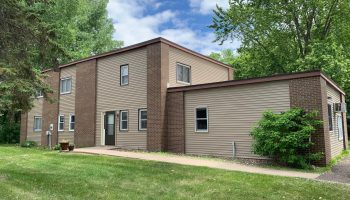
Risen Recovery provides long term residential support in a ranch style home that can accommodate up to eight women. The faith based program emphasizes individualized recovery planning in collaboration with medical and mental health professionals.
Services include parenting education, financial literacy training, employment and interview preparation and life skills development. Residents are expected to maintain sobriety, participate in work or volunteer activities, attend weekly religious services and remain engaged in ongoing treatment and counseling. These expectations help promote responsibility, structure and personal growth.
Who Can Get Help at Risen Recovery
The program serves women only, with a primary focus on mothers who are recovering from opioid and alcohol addiction. Many participants are transitioning from residential treatment programs, jail, or prison and are working to reestablish stability in their personal and family lives.
Risen Recovery is designed for women who are committed to strengthening their parenting abilities, restoring trust and pursuing reunification with their children after addiction has disrupted family relationships.
What Makes Risen Recovery Different
Unlike many traditional recovery programs that limit parent child interaction, Risen Recovery encourages residents to maintain regular contact and meaningful relationships with their children throughout the recovery process. This approach supports emotional healing and reinforces motivation for long term sobriety.
The home was founded by Kari Rutman, an overdose survivor, and is operated by women volunteers who have personal experience with recovery. These mentors provide individualized support, practical coaching, and compassionate guidance based on lived experience.
Many residents value the peer led model, where volunteers with personal recovery experience offer mentorship, practical guidance, and consistent encouragement.
| Levels of Care | Detox Service Setting | Programs | Payment Options |
|---|---|---|---|
|
Inpatient and residential programs provide round-the-clock medical and emotional support as you live at the treatment facility. This level of care may be recommended if you have severe addictions or mental health conditions since it removes outside distractions and allows you to focus solely on therapy. |
In outpatient therapy, you’ll attend therapy sessions several times each week while living at home. This is ideal if you have a strong support system and a lower risk of relapse. Outpatient treatment offers flexibility to maintain work, school or family obligations. |
||
|
Inpatient detox occurs in a dedicated treatment facility. You’ll live there around the clock and receive intensive medical support and supervision to help manage your withdrawal symptoms. It is suitable for individuals with moderate to severe addictions as it ensures a stable detox environment. |
Outpatient detox gives you access to medically supervised withdrawal services while still allowing you to live at home. You’ll attend a clinic for treatment and monitoring. This flexible option is suitable for those with mild to moderate withdrawal symptoms who have strong support systems. |
||
|
Alcohol detox programs offer medical support to help individuals withdraw safely from alcohol. Your care team may use medications to ease your symptoms and provide medical monitoring to address complications. |
Drug detox programs support individuals who are withdrawing from addictive substances like cocaine and heroin. Medical support helps you manage symptoms in a controlled and safe environment so you can achieve initial sobriety. |
||
|
Private Insurance
|
Self Pay
|
Levels of Care
Inpatient and residential programs provide round-the-clock medical and emotional support as you live at the treatment facility. This level of care may be recommended if you have severe addictions or mental health conditions since it removes outside distractions and allows you to focus solely on therapy.
In outpatient therapy, you’ll attend therapy sessions several times each week while living at home. This is ideal if you have a strong support system and a lower risk of relapse. Outpatient treatment offers flexibility to maintain work, school or family obligations.
Detox Service Setting
Inpatient detox occurs in a dedicated treatment facility. You’ll live there around the clock and receive intensive medical support and supervision to help manage your withdrawal symptoms. It is suitable for individuals with moderate to severe addictions as it ensures a stable detox environment.
Outpatient detox gives you access to medically supervised withdrawal services while still allowing you to live at home. You’ll attend a clinic for treatment and monitoring. This flexible option is suitable for those with mild to moderate withdrawal symptoms who have strong support systems.
Programs
Alcohol detox programs offer medical support to help individuals withdraw safely from alcohol. Your care team may use medications to ease your symptoms and provide medical monitoring to address complications.
Drug detox programs support individuals who are withdrawing from addictive substances like cocaine and heroin. Medical support helps you manage symptoms in a controlled and safe environment so you can achieve initial sobriety.
Contact



Gayle Morris, BSN, MSN, received her bachelor’s from the University of Illinois Chicago Medical Center and her first master’s from the Indiana University Purdue University Indianapolis. She practiced nursing for over two decades with a focus on pediatric physical rehabilitation, which required mental health skills to help children, and their parents work through new challenges after a head injury or spinal cord injury. She has been a freelance writer in health, wellness, and mental health for over 15 years. She loves exercise, her dogs and guinea pigs, and gardening.