

 800-262-4205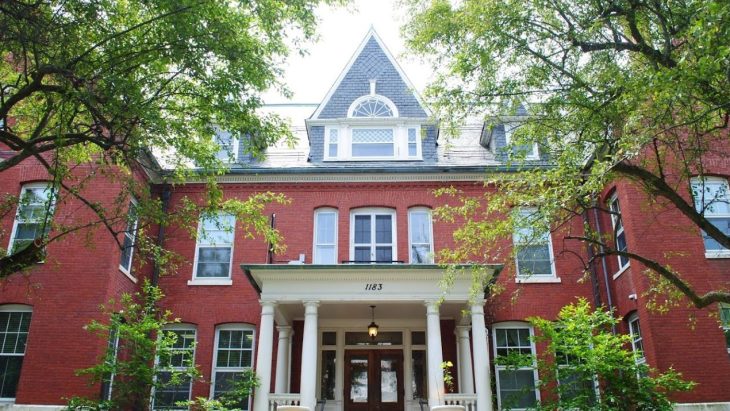
About Washburn House
Washburn House is located on Main Street in Worcester, Massachusetts. They offer treatment for substance use and co-occurring disorders, and they’re accredited by The Joint Commission. They have a medical detox center and can help you detox from alcohol and opiates. They’ll accept your Medicaid Managed Care and Medicaid insurance plans. They also take many commercial insurance plans.
They have a medical detox center where you’ll have around-the-clock monitoring and care. Detox is different for everyone and also depends on the type of substances you’ve been using. The length of time and amount of substances you use can also affect your detox.
Heroin detox has some common withdrawal symptoms that may or may not include agitation, anxiety, severe muscle cramping or pain, sweats, chills, fatigue, inability to sleep, nausea, vomiting and hallucinations. Some people also experience depression, high blood pressure, and impaired respiration. Most people experience constant cravings. Medical detox can ease your symptoms through the use of medication assisted treatment (MAT) which they offer.
Alcohol detox often comes with unpleasant symptoms such as anxiety, chills, sweating, vomiting, nausea, and severe cravings. The worst withdrawal symptoms are usually gone in 10 days, though cravings sometimes persist for a few weeks. MAT is also used with alcohol detox if appropriate.
While in the detox program, you’ll work on a treatment plan that’s tailored to your needs. Past trauma and co-occurring disorders such as depression or anxiety help shape your plan. Once you’ve rid your body of all toxic substances, you’ll be ready to move on to the next step in your recovery journey.
| Levels of Care | Detox Service Setting | Programs | Payment Options | ||||
|---|---|---|---|---|---|---|---|
|
Inpatient and residential programs provide round-the-clock medical and emotional support as you live at the treatment facility. This level of care may be recommended if you have severe addictions or mental health conditions since it removes outside distractions and allows you to focus solely on therapy. |
Partial hospitalization programs provide comprehensive treatment in a structured setting during the day but allow you to return home at night. These programs offer a balance of inpatient and outpatient rehab and provide intensive support without full time residency. |
In outpatient therapy, you’ll attend therapy sessions several times each week while living at home. This is ideal if you have a strong support system and a lower risk of relapse. Outpatient treatment offers flexibility to maintain work, school or family obligations. |
Aftercare programs provide ongoing support after you complete a rehab program. They may include several components to help you maintain sobriety including therapy, community support groups and relapse prevention strategies. This gives you a network of resources as you reintegrate into your daily life. |
Dual diagnosis programs address substance use disorders and co-occurring mental health conditions simultaneously. This integrated approach to care improves the likelihood of long term recovery and stability by addressing the root causes of addiction. |
|||
|
Inpatient detox occurs in a dedicated treatment facility. You’ll live there around the clock and receive intensive medical support and supervision to help manage your withdrawal symptoms. It is suitable for individuals with moderate to severe addictions as it ensures a stable detox environment. |
Outpatient detox gives you access to medically supervised withdrawal services while still allowing you to live at home. You’ll attend a clinic for treatment and monitoring. This flexible option is suitable for those with mild to moderate withdrawal symptoms who have strong support systems. |
Medication assisted treatment combines medication and counseling to manage withdrawal and reduce cravings for opioid and alcohol addiction. Medications may include methadone, buprenorphine or naltrexone. MAT is tailored to your needs so you can actively participate in your treatment journey. |
|||||
|
Adult programs address the substance use and life challenges specific to adults. Therapists can deliver sessions in individual, group and family settings. Services often include job support and life skills training in a structured environment. |
Alcohol detox programs offer medical support to help individuals withdraw safely from alcohol. Your care team may use medications to ease your symptoms and provide medical monitoring to address complications. |
Cognitive behavioral therapy focuses on changing harmful thought patterns and behaviors associated with addiction. You’ll learn healthier coping mechanisms by identifying and replacing negative thoughts. This improves your emotional resilience and decreases your relapse potential. |
Men's programs address substance use while also considering the social pressures, family roles and mental health concerns that are specific to men. You’ll learn healthy coping mechanisms as you build emotional resilience and develop communication skills. |
Opioid detox uses medications to ease severe withdrawal symptoms. It also includes medical supervision to help you manage potential complications. These services allow you to stabilize and begin a recovery plan. |
Rational behavior therapy helps you identify irrational beliefs that contribute to an addiction. Challenging and modifying those beliefs helps you develop healthier attitudes and behaviors. This therapy supports long term sobriety and sustainable recovery. |
Women's programs offer a safe and supportive space to focus on gender specific issues such as trauma, family roles and mental health conditions. Therapists tailor the sessions to address women's needs and foster empowerment in a healing and nurturing environment. |
Young adult programs are designed for individuals who are transitioning into adulthood. Topics of discussion typically include identity, independence and peer relationships. Providers may also offer life skills training and career support. |
|
Medicaid
|
Private Insurance
|
Self Pay
|
Levels of Care
Inpatient and residential programs provide round-the-clock medical and emotional support as you live at the treatment facility. This level of care may be recommended if you have severe addictions or mental health conditions since it removes outside distractions and allows you to focus solely on therapy.
Partial hospitalization programs provide comprehensive treatment in a structured setting during the day but allow you to return home at night. These programs offer a balance of inpatient and outpatient rehab and provide intensive support without full time residency.
In outpatient therapy, you’ll attend therapy sessions several times each week while living at home. This is ideal if you have a strong support system and a lower risk of relapse. Outpatient treatment offers flexibility to maintain work, school or family obligations.
Aftercare programs provide ongoing support after you complete a rehab program. They may include several components to help you maintain sobriety including therapy, community support groups and relapse prevention strategies. This gives you a network of resources as you reintegrate into your daily life.
Dual diagnosis programs address substance use disorders and co-occurring mental health conditions simultaneously. This integrated approach to care improves the likelihood of long term recovery and stability by addressing the root causes of addiction.
Detox Service Setting
Inpatient detox occurs in a dedicated treatment facility. You’ll live there around the clock and receive intensive medical support and supervision to help manage your withdrawal symptoms. It is suitable for individuals with moderate to severe addictions as it ensures a stable detox environment.
Outpatient detox gives you access to medically supervised withdrawal services while still allowing you to live at home. You’ll attend a clinic for treatment and monitoring. This flexible option is suitable for those with mild to moderate withdrawal symptoms who have strong support systems.
Medication assisted treatment combines medication and counseling to manage withdrawal and reduce cravings for opioid and alcohol addiction. Medications may include methadone, buprenorphine or naltrexone. MAT is tailored to your needs so you can actively participate in your treatment journey.
Programs
Adult programs address the substance use and life challenges specific to adults. Therapists can deliver sessions in individual, group and family settings. Services often include job support and life skills training in a structured environment.
Alcohol detox programs offer medical support to help individuals withdraw safely from alcohol. Your care team may use medications to ease your symptoms and provide medical monitoring to address complications.
Cognitive behavioral therapy focuses on changing harmful thought patterns and behaviors associated with addiction. You’ll learn healthier coping mechanisms by identifying and replacing negative thoughts. This improves your emotional resilience and decreases your relapse potential.
Men's programs address substance use while also considering the social pressures, family roles and mental health concerns that are specific to men. You’ll learn healthy coping mechanisms as you build emotional resilience and develop communication skills.
Opioid detox uses medications to ease severe withdrawal symptoms. It also includes medical supervision to help you manage potential complications. These services allow you to stabilize and begin a recovery plan.
Rational behavior therapy helps you identify irrational beliefs that contribute to an addiction. Challenging and modifying those beliefs helps you develop healthier attitudes and behaviors. This therapy supports long term sobriety and sustainable recovery.
Women's programs offer a safe and supportive space to focus on gender specific issues such as trauma, family roles and mental health conditions. Therapists tailor the sessions to address women's needs and foster empowerment in a healing and nurturing environment.
Young adult programs are designed for individuals who are transitioning into adulthood. Topics of discussion typically include identity, independence and peer relationships. Providers may also offer life skills training and career support.
Amenities
Accreditations


Contact



Susan is a freelance writer and photographer who loves writing from home with her dog, Jack Bauer, at her feet. Having transcribed patient charts in a mental health and addiction treatment hospital, she’s well informed on the subject of substance use and co-occurring disorder treatment. She’s experienced in content creation and writes her own photography blog and newsletter.

Courtney Myers writes and edits professionally from her home in North Carolina. She holds an MS in Technical Communication from N.C. State University and has worked in proposal management, marketing, and online content creation. She specializes in creating resources related to behavioral health and addiction recovery.
Nearby Detox Centers



Search by Massachusetts Cities
FAQs
What detox programs does Washburn House offer in Worcester?
Washburn House provides detoxification services for individuals struggling with substance use disorders. The facility offers medical detox supervision and withdrawal management as part of its treatment approach. Specific program details and treatment options are available through the facility’s intake process.
Is medical detox available with 24/7 supervision at Washburn House?
Washburn House offers medical detoxification with professional supervision and support during the withdrawal process. The facility’s medical team oversees withdrawal management to help individuals safely transition from active substance use. Details about specific monitoring schedules and clinical protocols can be discussed during intake.
What substances does Washburn House provide detoxification treatment for?
Washburn House treats individuals experiencing withdrawal from various substances including alcohol, opioids, and other drugs. The facility’s medical team assesses each person’s specific needs and tailors the detox approach accordingly. The intake assessment determines the appropriate level of care and medication-assisted treatment if needed.
How long does detox typically last at Washburn House?
The length of detoxification at Washburn House varies based on individual factors such as the substance used, duration of use, and overall health. The medical team creates a personalized timeline during the initial assessment. Most medical detox programs range from several days to two weeks, though individual cases differ.
What happens after detox at Washburn House in Worcester, MA?
Following medical detoxification, Washburn House connects individuals with continued treatment options tailored to their recovery needs. The facility coordinates step-down care and referrals to support ongoing sobriety. Transition planning begins during detox to ensure continuity of care and access to appropriate next-level treatment.
What is the admission process and timeline at Washburn House?
Washburn House conducts an intake assessment to evaluate each person’s detox needs, medical history, and treatment goals. The facility works to accommodate admissions based on availability and clinical appropriateness. Specific details about wait times, required documentation, and next steps are provided during the initial contact with the facility.