

 860-294-9332
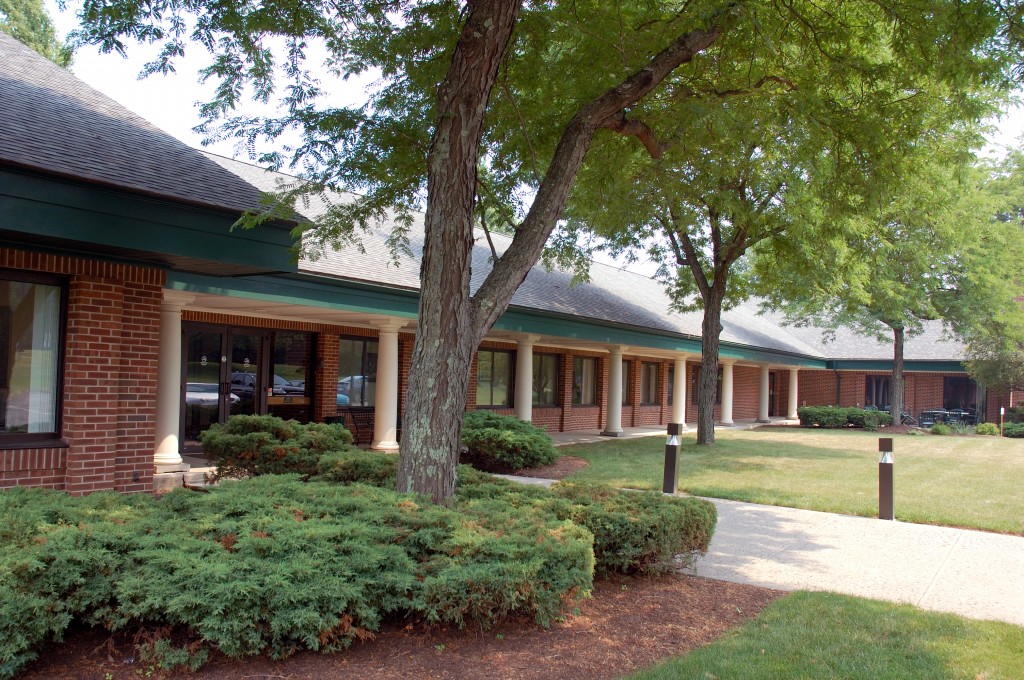
Stonington Institute
North Stonington, CT
06359

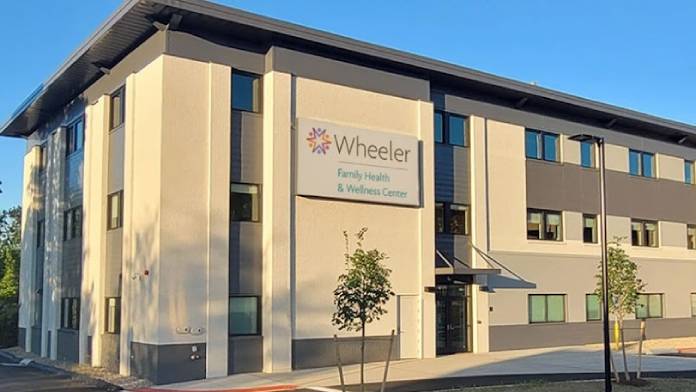
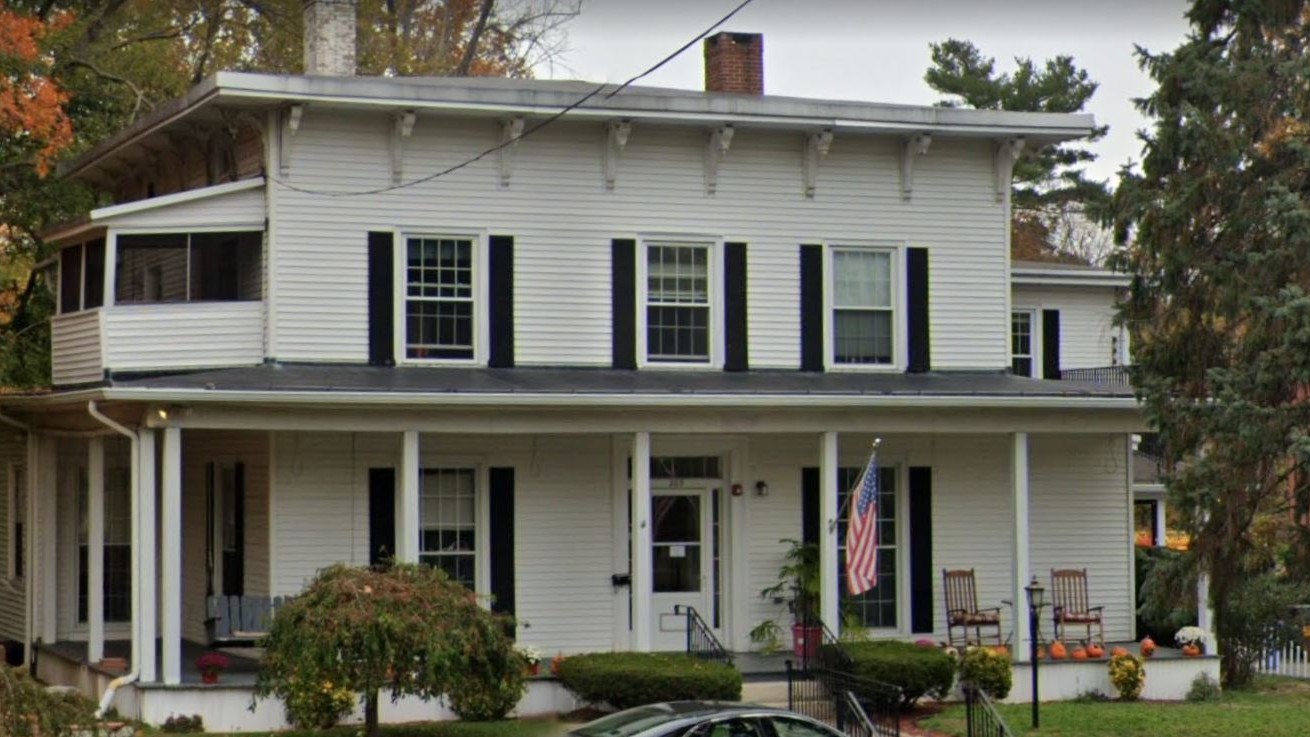
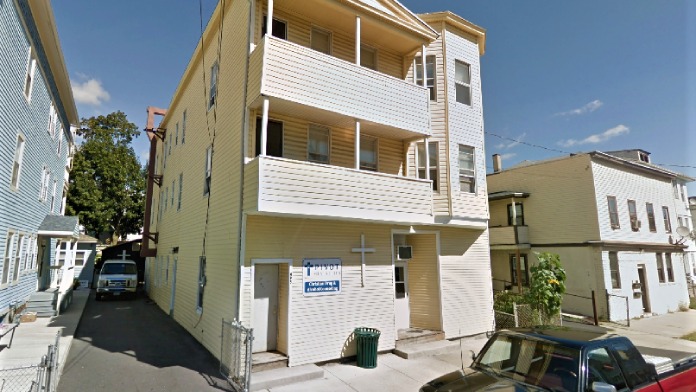
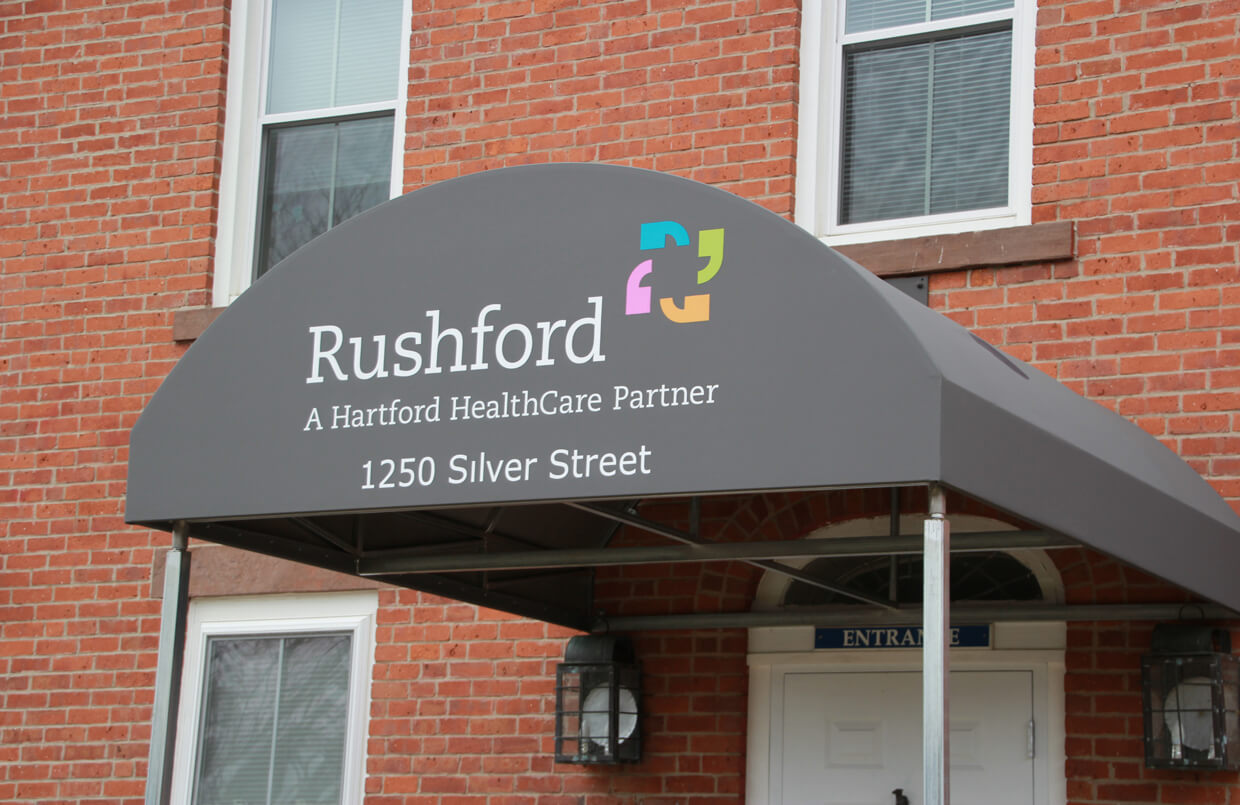
| Name | Address | Detox Service Setting | Levels Of Care | Media |
|---|---|---|---|---|
Blue Hills Treatment Center |
500 Vine Street Hartford, CT 06112 |
Detox Service Setting
Hospital DetoxOutpatient DetoxInpatient Detox
|
Levels Of Care
OutpatientPHPInpatient+1
|
|
Connecticut Center for Recovery |
177 West Putnam Avenue Greenwich, CT 06830 |
Detox Service Setting
Inpatient DetoxOutpatient Detox
|
Levels Of Care
InpatientOutpatientPHP+3
|

|
Connecticut Counseling Centers Danbury |
60 Beaver Brook Road Danbury, CT 06810 |
Detox Service Setting
Outpatient Detox
|
Levels Of Care
OutpatientDual Diagnosis
|

|
Farrell Treatment Center |
586 Main Street New Britain, CT 06051 |
Detox Service Setting
Inpatient DetoxOutpatient Detox
|
Levels Of Care
InpatientOutpatientDual Diagnosis
|

|
Health Care Resource Centers Hartford |
55 Fishfry Street Hartford, CT 06120 |
Detox Service Setting
Outpatient DetoxMAT
|
Levels Of Care
OutpatientAftercare
|

|
High Watch Recovery Center |
62 Carter Road Kent, CT 06757 |
Detox Service Setting
Inpatient DetoxOutpatient DetoxMAT
|
Levels Of Care
InpatientPHPOutpatient+4
|

|
InterCommunity Addiction Recovery Clayton House |
203 Williams Street East Glastonbury, CT 06033 |
Detox Service Setting
Inpatient Detox
|
Levels Of Care
InpatientAftercareDual Diagnosis+1
|

|
MAAS New Haven |
426 East Street New Haven, CT 06511 |
Detox Service Setting
Outpatient DetoxMATInpatient Detox
|
Levels Of Care
OutpatientPHP
|

|
MCCA |
38 Old Ridgebury Road Danbury, CT 06810 |
Detox Service Setting
Inpatient DetoxOutpatient DetoxMAT
|
Levels Of Care
InpatientOutpatientAftercare
|

|
Mountainside |
187 South Canaan Road Canaan, CT 06018 |
Detox Service Setting
Inpatient DetoxOutpatient DetoxMAT
|
Levels Of Care
InpatientOutpatientAftercare+3
|

|
New Era Rehabilitation |
4675 Main St Bridgeport, CT 06606 |
Detox Service Setting
Outpatient Detox
|
Levels Of Care
OutpatientDual Diagnosis
|

|
New Era Rehabilitation Center |
311 East Street New Haven, CT 06511 |
Detox Service Setting
Outpatient Detox
|
Levels Of Care
OutpatientDual Diagnosis
|
|
Pivot Drug Rehabilitation Center |
495 Jane St Bridgeport, CT 06608 |
Detox Service Setting
Inpatient DetoxOutpatient Detox
|
Levels Of Care
InpatientOutpatient
|

|
Recovery Network of Programs Inc Kinsella Treatment Center MATS |
1862 State Street Extension Bridgeport, CT 06605 |
Detox Service Setting
Outpatient DetoxMAT
|
Levels Of Care
|

|
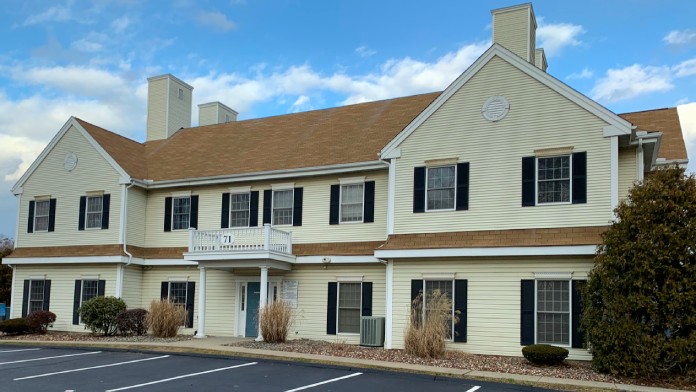
Recovery Services of Connecticut |
71 Bradley Rd Madison, CT 06443 |
Detox Service Setting
Inpatient DetoxOutpatient Detox
|
Levels Of Care
InpatientOutpatient
|

|
Rushford |
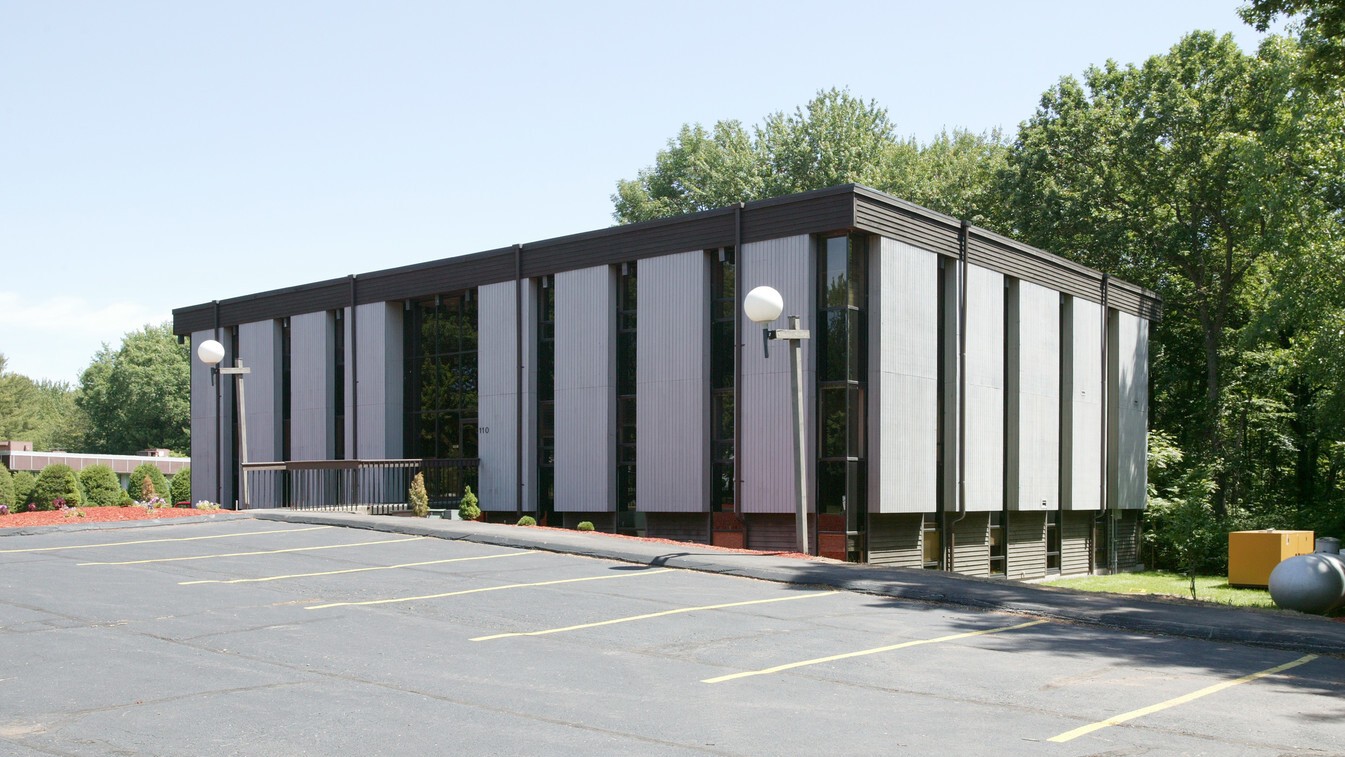
110 National Drive Glastonbury, CT 06033 |
Detox Service Setting
Outpatient DetoxInpatient DetoxMAT
|
Levels Of Care
OutpatientDual DiagnosisInpatient+2
|

|
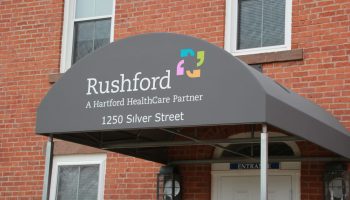
Rushford |
1250 Silver Street Middletown, CT 06457 |
Detox Service Setting
Outpatient DetoxMAT
|
Levels Of Care
OutpatientPHPDual Diagnosis
|
|
Silver Hill Hospital |
208 Valley Road New Canaan, CT 06840 |
Detox Service Setting
Inpatient DetoxOutpatient Detox
|
Levels Of Care
InpatientOutpatientAftercare+2
|

|
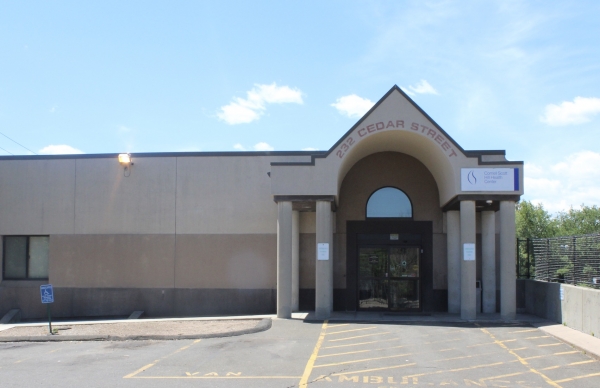
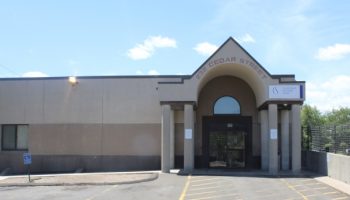
South Central Rehabilitation of 232 Cedar St New Haven, CT |
232 Cedar Street New Haven, CT 06519 |
Detox Service Setting
Inpatient DetoxOutpatient DetoxMAT+1
|
Levels Of Care
InpatientInpatient
|
|
Stonington Institute |
75 Swantown Hill Road North Stonington, CT 06359 |
Detox Service Setting
Inpatient DetoxOutpatient DetoxMAT
|
Levels Of Care
OutpatientPHPAftercare+3
|

|
Connecticut’s Opioid Services Division, established in 2018, coordinates opioid use disorder treatment, recovery support and harm reduction programs. Through State Opioid Response grants and Opioid Settlement Advisory Committee funding, it has made real progress against Connecticut’s overdose crisis.
Another important measure, taken in 2022, was joining a federal Medicaid waiver program, which expanded HUSKY Health coverage across the full continuum of substance use care, from ambulatory withdrawal management to inpatient services.
Together, these programs, along with other critical interventions, contributed to a 26% decline in the number of overdose deaths between 2023 and 2024.
Despite this progress, gaps remain, particularly in residential care for adolescents with substance use disorder. The state has struggled to find Medicaid-enrolled providers willing to operate 24-hour residential programs for teens, even after DMHAS raised reimbursement rates in mid-2025.
Substance use treatment in Connecticut is overseen by the Department of Mental Health and Addiction Services (DMHAS), which licenses and funds detox, residential and outpatient programs statewide. DMHAS also co-chairs the state’s Alcohol and Drug Policy Council alongside the Department of Children and Families, coordinating substance use priorities across state agencies.
Anyone choosing a detox center in Connecticut can confirm a provider’s licensing status directly through DMHAS.
The cost of detox in Connecticut varies by level of care and whether a facility is DMHAS-funded, private or hospital-based.
It is a good idea to review how insurance covers detox to help clarify what your plan will and will not pay for before you commit to a program.
Costs in Connecticut run above the national average. This is largely driven by the state’s higher cost of living and urban-centered treatment system, though pricing varies significantly by region and level of care.
The figures below are average full cash-pay rates before insurance, Medicaid or other assistance. Keep in mind that most people with coverage pay far less.
Residential rates are highest in Hartford and New Haven due to demand and limited bed availability. Outpatient pricing remains more consistent statewide because of broad insurance participation and HUSKY Health coverage.
Medicare covers substance use disorder treatment for eligible Connecticut residents, including inpatient detox, outpatient care, and counseling. Medicare Part B covers opioid use disorder treatment through enrolled opioid treatment programs, including methadone, buprenorphine and naltrexone. Connecticut residents who qualify for both Medicare and Medicaid can have their coverage coordinated with HUSKY Health.
HUSKY Health, Connecticut’s Medicaid program, is administered by the Department of Social Services. It covers substance use disorder treatment across the full continuum under a federal Section 1115 SUD waiver the state joined in 2022. Behavioral health claims are administered through Carelon, the state’s managed care partner.
Coverage spans ambulatory care, withdrawal management and inpatient services, with a prior authorization requirement for certain levels of SUD treatment using ASAM criteria.
Connecticut residents without insurance still have several paths to treatment:

DMHAS directly funds and operates addiction treatment across the state, with services organized by level of care and available regardless of insurance status for eligible residents.
These DMHAS-funded regional groups provide naloxone training and connect residents to local treatment and recovery resources.
Community-based harm reduction and treatment organizations across the state receive state and federal grant funding to serve low-income residents.
The Connecticut Opioid Settlement Advisory Committee distributes settlement dollars toward treatment access, harm reduction and workforce development statewide.
Detox and treatment programs in Connecticut are licensed and coordinated through several state bodies:
DMHAS is the primary state authority for licensing and funding addiction treatment programs in Connecticut, overseeing the full continuum from detox through recovery support services. More at portal.ct.gov/dmhas.
A legislatively mandated body co-chaired by DMHAS and the Department of Children and Families, the ADPC develops statewide recommendations on alcohol, tobacco and drug use priorities across all state agencies. More at portal.ct.gov/ADPC.
DSS administers HUSKY Health, Connecticut’s Medicaid program, including the federal SUD waiver that expanded coverage for withdrawal management and residential treatment services statewide. More at portal.ct.gov/dss.
Medication-assisted detox has expanded through the state’s opioid response initiatives. Licensed MAT programs, which are regulated at the federal and state level, use a mix of FDA-approved medications including:
Widely accessible through office-based prescribers and telehealth, with an estimated 30,000 Connecticut residents receiving buprenorphine treatment in recent years.
Available only through certified Opioid Treatment Programs, including mobile OTP units that have expanded access in underserved areas of the state.
Available by prescription from any qualified provider without special licensing, and covered under HUSKY Health.
Connecticut has built one of the more established harm reduction networks in New England. As a result, the state’s overdose numbers have declined for three consecutive years even as fentanyl remains involved in the large majority of deaths.
These numbers highlight the importance and efficacy of harm reduction programs, including:
In a recent year, CTHRA trained nearly 4,000 people to recognize and respond to overdoses, distributed more than 4,300 naloxone kits resulting in over 1,100 documented reversals, and dispensed more than 1.1 million sterile syringes statewide.
AIDS Connecticut operates a mobile syringe services van in Hartford five days a week, combining harm reduction supplies with HIV testing and direct referrals into treatment.
DMHAS supplies naloxone to emergency departments, first responders, treatment providers and harm reduction organizations statewide. It also oversees Connecticut’s Good Samaritan Law, which protects anyone who calls 911 during an overdose from arrest for possession.
Maintained by the Department of Public Health, SWORD tracks overdose trends in near real time, helping the state and local health departments respond quickly to emerging threats like new synthetic substances.
Connecticut’s overdose deaths have declined for three consecutive years, even as more potent substances continue to circulate in the drug supply.
Connecticut recorded 990 confirmed drug overdose deaths in 2024, down from 1,338 in 2023, a 26% decline. Source: Connecticut Department of Public Health, June 2025.
Approximately 76% of Connecticut’s overdose deaths in 2024 involved fentanyl. Source: Connecticut Department of Public Health, June 2025.
The Connecticut Harm Reduction Alliance dispensed more than 1.1 million sterile syringes and collected nearly 955,000 used syringes in a recent year. Source: Connecticut Harm Reduction Alliance.
You can contact DMHAS directly or a Regional Behavioral Health Action Organization (RBHAO) in your area to be connected with state-funded treatment options. Many DMHAS-funded providers offer services regardless of insurance status for eligible Connecticut residents.
Yes, for most adults. Under the state’s federal SUD waiver, HUSKY Health covers residential and inpatient substance use treatment. However, access to residential care for adolescents has been limited in recent years due to a shortage of Medicaid-enrolled providers offering that specific level of care.
Inpatient detox provides 24-hour medical supervision for higher-risk withdrawal, such as alcohol or benzodiazepines, while outpatient detox allows a person to continue living at home while attending scheduled treatment sessions. Outpatient care is the level most widely available through DMHAS-funded programs statewide.
Yes. HUSKY Health covers buprenorphine, methadone through certified Opioid Treatment Programs, and naltrexone. Connecticut has also expanded mobile OTP units to reach residents in areas without easy access to a fixed clinic location.
Call 911 and administer naloxone if you have it. Naloxone is available over the counter at most Connecticut pharmacies and free through harm reduction organizations like the Connecticut Harm Reduction Alliance. Connecticut’s Good Samaritan Law protects anyone who calls for help during an overdose from arrest for drug possession. Making the call can save a life.


Cary has more than three decades of nursing expertise as an LPN and holds a bachelor’s degree in Liberal Arts. She is also working toward a Master’s degree focused on public health policy. Her professional journey has been dedicated to addressing healthcare disparities for both adults and children.