615-581-7232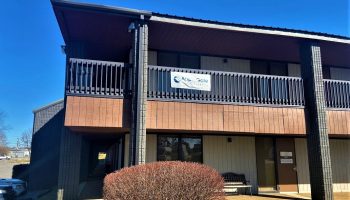












Nashville is Tennessee’s largest city and the seat of Davidson County, and the metro area has a broader range of detox and addiction treatment options than most of the state.
All detox and substance use disorder (SUD) treatment facilities operating in Nashville must hold an active license from the Tennessee Department of Mental Health and Substance Abuse Services (TDMHSAS), which sets clinical standards, staffing requirements and oversight rules for every level of care.
The Metro Nashville Public Health Department reinforces that oversight through its Overdose Response and Reduction Program, conducting real-time overdose surveillance and coordinating community-level responses to emerging drug threats.
One factor that shapes Nashville’s access picture is that Tennessee has not expanded Medicaid under the Affordable Care Act. TennCare coverage for detox comes with stricter income and eligibility requirements than in expansion states, which means a meaningful share of Nashville residents rely on safety-net providers, sliding-scale programs, or private insurance.
Therefore, understanding how to choose a detox center that aligns with your coverage level and clinical needs is an important early step in this market.
Nashville’s overdose crisis has spurred increased public investment in both treatment and harm reduction. Starting in 2024, Davidson County began distributing opioid abatement funds derived from national pharmaceutical settlements to local nonprofits offering naloxone, fentanyl test strips, and linkage-to-care services.
Polysubstance use involving fentanyl alongside cocaine and methamphetamine dominates local overdose data, and the detection of xylazine as an adulterant in the local supply has made medically supervised detox especially important for anyone managing opioid withdrawal in Nashville.