800-262-4205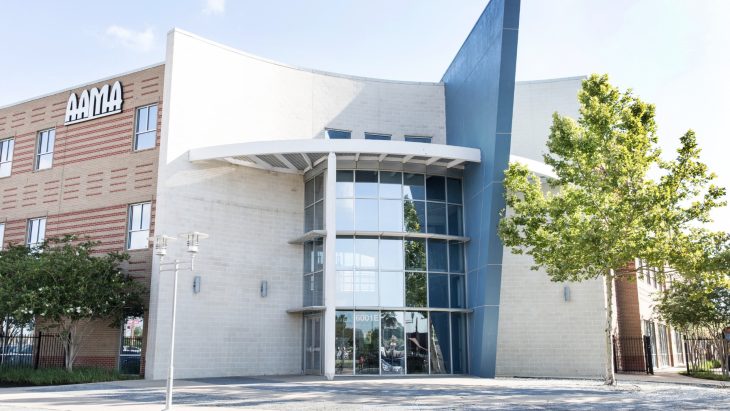
About AAMA Casa Phoenix
AAMA Casa Phoenix is an outpatient addiction treatment program in Houston, Texas, operated by the Association for the Advancement of Mexican Americans on Gulf Freeway. The program provides substance use disorder treatment for adolescents, young adults and adults, with a strong emphasis on family involvement and bilingual, culturally responsive care. Casa Phoenix combines evidence based outpatient services with community health initiatives, including SBIRT early intervention and HIV prevention, to support lasting recovery.
Outpatient Addiction Treatment Programs at AAMA Casa Phoenix
AAMA offers comprehensive outpatient substance use disorder treatment through two programs: Casa Phoenix for adolescents (ages 12–17) and transitional-aged youth (18–25), and Project Tejas for adults. Each program begins with a thorough assessment to identify treatment needs and develop an individualized recovery plan.
Clients participate in individual counseling, group therapy and family sessions designed to address the root causes of addiction, build coping skills and strengthen family relationships. AAMA also provides SBIRT services through the Buena Salud program, offering screening, brief interventions, and up to 20 treatment sessions. Relapse prevention education, recovery peer services and aftercare planning help clients maintain progress after completing outpatient treatment.
Key Features of AAMA Casa Phoenix
- Location: 6001 Gulf Freeway, Houston, Texas, with virtual sessions available for some services
- Programs offered: Outpatient treatment for adolescents, young adults and adults; SBIRT early intervention; HIV prevention services
- Who they treat: Adolescents (12–17), transitional-aged youth (18–25), adults and families or primary caregivers
- Approach: Bilingual (English and Spanish), culturally sensitive, age-appropriate care with family education and recovery peer support
- Payment options: Services provided without regard to ability to pay; accepts Medicaid, payment assistance and free treatment options
- Unique features: One of Houston’s largest substance use disorder treatment programs, offering integrated prevention, treatment and public health services
| Levels of Care | Detox Service Setting | Programs | Payment Options | ||
|---|---|---|---|---|---|
|
Inpatient and residential programs provide round-the-clock medical and emotional support as you live at the treatment facility. This level of care may be recommended if you have severe addictions or mental health conditions since it removes outside distractions and allows you to focus solely on therapy. |
Aftercare programs provide ongoing support after you complete a rehab program. They may include several components to help you maintain sobriety including therapy, community support groups and relapse prevention strategies. This gives you a network of resources as you reintegrate into your daily life. |
Dual diagnosis programs address substance use disorders and co-occurring mental health conditions simultaneously. This integrated approach to care improves the likelihood of long term recovery and stability by addressing the root causes of addiction. |
|||
|
Inpatient detox occurs in a dedicated treatment facility. You’ll live there around the clock and receive intensive medical support and supervision to help manage your withdrawal symptoms. It is suitable for individuals with moderate to severe addictions as it ensures a stable detox environment. |
|||||
|
Alcohol detox programs offer medical support to help individuals withdraw safely from alcohol. Your care team may use medications to ease your symptoms and provide medical monitoring to address complications.
|
Cognitive behavioral therapy focuses on changing harmful thought patterns and behaviors associated with addiction. You’ll learn healthier coping mechanisms by identifying and replacing negative thoughts. This improves your emotional resilience and decreases your relapse potential.
|
Men's programs address substance use while also considering the social pressures, family roles and mental health concerns that are specific to men. You’ll learn healthy coping mechanisms as you build emotional resilience and develop communication skills.
|
Opioid detox uses medications to ease severe withdrawal symptoms. It also includes medical supervision to help you manage potential complications. These services allow you to stabilize and begin a recovery plan.
|
Rational behavior therapy helps you identify irrational beliefs that contribute to an addiction. Challenging and modifying those beliefs helps you develop healthier attitudes and behaviors. This therapy supports long term sobriety and sustainable recovery.
|
Young adult programs are designed for individuals who are transitioning into adulthood. Topics of discussion typically include identity, independence and peer relationships. Providers may also offer life skills training and career support.
|
|
Payment Assistance
|
Free
|
Medicaid
|
Self Pay
|
Levels of Care
Inpatient and residential programs provide round-the-clock medical and emotional support as you live at the treatment facility. This level of care may be recommended if you have severe addictions or mental health conditions since it removes outside distractions and allows you to focus solely on therapy.
Aftercare programs provide ongoing support after you complete a rehab program. They may include several components to help you maintain sobriety including therapy, community support groups and relapse prevention strategies. This gives you a network of resources as you reintegrate into your daily life.
Dual diagnosis programs address substance use disorders and co-occurring mental health conditions simultaneously. This integrated approach to care improves the likelihood of long term recovery and stability by addressing the root causes of addiction.
Detox Service Setting
Inpatient detox occurs in a dedicated treatment facility. You’ll live there around the clock and receive intensive medical support and supervision to help manage your withdrawal symptoms. It is suitable for individuals with moderate to severe addictions as it ensures a stable detox environment.
Programs
Amenities
Accreditations

Contact



Maygen Brockway, MTC, lives in scenic Southern Utah and has over 10 years of editing and writing experience. She’s created content for the medical, wedding, fashion, and technical industries. She loves poetry and coffee, writing, and being a social butterfly and a mom.
Detox.com regularly reviews this listing for accuracy but changes may occur between updates. For the most up-to-date information, please contact AAMA Casa Phoenix.