800-262-4205
Burning Tree Programs

About Burning Tree Programs
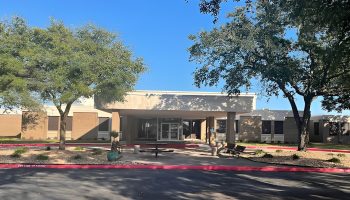
Burning Tree Programs is an addiction treatment center in Dallas, Texas that specializes in long term care for adults with chronic relapse histories.
Through Burning Tree Ranch in Kaufman and Burning Tree Lodge in Elgin, the organization treats substance use alongside trauma, mood disorders and anxiety, personality disorders and other conditions.
Burning Tree is family owned and has provided care for those who have completed prior treatment without maintaining lasting sobriety, since 1999.
Long Term Treatment for Chronic Relapse
The Ranch program is designed for chronic relapse and moves beyond fixed 30, 60 or 90 day formats.
Its four phase continuum can guide you from intensive residential programs into supportive housing and gender specific care with aftercare and independent living with continued accountability.
You can build life skills, identify relapse patterns and engage in case management and employment development as well as AA participation and recovery community involvement.
Therapies include cognitive behavioral therapy, dialectical behavior therapy and EMDR, equine therapy and twelve step immersion to blend evidence based and experiential care.
Dual Diagnosis and Trauma Informed Care
Burning Tree places strong emphasis on accurate dual diagnosis assessment and recognizes that you may have been misdiagnosed for years.
Their team distinguishes addiction related behaviors from conditions like bipolar disorder, depression and OCD, ADHD and PTSD.
Therapy and trauma focused care support this whole person approach.
Next Steps
Burning Tree Programs serves clients and families nationwide with residential campuses in Kaufman and Elgin and administrative offices in Dallas.
The organization accepts private pay and military insurance, and Burning Tree Lodge offers in network and insurance covered short term treatment.
| Levels of Care | Detox Service Setting | Programs | Payment Options |
|---|---|---|---|
|
Inpatient and residential programs provide round-the-clock medical and emotional support as you live at the treatment facility. This level of care may be recommended if you have severe addictions or mental health conditions since it removes outside distractions and allows you to focus solely on therapy. |
In outpatient therapy, you’ll attend therapy sessions several times each week while living at home. This is ideal if you have a strong support system and a lower risk of relapse. Outpatient treatment offers flexibility to maintain work, school or family obligations. |
||
|
Inpatient detox occurs in a dedicated treatment facility. You’ll live there around the clock and receive intensive medical support and supervision to help manage your withdrawal symptoms. It is suitable for individuals with moderate to severe addictions as it ensures a stable detox environment. |
Outpatient detox gives you access to medically supervised withdrawal services while still allowing you to live at home. You’ll attend a clinic for treatment and monitoring. This flexible option is suitable for those with mild to moderate withdrawal symptoms who have strong support systems. |
||
|
Alcohol detox programs offer medical support to help individuals withdraw safely from alcohol. Your care team may use medications to ease your symptoms and provide medical monitoring to address complications.
|
Drug detox programs support individuals who are withdrawing from addictive substances like cocaine and heroin. Medical support helps you manage symptoms in a controlled and safe environment so you can achieve initial sobriety.
|
||
|
Private Insurance
|
Self Pay
|
Levels of Care
Inpatient and residential programs provide round-the-clock medical and emotional support as you live at the treatment facility. This level of care may be recommended if you have severe addictions or mental health conditions since it removes outside distractions and allows you to focus solely on therapy.
In outpatient therapy, you’ll attend therapy sessions several times each week while living at home. This is ideal if you have a strong support system and a lower risk of relapse. Outpatient treatment offers flexibility to maintain work, school or family obligations.
Detox Service Setting
Inpatient detox occurs in a dedicated treatment facility. You’ll live there around the clock and receive intensive medical support and supervision to help manage your withdrawal symptoms. It is suitable for individuals with moderate to severe addictions as it ensures a stable detox environment.
Outpatient detox gives you access to medically supervised withdrawal services while still allowing you to live at home. You’ll attend a clinic for treatment and monitoring. This flexible option is suitable for those with mild to moderate withdrawal symptoms who have strong support systems.
Programs
Contact


Natalie is a recent Purdue University graduate where she studied Psychology and Creative Writing. She’s a fierce advocate for others and is committed to always showing up with a compassionate heart. She enjoys writing poetry, dancing, and playing piano in her free time.
Detox.com regularly reviews this listing for accuracy but changes may occur between updates. For the most up-to-date information, please contact Burning Tree Programs.