

 800-262-4205
East Texas Medical Center Behavioral Health Center



About East Texas Medical Center Behavioral Health Center
East Texas Medical Center Behavioral Health Center provides behavioral health and addiction recovery services for adults in Tyler, Texas. Their programs include medical detox, crisis stabilization, inpatient treatment, an intensive outpatient program (IOP), general outpatient programs and aftercare support. Specialized services are available for seniors and clients with co-occurring conditions.
The center provides standard and ambulatory medical detox services to help clients safely withdraw from opioids, alcohol and other substances while under supervision. A team of multi-disciplinary providers performs psychiatric evaluations upon admission to understand client symptoms and develop individualized treatment plans.
If clients require medication-assisted treatment to manage the physical pain of withdrawal, providers can administer FDA-approved addiction medications, including buprenorphine and naltrexone (Vivitrol) as necessary. These medications also help reduce drug cravings and minimize relapse risk.
Staff provide age-specific services to support clients at every stage of recovery. This includes designated inpatient units, where clients can receive short-term crisis intervention care, medication management, psychiatric support and therapeutic counseling. As clients transition into outpatient treatment, they can participate in individual, family and group therapy; neuropsychological evaluations; life-skills training; and similar programs.
Staff provide a complete continuum of post-recovery care with services that include referrals to other healthcare providers, transportation assistance, medication assistance and peer support groups.
East Texas Medical Center Behavioral Health Center accepts most commercial insurance plans including Aetna, BlueCross/BlueShield, Cigna, First Health, HealthFirst, HealthSmart and others. Check with your local provider to verify your coverage as out of network benefits may vary.
| Levels of Care | Detox Service Setting | Programs | Payment Options | Medications Offered | ||||
|---|---|---|---|---|---|---|---|---|
|
In outpatient therapy, you’ll attend therapy sessions several times each week while living at home. This is ideal if you have a strong support system and a lower risk of relapse. Outpatient treatment offers flexibility to maintain work, school or family obligations. |
Inpatient and residential programs provide round-the-clock medical and emotional support as you live at the treatment facility. This level of care may be recommended if you have severe addictions or mental health conditions since it removes outside distractions and allows you to focus solely on therapy. |
Intensive Outpatient
|
The Partial Hospitalization Program offers structured, intensive daytime treatment allowing patients to return home in the evenings while receiving comprehensive mental health and substance use care. |
|||||
|
Medication assisted treatment combines medication and counseling to manage withdrawal and reduce cravings for opioid and alcohol addiction. Medications may include methadone, buprenorphine or naltrexone. MAT is tailored to your needs so you can actively participate in your treatment journey. |
Hospital detoxification allows you to withdraw from drugs or alcohol in a hospital setting. It’s ideal for people with severe withdrawal symptoms or complex medical needs. You’ll receive constant monitoring, emergency care if needed and FDA approved prescription medications. |
Inpatient detox occurs in a dedicated treatment facility. You’ll live there around the clock and receive intensive medical support and supervision to help manage your withdrawal symptoms. It is suitable for individuals with moderate to severe addictions as it ensures a stable detox environment. |
The facility offers outpatient behavioral health and substance use services through its Intensive Outpatient Program and Partial Hospitalization Program for patients not requiring inpatient-level care. |
|||||
|
Adult programs address the substance use and life challenges specific to adults. Therapists can deliver sessions in individual, group and family settings. Services often include job support and life skills training in a structured environment.
|
Young adult programs are designed for individuals who are transitioning into adulthood. Topics of discussion typically include identity, independence and peer relationships. Providers may also offer life skills training and career support.
|
Women's programs offer a safe and supportive space to focus on gender specific issues such as trauma, family roles and mental health conditions. Therapists tailor the sessions to address women's needs and foster empowerment in a healing and nurturing environment.
|
Men's programs address substance use while also considering the social pressures, family roles and mental health concerns that are specific to men. You’ll learn healthy coping mechanisms as you build emotional resilience and develop communication skills.
|
Alcohol detox programs offer medical support to help individuals withdraw safely from alcohol. Your care team may use medications to ease your symptoms and provide medical monitoring to address complications. |
Drug detox programs support individuals who are withdrawing from addictive substances like cocaine and heroin. Medical support helps you manage symptoms in a controlled and safe environment so you can achieve initial sobriety. |
The adolescent program at East Texas Medical Center provides specialized treatment for teens facing depression, anxiety, trauma, and substance use disorders with age-appropriate therapeutic approaches. |
East Texas Medical Center treats opioid addiction through its specialized Chemical Dependency programs featuring individual counseling and structured group-based recovery support. |
Treatment at East Texas Medical Center includes evidence-based approaches with individualized treatment plans, group therapy, and education focused on recovery skills. |
|
Self Pay
|
Medicaid
|
Medicare
|
State Family Services
|
Private Insurance
|
||||
|
Buprenorphine
|
Naltrexone (Vivitrol)
|
Levels of Care
In outpatient therapy, you’ll attend therapy sessions several times each week while living at home. This is ideal if you have a strong support system and a lower risk of relapse. Outpatient treatment offers flexibility to maintain work, school or family obligations.
Inpatient and residential programs provide round-the-clock medical and emotional support as you live at the treatment facility. This level of care may be recommended if you have severe addictions or mental health conditions since it removes outside distractions and allows you to focus solely on therapy.
The Partial Hospitalization Program offers structured, intensive daytime treatment allowing patients to return home in the evenings while receiving comprehensive mental health and substance use care.
Detox Service Setting
Medication assisted treatment combines medication and counseling to manage withdrawal and reduce cravings for opioid and alcohol addiction. Medications may include methadone, buprenorphine or naltrexone. MAT is tailored to your needs so you can actively participate in your treatment journey.
Hospital detoxification allows you to withdraw from drugs or alcohol in a hospital setting. It’s ideal for people with severe withdrawal symptoms or complex medical needs. You’ll receive constant monitoring, emergency care if needed and FDA approved prescription medications.
Inpatient detox occurs in a dedicated treatment facility. You’ll live there around the clock and receive intensive medical support and supervision to help manage your withdrawal symptoms. It is suitable for individuals with moderate to severe addictions as it ensures a stable detox environment.
The facility offers outpatient behavioral health and substance use services through its Intensive Outpatient Program and Partial Hospitalization Program for patients not requiring inpatient-level care.
Programs
Alcohol detox programs offer medical support to help individuals withdraw safely from alcohol. Your care team may use medications to ease your symptoms and provide medical monitoring to address complications.
Drug detox programs support individuals who are withdrawing from addictive substances like cocaine and heroin. Medical support helps you manage symptoms in a controlled and safe environment so you can achieve initial sobriety.
The adolescent program at East Texas Medical Center provides specialized treatment for teens facing depression, anxiety, trauma, and substance use disorders with age-appropriate therapeutic approaches.
East Texas Medical Center treats opioid addiction through its specialized Chemical Dependency programs featuring individual counseling and structured group-based recovery support.
Treatment at East Texas Medical Center includes evidence-based approaches with individualized treatment plans, group therapy, and education focused on recovery skills.
Medications Offered
Amenities
Accreditations


Accepted Insurance


Contact


- Friday 6:45AM - 12AM


Courtney Myers writes and edits professionally from her home in North Carolina. She holds an MS in Technical Communication from N.C. State University and has worked in proposal management, marketing, and online content creation. She specializes in creating resources related to behavioral health and addiction recovery.
Detox.com regularly reviews this listing for accuracy but changes may occur between updates. For the most up-to-date information, please contact East Texas Medical Center Behavioral Health Center.
Nearby Detox Centers


Search by Texas Cities
FAQs
What detox programs does East Texas Medical Center Behavioral Health Center offer?
East Texas Medical Center Behavioral Health Center provides hospital-based inpatient detox for adults 18 and older. The facility offers alcohol detox and drug detox services in a medically supervised setting. Patients can transition to intensive outpatient or outpatient care after inpatient detox based on clinical needs.
Is medical detox available with 24/7 supervision at this Tyler facility?
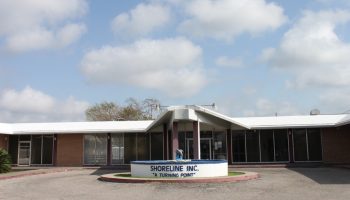
Yes, East Texas Medical Center Behavioral Health Center offers hospital-based inpatient detox with continuous medical supervision. The facility is located on the University Boulevard campus in Tyler and provides physician-directed care in a hospital setting designed for safe withdrawal management.
What insurance plans does East Texas Medical Center Behavioral Health Center accept?
The facility accepts Blue Cross Blue Shield, Cigna, Humana, UnitedHealth Group, Medicare, and Medicaid. Patients can also pay out-of-pocket. Insurance verification and payment options should be discussed during the intake process to determine individual coverage and financial responsibility.
What happens after inpatient detox at East Texas Medical Center?
After completing inpatient detox, patients at East Texas Medical Center Behavioral Health Center can step down to intensive outpatient (IOP) or outpatient programs based on clinical assessment. The facility offers these continued levels of care to support ongoing recovery and prevent relapse.
What amenities are available during inpatient detox at this facility?
East Texas Medical Center Behavioral Health Center provides private rooms, a fitness center, and a recreation room for inpatient detox patients. These amenities support both physical health and mental well-being during the withdrawal and stabilization process.