800-671-4304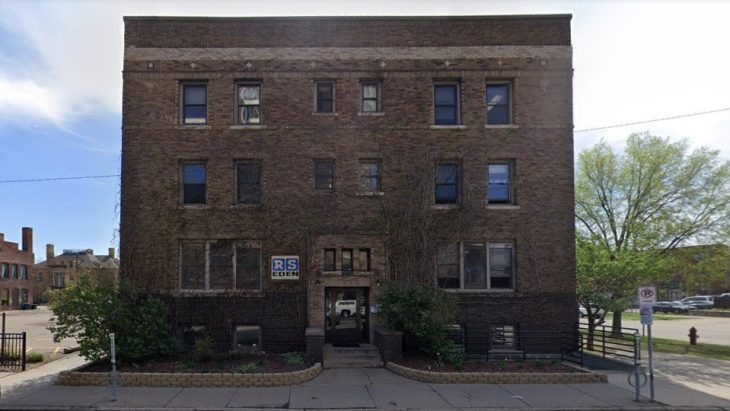
About Eden House
Eden House is a comprehensive addiction treatment center in Minneapolis, Minnesota offering a wide range of care for adults of all genders struggling with substance use disorders. Part of RS EDEN, a nonprofit organization serving the community since 1971, the fifty nine bed residential facility near downtown Minneapolis provides withdrawal management and residential treatment, intensive outpatient programs with lodging and community outpatient services.
Eden House uses a modified therapeutic community model that is trauma informed and gender affirming with specialized support for individuals with criminal justice involvement and families in recovery.
Addiction Treatment Programs at Eden House
Treatment often begins with withdrawal management and detox, supervised around the clock by nurses and trained medical staff for three to fourteen days, followed by a low stress transition into residential care.
Eden House is Minnesota’s only withdrawal management program embedded within a residential treatment center, eliminating gaps in care and ensuring clients move directly from detox into ongoing treatment within the same therapeutic community.
Residential and intensive outpatient programs include individual and group counseling, family and couples therapy, and evidence based modalities such as cognitive behavioral therapy, motivational interviewing and relapse prevention.
The facility is medication assisted treatment friendly, with medical staff supporting MAT and dual diagnosis. Gender specific programs. with an example being the women’s outpatient program, allow mothers to live on site and maintain custody of children up to age fourteen during treatment.
Quick Facts About Eden House
- Location: 1025 Portland Avenue South, near downtown Minneapolis and accessible by public transportation
- Levels of care: Detox and residential treatment, intensive outpatient with lodging and community outpatient services
- Who they treat: Adults of all genders, including those with criminal justice involvement, parents with children, pregnant women and individuals with dual diagnoses
- Approach: Modified therapeutic community model with trauma informed, gender affirming, person centered care and peer support
- Payment options: Medicaid, Medical Assistance and Medicare, MinnesotaCare and private insurance, sliding fee scale and self pay
- Amenities: Fifty nine bed facility with twenty four hour on site nursing, apartments for families in outpatient with lodging programs and comprehensive assessments for walk ins
- Aftercare and reentry: Supportive housing, reentry services for individuals exiting incarceration and partnerships with probation, parole and drug courts
| Levels of Care | Detox Service Setting | Programs | Payment Options | ||
|---|---|---|---|---|---|
|
Inpatient and residential programs provide round-the-clock medical and emotional support as you live at the treatment facility. This level of care may be recommended if you have severe addictions or mental health conditions since it removes outside distractions and allows you to focus solely on therapy. |
In outpatient therapy, you’ll attend therapy sessions several times each week while living at home. This is ideal if you have a strong support system and a lower risk of relapse. Outpatient treatment offers flexibility to maintain work, school or family obligations. |
Dual diagnosis programs address substance use disorders and co-occurring mental health conditions simultaneously. This integrated approach to care improves the likelihood of long term recovery and stability by addressing the root causes of addiction. |
Sober living homes provide a supportive and substance free environment for you to live in as you overcome your addiction. Residents must follow house rules and support each other's recovery journeys. Sober living fosters accountability and stability during this critical phase of recovery. |
||
|
Inpatient detox occurs in a dedicated treatment facility. You’ll live there around the clock and receive intensive medical support and supervision to help manage your withdrawal symptoms. It is suitable for individuals with moderate to severe addictions as it ensures a stable detox environment. |
Outpatient detox gives you access to medically supervised withdrawal services while still allowing you to live at home. You’ll attend a clinic for treatment and monitoring. This flexible option is suitable for those with mild to moderate withdrawal symptoms who have strong support systems. |
||||
|
Adult programs address the substance use and life challenges specific to adults. Therapists can deliver sessions in individual, group and family settings. Services often include job support and life skills training in a structured environment. |
Alcohol detox programs offer medical support to help individuals withdraw safely from alcohol. Your care team may use medications to ease your symptoms and provide medical monitoring to address complications. |
Drug detox programs support individuals who are withdrawing from addictive substances like cocaine and heroin. Medical support helps you manage symptoms in a controlled and safe environment so you can achieve initial sobriety. |
Men's programs address substance use while also considering the social pressures, family roles and mental health concerns that are specific to men. You’ll learn healthy coping mechanisms as you build emotional resilience and develop communication skills. |
Opioid detox uses medications to ease severe withdrawal symptoms. It also includes medical supervision to help you manage potential complications. These services allow you to stabilize and begin a recovery plan. |
Young adult programs are designed for individuals who are transitioning into adulthood. Topics of discussion typically include identity, independence and peer relationships. Providers may also offer life skills training and career support. |
|
Payment Assistance
|
Medicaid
|
Private Insurance
|
Self Pay
|
Levels of Care
Inpatient and residential programs provide round-the-clock medical and emotional support as you live at the treatment facility. This level of care may be recommended if you have severe addictions or mental health conditions since it removes outside distractions and allows you to focus solely on therapy.
In outpatient therapy, you’ll attend therapy sessions several times each week while living at home. This is ideal if you have a strong support system and a lower risk of relapse. Outpatient treatment offers flexibility to maintain work, school or family obligations.
Dual diagnosis programs address substance use disorders and co-occurring mental health conditions simultaneously. This integrated approach to care improves the likelihood of long term recovery and stability by addressing the root causes of addiction.
Sober living homes provide a supportive and substance free environment for you to live in as you overcome your addiction. Residents must follow house rules and support each other's recovery journeys. Sober living fosters accountability and stability during this critical phase of recovery.
Detox Service Setting
Inpatient detox occurs in a dedicated treatment facility. You’ll live there around the clock and receive intensive medical support and supervision to help manage your withdrawal symptoms. It is suitable for individuals with moderate to severe addictions as it ensures a stable detox environment.
Outpatient detox gives you access to medically supervised withdrawal services while still allowing you to live at home. You’ll attend a clinic for treatment and monitoring. This flexible option is suitable for those with mild to moderate withdrawal symptoms who have strong support systems.
Programs
Adult programs address the substance use and life challenges specific to adults. Therapists can deliver sessions in individual, group and family settings. Services often include job support and life skills training in a structured environment.
Alcohol detox programs offer medical support to help individuals withdraw safely from alcohol. Your care team may use medications to ease your symptoms and provide medical monitoring to address complications.
Drug detox programs support individuals who are withdrawing from addictive substances like cocaine and heroin. Medical support helps you manage symptoms in a controlled and safe environment so you can achieve initial sobriety.
Men's programs address substance use while also considering the social pressures, family roles and mental health concerns that are specific to men. You’ll learn healthy coping mechanisms as you build emotional resilience and develop communication skills.
Opioid detox uses medications to ease severe withdrawal symptoms. It also includes medical supervision to help you manage potential complications. These services allow you to stabilize and begin a recovery plan.
Young adult programs are designed for individuals who are transitioning into adulthood. Topics of discussion typically include identity, independence and peer relationships. Providers may also offer life skills training and career support.
Contact


Natalie is a recent Purdue University graduate where she studied Psychology and Creative Writing. She’s a fierce advocate for others and is committed to always showing up with a compassionate heart. She enjoys writing poetry, dancing, and playing piano in her free time.