

 609-798-0859

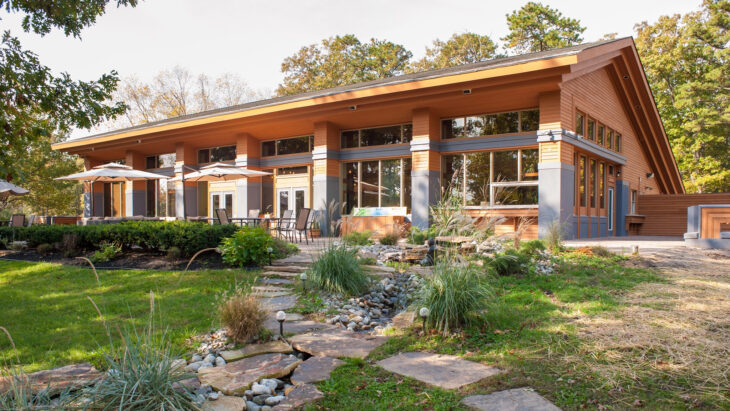


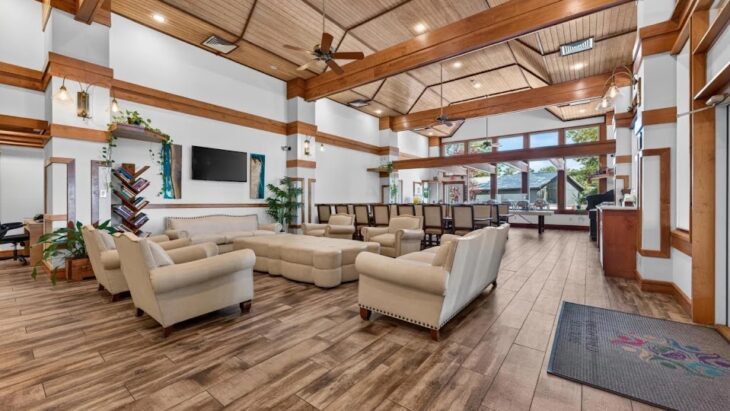







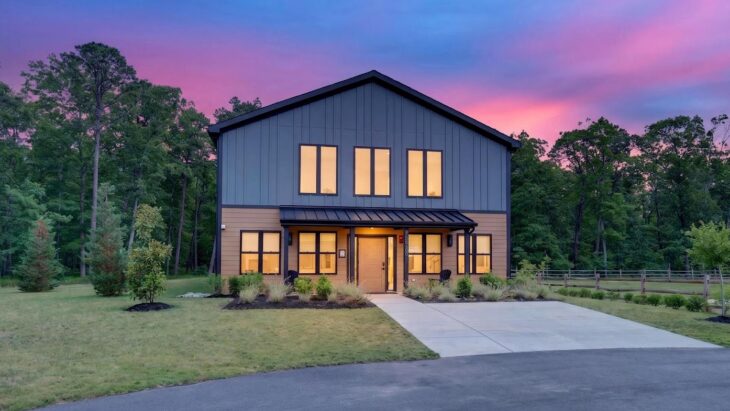



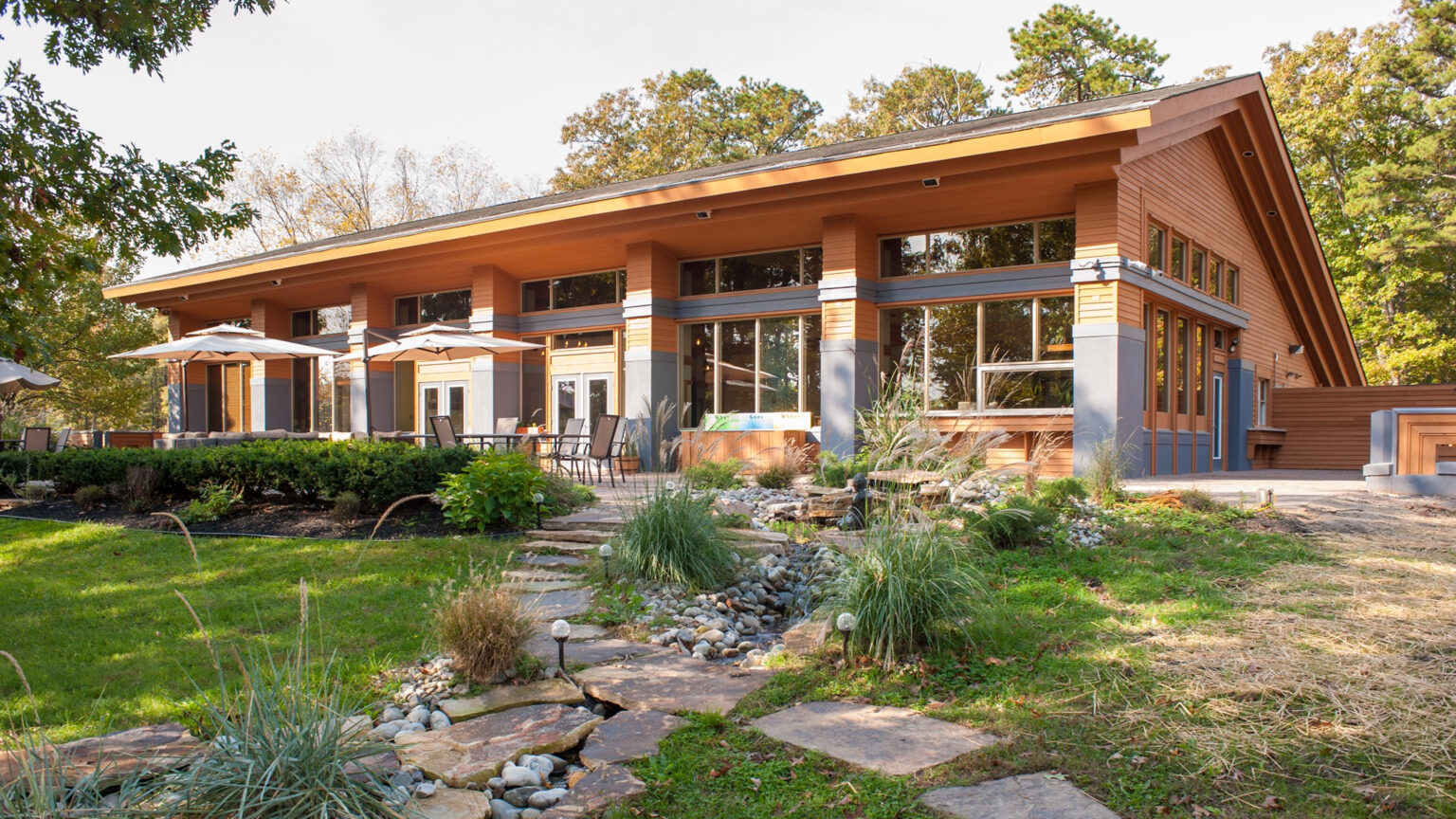
All photos
| Levels of Care | Programs | Payment Options | |||||
|---|---|---|---|---|---|---|---|
|
Inpatient and residential programs provide round-the-clock medical and emotional support as you live at the treatment facility. This level of care may be recommended if you have severe addictions or mental health conditions since it removes outside distractions and allows you to focus solely on therapy. |
In outpatient therapy, you’ll attend therapy sessions several times each week while living at home. This is ideal if you have a strong support system and a lower risk of relapse. Outpatient treatment offers flexibility to maintain work, school or family obligations. |
Partial hospitalization programs provide comprehensive treatment in a structured setting during the day but allow you to return home at night. These programs offer a balance of inpatient and outpatient rehab and provide intensive support without full time residency. |
Dual diagnosis programs address substance use disorders and co-occurring mental health conditions simultaneously. This integrated approach to care improves the likelihood of long term recovery and stability by addressing the root causes of addiction. |
Aftercare programs provide ongoing support after you complete a rehab program. They may include several components to help you maintain sobriety including therapy, community support groups and relapse prevention strategies. This gives you a network of resources as you reintegrate into your daily life. |
|||
|
Teenage programs are tailored to meet the unique developmental needs of adolescents. Programs often involve family therapy, school support and age appropriate counseling. Some of the topics you may discuss include life skills and healthy coping strategies.
|
Adult programs address the substance use and life challenges specific to adults. Therapists can deliver sessions in individual, group and family settings. Services often include job support and life skills training in a structured environment.
|
Young adult programs are designed for individuals who are transitioning into adulthood. Topics of discussion typically include identity, independence and peer relationships. Providers may also offer life skills training and career support.
|
Women's programs offer a safe and supportive space to focus on gender specific issues such as trauma, family roles and mental health conditions. Therapists tailor the sessions to address women's needs and foster empowerment in a healing and nurturing environment.
|
Men's programs address substance use while also considering the social pressures, family roles and mental health concerns that are specific to men. You’ll learn healthy coping mechanisms as you build emotional resilience and develop communication skills.
|
LGBTQ friendly programs create an inclusive and affirming space for recovery. Treatment is sensitive to issues like discrimination and stigma. You’ll receive support and therapy that respects and acknowledges your unique experiences.
|
Cognitive behavioral therapy focuses on changing harmful thought patterns and behaviors associated with addiction. You’ll learn healthier coping mechanisms by identifying and replacing negative thoughts. This improves your emotional resilience and decreases your relapse potential.
|
Exercise therapy incorporates physical activity into treatment to promote mental and physical health. Regular exercise reduces stress, boosts mood and enhances your overall wellbeing. This can give you a positive outlook and lower your relapse risk.
|
|
Self Pay
|
Private Insurance
|
Levels of Care
Inpatient and residential programs provide round-the-clock medical and emotional support as you live at the treatment facility. This level of care may be recommended if you have severe addictions or mental health conditions since it removes outside distractions and allows you to focus solely on therapy.
In outpatient therapy, you’ll attend therapy sessions several times each week while living at home. This is ideal if you have a strong support system and a lower risk of relapse. Outpatient treatment offers flexibility to maintain work, school or family obligations.
Partial hospitalization programs provide comprehensive treatment in a structured setting during the day but allow you to return home at night. These programs offer a balance of inpatient and outpatient rehab and provide intensive support without full time residency.
Dual diagnosis programs address substance use disorders and co-occurring mental health conditions simultaneously. This integrated approach to care improves the likelihood of long term recovery and stability by addressing the root causes of addiction.
Aftercare programs provide ongoing support after you complete a rehab program. They may include several components to help you maintain sobriety including therapy, community support groups and relapse prevention strategies. This gives you a network of resources as you reintegrate into your daily life.
Programs
Amenities
Accepted Insurance
Contact


Detox.com regularly reviews this listing for accuracy but changes may occur between updates. For the most up-to-date information, please contact Enlightened Recovery.