609-305-6492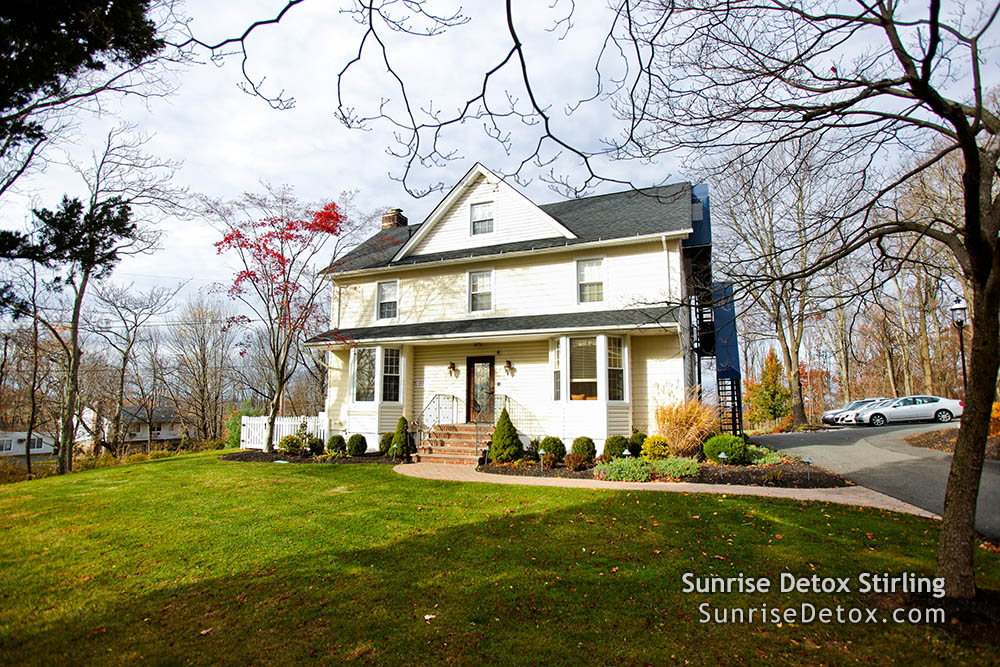
Sunrise Detox Stirling
Stirling, NJ
07980
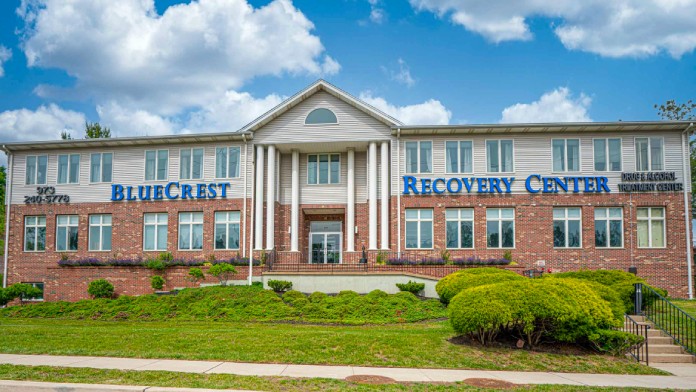
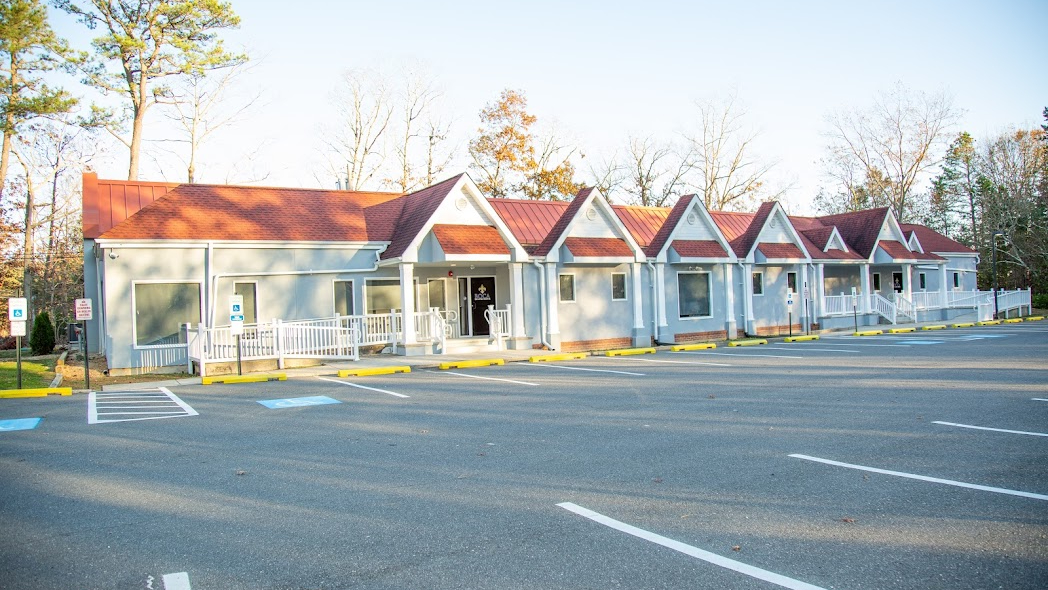
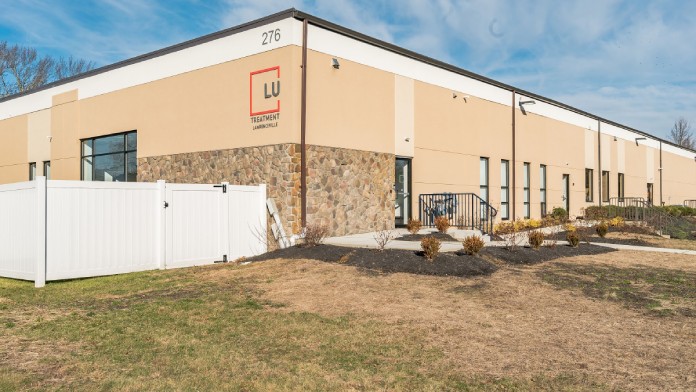
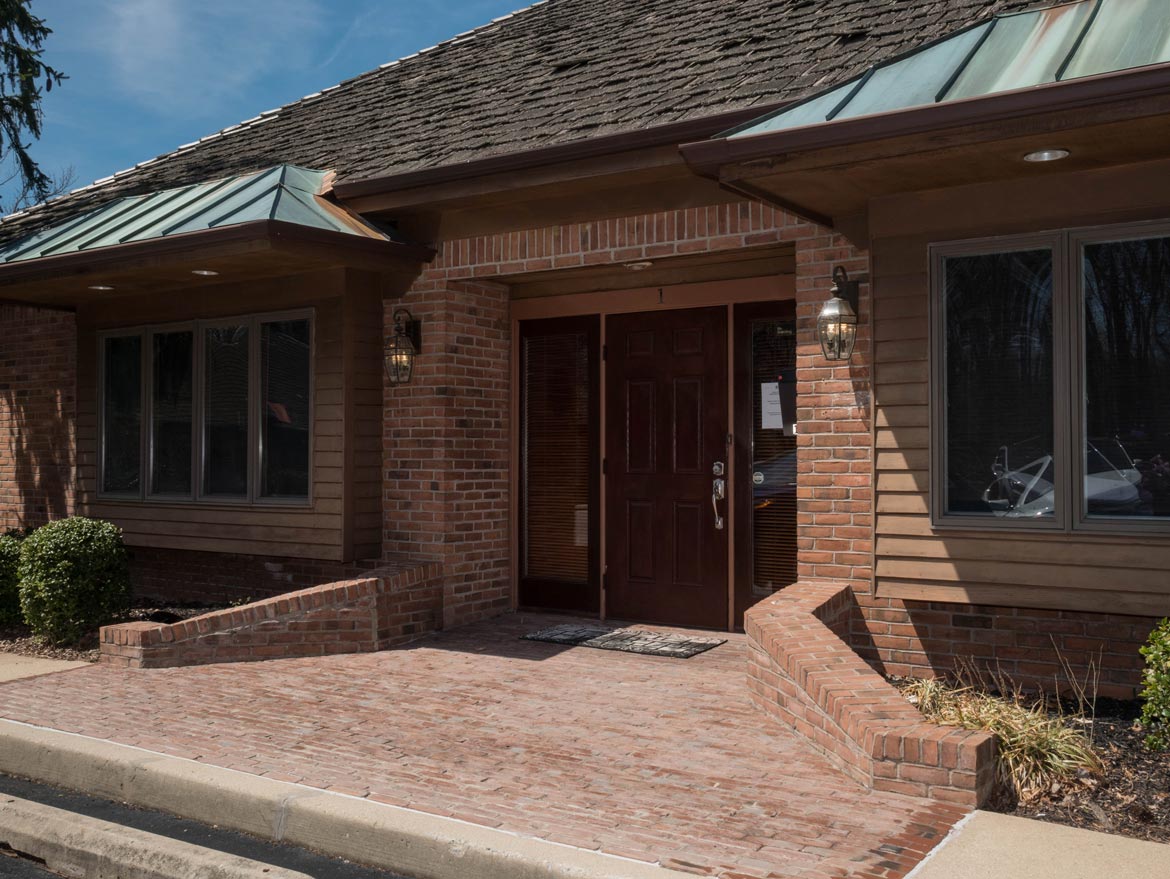
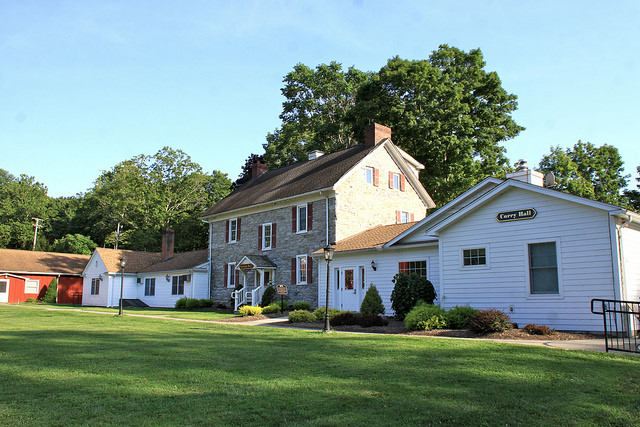
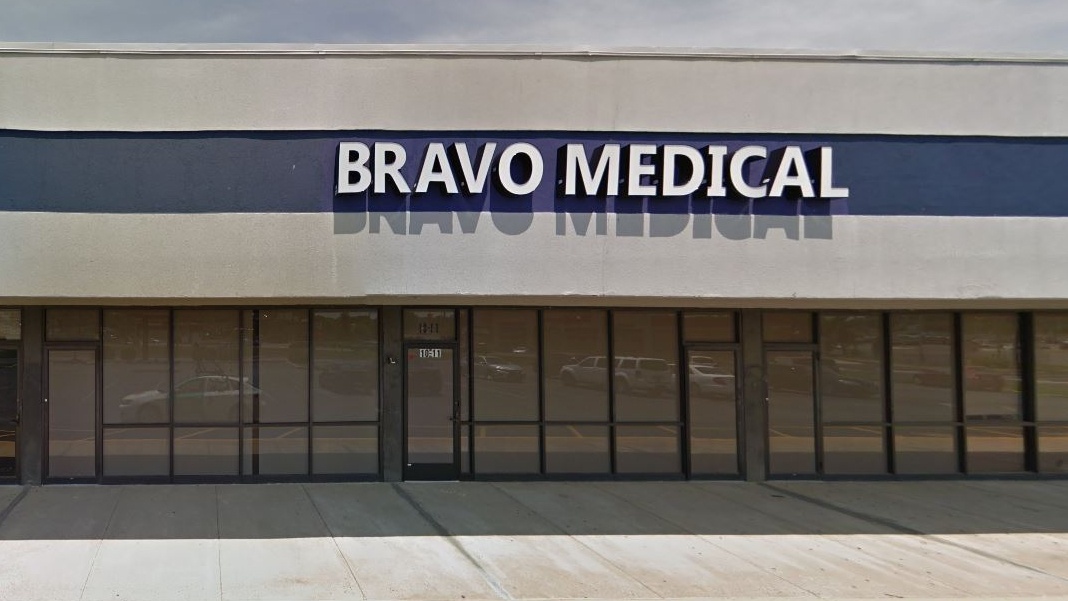
| Name | Address | Detox Service Setting | Levels Of Care | Media |
|---|---|---|---|---|
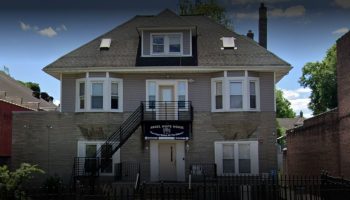
Angel Hope House |
800 Clinton Avenue Newark, NJ 07108 |
Detox Service Setting
Inpatient Detox
|
Levels Of Care
InpatientDual DiagnosisSober Living
|
|
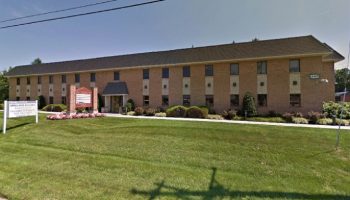
Mid-Atlantic Behavioral Health |
910 S Chapel St Newark, DE 19713 |
Detox Service Setting
Inpatient DetoxOutpatient Detox
|
Levels Of Care
InpatientOutpatient
|
|
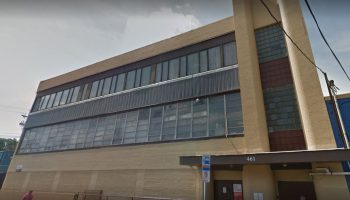
The Lennard Clinic Newark |
461 Frelinghuysen Avenue Newark, NJ 07114 |
Detox Service Setting
Outpatient Detox
|
Levels Of Care
OutpatientDual Diagnosis
|
|
American Habitare and Counseling Inc |
687 Frelinghuysen Avenue Newark, NJ 07114 |
Detox Service Setting
Outpatient DetoxMAT
|
Levels Of Care
InpatientOutpatient
|
|
University Behavioral Health Care at Newark |
183 S Orange Ave Newark, NJ 07103 |
Detox Service Setting
Inpatient DetoxOutpatient Detox
|
Levels Of Care
InpatientOutpatient
|
|
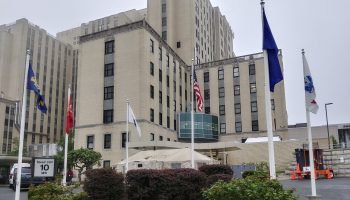
VA New Jersey Health Care System East Orange VA Medical Center |
385 Tremont Avenue East Orange, NJ 07018 |
Detox Service Setting
Inpatient DetoxOutpatient DetoxMAT
|
Levels Of Care
InpatientPHPOutpatient+4
|
|
North West Essex Community |
570 Belleville Avenue Belleville, NJ 07109 |
Detox Service Setting
Outpatient Detox
|
Levels Of Care
OutpatientDual Diagnosis
|

|
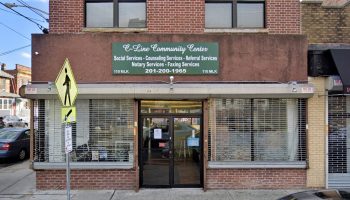
C Line Community Outreach |
110 Martin Luther King Drive Jersey City, NJ 07305 |
Detox Service Setting
Outpatient Detox
|
Levels Of Care
OutpatientDual Diagnosis
|
|
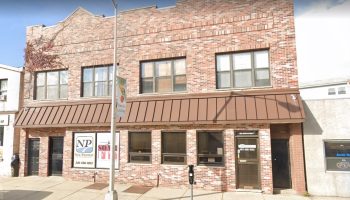
New Pathway Counseling Bayonne |
995 Broadway Bayonne, NJ 07002 |
Detox Service Setting
Outpatient Detox
|
Levels Of Care
OutpatientAftercareDual Diagnosis
|
|
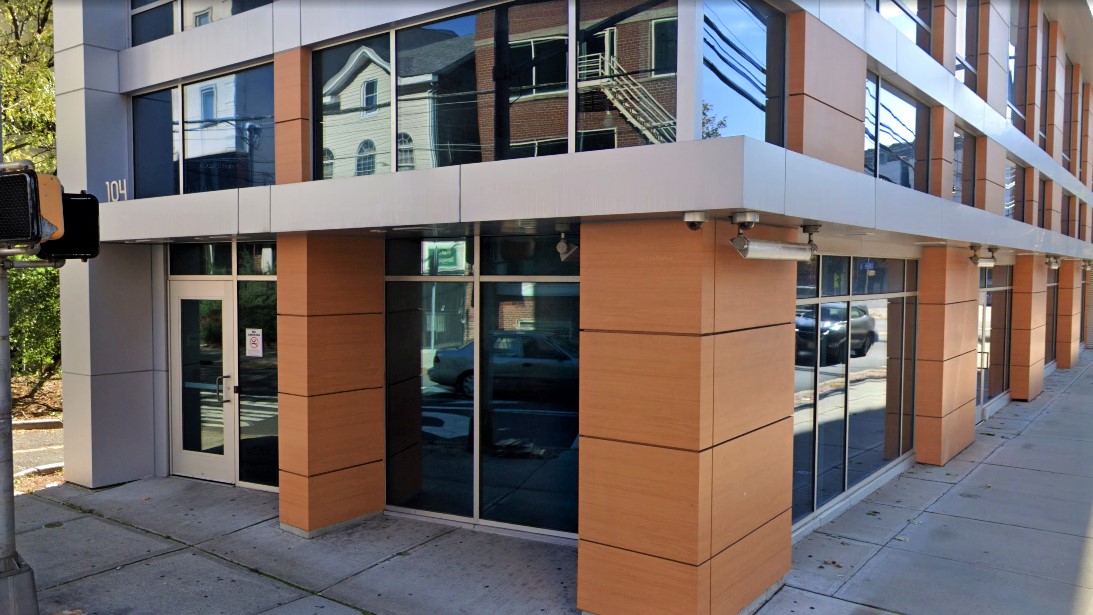
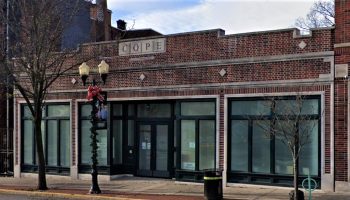
COPE Center |
104 Bloomfield Avenue Montclair, NJ 07042 |
Detox Service Setting
Outpatient DetoxMAT
|
Levels Of Care
OutpatientDual DiagnosisIntensive Outpatient
|
|
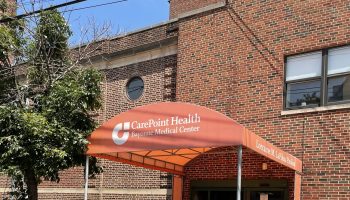
CarePointe Health Bayonne Medical Center |
29 East 29th Street Bayonne, NJ 07002 |
Detox Service Setting
Inpatient DetoxOutpatient Detox
|
Levels Of Care
AftercareDual DiagnosisInpatient+2
|
|
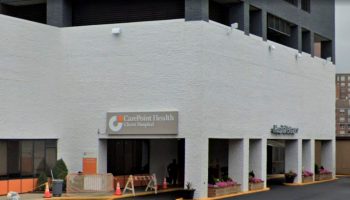
CarePoint Health Christ Hospital |
176 Palisade Avenue Jersey City, NJ 07306 |
Detox Service Setting
Inpatient DetoxOutpatient Detox
|
Levels Of Care
AftercareDual DiagnosisInpatient+2
|
|
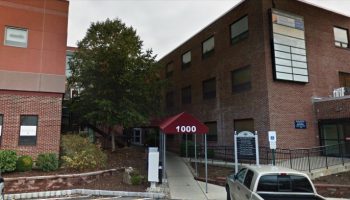
Serenity at Summit New Jersey |
1000 Galloping Hill Road Union, NJ 07083 |
Detox Service Setting
Inpatient DetoxMAT
|
Levels Of Care
InpatientPHPIntensive Outpatient+2
|
|
Serenity at Summit New Jersey |
1000 Galloping Hill Road Union, NJ 07083 |
Detox Service Setting
Inpatient DetoxOutpatient DetoxMAT
|
Levels Of Care
InpatientOutpatientPHP+2
|
|
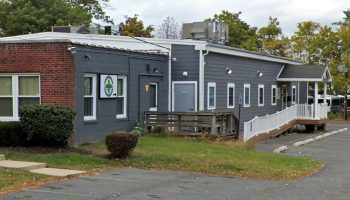
Suburban Health Clinic |
43 Progress Street Union, NJ 07083 |
Detox Service Setting
Outpatient Detox
|
Levels Of Care
OutpatientDual Diagnosis
|
|
Newark is the most populous city in New Jersey and sits in Essex County, which has recorded the highest number of drug overdose deaths of any county in the state for multiple consecutive years.
Essex County operates an addiction services program that provides intake screening, referrals and access to some subsidized treatment options for residents without private insurance.
State-contracted providers accept NJ FamilyCare and many offer sliding-scale fees based on income. Because publicly funded bed availability fluctuates, contacting the state’s 24/7 helpline at 1-844-REACHNJ (1-844-732-2465) before visiting a facility is strongly recommended.
The DMHAS Office of Licensing conducts regular inspections and enforces compliance with N.J.A.C. Title 10, which sets standards for residential detox, outpatient withdrawal management and licensed opioid treatment programs (OTPs).
Newark has been a central focus of recent statewide response efforts. In February 2024, Governor Murphy announced $95 million in opioid settlement funds to expand harm reduction services and treatment access across New Jersey, with a press event held at a Newark harm reduction center to signal the city’s ongoing urgency.
The funding supports expanded syringe access, naloxone distribution, 24/7 treatment referral services and transitional housing for people in recovery. Additionally, a 2024 expansion of New Jersey’s harm reduction law further decriminalized supplies distributed by state-authorized programs.
Understanding how to choose a detox center before reaching out can help you to narrow your options quickly and reduce delays at intake.
New Jersey has some of the strongest substance use disorder coverage laws in the country, which benefits people seeking detox in Newark. Understanding what your insurance covers and what low-cost alternatives exist can reduce the financial barriers to starting treatment.
The cost of detox in Newark depends on the level of medical supervision required, the length of stay and whether the program is provided in a hospital, residential facility or outpatient setting. Additionally, medication complexity and co-occurring mental health needs can increase the total.
These figures reflect New Jersey statewide averages, as Newark-specific cost data is not publicly reported separately.
New Jersey state law requires insurers to cover at least 180 days of substance use disorder treatment per year and prohibits prior authorization for the first 28 days of inpatient SUD treatment.
The New Jersey Department of Banking and Insurance (DOBI) actively enforces mental health parity requirements, and residents can file parity complaints if coverage is denied.
The six most common commercial insurers in the Newark market are:
Medicare covers substance use disorder treatment for eligible Newark residents, though its scope is narrower than NJ FamilyCare’s.
Medicare Part A covers medically necessary inpatient detox at a Medicare-certified hospital, including nursing care and medications administered during the stay, after the annual Part A deductible ($1,676 in 2025).
Part B covers outpatient services such as counseling, medication management, and care received through a Medicare-enrolled Opioid Treatment Program, typically at 20% coinsurance after the Part B deductible.
Part D plans may cover prescription medications used in withdrawal management and ongoing MAT.
NJ FamilyCare, the state’s Medicaid program, covers the full continuum of SUD treatment at zero cost to eligible members. Covered services include medically managed detox (ASAM Levels 3.7 and 4.0), residential treatment, intensive outpatient programs, medication-assisted treatment (including buprenorphine, methadone, and naltrexone) and recovery support services.
Adults ages 19 to 64 with household incomes up to 138% of the federal poverty level generally qualify.
NJ FamilyCare managed care organizations active in Essex County include Horizon NJ Health, Aetna Better Health, UnitedHealthcare Community Plan, Fidelis Care NJ and WellPoint.
Essex County’s addiction services programs provide intake and referral at no cost and can connect people to DMHAS-contracted providers with income-based sliding scales. As well, several Newark-area nonprofits accept individuals with no insurance or income.
Moreover, the state’s NJ Opioid Recovery and Remediation Fund, funded by pharmaceutical settlements, continues to channel money into free and low-barrier treatment options.
Veterans may qualify for SUD treatment through the VA New Jersey Health Care System, which operates outpatient programs in the Essex County area.
New Jersey’s regulatory framework for substance use disorder treatment is designed to ensure that licensed facilities meet consistent clinical and safety standards.
Three primary entities oversee the treatment environment in Newark:
The NJ Division of Mental Health and Addiction Services (DMHAS) is the state’s Single State Agency on substance abuse and the primary licensing authority for all detox and SUD treatment facilities.
DMHAS licenses programs by level of care under N.J.A.C. Title 10, Chapter 161B, and conducts inspections through its Office of Licensing. All facilities offering detox services must be DMHAS-licensed.
The NJ Department of Banking and Insurance (DOBI) enforces mental health parity requirements for state-regulated insurers. DOBI investigates complaints from individuals who are denied SUD coverage and can levy fines against insurers for parity violations.
Essex County Division on Addiction Services coordinates county-level screening, assessment and referral services. Residents without insurance or facing barriers to entering the private system can contact the county program as a first step toward treatment placement.
New Jersey law requires all DMHAS-licensed treatment programs to either provide medication-assisted treatment or maintain a formal referral pathway for it. Newark has several licensed OTPs.
The three FDA-approved MAT medications used in withdrawal management and ongoing treatment are:
Available through office-based prescribers and OTPs; widely used in Newark for opioid withdrawal management and long-term maintenance.
Dispensed daily through DMHAS-licensed OTPs; Newark has multiple active methadone programs. Methadone for OUD is not available by prescription through standard pharmacies.
Used after a medically supervised withdrawal period; injectable monthly form (Vivitrol) is covered by NJ FamilyCare and many private insurers.
Newark has one of the more active harm reduction networks in New Jersey, built in part through state investment and community-led programming. The city’s harm reduction organizations focus on naloxone distribution, syringe access, overdose response, and linkage to treatment for people who use drugs.
This is especially important, given the scale of fentanyl contamination in the local drug supply, as these services are a practical first point of contact for people not yet ready for formal detox.
NJCRI operates a state-authorized Harm Reduction Center at 393 Central Avenue, Newark, NJ 07103. Services include sterile syringe access, naloxone distribution and training, HIV and hepatitis C testing and counseling, safer-use supplies and direct referrals to treatment.
The NCST’s Overdose Response Team co-responds to overdose emergency calls in Newark alongside University Hospital EMS. Outreach workers revive individuals, provide naloxone and harm reduction education, and follow up with short-term care coordination. The team also works independently in the community five days a week.
Integrity House is a state-authorized harm reduction provider offering both a fixed site and mobile services in Newark and Elizabeth. Services include naloxone distribution, safer-use supplies, and connections to residential treatment programs.
The Coalition can connect people in Newark with naloxone and information about local harm reduction centers regardless of insurance status.
Essex County and New Jersey as a whole continue to grapple with one of the most severe overdose crises in the United States. The data below reflects recent trends in the region.
Essex County recorded 459 drug-related overdose deaths in 2023, the highest total of any county in New Jersey. This was a decrease from 495 deaths in 2022.
New Jersey recorded 2,778 unintentional drug overdose deaths in 2023, down from 3,171 in 2022. More than 2,300 of those deaths were opioid-related.
Between January 1 and July 31, 2024, naloxone was administered 6,598 times in New Jersey, reflecting expanded distribution through harm reduction centers, pharmacies, and law enforcement.
Contact the state’s 24/7 helpline at 1-844-REACHNJ (1-844-732-2465) to be connected with DMHAS-contracted facilities in Essex County that accept NJ FamilyCare.
Many Newark-area providers have enrollment specialists on staff who can verify coverage and help you begin the application process if you do not yet have Medicaid.
Yes. Essex County’s addiction services program provides intake screening and referrals at no cost, and several DMHAS-contracted nonprofit providers in the city accept individuals on a sliding-scale or no-cost basis depending on income.
The NJ FamilyCare enrollment process can sometimes be completed during the facility intake, allowing treatment to begin while the application is still pending.
During inpatient detox, clinical staff conduct a medical assessment at intake, monitor vital signs and withdrawal symptoms throughout the stay and manage symptoms with medications as appropriate.
Stays typically last three to seven days, depending on the substance and the severity of physical dependence. Discharge planning for the next level of care typically begins early in the process.
Yes. New Jersey law requires all licensed treatment programs to provide or refer for medication-assisted treatment and opioid use disorder is now commonly treated with continuation of buprenorphine or methadone rather than rapid withdrawal.
Several DMHAS-licensed OTPs in Newark can prescribe or dispense MAT medications in conjunction with counseling.
Detox addresses physical dependence but is not a standalone treatment for substance use disorder. Most clinical guidelines recommend transitioning directly from detox into a residential, partial hospitalization or intensive outpatient program.
Essex County has multiple step-down programs available, and DMHAS-contracted facilities are required to develop discharge and referral plans before the end of a detox stay.
Yes. Xylazine has been detected in a significant share of fentanyl samples across New Jersey, including in urban areas like Newark. Xylazine is not an opioid and is not reversed by naloxone, though naloxone should still be administered in an overdose because fentanyl is almost always present alongside it.
Wound care is an additional clinical concern for people with long-term xylazine exposure, and several Newark harm reduction centers now provide wound care supplies.