

 800-262-4205
High Point Partial Care

About High Point Partial Care
High Point Partial Care is located near the suburbs of Flemington, New Jersey. This is an outpatient clinic that provides both general and intensive outpatient (IOP) care for your mental health or substance use struggles.
Medication assisted treatment (MAT) is available here along with holistic approaches to recovery including cognitive behavioral therapy (CBT) and relapse prevention. There’s also art and music therapy, expressive journalism, and even team building exercises.
Clinical Support in a Welcoming Environment
You’ll get to work with a multidisciplinary team including masters level social workers, licensed counselors, and certified and licensed drug and alcohol counselors. MAT can help you manage your cravings and withdrawal symptoms.
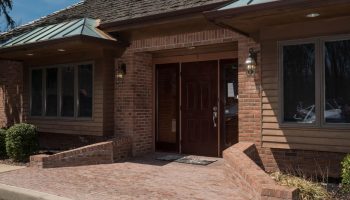
Meanwhile, you won’t feel like you’re in a clinical environment thanks to the inviting atmosphere. Breakfast and lunch are served through inpatient care, and I think it’s neat that transportation services are offered through your program too.
Individualized Care through Case Management
You’ll get the opportunity to work with a case manager who will ensure you get the appropriate clinical and therapeutic support. Whether it’s MAT for severe chemical addictions or specialty groups like grief counseling, illness management, or vocational services, your case manager will connect you to the appropriate care.
Flemington also has a few local attractions that can assist your recovery. There are greenspaces within driving distance, like Tuccamirgan Park, where you can unwind. Fitness centers are also close to the facility.
Support for Your Co-Occurring Conditions
Substance use struggles seldom happen alone, and High Point Partial Care, they can support you with any co-occurring mental health conditions you might be facing as well.
With individualized and group counseling, you’ll learn the strategies and techniques to help you manage triggers and difficult emotions you’re facing. From overcoming feelings of anxiety to addressing depression, traumatic experiences, and other circumstances that are impacting your mental health, you’ll find supportive care.
| Levels of Care | Detox Service Setting | Programs | Payment Options | |||
|---|---|---|---|---|---|---|
|
In outpatient therapy, you’ll attend therapy sessions several times each week while living at home. This is ideal if you have a strong support system and a lower risk of relapse. Outpatient treatment offers flexibility to maintain work, school or family obligations. |
Dual diagnosis programs address substance use disorders and co-occurring mental health conditions simultaneously. This integrated approach to care improves the likelihood of long term recovery and stability by addressing the root causes of addiction. |
High Point Partial Care’s Partial Hospitalization Program offers intensive, structured treatment during daytime hours while allowing clients to return home in the evenings, addressing substance use and co-occurring mental health disorders. |
The Intensive Outpatient Program provides a step down from PHP with fewer hours per week, continuing structured therapy and support while accommodating work, school, and family responsibilities. |
Aftercare planning and ongoing outpatient support are incorporated at High Point Partial Care to help maintain progress after completing a higher level of care. |
||
|
Outpatient detox gives you access to medically supervised withdrawal services while still allowing you to live at home. You’ll attend a clinic for treatment and monitoring. This flexible option is suitable for those with mild to moderate withdrawal symptoms who have strong support systems. |
||||||
|
Adult programs address the substance use and life challenges specific to adults. Therapists can deliver sessions in individual, group and family settings. Services often include job support and life skills training in a structured environment.
|
Alcohol detox programs offer medical support to help individuals withdraw safely from alcohol. Your care team may use medications to ease your symptoms and provide medical monitoring to address complications.
|
Men's programs address substance use while also considering the social pressures, family roles and mental health concerns that are specific to men. You’ll learn healthy coping mechanisms as you build emotional resilience and develop communication skills.
|
Opioid detox uses medications to ease severe withdrawal symptoms. It also includes medical supervision to help you manage potential complications. These services allow you to stabilize and begin a recovery plan.
|
Women's programs offer a safe and supportive space to focus on gender specific issues such as trauma, family roles and mental health conditions. Therapists tailor the sessions to address women's needs and foster empowerment in a healing and nurturing environment.
|
Young adult programs are designed for individuals who are transitioning into adulthood. Topics of discussion typically include identity, independence and peer relationships. Providers may also offer life skills training and career support.
|
CBT interventions are used at High Point Partial Care to identify and change unhelpful thoughts and behaviors related to substance use and mental health symptoms. |
|
Medicaid
|
Self Pay
|
Levels of Care
In outpatient therapy, you’ll attend therapy sessions several times each week while living at home. This is ideal if you have a strong support system and a lower risk of relapse. Outpatient treatment offers flexibility to maintain work, school or family obligations.
Dual diagnosis programs address substance use disorders and co-occurring mental health conditions simultaneously. This integrated approach to care improves the likelihood of long term recovery and stability by addressing the root causes of addiction.
High Point Partial Care’s Partial Hospitalization Program offers intensive, structured treatment during daytime hours while allowing clients to return home in the evenings, addressing substance use and co-occurring mental health disorders.
The Intensive Outpatient Program provides a step down from PHP with fewer hours per week, continuing structured therapy and support while accommodating work, school, and family responsibilities.
Aftercare planning and ongoing outpatient support are incorporated at High Point Partial Care to help maintain progress after completing a higher level of care.
Detox Service Setting
Outpatient detox gives you access to medically supervised withdrawal services while still allowing you to live at home. You’ll attend a clinic for treatment and monitoring. This flexible option is suitable for those with mild to moderate withdrawal symptoms who have strong support systems.
Programs
CBT interventions are used at High Point Partial Care to identify and change unhelpful thoughts and behaviors related to substance use and mental health symptoms.
Contact


- Monday 8AM - 4:30PM
- Tuesday 8AM - 4:30PM
- Wednesday 8AM - 4:30PM
- Thursday 8AM - 4:30PM
- Friday 8AM - 4:30PM

Nadia holds a Master’s in Secondary Education and serves secondary ed. students and their families through the Shenandoah Valley. When she’s not working with students, Nadia is a contributing writer at LawCommentary.com, offering legal insight into laws, regulations, and accountability concerning the national opioid epidemic.

Peter W.Y. Lee is a historian with a focus in American Cold War culture. He has examined how popular culture has served as a coping mechanism for the challenges and changes impacting American society throughout the twentieth century.
Detox.com regularly reviews this listing for accuracy but changes may occur between updates. For the most up-to-date information, please contact High Point Partial Care.
Nearby Detox Centers


Search by New Jersey Cities
FAQs
What levels of care does High Point Partial Care offer for substance use treatment?
High Point Partial Care in Flemington, NJ offers Partial Hospitalization Program (PHP) and Intensive Outpatient Program (IOP). PHP provides intensive, structured treatment during the day while clients return home in the evenings. IOP offers a step-down option with fewer hours per week, designed for individuals who need ongoing support while maintaining work, school, or family responsibilities.
How does High Point Partial Care treat co-occurring substance use and mental health disorders?
The facility’s Co-Occurring Disorders Program addresses both addiction and underlying mental health conditions like depression, anxiety, and trauma. Treatment combines group therapy, individual counseling, and family sessions with evidence-based approaches including CBT and DBT skills groups to help clients manage psychiatric symptoms while building recovery skills.
What therapy methods are used in High Point Partial Care's substance use programming?
High Point Partial Care uses group therapy as the foundation of treatment, supplemented by individual counseling and family sessions. The facility employs Cognitive Behavioral Therapy (CBT) to address unhelpful thoughts and behaviors, and Dialectical Behavior Therapy (DBT) skills groups to improve emotion regulation, distress tolerance, and interpersonal effectiveness.
Does High Point Partial Care offer specialty groups for specific recovery needs?
Yes, the facility offers specialized groups addressing anger management, anxiety, depression, family dynamics, grief and loss, life skills, relapse prevention, self-esteem, stress management, and trauma/PTSD. These groups help clients develop targeted coping skills and peer support tailored to their specific recovery needs.
What substances does High Point Partial Care provide treatment for?
High Point Partial Care treats substance use disorders involving alcohol, opioids, and other drugs. The facility’s Substance Use Disorder Program provides structured outpatient care designed to help individuals struggling with addiction to these substances begin recovery and build skills to maintain sobriety.
Does High Point Partial Care offer aftercare planning after completing treatment?
Yes, aftercare planning and ongoing outpatient support are incorporated into treatment to help maintain progress after clients complete a higher level of care. The facility emphasizes relapse prevention and provides structured support to help individuals sustain recovery following their enrollment.