800-262-4205
Rolling Hills Recovery Center New Jersey Drug & Alcohol Rehab

About Rolling Hills Recovery Center New Jersey Drug & Alcohol Rehab
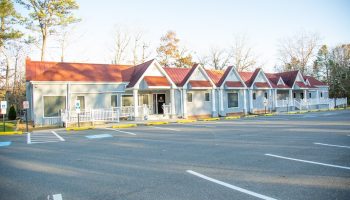
Rolling Hills Recovery Center is a drug and alcohol rehab in Chester, New Jersey.
The center provides Partial Hospitalization (PHP), Intensive Outpatient (IOP) and standard outpatient programs, with dedicated tracks for veterans, first responders and healthcare professionals.
Rolling Hills emphasizes personalized, trauma informed, evidence based and holistic care.
ASAM-Informed Addiction Treatment Programs
Clients begin treatment with an ASAM-informed clinical assessment to determine the right level of care.
Clients may start in the partial hospitalization program, with group therapy five hours a day, six days a week, which includes detox option and safe withdrawal care.
Clients can expect individual, group and family therapy alongside CBT, DBT, medication management and relapse prevention.
Rolling Hills also combines holistic and experiential options into everyday therapy.
They offer these holisitic practices to support whole person healing: yoga, art, music, recreational and equine therapy.
Quick Facts: Rolling Hills Recovery Center
- Location: 425 Main St, Chester, in the secluded hills of Northern New Jersey
- Levels of care: PHP, IOP and standard outpatient programs
- Who they treat: Adults with substance use and co occurring disorders, including veterans, first responders and healthcare professionals
- Approach: Evidence based, trauma informed care with CBT, DBT, family involvement and holistic therapies
- Payment options: Most major insurers, Medicaid, Medicare and self pay with free insurance verification
- Amenities: Group rooms, music and art rooms, yoga and massage spaces, on site nutrition and nearby nature hikes
| Levels of Care | Programs | |||||
|---|---|---|---|---|---|---|
|
Inpatient and residential programs provide round-the-clock medical and emotional support as you live at the treatment facility. This level of care may be recommended if you have severe addictions or mental health conditions since it removes outside distractions and allows you to focus solely on therapy. |
In outpatient therapy, you’ll attend therapy sessions several times each week while living at home. This is ideal if you have a strong support system and a lower risk of relapse. Outpatient treatment offers flexibility to maintain work, school or family obligations. |
Intensive Outpatient
|
Sober living homes provide a supportive and substance free environment for you to live in as you overcome your addiction. Residents must follow house rules and support each other’s recovery journeys. Sober living fosters accountability and stability during this critical phase of recovery. |
|||
|
Cognitive behavioral therapy focuses on changing harmful thought patterns and behaviors associated with addiction. You’ll learn healthier coping mechanisms by identifying and replacing negative thoughts. This improves your emotional resilience and decreases your relapse potential.
|
Adult programs address the substance use and life challenges specific to adults. Therapists can deliver sessions in individual, group and family settings. Services often include job support and life skills training in a structured environment.
|
Alcohol detox programs offer medical support to help individuals withdraw safely from alcohol. Your care team may use medications to ease your symptoms and provide medical monitoring to address complications.
|
Opioid detox uses medications to ease severe withdrawal symptoms. It also includes medical supervision to help you manage potential complications. These services allow you to stabilize and begin a recovery plan.
|
Drug detox programs support individuals who are withdrawing from addictive substances like cocaine and heroin. Medical support helps you manage symptoms in a controlled and safe environment so you can achieve initial sobriety.
|
EMDR stands for eye movement desensitization and reprocessing therapy. It helps you process traumatic memories that may underlie addiction. You’ll learn how to reduce emotional distress and begin healing from past events. This makes it effective for trauma related addiction causes.
|
Animal therapy uses interactions with animals such as dogs or horses as part of treatment. You’ll learn to develop trust, lower your anxiety levels and regulate your emotions. This provides comfort and a sense of companionship during the recovery journey.
|
Levels of Care
Inpatient and residential programs provide round-the-clock medical and emotional support as you live at the treatment facility. This level of care may be recommended if you have severe addictions or mental health conditions since it removes outside distractions and allows you to focus solely on therapy.
In outpatient therapy, you’ll attend therapy sessions several times each week while living at home. This is ideal if you have a strong support system and a lower risk of relapse. Outpatient treatment offers flexibility to maintain work, school or family obligations.
Sober living homes provide a supportive and substance free environment for you to live in as you overcome your addiction. Residents must follow house rules and support each other’s recovery journeys. Sober living fosters accountability and stability during this critical phase of recovery.
Programs
Amenities
Accepted Insurance
Contact



Maygen Brockway, MTC, lives in scenic Southern Utah and has over 10 years of editing and writing experience. She’s created content for the medical, wedding, fashion, and technical industries. She loves poetry and coffee, writing, and being a social butterfly and a mom.
Detox.com regularly reviews this listing for accuracy but changes may occur between updates. For the most up-to-date information, please contact Rolling Hills Recovery Center New Jersey Drug & Alcohol Rehab.