800-262-4205
South Texas VA Health Care System Seguin VA Clinic
About South Texas VA Health Care System Seguin VA Clinic
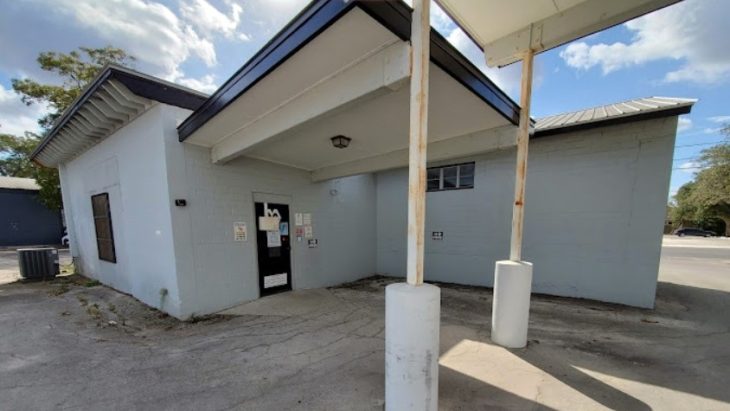
The South Texas VA Health Care System’s Seguin VA Clinic shuttered back in 2023. They primarily provided primary care services including lab testing and x-rays. Their addiction treatment services included counseling for veterans and their families and medications to manage cravings or co-occurring mental health conditions. They were based in Seguin, Texas.
Primary Care in Your Community
The VA Clinics were created in 1997 to give veterans access to quality primary care services without needing to travel for hours. STVHCS was close to home and in a central part of town – a few blocks away from the small but beautiful Central Park.
Support for Co-Occurring Disorders
They offered same-day appointments for mental health, which often overlaps with substance use disorder. These sessions all approached healing from a veteran angle, including helpful tips for managing PTSD symptoms or grief.
Clients with acute conditions and needed detox or medication assisted treatment (MAT) could go to medical centers within the VA network. The VA site in New Braunfels has expanded services that can assist veterans and their families.
Peer Support from Other Veterans
One thing neat about the VA clinics is that their peer support services are provided by veterans, for veterans. You’d pair up with someone who’s walked a similar sobriety journey who understands the way addiction impacts a veteran. They gave insightful advice and were a supportive shoulder to lean on during times of temptation.
| Levels of Care | Detox Service Setting | Programs | Payment Options | ||||
|---|---|---|---|---|---|---|---|
|
Inpatient and residential programs provide round-the-clock medical and emotional support as you live at the treatment facility. This level of care may be recommended if you have severe addictions or mental health conditions since it removes outside distractions and allows you to focus solely on therapy. |
In outpatient therapy, you’ll attend therapy sessions several times each week while living at home. This is ideal if you have a strong support system and a lower risk of relapse. Outpatient treatment offers flexibility to maintain work, school or family obligations. |
Aftercare programs provide ongoing support after you complete a rehab program. They may include several components to help you maintain sobriety including therapy, community support groups and relapse prevention strategies. This gives you a network of resources as you reintegrate into your daily life. |
Dual diagnosis programs address substance use disorders and co-occurring mental health conditions simultaneously. This integrated approach to care improves the likelihood of long term recovery and stability by addressing the root causes of addiction. |
||||
|
Inpatient detox occurs in a dedicated treatment facility. You’ll live there around the clock and receive intensive medical support and supervision to help manage your withdrawal symptoms. It is suitable for individuals with moderate to severe addictions as it ensures a stable detox environment. |
Outpatient detox gives you access to medically supervised withdrawal services while still allowing you to live at home. You’ll attend a clinic for treatment and monitoring. This flexible option is suitable for those with mild to moderate withdrawal symptoms who have strong support systems. |
||||||
|
Adult programs address the substance use and life challenges specific to adults. Therapists can deliver sessions in individual, group and family settings. Services often include job support and life skills training in a structured environment.
|
Cognitive behavioral therapy focuses on changing harmful thought patterns and behaviors associated with addiction. You’ll learn healthier coping mechanisms by identifying and replacing negative thoughts. This improves your emotional resilience and decreases your relapse potential.
|
LGBTQ friendly programs create an inclusive and affirming space for recovery. Treatment is sensitive to issues like discrimination and stigma. You’ll receive support and therapy that respects and acknowledges your unique experiences.
|
Men's programs address substance use while also considering the social pressures, family roles and mental health concerns that are specific to men. You’ll learn healthy coping mechanisms as you build emotional resilience and develop communication skills.
|
Military and veteran programs offer specialized support for clients who served in the armed services. Programs focus on reintegration and healing within a structured and supportive environment that acknowledges the unique struggles of military life.
|
Senior programs address the unique needs of older adults like chronic pain, grief and isolation. Programs include peer support and medical oversight for age related health concerns. The goal is to improve quality of life and promote sober aging.
|
Women's programs offer a safe and supportive space to focus on gender specific issues such as trauma, family roles and mental health conditions. Therapists tailor the sessions to address women's needs and foster empowerment in a healing and nurturing environment.
|
Young adult programs are designed for individuals who are transitioning into adulthood. Topics of discussion typically include identity, independence and peer relationships. Providers may also offer life skills training and career support.
|
|
Payment Assistance
|
Medicaid
|
Medicare
|
Military Insurance
|
Private Insurance
|
Self Pay
|
Levels of Care
Inpatient and residential programs provide round-the-clock medical and emotional support as you live at the treatment facility. This level of care may be recommended if you have severe addictions or mental health conditions since it removes outside distractions and allows you to focus solely on therapy.
In outpatient therapy, you’ll attend therapy sessions several times each week while living at home. This is ideal if you have a strong support system and a lower risk of relapse. Outpatient treatment offers flexibility to maintain work, school or family obligations.
Aftercare programs provide ongoing support after you complete a rehab program. They may include several components to help you maintain sobriety including therapy, community support groups and relapse prevention strategies. This gives you a network of resources as you reintegrate into your daily life.
Dual diagnosis programs address substance use disorders and co-occurring mental health conditions simultaneously. This integrated approach to care improves the likelihood of long term recovery and stability by addressing the root causes of addiction.
Detox Service Setting
Inpatient detox occurs in a dedicated treatment facility. You’ll live there around the clock and receive intensive medical support and supervision to help manage your withdrawal symptoms. It is suitable for individuals with moderate to severe addictions as it ensures a stable detox environment.
Outpatient detox gives you access to medically supervised withdrawal services while still allowing you to live at home. You’ll attend a clinic for treatment and monitoring. This flexible option is suitable for those with mild to moderate withdrawal symptoms who have strong support systems.
Programs
Accreditations

Accepted Insurance
Contact



Hayley’s love of writing started with exploring the wondrous world of Narnia and slowly grew into a desire to help others through practical, accessible narratives. She writes about detox to bridge the gap between the lost, who aren’t sure where to turn, and the people willing and able to help them.

Peter W.Y. Lee is a historian with a focus in American Cold War culture. He has examined how popular culture has served as a coping mechanism for the challenges and changes impacting American society throughout the twentieth century.
Detox.com regularly reviews this listing for accuracy but changes may occur between updates. For the most up-to-date information, please contact South Texas VA Health Care System Seguin VA Clinic.