Find Drug & Alcohol Detox Centers in Chattanooga, TN

Detox Centers in Chattanooga

15 Results
Filters
Setting
Medications Offered
Treatment
Programs
Payment Options
Name Address Detox Service Setting Levels Of Care Media

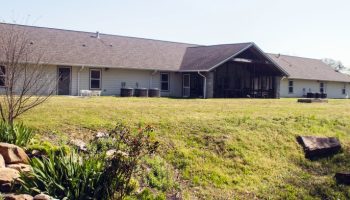
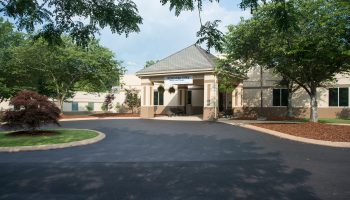
Adult & Teen Challenge MidSouth

1108 W 33rd St Chattanooga, TN 37410
Detox Service Setting
Inpatient DetoxOutpatient Detox
Levels Of Care
InpatientOutpatient
Adult & Teen Challenge MidSouth

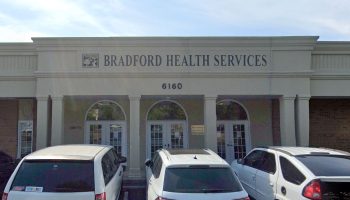
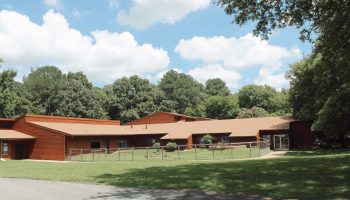
Bradford Health Services Chattanooga

6160 Shallowford Road Chattanooga, TN 37421
Detox Service Setting
Outpatient Detox
Levels Of Care
OutpatientDual Diagnosis
Bradford Health Services Chattanooga

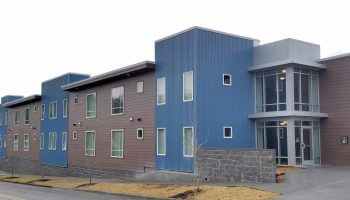
Cadas Rehab

207 Spears Avenue Chattanooga, TN 37405
Detox Service Setting
Inpatient DetoxOutpatient DetoxMAT
Levels Of Care
InpatientOutpatientSober Living
Cadas Rehab

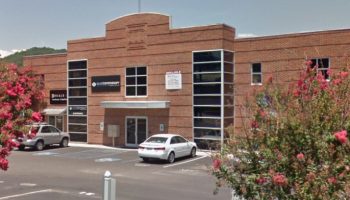
Chattanooga Recovery Center

13 W Kent St Chattanooga, TN 37405
Detox Service Setting
Inpatient DetoxOutpatient Detox
Levels Of Care
InpatientOutpatient
Chattanooga Recovery Center

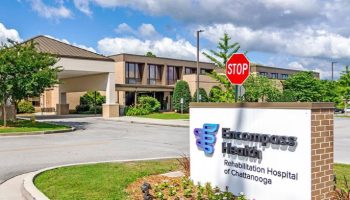
Encompass Health Rehabilitation Hospital of Chattanooga

2412 McCallie Avenue Chattanooga, TN 37404
Detox Service Setting
Inpatient DetoxOutpatient Detox
Levels Of Care
InpatientOutpatient
Encompass Health Rehabilitation Hospital of Chattanooga

Focus Treatment Centers

7429 Shallowford Road Chattanooga, TN 37421
Detox Service Setting
Inpatient DetoxOutpatient Detox
Levels Of Care
OutpatientPHPInpatient
Focus Treatment Centers

Harmony Oaks Recovery Center

7609 Shallowford Road Chattanooga, TN 37421
Detox Service Setting
Outpatient DetoxMAT
Levels Of Care
PHPOutpatientAftercare+1
Harmony Oaks Recovery Center

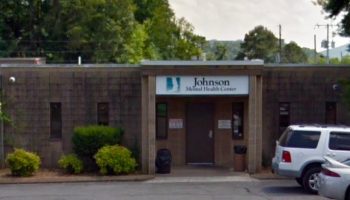
Johnson Mental Health Chattanooga

420 West Bell Avenue Chattanooga, TN 37405
Detox Service Setting
Outpatient Detox
Levels Of Care
OutpatientDual Diagnosis
Johnson Mental Health Chattanooga

Parkridge Valley Adult & Senior Campus

7351 Courage Way Chattanooga, TN 37421
Detox Service Setting
Hospital Detox
Levels Of Care
InpatientOutpatientAftercare
Parkridge Valley Adult & Senior Campus

The Next Door Chattanooga

108 Moccasin Bend Road Chattanooga, TN 37405
Detox Service Setting
Inpatient DetoxOutpatient Detox
Levels Of Care
InpatientOutpatientAftercare+2
The Next Door Chattanooga

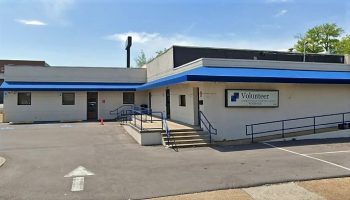
Volunteer Comprehensive Treatment Center

2347 Rossville Blvd Chattanooga, TN 37408
Detox Service Setting
Inpatient DetoxOutpatient Detox
Levels Of Care
InpatientOutpatient
Volunteer Comprehensive Treatment Center

Centerstone Chattanooga

6110 Shallowford Rd Chattanooga, TN 37421
Detox Service Setting
Inpatient DetoxOutpatient Detox
Levels Of Care
InpatientOutpatient

Pointe Centre VA Clinic

1208 Pointe Centre Drive Chattanooga, TN 37421
Detox Service Setting
Inpatient DetoxOutpatient DetoxMAT
Levels Of Care
InpatientPHPOutpatient+3

Tennessee Valley Healthcare System Chattanooga VA Clinic

6098 Debra Road Chattanooga, TN 37411
Detox Service Setting
Inpatient DetoxOutpatient DetoxMAT
Levels Of Care
InpatientPHPOutpatient+3

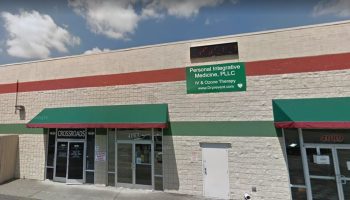
Crossroads Treatment Center of Ringgold

4083 Cloud Springs Road Ringgold, GA 30736
Detox Service Setting
Outpatient Detox
Levels Of Care
OutpatientAftercareDual Diagnosis
Crossroads Treatment Center of Ringgold

Drug & Alcohol Detox in Chattanooga, TN

Hamilton County has seen a significant shift in its overdose profile over the past two years. After fatal overdoses fell 49% between 2023 and 2024, driven in large part by expanded naloxone access and coordinated community response, 2025 data showed a troubling reversal, with overdose deaths rising sharply again.

Fentanyl remains the primary driver, though Hamilton County health officials have documented an increase in methamphetamine-involved deaths alongside opioids. The Lee Highway corridor carries the highest rates of overdose in the county.

In response to the crisis, Hamilton County’s Overdose Prevention Team (OPT) was launched in November 2025 as the first program of its kind in Tennessee. Funded by opioid settlement dollars through the state’s Opioid Abatement Council, the OPT pairs Hamilton County EMS paramedics with certified peer recovery specialists to respond when someone in a substance use crisis refuses emergency transport.

The county has also directed approximately $2 million in opioid settlement funds to local recovery organizations. Anyone seeking treatment guidance can call the Tennessee REDLINE at 800-889-9789 for a free, confidential 24/7 referral service.

Drug and alcohol detox centers in Chattanooga operate under the licensing authority of the Tennessee Department of Mental Health and Substance Abuse Services (TDMHSAS), which issues facility licenses, conducts compliance inspections and enforces Tennessee Code Annotated Title 33 standards for both residential and outpatient detoxification programs.

The Hamilton County Health Department plays a parallel role locally, tracking overdose trends across zip codes and informing where public health resources are directed.

Facilities seeking national recognition can also pursue accreditation through The Joint Commission or CARF, which many Chattanooga-area providers maintain in addition to state licensure.

When choosing a detox center in Chattanooga, confirming TDMHSAS licensure and asking whether the facility accepts your insurance or offers sliding-scale fees are the most important first steps.
Find The Perfect Detox Center For You

Filter treatment centers in Chattanooga by level of care offered to find the best detox program for you or a loved one.

Paying for Detox in Chattanooga

Cost should not be the reason someone delays detox in Chattanooga. Most facilities accept private insurance, TennCare (Tennessee’s Medicaid program) and Medicare, and a range of public and nonprofit options exist for people without coverage.

Understanding the typical cost range and available financial tools helps families make faster decisions.

How Much Does Detox Cost in Chattanooga?

Detox costs in Chattanooga vary by level of care, medical complexity, length of stay and whether the facility is hospital-based or freestanding. As well, the drug being withdrawn from, the need for medications and whether a co-occurring mental health condition is present can also increase total costs.

People who use insurance or public funding programs can reduce these expenses substantially.

~$150,000
Medical Detox
~$51,000
Inpatient Rehab
~$11,000
Outpatient Rehab
~$5,200
Methadone Treatment

Does Private Insurance Cover Detox in Chattanooga?

Private insurers operating in Tennessee must comply with the Affordable Care Act’s mental health parity requirements, which mandate that substance use disorder benefits be covered at parity with medical and surgical benefits. The Tennessee Department of Commerce and Insurance oversees compliance with state and federal insurance laws.

You can verify a plan’s coverage at healthcare.gov or directly with your insurer.

The six most common private insurers in the Chattanooga market include:

Blue Cross Blue Shield
United Health Care
Cigna
Aetna
Humana
Ambetter

Medicare and Medicaid in Chattanooga

Medicare

Medicare covers inpatient and outpatient detox in Chattanooga, including medically supervised withdrawal management. Part B covers opioid treatment program services, including methadone, buprenorphine and naltrexone.

It’s important to keep in mind that copays and deductibles depend on the treatment setting and your specific plan.

Medicaid

TennCare, Tennessee’s Medicaid program, covers medically necessary detox, inpatient residential treatment, outpatient care and medication-assisted treatment for eligible residents.

Eligibility is based on income (at or below 138% of the federal poverty level for most adults) and residency. TennCare is administered through managed care organizations, including BlueCross BlueShield of Tennessee, UnitedHealthcare and WellPoint.

Other Ways to Pay for Detox Treatment

Do not let cost be a barrier to getting detox care in Chattanooga. Several local and state-funded options exist for people without insurance or with limited ability to pay:

Sliding Scale Payment: 

CADAS (Council for Alcohol and Drug Abuse Services), located at 207 Spears Avenue in Chattanooga, is a state-licensed, Joint Commission-accredited facility that offers medical detox and residential treatment on a sliding fee scale based on income. It is one of the few facilities in the city providing publicly funded residential detox beds.

Nonprofits and Charities: 

The Helen Ross McNabb Center operates in the Chattanooga area and accepts Medicaid and Medicare, providing outpatient substance use treatment on a sliding fee scale. Cherokee Health System’s Brainerd Hills location also offers reduced-cost outpatient care to qualifying patients.

Opioid Settlement Grants: 

Hamilton County has allocated approximately $2 million in opioid abatement settlement funds to local recovery organizations, including CADAS, the McNabb Center, LaunchPad, and Chambliss Center for Children. The Hamilton County Overdose Prevention Team, funded entirely through opioid settlement dollars, provides free mobile treatment navigation at no cost to patients.

Veterans Programs: 

The Alvin C. York VA Medical Center in Murfreesboro and the Chattanooga VA outpatient clinic serve veterans in the region with substance use disorder treatment, including MAT, at no or low cost. Veterans enrolled in VA healthcare can access detox services through the VA system.

Chattanooga, Tennessee Regulations and Accreditation for Detox

Chattanooga detox programs are regulated at both the state and local level, with TDMHSAS serving as the primary licensing body and Hamilton County health authorities providing local public health oversight.

Tennessee Department of Mental Health and Substance Abuse Services (TDMHSAS), Office of Licensure

The primary statewide licensing authority for all alcohol and drug detox and treatment facilities, including both residential detoxification programs and outpatient detox programs.

TDMHSAS issues and renews facility licenses, conducts compliance inspections, investigates complaints and enforces rules under Tennessee Code Annotated Title 33 and the TDMHSAS administrative code (Chapter 0940-05).

Website: tn.gov

Tennessee Department of Commerce and Insurance (TDCI)

Regulates insurance companies operating in Tennessee, including oversight of mental health parity compliance under state and federal law.

TDCI ensures that private insurers covering Chattanooga residents cannot impose more restrictive coverage requirements on substance use disorder treatment than on comparable medical benefits.

Website: tn.gov

Hamilton County Health Department

The lead local public health authority for Hamilton County. Tracks overdose surveillance data across zip codes, informs resource allocation for treatment and harm reduction and coordinates with TDMHSAS-licensed providers and community organizations responding to the local drug crisis.

The Health Department’s overdose data directly shapes how opioid settlement funds are deployed in the county.

The Joint Commission (TJC) and CARF International

National accrediting bodies whose standards many Chattanooga-area facilities voluntarily pursue in addition to state licensure. CADAS holds Joint Commission accreditation.

TJC and CARF certification signal that a facility meets clinical quality benchmarks beyond what state licensing alone requires.

Key MAT Medications and Regulatory Status in Chattanooga

Medication-assisted treatment in Chattanooga is regulated under both federal SAMHSA rules (42 CFR Part 8 and DEA controlled substance regulations) and TDMHSAS state licensing requirements.

Following the Consolidated Appropriations Act of 2023, the federal X-waiver requirement for buprenorphine prescribers was eliminated, significantly expanding access statewide. Tennessee requires that office-based opioid treatment (OBOT) clinics be licensed by TDMHSAS under Chapter 0940-05-35.

Buprenorphine: 

Available through licensed OBOT clinics and via telehealth in Tennessee without requiring an X-waiver since 2023. Can be prescribed by any qualified clinician in an office-based setting and is covered by TennCare. Particularly accessible for people seeking MAT without having to attend a methadone clinic.

Methadone: 

For treatment of opioid use disorder, methadone must be dispensed through a SAMHSA-certified Opioid Treatment Program (OTP). It cannot be obtained at retail pharmacies for OUD treatment. Tennessee has 13 TDMHSAS-licensed OTPs statewide; multiple are located in the Chattanooga area. TennCare covers methadone OTP services for eligible enrollees.

Naltrexone: 

Non-opioid, non-addictive, and available without the restrictions that apply to buprenorphine or methadone. The injectable form (Vivitrol) is widely used in Tennessee for both opioid and alcohol use disorder and requires no special facility licensing to prescribe. Covered by TennCare and commonly used in post-detox treatment and legal diversion programs.

Overdose Prevention and Harm Reduction in Chattanooga

Chattanooga has developed a growing harm reduction network over the past several years, driven largely by volunteer organizations and community health providers responding to one of the highest per-capita overdose death rates in the country.

The majority of fentanyl overdoses in Hamilton County occur in the city limits, with the Lee Highway corridor historically the hardest-hit area.

These organizations provide free naloxone, syringe services, drug checking supplies, and connections to treatment for people not yet ready for or able to access formal care.

Chattanooga Harm Reduction

Free naloxone (Narcan) kit distribution Fentanyl test strips Outreach in high-overdose areas, including Lee Highway corridor Overdose reversal education Newspaper box naloxone dispensing (Volunteer Comprehensive Treatment Center)

A volunteer-run organization focused on getting naloxone into the hands of people who use drugs throughout Southeast Tennessee.

In 2024, the group distributed 27,449 two-dose naloxone kits and received reports of 1,695 overdose reversals from those kits.

Since late September 2024, the group has maintained a free-access naloxone newspaper box outside the Volunteer Comprehensive Treatment Center, distributing roughly 20 kits per day.

Cempa Community Care (STEP TN Program)

Syringe services and needle exchange (state-approved SSP) Naloxone distribution and training Fentanyl test strips HIV and hepatitis C rapid testing Wound care Referrals to substance use treatment Street Health Initiative for unhoused community members

Cempa Community Care has operated Chattanooga’s state-approved Syringe Services Program since early 2018 at 4001 Rossville Blvd.

As a Federally Qualified Health Center-aligned community health organization founded in 1986, Cempa offers fully anonymous harm reduction services without requiring ID.

The STEP TN program operates Tuesday through Thursday and provides a non-judgmental entry point for people who use drugs to connect with healthcare and treatment resources.

Hamilton County Coalition

Free naloxone kits and overdose reversal training (including virtual sessions) Medication lock boxes and drug disposal pouches Regional Overdose Prevention Specialist (ROPS) outreach Youth substance use prevention programming Referrals to opioid treatment programs

The Hamilton County Coalition is the regional hub for TDMHSAS-funded overdose prevention in Region 3-South, covering Hamilton and surrounding counties.

The Coalition distributes free naloxone and trains community members, healthcare workers, pharmacists and first responders.

ROPS through the coalition have collectively trained thousands of people across the region on overdose recognition and naloxone administration.

Tennessee Harm Reduction (Supply-by-Mail Program)

Free naloxone (nasal spray Narcan and injectable forms) shipped statewide Fentanyl test strips Benzodiazepine test strips Syringes and safe-use supplies Anonymous, mail-based access for people unable to access in-person services

Tennessee’s first statewide mail-based naloxone access program, operating under Tennessee’s civil immunity law that protects people who possess and distribute naloxone at no cost.

As of 2023, the organization had reached 83 of Tennessee’s 95 counties. Particularly useful for people in areas of Chattanooga without easy access to in-person harm reduction services or for people who prefer discreet, doorstep delivery.

Detox Statistics in Chattanooga, Tennessee

Hamilton County’s overdose data reflects both meaningful progress in 2024 and a sobering reversal in 2025, underscoring why sustained access to detox and harm reduction services remains critical for the Chattanooga region.

70% of 2023 Drug-Related Deaths Involved Fentanyl: 

The Hamilton County Health Department’s 2023 Drug Overdose Surveillance Report found fentanyl was listed as the cause of death in 70% of the 205 suspected drug-related deaths that year.

27,449 Naloxone Kits Distributed in 2024:

Chattanooga Harm Reduction distributed 27,449 two-dose naloxone kits to people who use drugs or recently used drugs in the metro area in 2024, receiving confirmed reports of 1,695 overdose reversals from those kits.

240% Rise in Hamilton County Overdose Deaths in 2025: 

Hamilton County recorded 17 fatal overdose cases in 2025 (through the period measured), compared to just 5 in the same 2024 period, a 240% increase that officials have linked to fentanyl mixed with other substances.

FAQs About Detox in Chattanooga, TN

Is CADAS the only publicly funded detox option in Chattanooga?

CADAS (Council for Alcohol and Drug Abuse Services) at 207 Spears Avenue is the primary state-licensed, publicly funded provider offering both medical detox and residential treatment on a sliding-scale basis. The Helen Ross McNabb Center also offers Medicaid-covered outpatient treatment.

For additional options, call the Tennessee REDLINE at 800-889-9789 for free, confidential referrals.

How does the Hamilton County Overdose Prevention Team work?

Launched in November 2025, the Overdose Prevention Team pairs Hamilton County EMS paramedics with peer recovery specialists who have lived experience in recovery.

The team responds to calls where someone is refusing emergency transport during a substance use crisis, providing medication-assisted treatment bridge support and connections to recovery resources.

Service is free and funded by opioid settlement dollars. To reach the team, call 423-209-7777.

Does TennCare cover detox and MAT in Chattanooga?

Yes. TennCare covers medically necessary detox (both inpatient and outpatient), residential treatment and medication-assisted treatment, including buprenorphine, methadone through certified OTPs and naltrexone.

Coverage is available through TennCare managed care plans, including BlueCross BlueShield of Tennessee, UnitedHealthcare, and WellPoint. Eligibility is generally limited to Tennessee residents at or below 138% of the federal poverty level.

Where can I get free naloxone in Chattanooga without a prescription?

Naloxone is available at no cost from multiple Chattanooga sources.

Chattanooga Harm Reduction maintains a free-access Narcan newspaper box outside the Volunteer Comprehensive Treatment Center (no ID required, 20 kits per day). Cempa Community Care’s STEP TN program at 4001 Rossville Blvd distributes naloxone anonymously during operating hours.

The Hamilton County Coalition also provides free kits and overdose training. Tennessee Harm Reduction ships free naloxone kits statewide with no questions asked at tennesseeharmreduction.com.

What is the Lee Highway corridor and why does it matter for overdose risk?

The Lee Highway area in Hamilton County has consistently recorded the highest rates of overdose and drug use in the county, according to local harm reduction advocates and health department data.

It is home to a high concentration of low-rent apartments and weekly-rate motels, and it sits far from several of Chattanooga’s major treatment providers.

Both Chattanooga Harm Reduction and Light Inn Darkness Outreach specifically target this area with naloxone distribution and outreach to meet people where they live.

What should I expect when entering detox in Chattanooga?

Intake typically starts with a clinical assessment to determine the substances used, dependence severity and any co-occurring health conditions.

For medically supervised programs, a physician or nurse will monitor vital signs and may prescribe medications to manage withdrawal symptoms. Depending on the substance, a medically managed stay can last three to seven days.

Many facilities in the area, including Erlanger Behavioral Health Hospital, also offer referrals to inpatient or outpatient treatment after detox concludes.

Two people talking
Get Help Today!
If you or a loved one is in need of help, call today. Pick up the phone and get the help you need.
800-483-2193
Confidential. Available 24 Hours
Get Help Today Phone icon 800-779-4314