512-298-6438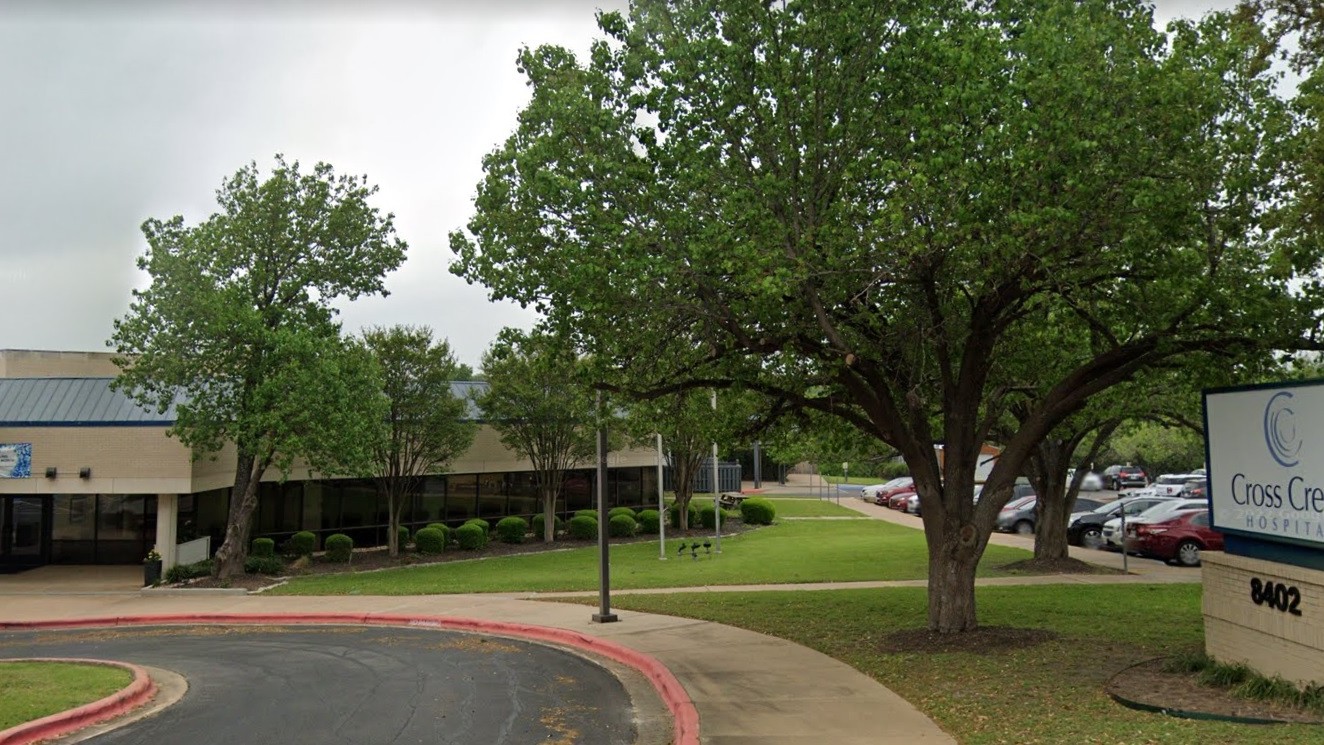
Cross Creek Hospital
Austin, TX
78754




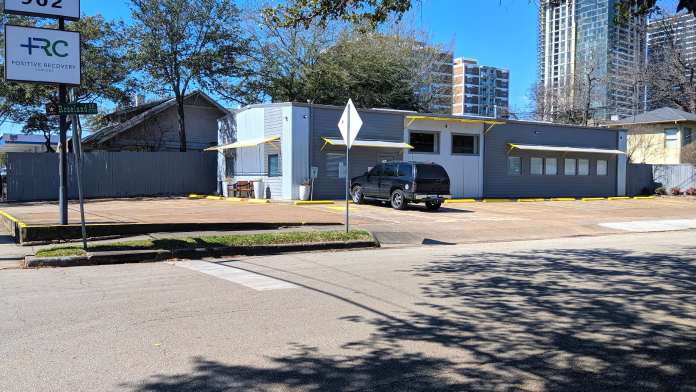
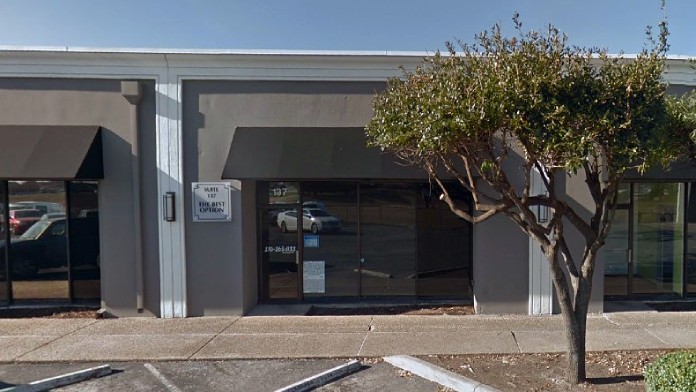

| Name | Address | Detox Service Setting | Levels Of Care | Media |
|---|---|---|---|---|
Addiction and Psychotherapy Services |
2824 South Congress Avenue Austin, TX 78704 |
Detox Service Setting
Outpatient Detox
|
Levels Of Care
OutpatientAftercareDual Diagnosis
|

|
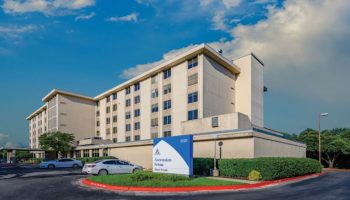
Ascension Seton Shoal Creek |
3501 Mills Avenue Austin, TX 78731 |
Detox Service Setting
Inpatient Detox
|
Levels Of Care
InpatientAftercareDual Diagnosis+3
|
|
Briarwood Detox Center Austin |
11711 North Lamar Boulevard Austin, TX 78753 |
Detox Service Setting
Inpatient Detox
|
Levels Of Care
InpatientIntervention
|

|
Cenikor Foundation Austin |
2410 W Howard Ln Austin, TX 78728 |
Detox Service Setting
Inpatient DetoxOutpatient Detox
|
Levels Of Care
InpatientOutpatient
|

|
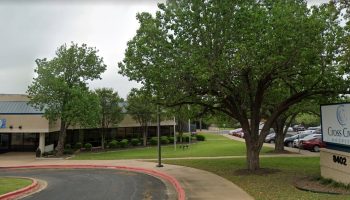
Cross Creek Hospital |
8402 Cross Park Drive Austin, TX 78754 |
Detox Service Setting
Inpatient Detox
|
Levels Of Care
InpatientDual Diagnosis
|
|
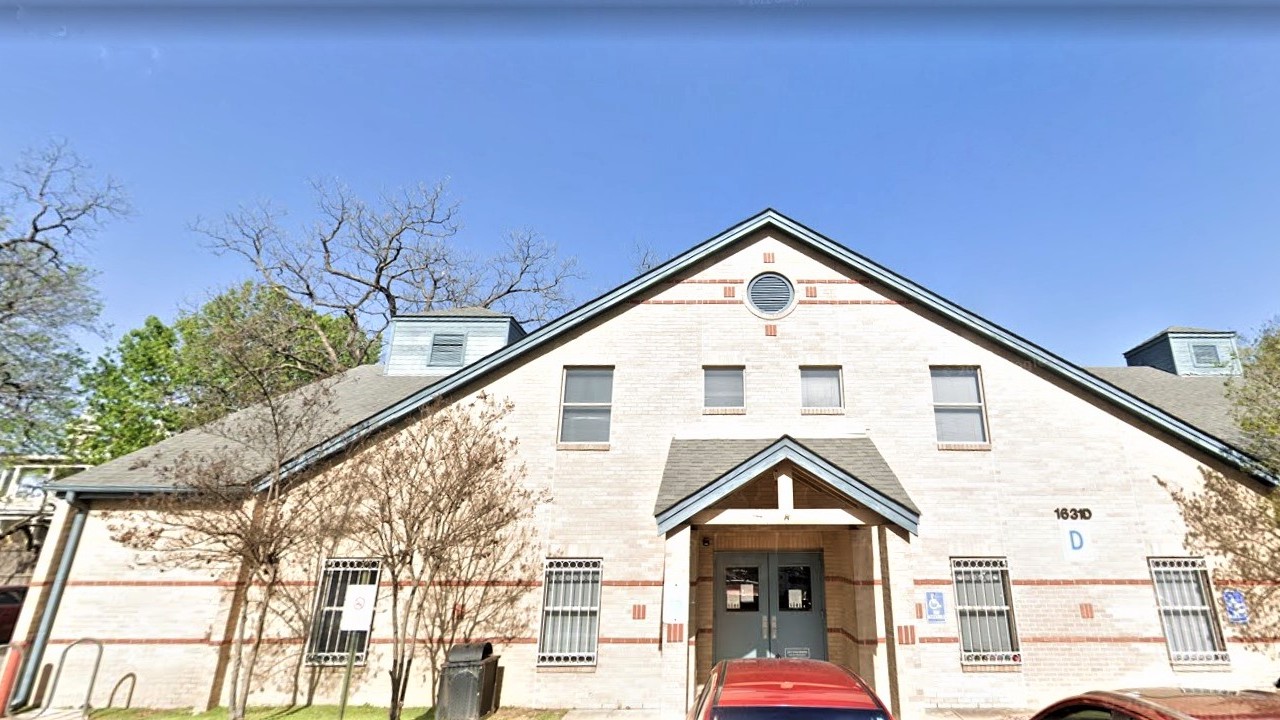
Integral Care East 2nd Street Clinic |
1631 East 2nd Street Austin, TX 78702 |
Detox Service Setting
Outpatient Detox
|
Levels Of Care
OutpatientAftercareDual Diagnosis
|

|
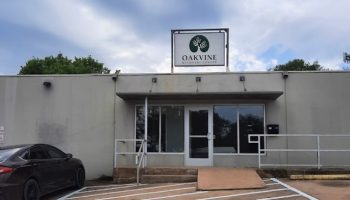
Oakvine Recovery Center |
3820 S Congress Ave Austin, TX 78704 |
Detox Service Setting
Inpatient DetoxOutpatient Detox
|
Levels Of Care
InpatientOutpatient
|
|
Phoenix House |
400 West Live Oak Street Austin, TX 78704 |
Detox Service Setting
Inpatient DetoxOutpatient Detox
|
Levels Of Care
InpatientOutpatient
|

|
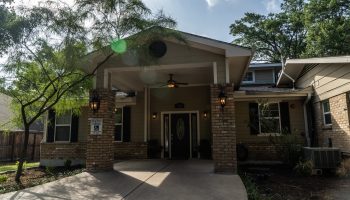
Recovery Unplugged Austin Detox |
7211 Albert Road Austin, TX 78745 |
Detox Service Setting
Inpatient DetoxOutpatient DetoxMAT
|
Levels Of Care
InpatientPHPOutpatient+4
|
|
Texas NeuroRehab Center |
1106 West Dittmar Road Austin, TX 78745 |
Detox Service Setting
Inpatient DetoxOutpatient Detox
|
Levels Of Care
InpatientOutpatientAftercare+1
|

|
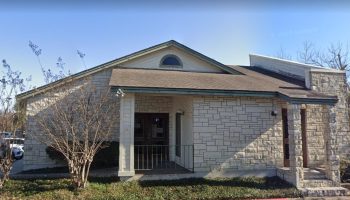
The Coleman Institute Central Texas Pain Center |
4316 James Casey Street Austin, TX 78745 |
Detox Service Setting
|
Levels Of Care
Aftercare
|
|
Eudaimonia recovery homes |
7211 Northeast Dr Austin, TX 78723 |
Detox Service Setting
Outpatient DetoxMAT
|
Levels Of Care
OutpatientDual DiagnosisAftercare+1
|
|
Infinite Recovery Austin |
6404 Ridge Oak Road Austin, TX 78749 |
Detox Service Setting
Inpatient DetoxOutpatient DetoxMAT
|
Levels Of Care
InpatientPHPOutpatient+2
|
|
Maps4Recovery Addiction Medicine |
13809 Research Blvd Austin, TX 78750 |
Detox Service Setting
Inpatient DetoxOutpatient Detox
|
Levels Of Care
InpatientOutpatient
|
|
Northwest Counseling and Wellness Ctr |
12335 Hymeadow Drive Austin, TX 78750 |
Detox Service Setting
Outpatient DetoxMAT
|
Levels Of Care
OutpatientDual Diagnosis
|
|
Release Recovery Austin |
1904 Nueces Street Austin, TX 78705 |
Detox Service Setting
Outpatient DetoxMAT
|
Levels Of Care
OutpatientAftercareSober Living+1
|
|
Sage Recovery & Wellness Center: Alcohol & Drug Rehab Austin Texas |
7004 Bee Caves Road Building 2 Suite 200 Austin, TX 78746 |
Detox Service Setting
Hospital DetoxOutpatient DetoxMAT
|
Levels Of Care
OutpatientDual DiagnosisPHP
|
|
Spearhead Lodge |
8455 Lyndon Lane Austin, TX 78729 |
Detox Service Setting
Inpatient Detox
|
Levels Of Care
InpatientAftercareDual Diagnosis
|
Austin’s detoxification landscape combines high-end private residential care in the surrounding Hill Country with a vital public safety net in the city center.
Regulated by the Texas Health and Human Services Commission (HHSC), the local treatment system is increasingly focused on combating the synthetic opioid crisis through aggressive harm reduction and expanded medication-assisted treatment (MAT).
Coordinated efforts are currently spearheaded by the Austin-Travis County Opioid Awareness Coalition, uniting Integral Care, Central Health and Austin Public Health to address critical service gaps.
Navigating care in Austin requires an understanding of the local geography and transit infrastructure. The highest density of state-funded and low-cost providers is located closer to the central and eastern parts of the city.
Accessing these safety-net services is heavily tied to the CapMetro bus system, which connects residents without vehicles to central clinics. However, reaching private or specialized treatment centers in suburban areas like Westlake often requires personal transportation.
For high-volume public facilities, securing a detox bed is highly competitive, frequently requiring individuals to undergo initial assessments through Integral Care’s psychiatric emergency services or arrive early for walk-in availability.
Recent local initiatives are actively saving lives and reshaping the continuum of care. Expanded naloxone distribution networks have successfully reduced Travis County’s overdose death rates.
Furthermore, local funds are being strategically deployed to increase the availability of low-barrier buprenorphine clinics, providing immediate stabilization for individuals struggling with fentanyl withdrawal while they await longer-term residential placement.
Understanding the cost of drug and alcohol detox in Austin is a priority for those seeking recovery. While prices vary based on several factors, there are numerous financial solutions and public resources that allow you to receive quality care regardless of your income level.
The cost of detox in Austin depends heavily on the level of care required, the severity of your withdrawal symptoms and whether the facility is a luxury center in the Hill Country or a standard clinical setting.
Length of stay and medical complexity also drive total costs. Fortunately, many residents offset these out-of-pocket expenses by utilizing commercial insurance or publicly funded Texas programs.
Outpatient MAT programs combine prescribed medications with counseling, allowing individuals to manage their recovery while working or living at home. The cost of these programs is primarily influenced by the type of medication prescribed.
Yes, private insurance companies operating in Texas must comply with the Affordable Care Act, which mandates that mental health and substance abuse treatment be covered as essential health benefits at parity with medical care.
The Texas Department of Insurance (TDI) oversees state insurance plans to ensure they comply with these standards. Your specific copays, deductibles and network restrictions will depend entirely on your policy.
The most popular private health insurance providers in the Austin and broader Texas market include:



Medicare covers both inpatient and outpatient drug and alcohol detox in Austin. Under Part B, it also covers Opioid Treatment Program (OTP) services, including medications like methadone and buprenorphine, counseling and toxicology testing. Copays and deductibles apply based on your specific plan.
Texas Medicaid covers medically necessary detoxification and substance use disorder treatment for eligible low-income residents. This includes inpatient detox, outpatient programs and MAT.
Coverage is typically managed through Managed Care Organizations (MCOs) like Superior HealthPlan or Dell Children’s Health Plan in the Austin area.
Do not let financial concerns stop you from receiving life-saving detox in Austin. There are several alternative payment methods and safety-net programs available:

Facilities like Lone Star Circle of Care and other Federally Qualified Health Centers (FQHCs) in the Austin area adjust their treatment fees based on your income and household size using federal poverty guidelines.
Integral Care serves as the Local Mental Health Authority (LMHA) for Travis County, offering state-funded substance use assessments, outpatient detox and crisis stabilization for uninsured residents.
Organizations like The Salvation Army Adult Rehabilitation Center (ARC) in Austin provide no-cost, faith-based, long-term residential rehabilitation and work-therapy programs for those without the ability to pay.
The Austin VA Outpatient Clinic provides eligible veterans with comprehensive substance use disorder treatment, including medical detoxification, MAT and counseling, fully backed by federal VA funding.
Here are the key regulatory and accreditation bodies that oversee detox and withdrawal management services in Austin and the state of Texas:
HHSC is the primary state authority responsible for licensing Chemical Dependency Treatment Facilities (CDTFs) in Texas. They enforce compliance with the Texas Health and Safety Code, conduct on-site inspections and oversee the rules governing staffing, safety and clinical standards for detox programs.
While HHSC licenses facilities, APH serves as the local public health authority. APH plays a vital role in epidemiological surveillance of overdose trends, manages the local Opioid Overdose Dashboard and coordinates municipal funding and naloxone distribution for community-based harm reduction programs.
Though not a direct regulator of treatment centers, this office provides definitive toxicology and demographic data on fatal overdoses in the Austin area. Their annual reporting directly informs local public health initiatives and guides the funding priorities of the Austin-Travis County Opioid Awareness Coalition.
Medication-assisted treatment (MAT) in Austin is heavily regulated at both the federal and state levels. Federally, MAT providers must comply with SAMHSA and DEA regulations. In Texas, the HHSC licenses Narcotic Treatment Programs and ensures clinical alignment with federal standards, requiring counseling alongside medication.
Widely available in Austin through primary care physicians, specialized clinics and telehealth. Recent deregulation of the federal “X-waiver” has made it much easier for local doctors to prescribe this medication, expanding low-barrier access across Travis County.
Highly regulated and restricted to state-licensed Opioid Treatment Programs (OTPs). Patients in Austin typically must visit a clinic daily for their dose, though Texas Medicaid does cover this treatment, making it accessible for low-income populations despite the logistical hurdles.
Since it is a non-addictive opioid antagonist, Naltrexone requires no special DEA scheduling or licensing to prescribe. It is widely available in Austin for both opioid and alcohol use disorders, often administered as a monthly Vivitrol injection to support long-term abstinence post-detox.
Austin has a robust and growing harm reduction network designed to prevent fatal overdoses, reduce the spread of infectious diseases and connect people who use drugs with compassionate care.
Local coalitions, public health entities and grassroots organizations work across Travis County to distribute free naloxone (Narcan), fentanyl testing strips and safer-use supplies.
These harm reduction services are critical in keeping the community alive and frequently act as a low-barrier entry point for individuals who eventually seek formal detox and MAT services.
THRA operates a vital drop-in center in Austin, providing a stigma-free environment where individuals can access life-saving supplies, basic survival needs and connection to low-barrier buprenorphine and detox resources.
APH is a major driver of harm reduction in the city, distributing tens of thousands of naloxone doses annually to community partners, first responders and the public to combat the local fentanyl crisis.
Located on the grounds of the Austin State Hospital, this nonprofit focuses heavily on peer-supported recovery. They integrate harm reduction by offering overdose reversal training and fostering a supportive community for individuals navigating the transition from detox to long-term sobriety.
Vivent Health provides comprehensive wrap-around services for individuals at risk of HIV and Hepatitis C. Their legal syringe access and harm reduction services prioritize patient dignity and serve as a crucial touchpoint for marginalized individuals who use drugs in Austin.
Thanks to aggressive public health interventions and expanded naloxone distribution, Austin is beginning to see a stabilization in its opioid crisis. However, the prevalence of illicit fentanyl continues to pose a severe threat, making medical detox and harm reduction services more critical than ever.
Travis County saw accidental drug overdose deaths drop from 486 in 2023 to 380 in 2024, largely credited to enhanced community harm reduction efforts.
In 2024, the Travis County Medical Examiner recorded 179 fentanyl-involved deaths, representing a 36% decrease from the previous year.
In a massive effort to curb fatalities, Austin Public Health and its partners distributed 38,102 doses of overdose-reversing naloxone throughout the community in 2024.
To access state-funded care, contact Integral Care, Travis County’s Local Mental Health Authority. They serve as the gateway for public substance use services, offering assessments and referrals to state-funded detox beds or outpatient MAT for eligible uninsured residents.
Yes, many central Austin clinics and outpatient providers are accessible via the CapMetro bus system. However, several residential detox facilities are located in the surrounding Hill Country or suburban areas, which often require a personal vehicle, rideshare, or pre-arranged facility transport.
Yes, naloxone is widely available for free across Travis County. You can obtain it from the Texas Harm Reduction Alliance, Vivent Health, or through various Austin Public Health distribution initiatives. Texas residents can also request it by mail through online harm reduction networks.
Yes, Austin offers LGBTQ+-affirming addiction care. Vivent Health provides inclusive harm reduction and medical support, while several local private rehabs offer specialized programming designed to address the unique social stressors and traumas faced by the LGBTQ+ community during recovery.
CDTF stands for Chemical Dependency Treatment Facility. It is the official licensing designation granted by the Texas Health and Human Services Commission (HHSC) to any facility in Austin—such as a detox center or rehab—that provides structured treatment for substance use disorders.