Find Drug & Alcohol Detox Centers in Durham, NC

Detox Centers in Durham

15 Results
Filters
Setting
Medications Offered
Treatment
Programs
Payment Options
Name Address Detox Service Setting Levels Of Care Media

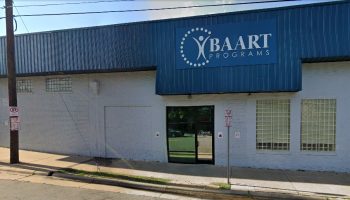
Baart Programs Durham

800 N Mangum St Durham, NC 27701
Detox Service Setting
Inpatient DetoxOutpatient Detox
Levels Of Care
InpatientOutpatient
Baart Programs Durham

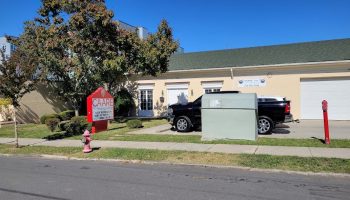
CAARE The Healing Center

214 Broadway Street Durham, NC 27701
Detox Service Setting
Outpatient Detox
Levels Of Care
OutpatientAftercareSober Living
CAARE The Healing Center

Duke Psychiatry at Civitan Building

2213 Elba Street Durham, NC 27705
Detox Service Setting
Outpatient Detox
Levels Of Care
OutpatientAftercareDual Diagnosis
Duke Psychiatry at Civitan Building

Eleanor Health

3711 University Dr B Durham, NC 27707
Detox Service Setting
Inpatient DetoxOutpatient Detox
Levels Of Care
InpatientOutpatient
Eleanor Health

RI International – Durham Recovery Response Center

309 Crutchfield Street Durham, NC 27704
Detox Service Setting
Hospital DetoxInpatient DetoxOutpatient Detox+1
Levels Of Care
InpatientOutpatient
RI International – Durham Recovery Response Center

Triangle Residential Options for Substance Abusers (TROSA)

1820 James Street Durham, NC 27707
Detox Service Setting
Inpatient Detox
Levels Of Care
InpatientAftercareDual Diagnosis
Triangle Residential Options for Substance Abusers (TROSA)

Structure House

3017 Pickett Road Durham, NC 27705
Detox Service Setting
Hospital DetoxInpatient DetoxOutpatient Detox
Levels Of Care
InpatientOutpatientDual Diagnosis+3

Freedom House Recovery Center, Inc.

104 New Stateside Drive Chapel Hill, NC 27516
Detox Service Setting
Outpatient Detox
Levels Of Care
Inpatient
Freedom House Recovery Center, Inc.

The UNC Family Medicine Center at Chapel Hill

590 Manning Drive Chapel Hill, NC 27514
Detox Service Setting
Outpatient DetoxMAT
Levels Of Care
Outpatient
The UNC Family Medicine Center at Chapel Hill

Healing Transitions

3304 Glen Royal Rd Raleigh, NC 27617
Detox Service Setting
Inpatient DetoxOutpatient Detox
Levels Of Care
InpatientOutpatient
Healing Transitions

Healing Transitions Womens Campus

3304 Glen Royal Road Raleigh, NC 27617
Detox Service Setting
Inpatient Detox
Levels Of Care
Inpatient
Healing Transitions Womens Campus

Carolina Behavioral Care

209 Millstone Drive Hillsborough, NC 27278
Detox Service Setting
Outpatient DetoxMAT
Levels Of Care
Outpatient
Carolina Behavioral Care

R.J. Blackley ADATC

100 West H Street Butner, NC 27509
Detox Service Setting
Hospital DetoxInpatient DetoxOutpatient Detox
Levels Of Care
InpatientOutpatientPHP+1
R.J. Blackley ADATC

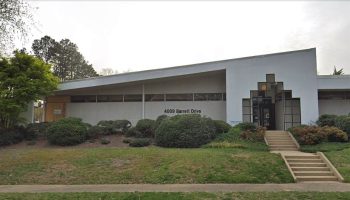
The Carter Clinic Raleigh

4009 Barrett Drive Raleigh, NC 27609
Detox Service Setting
Outpatient Detox
Levels Of Care
Outpatient
The Carter Clinic Raleigh

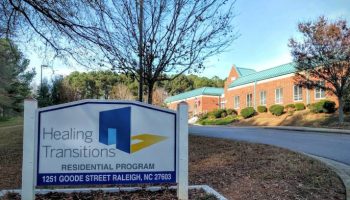
Healing Transitions Men Campus

1251 Goode Street Raleigh, NC 27603
Detox Service Setting
Inpatient DetoxOutpatient Detox
Levels Of Care
InpatientOutpatient
Healing Transitions Men Campus

Drug & Alcohol Detox in Durham, NC

Durham’s detoxification landscape relies on a strong network of specialized private facilities and crucial publicly funded services. The North Carolina Division of Health Service Regulation (DHSR) oversees and licenses local facilities. 

For publicly funded behavioral health, Alliance Health serves as the Local Management Entity/Managed Care Organization (LME/MCO) for Durham County, coordinating care for Medicaid recipients and uninsured residents.

Navigating care requires understanding local resources and geography. Durham is home to renowned programs like the Triangle Residential Options for Substance Abusers (TROSA), a peer-driven, multi-year residential treatment program. For immediate acute needs, facilities like Freedom House Recovery Center provide facility-based crisis units and detoxification services. 

Additionally, outpatient options like BAART Programs provide medication-assisted treatment (MAT) for opioid use disorder. Transit via GoDurham buses connects residents to central medical hubs including the Duke University Hospital system which plays a major role in emergency stabilization.

Recent initiatives are focused on expanding access to care and harm reduction. Durham County is utilizing opioid settlement funds guided by the Durham County Opioid Settlement Advisory Committee to bolster local addiction infrastructure. 

Furthermore, the county has integrated robust harm reduction networks. The North Carolina Harm Reduction Coalition is operating a fixed-site syringe exchange in Durham to bridge the gap between active use and clinical treatment. With North Carolina’s recent Medicaid expansion covering more adults aged 19 to 64, thousands of Durham residents now have newly acquired access to life-saving detox and MAT services.
Find The Perfect Detox Center For You

Filter treatment centers in Durham by level of care offered to find the best detox program for you or a loved one.

Paying for Detox in Durham

Understanding the cost of drug detox in Durham is a priority. It varies based on many factors but there are financial solutions that allow you to receive quality care.


How Much Does Detox Cost in Durham?

The cost of detox in Durham varies based on the level of care, the severity of withdrawal symptoms and whether services are provided in a hospital, residential facility or outpatient setting. Medical complexity, length of stay and medication needs can also affect the total cost. Many people reduce out-of-pocket expenses by using insurance or publicly funded programs.

Outpatient MAT programs combine prescribed medications with counseling and support which allows you to manage recovery while maintaining daily responsibilities. Outpatient MAT costs are influenced by prescribed medication.

Medical Detox: $24,000
Medical Detox
Inpatient Detox: $15,000
Inpatient Rehab
Outpatient Detox: $6,000
Outpatient Rehab
MAT: $4,500
Methadone Treatment

Does Private Insurance Cover Detox in Durham?

Private insurance companies must comply with the Affordable Care Act. This means that mental health and substance abuse treatment coverage must be on the same level as other health benefits. 

States and individual insurance companies determine precisely what is covered. The North Carolina Department of Insurance oversees insurance programs to ensure they comply. Check coverage and network status at the healthcare marketplace online. The most common commercial insurance companies in North Carolina include:

Ambetter
Blue Cross Blue Shield
Cigna
United Health Care
Amerihealth
Oscar Insurance

Medicare and Medicaid in Durham

Medicare

Medicare covers inpatient and outpatient Durham alcohol detox and drug detox. They also cover OTP services like methadone, buprenorphine and naltrexone under Part B. Copays and deductibles depend on the treatment setting, services received and your plan.

Medicaid

North Carolina Medicaid covers detox for drug or alcohol withdrawal and recent state expansion has broadened eligibility for adults ages 19 to 64. Alliance Health manages Medicaid behavioral health services in Durham County, fully covering inpatient, residential, outpatient and MAT services.

Other Ways to Pay for Detox Treatment

Do not let cost be a reason for not receiving Durham alcohol rehab or drug detox. There are several ways to pay for addiction treatment without private health insurance:

Sliding Scale Payment Systems

Many treatment providers including Freedom House Recovery Center utilize a sliding fee scale based on federal poverty guidelines to help uninsured Durham residents afford detox and crisis services.

Nonprofits and Charities

Durham is home to Triangle Residential Options for Substance Abusers (TROSA). This is an innovative, multi-year nonprofit program that provides free housing, health services, and vocational training to individuals in recovery.

Local Government Programs

The Alliance Health LME/MCO manages state and local government funds to provide behavioral health and substance use disorder services to uninsured or underinsured residents across Durham County.

Veterans Programs

Given the veteran population in the Triangle area, specialized federal funding and detox treatment are available directly through the Durham VA Medical Center located on Erwin Road.

Durham, North Carolina Regulations and Accreditation for Detox

Here are the key regulatory and accreditation bodies that oversee detox and withdrawal management services in Durham and North Carolina:

North Carolina Division of Health Service Regulation (DHSR)

The DHSR is the primary state licensing authority for substance use disorder treatment facilities including detoxification services in North Carolina. DHSR inspects, licenses and monitors residential treatment providers to ensure compliance with state statutes.

Alliance Health (LME/MCO)

Alliance Health serves as the Local Management Entity/Managed Care Organization for Durham County. It manages publicly funded behavioral health services, contracts directly with local detox providers and performs post-payment reviews and quality monitoring.

North Carolina Department of Health and Human Services (NCDHHS)

The NCDHHS is the parent agency that oversees Medicaid, the DHSR and the Division of Mental Health, Developmental Disabilities and Substance Use Services. It coordinates the state’s overarching response to the opioid epidemic and funds community-based treatment.

Website: NCDHHS

Key MAT Medications and Regulatory Status in Durham

Medication assisted treatment (MAT) in Durham is regulated at both the federal and state levels with oversight focused primarily on controlled substances used to treat opioid use disorder. Federally, MAT involving opioids must comply with SAMHSA’s Opioid Treatment Program (OTP) rules under 42 CFR Part 8 and DEA controlled-substance regulations. In North Carolina, MAT providers must align with both state DHHS and federal standards; counseling and behavioral therapy are expected components of comprehensive care.

Buprenorphine

Buprenorphine is widely available in Durham through outpatient providers and telehealth. It can be prescribed by certified providers in office-based settings. This offers a flexible and highly accessible option for managing withdrawal symptoms in the community.

Methadone

Methadone is strictly regulated and only dispensed through state-certified Opioid Treatment Programs (OTPs) like BAART Programs in Durham. Daily clinic visits are typically required initially and it is a fully covered treatment option under NC Medicaid.

Naltrexone

Naltrexone is unrestricted and non-addictive. It requires no special licensing which makes it common in primary care and diversion programs. It’s available in pill form or as a monthly injection (Vivitrol), is highly effective for both opioid and alcohol use disorders and is covered by Medicaid.

Overdose Prevention and Harm Reduction in Durham

Durham has an active harm reduction network focused on preventing overdose, reducing infectious disease and keeping people who use drugs safe. Across the region, community organizations and public health agencies provide free naloxone, safer use supplies and health education to bridge the gap to long-term recovery.


These services play a critical role in overdose prevention and often serve as a bridge to detox, medication assisted treatment and long term recovery.

North Carolina Harm Reduction Coalition (NCHRC)

syringe exchange mobile delivery naloxone distribution peer support

The North Carolina Harm Reduction Coalition offers fixed-site syringe exchange, mobile delivery, naloxone distribution, and peer support. NCHRC operates a fixed-site exchange in Durham on N. Elizabeth St. as well as mobile exchange services. They provide crucial harm reduction supplies, free naloxone to at-risk individuals and education on safer injection practices.

Durham County Department of Public Health

Naloxone distribution Health education HIV/STI testing

The Durham County Department of Public Health provides naloxone distribution, health education and HIV/STI testing. The local health department works alongside community partners to track overdose data and distribute free Narcan. They provide essential public health services including infectious disease testing and linkage to care for Durham residents.

Student Health Action Coalition (SHAC)

Narcan Syringe disposal Naloxone Hygiene supplies

At the Student Health Action Coalition, you can access harm reduction supplies, syringe disposal, naloxone, basic wound care. Run by health science students in the neighboring Chapel Hill/Carrboro area, SHAC distributes safe injection kits, Narcan, and hygiene supplies. They provide a vital safety net for underserved populations in the broader Triangle area.

Durham County Emergency Medical Services (EMS)

Emergency overdose reversal Life-saving Naloxone

Durham County Emergency Medical Services provides emergency overdose reversal, post-overdose response, and public safety coordination. Durham EMS is at the frontline of the opioid crisis, responding to hundreds of overdoses annually. They administer life-saving naloxone in the field and collaborate with local health groups to track hot spots and connect survivors to resources.

Detox Statistics in Durham, North Carolina

Like many regions across North Carolina, Durham continues to battle an overdose epidemic driven largely by synthetic opioids like fentanyl. Recent data highlights the ongoing need for accessible detox and harm reduction services in the county.

Durham's Recent Overdose Data

Between 2020 and 2021, 185 Durham residents died from drug overdoses, worsened by pandemic isolation. By early 2023, the county recorded 267 opioid-related emergency visits, and by 2024, North Carolina’s overdose death rate had climbed to 26.6 per 100,000 residents — nearly 3,000 lives lost statewide.

EMS Stats in 2021

In addition, EMS teams responded to over 850 opioid overdoses in 2021. This is a significant increase from 481 the previous year.

Fentanyl Leads Overdoses Statewide

Finally, statewide and local hospital data from 2023 consistently show that fentanyl and its analogs remain the most common drug class driving opioid overdose emergency department visits.

FAQs About Detox in Durham, NC

How do I get into state-funded detox in Durham without insurance?

Uninsured residents can access state-funded treatment through Alliance Health, the local managed care organization for Durham County. You must contact Alliance Health directly to undergo a screening which will connect you to contracted, publicly funded detox facilities based on bed availability.

Does North Carolina Medicaid cover methadone treatment in Durham?

Yes, North Carolina Medicaid fully covers Medication-Assisted Treatment (MAT) including methadone and buprenorphine. Beneficiaries under standard plans or Tailored Plans can access these services at certified Opioid Treatment Programs (OTPs) with zero or very low copays.

Are there long-term residential rehabs in Durham?

Yes, Durham is home to TROSA. This is an award-winning, multi-year residential program that provides comprehensive care including housing, vocational training, and clinical services, offering a robust continuum of care following initial detox.

Is naloxone (Narcan) legally protected in North Carolina?

Yes, North Carolina has a Good Samaritan/Naloxone Access Law. This law protects individuals who ask 911 or EMS for help during an overdose from being prosecuted for small amounts of drug possession, encouraging people to seek life-saving medical help without fear of arrest.

What is a Medicaid "Tailored Plan" for addiction treatment?

NC Medicaid offers “Tailored Plans” specifically designed for individuals with severe mental health needs or substance use disorders. In Durham, these plans are managed by Alliance Health and provide enhanced wrap-around services, intensive outpatient care, and targeted case management for recovery.

Two people talking
Get Help Today!
If you or a loved one is in need of help, call today. Pick up the phone and get the help you need.
800-483-2193
Confidential. Available 24 Hours
Get Help Today Phone icon 800-779-4314