

 800-262-4205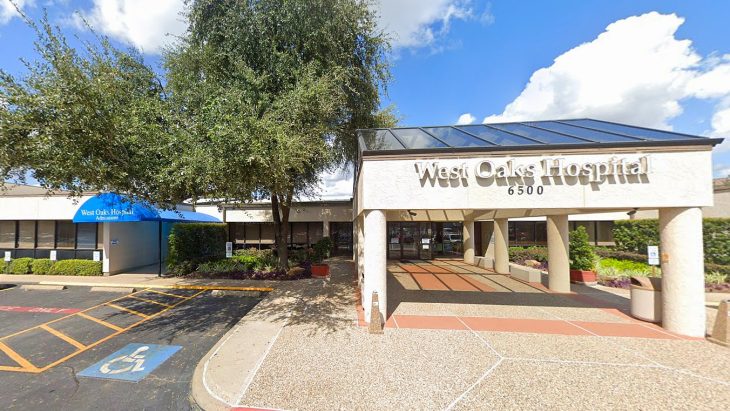
About West Oaks Hospital
West Oaks Hospital is accredited by The Joint Commission and is a substance use disorder and mental health treatment hospital. Part of their substance use treatment for adults includes an inpatient detoxification program. The facility is located on Hornwood Drive in Houston, Texas. Your payment options include Medicare, Medicaid and insurance from most providers.
The goal of the substance use disorder program is to help you develop the necessary skills so you can lead a lifestyle free from drugs and alcohol. Your program will be individualized to meet your unique needs.
The first step of the program is detoxification to rid your body of the harmful substances you’ve been using. During detox, you’ll be medically supervised 24 hours a day. Medical personnel will assess your needs and make sure you remain medically stable. While you’re in detox, you’ll begin the process of untangling the psychological and emotional aspects of your substance addiction. You’ll do this through therapy and 12-step recovery meetings.
If you’re struggling in the detox program then they offer a drug rehabilitation program that provides a more structured environment to help you stabilize in the process of quitting substances. The program can be used hand in hand with detox or independently of the detox program.
For most people, detox is only the first step on their recovery journey. After detox, you can choose to stay in the inpatient program or move to an outpatient treatment program. There’s also a special program for women that offers gender specific programming so women feel safe.
| Levels of Care | Detox Service Setting | Programs | Payment Options | |||
|---|---|---|---|---|---|---|
|
Inpatient and residential programs provide round-the-clock medical and emotional support as you live at the treatment facility. This level of care may be recommended if you have severe addictions or mental health conditions since it removes outside distractions and allows you to focus solely on therapy. |
Aftercare programs provide ongoing support after you complete a rehab program. They may include several components to help you maintain sobriety including therapy, community support groups and relapse prevention strategies. This gives you a network of resources as you reintegrate into your daily life. |
Dual diagnosis programs address substance use disorders and co-occurring mental health conditions simultaneously. This integrated approach to care improves the likelihood of long term recovery and stability by addressing the root causes of addiction. |
||||
|
Inpatient detox occurs in a dedicated treatment facility. You’ll live there around the clock and receive intensive medical support and supervision to help manage your withdrawal symptoms. It is suitable for individuals with moderate to severe addictions as it ensures a stable detox environment. |
||||||
|
Adult programs address the substance use and life challenges specific to adults. Therapists can deliver sessions in individual, group and family settings. Services often include job support and life skills training in a structured environment.
|
Alcohol detox programs offer medical support to help individuals withdraw safely from alcohol. Your care team may use medications to ease your symptoms and provide medical monitoring to address complications.
|
Men's programs address substance use while also considering the social pressures, family roles and mental health concerns that are specific to men. You’ll learn healthy coping mechanisms as you build emotional resilience and develop communication skills.
|
Opioid detox uses medications to ease severe withdrawal symptoms. It also includes medical supervision to help you manage potential complications. These services allow you to stabilize and begin a recovery plan.
|
Women's programs offer a safe and supportive space to focus on gender specific issues such as trauma, family roles and mental health conditions. Therapists tailor the sessions to address women's needs and foster empowerment in a healing and nurturing environment.
|
Young adult programs are designed for individuals who are transitioning into adulthood. Topics of discussion typically include identity, independence and peer relationships. Providers may also offer life skills training and career support.
|
|
|
EAP
|
Payment Assistance
|
Medicaid
|
Medicare
|
Military Insurance
|
Private Insurance
|
Self Pay
|
Levels of Care
Inpatient and residential programs provide round-the-clock medical and emotional support as you live at the treatment facility. This level of care may be recommended if you have severe addictions or mental health conditions since it removes outside distractions and allows you to focus solely on therapy.
Aftercare programs provide ongoing support after you complete a rehab program. They may include several components to help you maintain sobriety including therapy, community support groups and relapse prevention strategies. This gives you a network of resources as you reintegrate into your daily life.
Dual diagnosis programs address substance use disorders and co-occurring mental health conditions simultaneously. This integrated approach to care improves the likelihood of long term recovery and stability by addressing the root causes of addiction.
Detox Service Setting
Inpatient detox occurs in a dedicated treatment facility. You’ll live there around the clock and receive intensive medical support and supervision to help manage your withdrawal symptoms. It is suitable for individuals with moderate to severe addictions as it ensures a stable detox environment.
Programs
Accreditations

Contact



Susan is a freelance writer and photographer who loves writing from home with her dog, Jack Bauer, at her feet. Having transcribed patient charts in a mental health and addiction treatment hospital, she’s well informed on the subject of substance use and co-occurring disorder treatment. She’s experienced in content creation and writes her own photography blog and newsletter.

Courtney Myers writes and edits professionally from her home in North Carolina. She holds an MS in Technical Communication from N.C. State University and has worked in proposal management, marketing, and online content creation. She specializes in creating resources related to behavioral health and addiction recovery.
Detox.com regularly reviews this listing for accuracy but changes may occur between updates. For the most up-to-date information, please contact West Oaks Hospital.
Nearby Detox Centers



Search by Texas Cities
FAQs
Does West Oaks Hospital offer medical detoxification for alcohol and opioid withdrawal?
West Oaks Hospital in Houston provides medical detoxification services for individuals withdrawing from alcohol, opioids, and other substances. The facility operates as a full-service hospital, allowing for supervised medical detox with physician oversight and nursing staff available to manage withdrawal symptoms and provide comfort care during the detoxification process.
What is the admission process for detox at West Oaks Hospital in Houston?
Individuals seeking detox at West Oaks Hospital can begin with an initial assessment to determine medical needs and appropriate level of care. The facility evaluates each person’s substance use history, medical conditions, and withdrawal risk to develop a personalized detoxification plan. Insurance verification and intake paperwork are completed during the admission process.
Does West Oaks Hospital provide continued care after detoxification is complete?
West Oaks Hospital offers multiple levels of care beyond detoxification. After completing medical detox, individuals may transition to residential treatment, partial hospitalization programs, or outpatient services depending on their needs and treatment goals. This stepped care approach helps support long-term recovery.
What medications or comfort measures are available during detox at West Oaks Hospital?
West Oaks Hospital’s medical team uses evidence-based medications and comfort care protocols to manage withdrawal symptoms safely during detoxification. Physicians supervise medication selection based on the substance and individual medical history. Nursing staff provide monitoring and supportive care to reduce discomfort throughout the detox process.
Does West Oaks Hospital accept insurance for detoxification services?
West Oaks Hospital works with multiple insurance plans to cover detoxification and related treatment services. The facility’s admissions team can verify insurance coverage, explain benefits, and discuss out-of-pocket costs. Payment options are available for uninsured or underinsured individuals seeking detox services at the Houston location.