

 800-671-4304
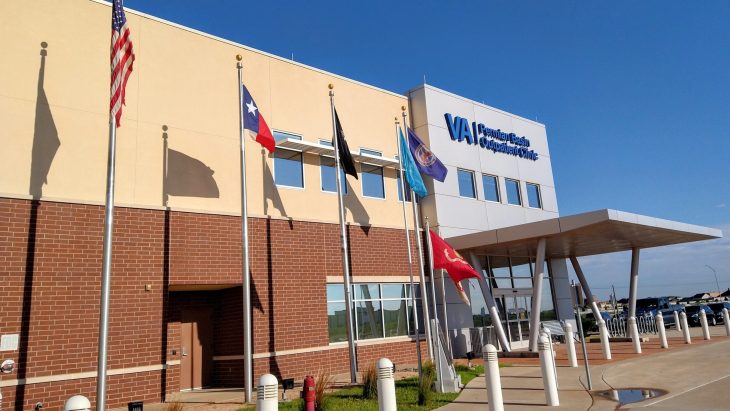
Wilson and Young Medal of Honor VA Clinic
About Wilson and Young Medal of Honor VA Clinic
The Wilson and Young Medal of Honor VA Clinic is an outpatient health facility that offers a range of services that include mental health care and addiction treatment services. They’re located out in Odessa, Texas. Support is available to veterans aged 18 and older and their families. Homeless veterans and those with dual-diagnosis or co-occurring mental health issues can also get help here.
Medicare, Medicaid, TRICARE, and other private insurance plans are accepted.
Outpatient addiction treatment at this clinic provides drug rehab services and community support as part of a rounded recovery service. Featuring 24-hour therapeutic and educational programs, veterans can access support here for everything from health to social services.
Various therapy options are available. Let’s look at cognitive behavioral therapy (CBT), motivational interviewing (MI), and contingency management (CM). CBT is designed to help individuals alter how they perceive themselves and break unhealthy behavioral and thought patterns that lead to substance abuse. Therapists do this using a problem-solving approach, and help clients set realistic goals to hold themselves accountable throughout their recovery.
MI focuses on clients’ motivations for recovering. In this way, they can hone in and reinforce these motivations throughout each session.
Finally, CM is more about individuals’ incentives for recovering. As sessions continue, incentives will get bigger and more rewarding relative to clients’ healthy behaviors and positive responses to treatment.
Clients can also access medication assisted treatment (MAT) with FDA-approved methadone, buprenorphine, Suboxone, and injectable naltrexone. MAT is typically done alongside regular therapy sessions and can help clients manage uncomfortable withdrawal symptoms and cravings.
| Levels of Care | Detox Service Setting | Programs | Payment Options | ||||
|---|---|---|---|---|---|---|---|
|
Inpatient and residential programs provide round-the-clock medical and emotional support as you live at the treatment facility. This level of care may be recommended if you have severe addictions or mental health conditions since it removes outside distractions and allows you to focus solely on therapy. |
In outpatient therapy, you’ll attend therapy sessions several times each week while living at home. This is ideal if you have a strong support system and a lower risk of relapse. Outpatient treatment offers flexibility to maintain work, school or family obligations. |
Aftercare programs provide ongoing support after you complete a rehab program. They may include several components to help you maintain sobriety including therapy, community support groups and relapse prevention strategies. This gives you a network of resources as you reintegrate into your daily life. |
Dual diagnosis programs address substance use disorders and co-occurring mental health conditions simultaneously. This integrated approach to care improves the likelihood of long term recovery and stability by addressing the root causes of addiction. |
Sober living homes provide a supportive and substance free environment for you to live in as you overcome your addiction. Residents must follow house rules and support each other's recovery journeys. Sober living fosters accountability and stability during this critical phase of recovery. |
|||
|
Inpatient detox occurs in a dedicated treatment facility. You’ll live there around the clock and receive intensive medical support and supervision to help manage your withdrawal symptoms. It is suitable for individuals with moderate to severe addictions as it ensures a stable detox environment. |
Outpatient detox gives you access to medically supervised withdrawal services while still allowing you to live at home. You’ll attend a clinic for treatment and monitoring. This flexible option is suitable for those with mild to moderate withdrawal symptoms who have strong support systems. |
||||||
|
Adult programs address the substance use and life challenges specific to adults. Therapists can deliver sessions in individual, group and family settings. Services often include job support and life skills training in a structured environment. |
Cognitive behavioral therapy focuses on changing harmful thought patterns and behaviors associated with addiction. You’ll learn healthier coping mechanisms by identifying and replacing negative thoughts. This improves your emotional resilience and decreases your relapse potential. |
LGBTQ friendly programs create an inclusive and affirming space for recovery. Treatment is sensitive to issues like discrimination and stigma. You’ll receive support and therapy that respects and acknowledges your unique experiences. |
Men's programs address substance use while also considering the social pressures, family roles and mental health concerns that are specific to men. You’ll learn healthy coping mechanisms as you build emotional resilience and develop communication skills. |
Military and veteran programs offer specialized support for clients who served in the armed services. Programs focus on reintegration and healing within a structured and supportive environment that acknowledges the unique struggles of military life. |
Senior programs address the unique needs of older adults like chronic pain, grief and isolation. Programs include peer support and medical oversight for age related health concerns. The goal is to improve quality of life and promote sober aging. |
Women's programs offer a safe and supportive space to focus on gender specific issues such as trauma, family roles and mental health conditions. Therapists tailor the sessions to address women's needs and foster empowerment in a healing and nurturing environment. |
Young adult programs are designed for individuals who are transitioning into adulthood. Topics of discussion typically include identity, independence and peer relationships. Providers may also offer life skills training and career support. |
|
Payment Assistance
|
Military Insurance
|
Private Insurance
|
Self Pay
|
Levels of Care
Inpatient and residential programs provide round-the-clock medical and emotional support as you live at the treatment facility. This level of care may be recommended if you have severe addictions or mental health conditions since it removes outside distractions and allows you to focus solely on therapy.
In outpatient therapy, you’ll attend therapy sessions several times each week while living at home. This is ideal if you have a strong support system and a lower risk of relapse. Outpatient treatment offers flexibility to maintain work, school or family obligations.
Aftercare programs provide ongoing support after you complete a rehab program. They may include several components to help you maintain sobriety including therapy, community support groups and relapse prevention strategies. This gives you a network of resources as you reintegrate into your daily life.
Dual diagnosis programs address substance use disorders and co-occurring mental health conditions simultaneously. This integrated approach to care improves the likelihood of long term recovery and stability by addressing the root causes of addiction.
Sober living homes provide a supportive and substance free environment for you to live in as you overcome your addiction. Residents must follow house rules and support each other's recovery journeys. Sober living fosters accountability and stability during this critical phase of recovery.
Detox Service Setting
Inpatient detox occurs in a dedicated treatment facility. You’ll live there around the clock and receive intensive medical support and supervision to help manage your withdrawal symptoms. It is suitable for individuals with moderate to severe addictions as it ensures a stable detox environment.
Outpatient detox gives you access to medically supervised withdrawal services while still allowing you to live at home. You’ll attend a clinic for treatment and monitoring. This flexible option is suitable for those with mild to moderate withdrawal symptoms who have strong support systems.
Programs
Adult programs address the substance use and life challenges specific to adults. Therapists can deliver sessions in individual, group and family settings. Services often include job support and life skills training in a structured environment.
Cognitive behavioral therapy focuses on changing harmful thought patterns and behaviors associated with addiction. You’ll learn healthier coping mechanisms by identifying and replacing negative thoughts. This improves your emotional resilience and decreases your relapse potential.
LGBTQ friendly programs create an inclusive and affirming space for recovery. Treatment is sensitive to issues like discrimination and stigma. You’ll receive support and therapy that respects and acknowledges your unique experiences.
Men's programs address substance use while also considering the social pressures, family roles and mental health concerns that are specific to men. You’ll learn healthy coping mechanisms as you build emotional resilience and develop communication skills.
Military and veteran programs offer specialized support for clients who served in the armed services. Programs focus on reintegration and healing within a structured and supportive environment that acknowledges the unique struggles of military life.
Senior programs address the unique needs of older adults like chronic pain, grief and isolation. Programs include peer support and medical oversight for age related health concerns. The goal is to improve quality of life and promote sober aging.
Women's programs offer a safe and supportive space to focus on gender specific issues such as trauma, family roles and mental health conditions. Therapists tailor the sessions to address women's needs and foster empowerment in a healing and nurturing environment.
Young adult programs are designed for individuals who are transitioning into adulthood. Topics of discussion typically include identity, independence and peer relationships. Providers may also offer life skills training and career support.
Amenities
Accreditations


Contact


- Monday 7:30AM - 4:30PM
- Tuesday 7:30AM - 4:30PM
- Wednesday 7:30AM - 4:30PM
- Thursday 7:30AM - 4:30PM
- Friday 7:30AM - 4:30PM

Lauren wears many hats, and works as a holistic deep tissue massage therapist, content strategist, and copywriter. She’s been writing copy and dreaming up content for a number of brands for almost 10 years, having worked with a mixture of B2B and B2C brand. Some of her more notable clients include adidas, Gucci, Pepsi, and Hotels.com. A skilled editor and copywriter, she also enjoys planning content for social media and brand marketing campaigns.

Peter W.Y. Lee is a historian with a focus in American Cold War culture. He has examined how popular culture has served as a coping mechanism for the challenges and changes impacting American society throughout the twentieth century.
Nearby Detox Centers


Search by Texas Cities
FAQs
Does Wilson and Young VA Clinic in Odessa offer outpatient detox for substance use?
Yes, the facility provides outpatient substance use disorder treatment for eligible Veterans. The clinic offers evidence-based treatment for drug and alcohol use problems integrated within its VA mental health services. Same-day help is available for substance use concerns, and telehealth options may also be offered.
What therapies are used for addiction treatment at this Odessa VA clinic?
The clinic uses cognitive behavioral therapy (CBT), family or couples therapy, peer support, and relapse prevention approaches for substance use recovery. Treatment is evidence-based and designed to address unhelpful thoughts and behaviors while connecting Veterans with peer support from others in recovery.
How does the VA clinic address mental health issues alongside substance use treatment?
Wilson and Young VA Clinic integrates addiction care with broader mental health services including PTSD treatment, depression, anxiety, and suicide prevention support. The clinic develops treatment plans that address co-occurring conditions like PTSD and depression, which often accompany substance use disorders in Veterans.
What special programs does the Odessa VA clinic offer for different Veteran populations?
The facility provides specialized care for women Veterans, LGBTQ+ Veterans, Veterans experiencing homelessness, and those with military sexual trauma (MST). These tailored programs ensure Veterans receive compassionate care that respects their unique needs and experiences.
Is telehealth available for substance use treatment at this VA clinic?
Yes, eligible Veterans may access mental health and substance use care from home through VA telehealth services. This option allows Veterans in the Odessa area to receive evidence-based treatment without traveling to the clinic in person.