609-305-6492
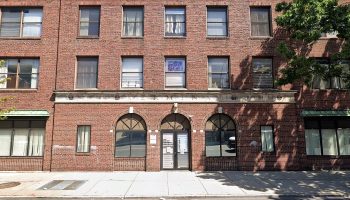
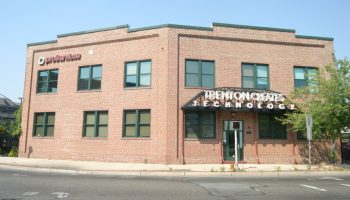
Trenton sits in Mercer County, which carries a heavier overdose burden than much of New Jersey. The county’s age-adjusted overdose death rate is 33.3 per 100,000 residents, significantly above the state average, according to the Trenton Health Team.
Opioids, particularly heroin and fentanyl, drive the majority of admissions, with opioid-related substances accounting for more than 40% of all treatment entries for Mercer County residents in 2024, per the New Jersey Division of Mental Health and Addiction Services (DMHAS).
To help combat this problem, state law (P.L. 2017, c. 28) requires that private insurers cover the first 28 days of inpatient SUD treatment without prior authorization, which removes one of the most common administrative barriers to admission. New Jersey also secured a Section 1115 Medicaid waiver that removed the federal IMD exclusion, meaningfully expanding residential treatment access for NJ FamilyCare enrollees.
Additionally, the Mercer County Office on Addiction Services provides a publicly funded safety net for uninsured or underinsured county residents, covering detox, residential treatment, outpatient care and halfway house placement for those who qualify.
Trenton Health Team (THT), a nonprofit collaborative operating across greater Trenton, has convened an Overdose Fatality Review Team since 2020, examining individual overdose deaths to identify prevention gaps and coordinate a systemwide response across healthcare, social services, and public safety partners.
Detox and SUD treatment facilities in New Jersey are licensed jointly by DMHAS, a division of the state Department of Human Services, and by the NJ Department of Health’s Office of Certificate of Need and Licensing (CN&L). All licensed facilities must comply with ongoing reporting requirements and periodic compliance inspections. So, determining a facility’s DMHAS license status before enrolling is a practical first step when choosing a detox center in Trenton.
That context matters when evaluating local programs, because many Trenton-area facilities operate under heavy Medicaid caseloads and serve a population with significant housing instability.