

 800-262-4205
Mesa Springs

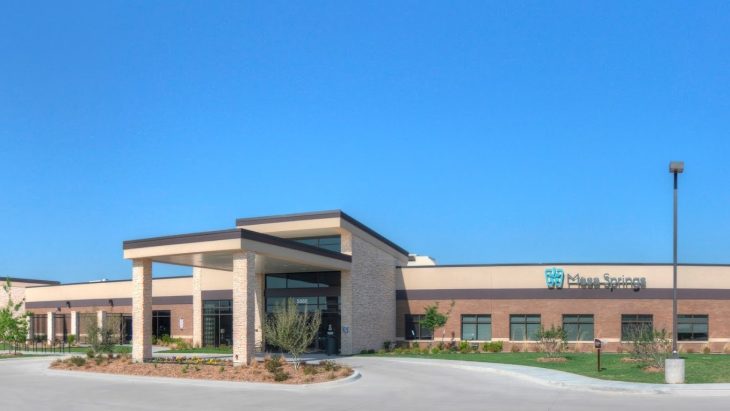
About Mesa Springs
Mesa Springs is a behavioral health hospital and addiction treatment center in Fort Worth, Texas offering a full continuum of care for adults and adolescents struggling with substance use and mental health disorders.
The facility provides multiple levels of care including inpatient, partial hospitalization and intensive outpatient services.
Mesa Springs takes an evidence based, dual diagnosis approach and treat addiction alongside co-occurring conditions such as depression and anxiety, PTSD and bipolar disorder.
Addiction Treatment Programs
Treatment at Mesa Springs can begin with acute inpatient care, which provides 24/7 supervision in a structured and stabilizing environment.
From there, clients may step down to outpatient levels of care including partial hospitalization and intensive outpatient programs that allow individuals to receive support while managing daily responsibilities.
Programming integrates individual therapy, group therapy and family therapy using evidence based modalities such as cognitive behavioral therapy and dialectical behavior therapy.
Mesa Springs also offers a specialized Military Support Program designed for active duty service members, veterans and first responders with trauma informed care addressing PTSD and substance use.
What to Know
- Location: 5560 Mesa Springs Drive in Fort Worth, TX
- Levels of care: Acute inpatient, partial hospitalization and intensive outpatient
- Who they treat: Adults and adolescents with substance use disorders, mental health conditions and dual diagnosis needs; specialized track for veterans and first responders
- Approach: Evidence based, trauma informed care using CBT and DBT, group and individual therapy, and family involvement
- Accreditation: Accredited by The Joint Commission
- Payment options: Most major insurance plans accepted; self pay options available
- Amenities: Outdoor courtyard, on site gym and structured daily programming with discharge planning support
While Mesa Springs doesn’t provide detox on site, they can help you find local programs if necessary.
| Levels of Care | Detox Service Setting | Programs | Payment Options | |||
|---|---|---|---|---|---|---|
|
Inpatient and residential programs provide round-the-clock medical and emotional support as you live at the treatment facility. This level of care may be recommended if you have severe addictions or mental health conditions since it removes outside distractions and allows you to focus solely on therapy. |
In outpatient therapy, you’ll attend therapy sessions several times each week while living at home. This is ideal if you have a strong support system and a lower risk of relapse. Outpatient treatment offers flexibility to maintain work, school or family obligations. |
Treatment plans can address co-occurring disorders along with the other concerns a person brings to care. |
||||
|
Inpatient detox occurs in a dedicated treatment facility. You’ll live there around the clock and receive intensive medical support and supervision to help manage your withdrawal symptoms. It is suitable for individuals with moderate to severe addictions as it ensures a stable detox environment. |
Outpatient detox gives you access to medically supervised withdrawal services while still allowing you to live at home. You’ll attend a clinic for treatment and monitoring. This flexible option is suitable for those with mild to moderate withdrawal symptoms who have strong support systems. |
|||||
|
Adults are served, along with children and adolescents. Military members, veterans, first responders, and other frontline professionals can use Help for Heroes. |
A medically supervised detox covers drugs or alcohol. Inpatient therapy and outpatient therapy are both offered along with that detox. |
Cognitive behavioral therapy focuses on changing harmful thought patterns and behaviors associated with addiction. You’ll learn healthier coping mechanisms by identifying and replacing negative thoughts. This improves your emotional resilience and decreases your relapse potential.
|
Men's programs address substance use while also considering the social pressures, family roles and mental health concerns that are specific to men. You’ll learn healthy coping mechanisms as you build emotional resilience and develop communication skills.
|
Opioid detox uses medications to ease severe withdrawal symptoms. It also includes medical supervision to help you manage potential complications. These services allow you to stabilize and begin a recovery plan.
|
Women's programs offer a safe and supportive space to focus on gender specific issues such as trauma, family roles and mental health conditions. Therapists tailor the sessions to address women's needs and foster empowerment in a healing and nurturing environment.
|
Young adult programs are designed for individuals who are transitioning into adulthood. Topics of discussion typically include identity, independence and peer relationships. Providers may also offer life skills training and career support.
|
|
Medicaid
|
Medicare
|
Private Insurance
|
Levels of Care
Inpatient and residential programs provide round-the-clock medical and emotional support as you live at the treatment facility. This level of care may be recommended if you have severe addictions or mental health conditions since it removes outside distractions and allows you to focus solely on therapy.
In outpatient therapy, you’ll attend therapy sessions several times each week while living at home. This is ideal if you have a strong support system and a lower risk of relapse. Outpatient treatment offers flexibility to maintain work, school or family obligations.
Treatment plans can address co-occurring disorders along with the other concerns a person brings to care.
Detox Service Setting
Inpatient detox occurs in a dedicated treatment facility. You’ll live there around the clock and receive intensive medical support and supervision to help manage your withdrawal symptoms. It is suitable for individuals with moderate to severe addictions as it ensures a stable detox environment.
Outpatient detox gives you access to medically supervised withdrawal services while still allowing you to live at home. You’ll attend a clinic for treatment and monitoring. This flexible option is suitable for those with mild to moderate withdrawal symptoms who have strong support systems.
Programs
Adults are served, along with children and adolescents. Military members, veterans, first responders, and other frontline professionals can use Help for Heroes.
A medically supervised detox covers drugs or alcohol. Inpatient therapy and outpatient therapy are both offered along with that detox.
Amenities
Accreditations

Accepted Insurance





Contact


Natalie is a recent Purdue University graduate where she studied Psychology and Creative Writing. She’s a fierce advocate for others and is committed to always showing up with a compassionate heart. She enjoys writing poetry, dancing, and playing piano in her free time.
Detox.com regularly reviews this listing for accuracy but changes may occur between updates. For the most up-to-date information, please contact Mesa Springs.
Nearby Detox Centers



Search by Texas Cities
FAQs
What levels of care does Mesa Springs offer?
Medically supervised detox covers drugs or alcohol. Partial hospitalization is a day or evening program for people who live at home. Intensive outpatient meets less frequently. Flexible outpatient substance use treatment is available, and telehealth is available for that outpatient care. Treatment plans can address co-occurring disorders, a form of co-occurring disorders care.
How is the partial hospitalization program scheduled?
The partial hospitalization program uses a day format or an evening format. It is for people who live at home while they take part in therapy and support.
Does Mesa Springs take private insurance?
Yes. Most major insurance providers are in network with this Fort Worth hospital. Other insurers can often be worked with out of network. Coverage questions belong with the insurer, and using insurance for detox explains the basics.
Can you be assessed in person or remotely?
Yes. Assessments are offered by secure video conference, by phone, or in person. Walk-ins are accepted around the clock, all seven days of the week.
Which ages and groups can get treatment here?
Behavioral health programs treat children, adolescents, and adults. Help for Heroes is a specialized track for military members, veterans, first responders, and other frontline professionals.