800-262-4205
Shades of Hope LP Treatment Center

About Shades of Hope LP Treatment Center
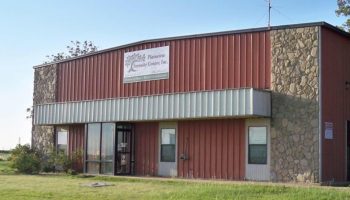
Shades of Hope LP Treatment Center is a holistic addiction treatment facility in Buffalo Gap, Texas, serving adults with all types of addictions and co-occurring disorders. The center offers individualized treatment through residential programs, five-day intensives and sober living, integrating cognitive behavioral therapy, group and individual psychotherapy and mindfulness practices. Shades of Hope emphasizes root-cause healing in a nature based campus setting designed to support lasting recovery through community and evidence based care.
Holistic Addiction Treatment in Central Texas
Shades of Hope specializes in treating all addictions and compulsive behaviors, including co-occurring and multiple addictions, with a focus on addressing underlying causes. The center is led by founder Tennie McCarty, LCDC, ADC III, CEDC, who brings over 30 years of addiction treatment expertise and lived experience to the program.
Treatment blends CBT, emotive therapy, anger management, shame management and body image work with daily meditation and yoga. The campus spans four acres under 700-year-old live oak trees, creating a calming environment that supports mindfulness healing. Sessions target root issues while equipping clients with practical coping skills for wellness.
This space does not offer clinical services like detox or MAT services.
Intensive Programs and Codependency Support
The center offers a signature five-day intensive workshop format, beginning Sunday afternoon and running through Friday at noon, designed for immersive group based healing. Shades of Hope also provides specialized codependency programs, including workshops and hybrid CODA meetings, recognizing the connection between relational patterns and addiction recovery.
Private Pay for Treatment
Shades of Hope serves clients at its Buffalo Gap campus, located 12 miles south of Abilene in central Texas, with hybrid community support offerings available via Zoom. The center follows the American Nutrition and Diet Association guidelines and emphasizes individualized care planning.
Shades of Hope is a private-pay facility and does not currently accept insurance, Medicare or Medicaid.
| Levels of Care | Detox Service Setting | Programs | Payment Options | Medications Offered |
|---|---|---|---|---|
|
Inpatient and residential programs provide round-the-clock medical and emotional support as you live at the treatment facility. This level of care may be recommended if you have severe addictions or mental health conditions since it removes outside distractions and allows you to focus solely on therapy. |
Dual diagnosis programs address substance use disorders and co-occurring mental health conditions simultaneously. This integrated approach to care improves the likelihood of long term recovery and stability by addressing the root causes of addiction. |
An intervention is a structured and professionally guided conversation with an individual who is struggling with addiction. During the conversation, family and friends will encourage you to seek treatment. This is often a pivotal step for those resistant to getting help. |
||
|
Inpatient detox occurs in a dedicated treatment facility. You’ll live there around the clock and receive intensive medical support and supervision to help manage your withdrawal symptoms. It is suitable for individuals with moderate to severe addictions as it ensures a stable detox environment. |
Medication assisted treatment combines medication and counseling to manage withdrawal and reduce cravings for opioid and alcohol addiction. Medications may include methadone, buprenorphine or naltrexone. MAT is tailored to your needs so you can actively participate in your treatment journey. |
|||
|
Adult programs address the substance use and life challenges specific to adults. Therapists can deliver sessions in individual, group and family settings. Services often include job support and life skills training in a structured environment.
|
Young adult programs are designed for individuals who are transitioning into adulthood. Topics of discussion typically include identity, independence and peer relationships. Providers may also offer life skills training and career support.
|
Women's programs offer a safe and supportive space to focus on gender specific issues such as trauma, family roles and mental health conditions. Therapists tailor the sessions to address women's needs and foster empowerment in a healing and nurturing environment.
|
Men's programs address substance use while also considering the social pressures, family roles and mental health concerns that are specific to men. You’ll learn healthy coping mechanisms as you build emotional resilience and develop communication skills.
|
|
|
Medicaid
|
Medicare
|
Self Pay
|
Private Insurance
|
|
|
Buprenorphine
|
Levels of Care
Inpatient and residential programs provide round-the-clock medical and emotional support as you live at the treatment facility. This level of care may be recommended if you have severe addictions or mental health conditions since it removes outside distractions and allows you to focus solely on therapy.
Dual diagnosis programs address substance use disorders and co-occurring mental health conditions simultaneously. This integrated approach to care improves the likelihood of long term recovery and stability by addressing the root causes of addiction.
An intervention is a structured and professionally guided conversation with an individual who is struggling with addiction. During the conversation, family and friends will encourage you to seek treatment. This is often a pivotal step for those resistant to getting help.
Detox Service Setting
Inpatient detox occurs in a dedicated treatment facility. You’ll live there around the clock and receive intensive medical support and supervision to help manage your withdrawal symptoms. It is suitable for individuals with moderate to severe addictions as it ensures a stable detox environment.
Medication assisted treatment combines medication and counseling to manage withdrawal and reduce cravings for opioid and alcohol addiction. Medications may include methadone, buprenorphine or naltrexone. MAT is tailored to your needs so you can actively participate in your treatment journey.
Programs
Medications Offered
Amenities
Contact


- Monday 9AM - 5PM
- Tuesday 9AM - 5PM
- Wednesday 9AM - 5PM
- Thursday 9AM - 5PM
- Friday 9AM - 5PM
- Saturday 9AM - 5PM
- Sunday 9AM - 5PM

Maygen Brockway, MTC, lives in scenic Southern Utah and has over 10 years of editing and writing experience. She’s created content for the medical, wedding, fashion, and technical industries. She loves poetry and coffee, writing, and being a social butterfly and a mom.
Detox.com regularly reviews this listing for accuracy but changes may occur between updates. For the most up-to-date information, please contact Shades of Hope LP Treatment Center.