

 800-262-4205
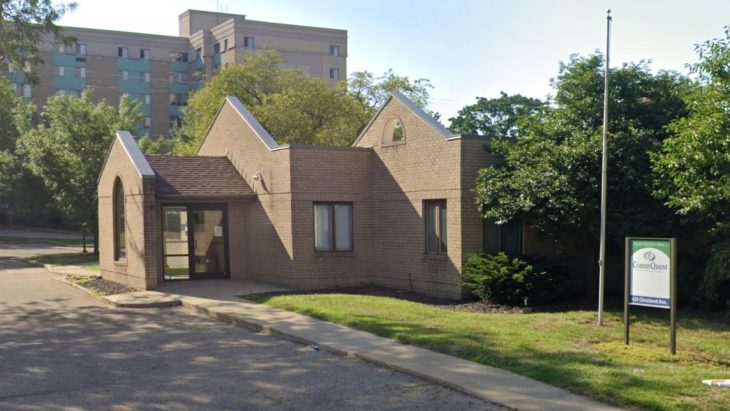
CommQuest Services Cleveland Ave. Outpatient

About CommQuest Services Cleveland Ave. Outpatient
CommQuest Services offers substance use recovery, mental health and social support services. The agency operates an outpatient campus on Cleveland Avenue in Canton, just a short walk from the Palace Theatre. Their campus building B location is close proximity to their campus building A location, where individuals can receive medication assisted treatment.
Effective Counseling and Psychiatric Care For Healing
At Campus Building B, you can receive counseling to address substance use issues and psychiatric care for co-occurring mental health challenges. During counseling, you can get to the root cause of your addiction, and learn about healthy coping mechanisms to manage stress without substance use.
In some cases, you may need medication to treat mental illnesses that contribute to addiction. The psychiatry team can determine the appropriate medication and dosage to treat your mental illness. The facility also offers case management to help you navigate personal challenges like housing instability, employment barriers or legal issues.
Medication-Supported Recovery For Opioid Addiction
Clients with primary opioid dependence are referred to Campus Building A for medication-assisted treatment (MAT). At Campus Building A, you’ll receive a prescription for methadone, buprenorphine, or Vivitrol as part of your personalized recovery plan following a same-day intake assessment. These medications help ease withdrawal symptoms and cravings, allowing you to focus on the psychological issues driving your opioid use while building strategies to prevent relapse.
This location offers various services, from family support and school-based counseling for adolescents to a specialized recovery initiative for pregnant women called the Mom + Me program. This free and confidential program connects opioid-dependent and at-risk mothers to prenatal and postnatal care, supporting healthy pregnancies and full-term deliveries.
| Levels of Care | Detox Service Setting | Programs | Payment Options | |||||
|---|---|---|---|---|---|---|---|---|
|
In outpatient therapy, you’ll attend therapy sessions several times each week while living at home. This is ideal if you have a strong support system and a lower risk of relapse. Outpatient treatment offers flexibility to maintain work, school or family obligations. |
Aftercare programs provide ongoing support after you complete a rehab program. They may include several components to help you maintain sobriety including therapy, community support groups and relapse prevention strategies. This gives you a network of resources as you reintegrate into your daily life. |
Dual diagnosis programs address substance use disorders and co-occurring mental health conditions simultaneously. This integrated approach to care improves the likelihood of long term recovery and stability by addressing the root causes of addiction. |
Intensive Outpatient
|
|||||
|
Outpatient detox gives you access to medically supervised withdrawal services while still allowing you to live at home. You’ll attend a clinic for treatment and monitoring. This flexible option is suitable for those with mild to moderate withdrawal symptoms who have strong support systems. |
Medication assisted treatment combines medication and counseling to manage withdrawal and reduce cravings for opioid and alcohol addiction. Medications may include methadone, buprenorphine or naltrexone. MAT is tailored to your needs so you can actively participate in your treatment journey. |
|||||||
|
Adult programs address the substance use and life challenges specific to adults. Therapists can deliver sessions in individual, group and family settings. Services often include job support and life skills training in a structured environment.
|
Alcohol detox programs offer medical support to help individuals withdraw safely from alcohol. Your care team may use medications to ease your symptoms and provide medical monitoring to address complications.
|
Drug detox programs support individuals who are withdrawing from addictive substances like cocaine and heroin. Medical support helps you manage symptoms in a controlled and safe environment so you can achieve initial sobriety.
|
Men's programs address substance use while also considering the social pressures, family roles and mental health concerns that are specific to men. You’ll learn healthy coping mechanisms as you build emotional resilience and develop communication skills.
|
Opioid detox uses medications to ease severe withdrawal symptoms. It also includes medical supervision to help you manage potential complications. These services allow you to stabilize and begin a recovery plan.
|
Women's programs offer a safe and supportive space to focus on gender specific issues such as trauma, family roles and mental health conditions. Therapists tailor the sessions to address women's needs and foster empowerment in a healing and nurturing environment.
|
Young adult programs are designed for individuals who are transitioning into adulthood. Topics of discussion typically include identity, independence and peer relationships. Providers may also offer life skills training and career support.
|
Teen (13 - 18)
|
Cognitive behavioral therapy focuses on changing harmful thought patterns and behaviors associated with addiction. You’ll learn healthier coping mechanisms by identifying and replacing negative thoughts. This improves your emotional resilience and decreases your relapse potential. |
|
Payment Assistance
|
Medicaid
|
Medicare
|
Military Insurance
|
Private Insurance
|
Self Pay
|
Levels of Care
In outpatient therapy, you’ll attend therapy sessions several times each week while living at home. This is ideal if you have a strong support system and a lower risk of relapse. Outpatient treatment offers flexibility to maintain work, school or family obligations.
Aftercare programs provide ongoing support after you complete a rehab program. They may include several components to help you maintain sobriety including therapy, community support groups and relapse prevention strategies. This gives you a network of resources as you reintegrate into your daily life.
Dual diagnosis programs address substance use disorders and co-occurring mental health conditions simultaneously. This integrated approach to care improves the likelihood of long term recovery and stability by addressing the root causes of addiction.
Detox Service Setting
Outpatient detox gives you access to medically supervised withdrawal services while still allowing you to live at home. You’ll attend a clinic for treatment and monitoring. This flexible option is suitable for those with mild to moderate withdrawal symptoms who have strong support systems.
Medication assisted treatment combines medication and counseling to manage withdrawal and reduce cravings for opioid and alcohol addiction. Medications may include methadone, buprenorphine or naltrexone. MAT is tailored to your needs so you can actively participate in your treatment journey.
Programs
Cognitive behavioral therapy focuses on changing harmful thought patterns and behaviors associated with addiction. You’ll learn healthier coping mechanisms by identifying and replacing negative thoughts. This improves your emotional resilience and decreases your relapse potential.
Accreditations

Accepted Insurance
Contact


- Monday 8AM - 6PM
- Tuesday 8AM - 6PM
- Wednesday 8AM - 7PM
- Thursday 8AM - 6PM
- Friday 8AM - 1PM

Chika Uchendu has expertise in personal finance, technology, and health. His journalism and digital marketing background enables him to combine data-driven analysis with engaging storytelling. Chika uses his voice to drive awareness and meaningful change among people dealing with the pandemic of substance use disorder. Chika is an ambivert who enjoys sports, hiking, reading, and video gaming.

Eric has a passion for content creation, whether it’s writing articles or making YouTube videos. He appreciates the power of storytelling to inform an audience about the information they need to know. In addition to writing, he also spends his time traveling and discovering new restaurants.
Detox.com regularly reviews this listing for accuracy but changes may occur between updates. For the most up-to-date information, please contact CommQuest Services Cleveland Ave. Outpatient.
Nearby Detox Centers


Search by Ohio Cities
FAQs
Does CommQuest Services Cleveland Ave offer outpatient detox with medication support?
Yes, CommQuest Services Cleveland Ave. Outpatient in Canton, Ohio provides outpatient detox services as part of a broader continuum of care. Medication-assisted treatment (MAT) is available to support individuals during withdrawal management, allowing clients to receive care while maintaining their daily responsibilities.
What substances does CommQuest Canton treat in outpatient detox programs?
CommQuest Services Cleveland Ave. specializes in treatment for alcoholism, opioid addiction, and substance abuse. The facility’s outpatient detox services address both alcohol and drug addiction, with medication-assisted treatment available specifically for individuals with opioid use disorder.
How does intensive outpatient care work at CommQuest Cleveland Ave in Canton?
CommQuest’s Intensive Outpatient Program (IOP) provides structured treatment several days per week while allowing clients to live at home and maintain work, school, or family responsibilities. This level of care serves as a step-down from higher levels or an alternative to residential treatment.
Does CommQuest Cleveland Ave treat dual diagnosis or co-occurring mental health conditions?
Yes, CommQuest Services Cleveland Ave. offers dual diagnosis treatment for clients struggling with both addiction and mental health disorders. The facility uses evidence-based therapies including cognitive behavioral therapy (CBT), dialectical behavior therapy (DBT), and motivational interviewing to address both conditions.
What insurance does CommQuest Cleveland Ave accept for detox and outpatient treatment?
CommQuest Services Cleveland Ave. accepts Medicaid, Medicare, private health insurance, state-financed insurance, and self-pay options. This variety of payment methods helps make outpatient detox and treatment services accessible to a broader range of individuals and families.
Does CommQuest offer detox programs for teenagers in Canton, Ohio?
Yes, CommQuest Services provides addiction treatment for adolescents ages 13 to 18, as well as adults age 18 and older. Both age groups can access the facility’s outpatient detox, intensive outpatient, and aftercare services at the Cleveland Ave. location in Canton.