518-217-8415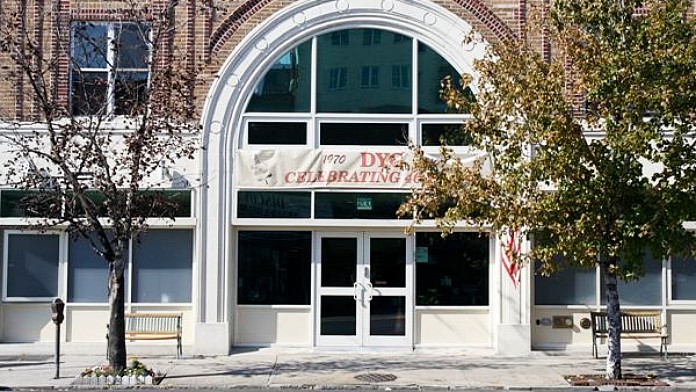
Dynamite Youth Center
Brooklyn, NY
11230
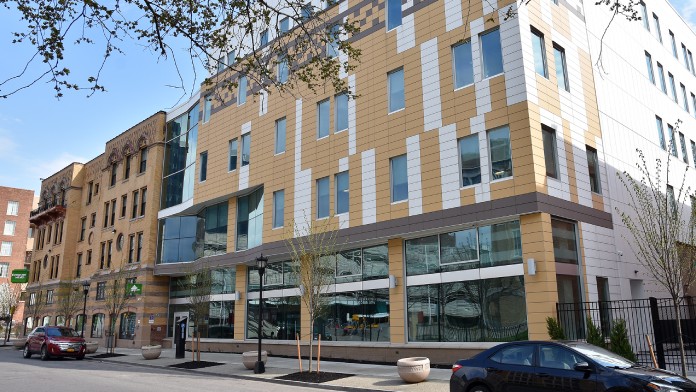
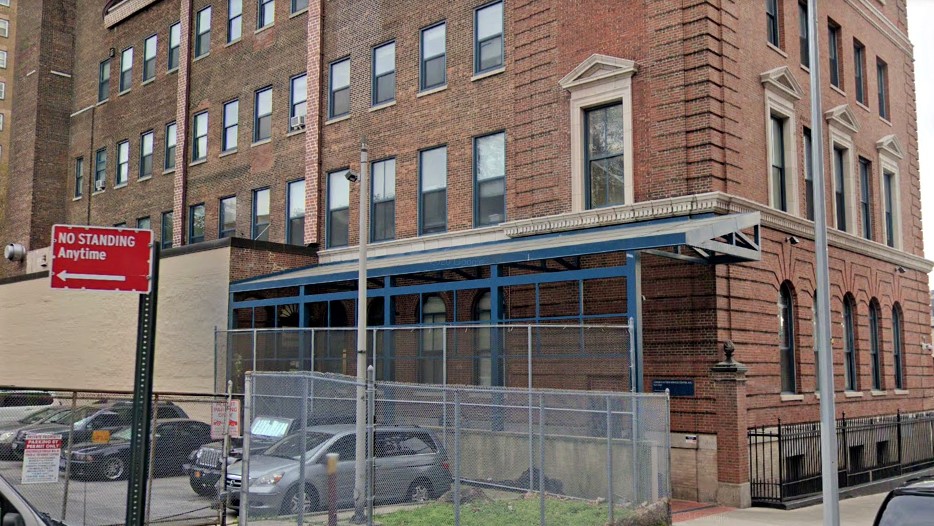
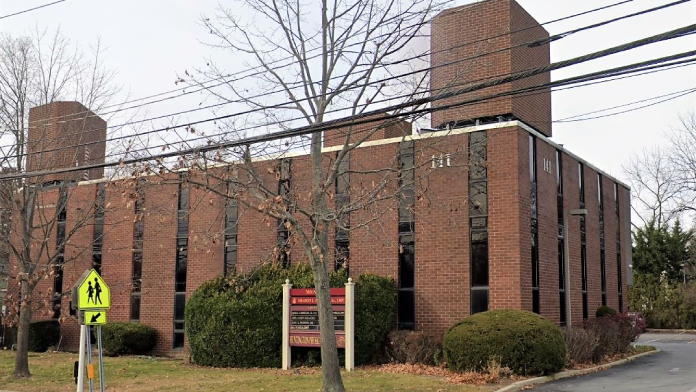
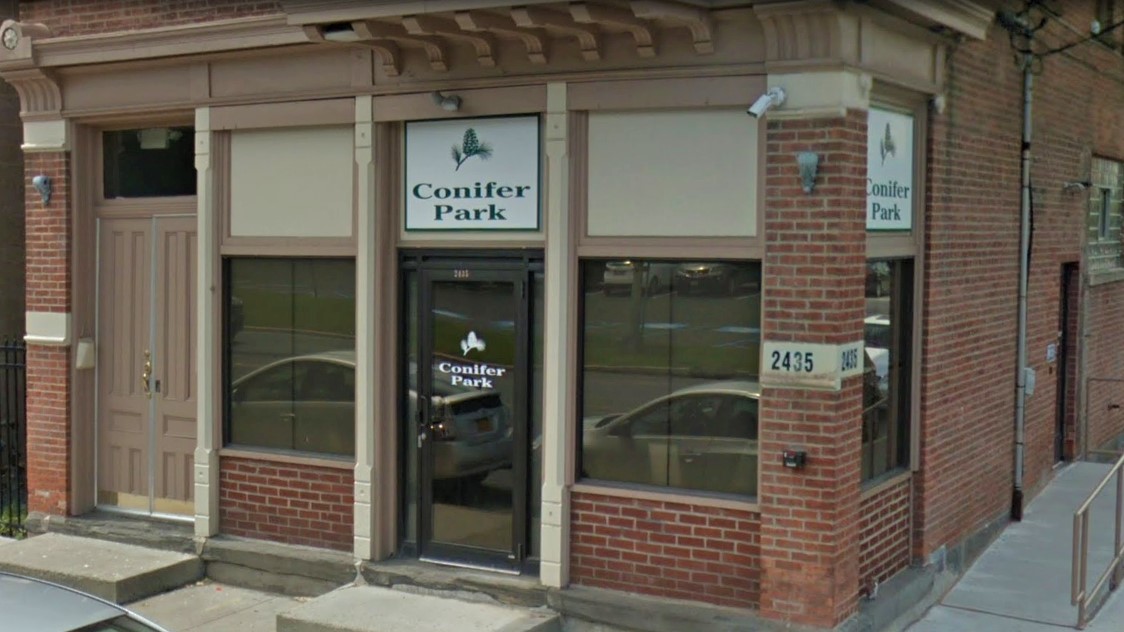
| Name | Address | Detox Service Setting | Levels Of Care | Media |
|---|---|---|---|---|
Crouse Hospital |
736 Irving Avenue Syracuse, NY 13210 |
Detox Service Setting
Inpatient DetoxMATHospital Detox+1
|
Levels Of Care
InpatientOutpatientDual Diagnosis+1
|

|
Syracuse Behavioral Healthcare The Willows Detoxification Program (Helio Health) |
Syracuse, NY 13203 |
Detox Service Setting
Inpatient DetoxMAT
|
Levels Of Care
InpatientOutpatient
|

|
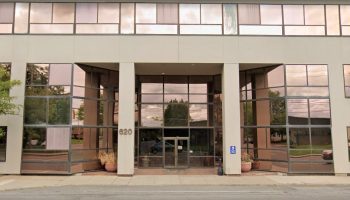
Syracuse VA Medical Center Erie West VA Clinic |
620 Erie Boulevard West Syracuse, NY 13204 |
Detox Service Setting
Outpatient Detox
|
Levels Of Care
OutpatientAftercareDual Diagnosis+2
|
|
Crouse Health Hospital Commonwealth Place Inpatient |
6010 East Molloy Road Syracuse, NY 13211 |
Detox Service Setting
Inpatient Detox
|
Levels Of Care
InpatientAftercare
|
|
Helio Health Personalized Recovery Oriented Services |
321 West Onondaga Street Syracuse, NY 13202 |
Detox Service Setting
Outpatient Detox
|
Levels Of Care
OutpatientDual Diagnosis
|
|
Syracuse Recovery Services LLC |
319 East Water Street Syracuse, NY 13202 |
Detox Service Setting
Outpatient DetoxMAT
|
Levels Of Care
Outpatient
|
|
Catholic Charities The Charles Street Halfway House |
29 Charles Street Cortland, NY 13045 |
Detox Service Setting
Inpatient Detox
|
Levels Of Care
InpatientAftercareSober Living
|

|
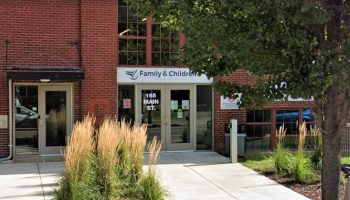
Family Counseling Services Main Offices Cortland County |
165 Main Street Cortland, NY 13045 |
Detox Service Setting
Outpatient Detox
|
Levels Of Care
OutpatientDual Diagnosis
|
|
Beacon Center |
303 West Liberty Street Rome, NY 13440 |
Detox Service Setting
Outpatient DetoxMAT
|
Levels Of Care
OutpatientAftercareIntensive Outpatient
|
|
Van Dyke Addiction Treatment Center |
1330 County Road 132 Ovid, NY 14521 |
Detox Service Setting
Inpatient Detox
|
Levels Of Care
Inpatient
|
|
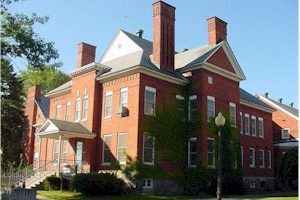
McPike Addiction Treatment Center |
1213 Court Street Utica, NY 13502 |
Detox Service Setting
Inpatient Detox
|
Levels Of Care
InpatientAftercare
|
|
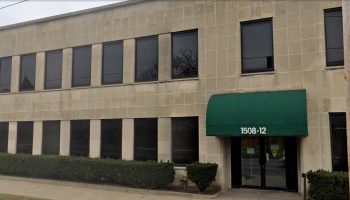
Beacon Center Utica |
1508 Genesee Street Utica, NY 13502 |
Detox Service Setting
Outpatient Detox
|
Levels Of Care
OutpatientAftercare
|
|
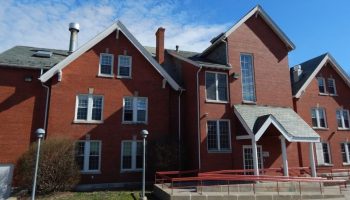
Finger Lakes Area Counseling and Recovery Agency Otte Hall |
621 Church Street Newark, NY 14513 |
Detox Service Setting
Inpatient DetoxOutpatient Detox
|
Levels Of Care
InpatientOutpatientDual Diagnosis+1
|
|
FLACRA – Teller Square |
28 East Main Street Clifton Springs, NY 14432 |
Detox Service Setting
Inpatient DetoxOutpatient DetoxMAT
|
Levels Of Care
InpatientOutpatientAftercare+2
|
|
Finger Lakes Community Residence |
400 Fort Hill Avenue Canandaigua, NY 14424 |
Detox Service Setting
Inpatient DetoxOutpatient DetoxMAT
|
Levels Of Care
InpatientPHPOutpatient+3
|
|
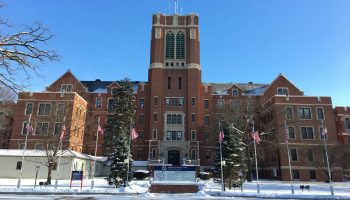
Syracuse is the largest city in Central New York and the county seat of Onondaga County.
Fentanyl has dominated the local overdose picture for several years, though Onondaga County saw a roughly 42% reduction in opioid fatalities from 2023 to 2024, driven in part by expanded naloxone access, growing harm reduction infrastructure and increased availability of medication-assisted treatment across the county.
Onondaga County has directed opioid lawsuit settlement funds to local providers to expand treatment capacity. Among the documented allocations, Crouse Hospital received $450,000 to increase addiction treatment services, and Catholic Charities received $750,000 to expand treatment access for people in homeless shelters.
In fact, the county allocated over $1.4 million in settlement funds in 2024 across treatment and services for special populations.
A significant patient protection in New York is that state law bars insurers from requiring prior authorization for in-network, medically necessary inpatient SUD treatment, including detox, during the first 14 days of admission, provided the provider notifies the insurer within 48 hours of intake. This rule removes one of the most common delays people face when trying to enter care.
Every detox and substance use disorder treatment program in the area must hold active certification from the New York State Office of Addiction Services and Supports (OASAS), the state’s lead agency for addiction services.
OASAS sets minimum standards for each level of care, from medically managed inpatient withdrawal to outpatient counseling, and licenses all providers operating in the state. Certification status can be confirmed through the OASAS provider directory at oasas.ny.gov.
Understanding how much detox costs in Syracuse is an important early step. Costs vary based on the level of care required, the substances involved, program duration and whether a facility accepts your insurance.
Upstate New York treatment costs tend to track closer to the national midrange than those in New York City and most people pay well below list price once insurance, Medicaid or sliding-scale assistance is applied.
Detox pricing in Syracuse generally aligns with Upstate New York averages. Substance type, withdrawal severity, medication requirements and length of stay are the main cost variables.
New York’s Timothy’s Law, enacted in 2006, requires group health insurance plans to cover substance use disorder treatment on the same terms as other medical conditions.
Under additional state rules, insurers cannot require prior authorization for MAT medications, and concurrent utilization review cannot begin until at least day 14 of an inpatient stay. The New York State Department of Financial Services enforces these standards for plans regulated under state law.
The most common private insurance carriers in the Syracuse and Upstate New York market include:
Medicare covers inpatient and outpatient drug and alcohol detox in Syracuse under Parts A and B.
Part A applies to hospital-based medically managed detox, while Part B covers outpatient SUD treatment and OTP services including methadone, buprenorphine, and naltrexone. Your out-of-pocket costs depend on the treatment setting, the services provided, and whether you have a supplemental Medigap or Medicare Advantage plan.
Note that New York’s 14-day prior authorization protection applies to state-regulated group health insurance plans and does not extend to Medicare.
New York Medicaid covers the full SUD treatment continuum for eligible residents, including medically managed inpatient detox, residential programs, outpatient services and MAT medications, at no cost to the enrollee.
Enrollment is available through NY State of Health at nystateofhealth.ny.gov. For individuals without any coverage, OASAS rules prohibit certified providers from turning away anyone due to inability to pay, and most OASAS-funded facilities operate sliding-scale fee structures based on household income and family size.
Three bodies govern addiction treatment in Syracuse.
OASAS is the primary state licensing authority, certifying every facility and setting minimum clinical standards across all levels of care. The Onondaga County Department of Mental Health functions as the county’s Local Governmental Unit under New York Mental Hygiene Law, coordinating local SUD treatment planning and distributing opioid settlement funding to community organizations.
Many programs also carry voluntary national accreditation from The Joint Commission or CARF International, which reflects clinical standards above the state baseline.
Access to medication-assisted detox in Syracuse expanded significantly after the federal Drug Enforcement Administration eliminated the X-waiver requirement in 2023, allowing any licensed physician to prescribe buprenorphine for opioid use disorder without a separate registration.
This change meaningfully increased the number of prescribers available across Onondaga County. Helio Health’s Certified Community Behavioral Health Clinic on West Onondaga Street and the Open Access Center at 329 North Salina Street (315-471-1564) are both walk-in entry points for MAT and SUD services serving Onondaga and surrounding counties.
Available through office-based prescribers and OASAS-certified outpatient programs. Following the X-waiver elimination, any licensed physician in New York can now prescribe buprenorphine, substantially increasing access across the county.
Dispensed through licensed Opioid Treatment Programs (OTPs). Upstate Medical University (750 East Adams Street) operates an outpatient program in Syracuse. Helio Health also operates MAT services through its CCBHC.
Available through outpatient programs and prescribers following a completed, medically supervised detox from opioids or alcohol.
Harm reduction providers in Syracuse offer critical support to people who are not yet ready for treatment or who are waiting for a program opening.
Fentanyl has been detected in an increasingly wide range of substances in Central New York, including stimulants and counterfeit pills not traditionally associated with opioids. Anyone using substances in the region should have access to naloxone and know how to use it.
For people managing active opioid use, understanding fentanyl and opioid risks is an important first step toward making safer decisions.
ACR Health runs Syracuse’s primary syringe exchange program, with fixed-site services and mobile outreach teams that bring supplies directly to people in neighborhoods with high overdose concentrations.
Their voucher program allows participants to access sterile syringes at partner pharmacies throughout the region, reducing dependence on a single service location.
The Onondaga County Health Department distributes free naloxone and fentanyl test strips by phone or text at (315) 418-5365.
The department monitors overdose clusters in real time using the Overdose Detection Mapping Application Program and issues public health alerts when spikes are detected across the county.
Prevention Network CNY provides community-level prevention education and family support navigation across Onondaga and surrounding counties.
Their Family Support Navigator program connects family members with available treatment options and recovery services and community educators work directly with schools and neighborhood organizations on prevention.
Calling or texting 2-1-1 connects people to trained referral specialists who can identify available treatment openings, harm reduction resources and support services throughout Onondaga County.
The service operates around the clock and is available to anyone regardless of insurance status or treatment history.
Onondaga County has recorded meaningful progress in reducing overdose fatalities over the past two years, though fentanyl continues to drive the majority of deaths across the region. The data below reflect recent local and statewide findings.
Onondaga County recorded 2,115 reported overdose incidents throughout 2023, underscoring the scale of the local crisis even as fatal deaths began to trend downward.
Statewide Fentanyl was present in 80% of all overdose deaths across New York State in 2023, consistent with the dominant drug supply patterns reported in Onondaga County.
Preliminary 2024 data shared by County Executive Ryan McMahon showed nearly a 40% decline in unattended opioid-related deaths, the most favorable year-over-year reduction in recent county history.
Helio Health’s Open Access Center (329 North Salina Street, 315-471-1564) operates 24 hours a day and accepts walk-in referrals regardless of insurance status. Under OASAS rules, any OASAS-funded provider cannot turn away a person due to inability to pay.
Bring proof of New York State residency and income documentation for a sliding-fee determination.
New York’s Good Samaritan Law protects individuals who call 911 to report an overdose. Both the caller and the person experiencing the overdose are shielded from prosecution for certain drug possession offenses related to that incident.
The law applies statewide, including Onondaga County, and is designed to reduce the fear of arrest as a barrier to calling for emergency help.
Inpatient detox provides 24-hour medical supervision in a residential or hospital-based setting and is recommended when alcohol, benzodiazepine or significant opioid withdrawal poses medical risk.
Outpatient detox allows someone to complete withdrawal while living at home and is better suited to lower-severity cases with a stable home environment and strong support.
Yes. The Syracuse VA Medical Center (800 Irving Avenue) provides substance use disorder services, including opioid treatment and outpatient MAT, to eligible veterans.
Veterans enrolled in VA health care should contact their VA primary care or mental health team for a referral. Veterans not yet enrolled can contact the Syracuse VA enrollment office to determine eligibility before seeking care.
Yes, positively. The DEA eliminated the X-waiver requirement in 2023, allowing any licensed physician in New York to prescribe buprenorphine for opioid use disorder without a separate federal registration.
This has broadened the pool of prescribers in Onondaga County and reduced the wait time many patients previously faced when seeking medication-based treatment for opioid withdrawal.
Yes. Helio Health’s Willows Inpatient Rehabilitation (847 James Street) is an OASAS-certified 40-bed inpatient program that includes services for pregnant women and mothers with young children.
It provides medically supervised detox alongside care for co-occurring mental health conditions. Medically supervised MAT during pregnancy is the current standard of care and is available through several OASAS-certified programs in the county.