

 800-262-4205
Discovery Institute for Add Disorders/Long/Short Term Resid



About Discovery Institute for Add Disorders/Long/Short Term Resid
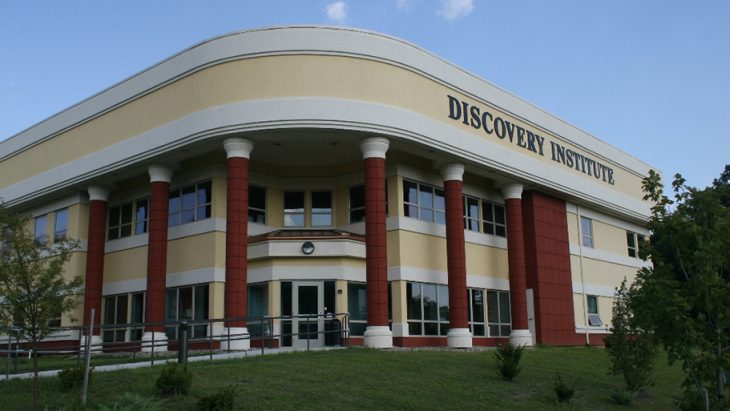
Discovery Institute is a comprehensive addiction treatment center in Marlboro, New Jersey. They have programs and services for nearly any stage in your recovery journey and that includes the first stage which is detox.
This facility has medical detox, which means that you’ll have inpatient care while your body is getting rid of the drugs and alcohol and adapting to functioning without them. You’ll have medical supervision at all times to make sure you’re healthy and safe and to relieve your withdrawal symptoms as much as possible.
Since they have medical staff here, they can help you detox from alcohol and nearly any type of drug. That includes opiates like heroin and fentanyl. Benzodiazepine can be a challenging withdrawal, but they can help with that, too. They also help with detoxing from amphetamines and cocaine and other drugs.
During your detox, you’ll get started on the therapy journey as well. After your detox they have multiple levels of treatment for you to continue into like residential rehab and partial hospitalization (PHP) and intensive outpatient programs (IOP). At each level of care, this facility accepts insurance plans from most insurance providers.
What I found especially notable here is that they have specialized care for seniors at many levels of care. This isn’t very common among rehabs or detox centers, so that’s a plus.
The reviews for this detox and treatment center are very positive. Clients mostly say that the staff here is caring and welcoming, and that they seem to be truly invested in clients’ success. A lot of clients even say that they’ve been to multiple treatment centers in the past, and this facility gave them practical skills and education that have made a difference in their long term recovery.
| Levels of Care | Detox Service Setting | Programs | Payment Options | Medications Offered | |||||
|---|---|---|---|---|---|---|---|---|---|
|
Inpatient and residential programs provide round-the-clock medical and emotional support as you live at the treatment facility. This level of care may be recommended if you have severe addictions or mental health conditions since it removes outside distractions and allows you to focus solely on therapy. |
In outpatient therapy, you’ll attend therapy sessions several times each week while living at home. This is ideal if you have a strong support system and a lower risk of relapse. Outpatient treatment offers flexibility to maintain work, school or family obligations. |
Partial hospitalization programs provide comprehensive treatment in a structured setting during the day but allow you to return home at night. These programs offer a balance of inpatient and outpatient rehab and provide intensive support without full time residency. |
The Intensive Outpatient Program at Discovery Institute offers flexible treatment for clients transitioning from detox or residential care, allowing continued work, school, or family responsibilities while receiving support. |
Discovery Institute’s Co-Occurring Disorders Program delivers integrated treatment for clients facing substance use alongside depression, anxiety, bipolar disorder, PTSD, or other mood disorders. |
|||||
|
Inpatient detox occurs in a dedicated treatment facility. You’ll live there around the clock and receive intensive medical support and supervision to help manage your withdrawal symptoms. It is suitable for individuals with moderate to severe addictions as it ensures a stable detox environment. |
Outpatient detox gives you access to medically supervised withdrawal services while still allowing you to live at home. You’ll attend a clinic for treatment and monitoring. This flexible option is suitable for those with mild to moderate withdrawal symptoms who have strong support systems. |
Medication may be used during detox at Discovery Institute to help manage withdrawal symptoms and cravings under medical supervision as part of the facility’s structured detox program. |
|||||||
|
Teen (13 - 18)
|
Adult programs address the substance use and life challenges specific to adults. Therapists can deliver sessions in individual, group and family settings. Services often include job support and life skills training in a structured environment.
|
Young adult programs are designed for individuals who are transitioning into adulthood. Topics of discussion typically include identity, independence and peer relationships. Providers may also offer life skills training and career support.
|
Senior programs address the unique needs of older adults like chronic pain, grief and isolation. Programs include peer support and medical oversight for age related health concerns. The goal is to improve quality of life and promote sober aging.
|
Women's programs offer a safe and supportive space to focus on gender specific issues such as trauma, family roles and mental health conditions. Therapists tailor the sessions to address women's needs and foster empowerment in a healing and nurturing environment.
|
Men's programs address substance use while also considering the social pressures, family roles and mental health concerns that are specific to men. You’ll learn healthy coping mechanisms as you build emotional resilience and develop communication skills.
|
Discovery Institute provides medically supervised alcohol detox services in Marlboro, NJ, helping clients safely manage withdrawal symptoms under 24/7 clinical monitoring before moving into residential care. |
Discovery Institute offers drug detox services for opioids, benzodiazepines, and other substances, using medical supervision and medication management to ease withdrawal symptoms and cravings. |
Discovery Institute’s detox program addresses opioid withdrawal with medical supervision and medication support, helping clients stabilize safely before transitioning into residential or outpatient care. |
Discovery Institute incorporates Cognitive Behavioral Therapy into individualized treatment plans, helping clients in detox and residential care address thought patterns connected to substance use. |
|
Self Pay
|
Medicaid
|
State Family Services
|
Private Insurance
|
Sliding Scale Payment
|
Payment Assistance
|
||||
|
Methadone
|
Levels of Care
Inpatient and residential programs provide round-the-clock medical and emotional support as you live at the treatment facility. This level of care may be recommended if you have severe addictions or mental health conditions since it removes outside distractions and allows you to focus solely on therapy.
In outpatient therapy, you’ll attend therapy sessions several times each week while living at home. This is ideal if you have a strong support system and a lower risk of relapse. Outpatient treatment offers flexibility to maintain work, school or family obligations.
Partial hospitalization programs provide comprehensive treatment in a structured setting during the day but allow you to return home at night. These programs offer a balance of inpatient and outpatient rehab and provide intensive support without full time residency.
The Intensive Outpatient Program at Discovery Institute offers flexible treatment for clients transitioning from detox or residential care, allowing continued work, school, or family responsibilities while receiving support.
Discovery Institute’s Co-Occurring Disorders Program delivers integrated treatment for clients facing substance use alongside depression, anxiety, bipolar disorder, PTSD, or other mood disorders.
Detox Service Setting
Inpatient detox occurs in a dedicated treatment facility. You’ll live there around the clock and receive intensive medical support and supervision to help manage your withdrawal symptoms. It is suitable for individuals with moderate to severe addictions as it ensures a stable detox environment.
Outpatient detox gives you access to medically supervised withdrawal services while still allowing you to live at home. You’ll attend a clinic for treatment and monitoring. This flexible option is suitable for those with mild to moderate withdrawal symptoms who have strong support systems.
Medication may be used during detox at Discovery Institute to help manage withdrawal symptoms and cravings under medical supervision as part of the facility’s structured detox program.
Programs
Discovery Institute provides medically supervised alcohol detox services in Marlboro, NJ, helping clients safely manage withdrawal symptoms under 24/7 clinical monitoring before moving into residential care.
Discovery Institute offers drug detox services for opioids, benzodiazepines, and other substances, using medical supervision and medication management to ease withdrawal symptoms and cravings.
Discovery Institute’s detox program addresses opioid withdrawal with medical supervision and medication support, helping clients stabilize safely before transitioning into residential or outpatient care.
Discovery Institute incorporates Cognitive Behavioral Therapy into individualized treatment plans, helping clients in detox and residential care address thought patterns connected to substance use.
Medications Offered
Amenities
Accreditations

Accepted Insurance


Contact


- Monday Closed
- Tuesday Closed
- Wednesday Closed
- Thursday Closed
- Friday Closed
- Saturday Closed
- Sunday Closed

Mari Mendoza is an Ontario-based writer and facilitator. She has close to 20 years of writing experience and has written web content for a wide range of topic including mental health. She holds an BA in English from University of Toronto.

Peter W.Y. Lee is a historian with a focus in American Cold War culture. He has examined how popular culture has served as a coping mechanism for the challenges and changes impacting American society throughout the twentieth century.
Detox.com regularly reviews this listing for accuracy but changes may occur between updates. For the most up-to-date information, please contact Discovery Institute for Add Disorders/Long/Short Term Resid.
Nearby Detox Centers



Search by New Jersey Cities
FAQs
What residential detox and withdrawal management programs does Discovery Institute offer?
Discovery Institute for ADD Disorders in Marlboro, NJ operates both short-term and long-term residential programs. The facility specializes in comprehensive withdrawal management and detoxification services within a residential treatment setting, allowing individuals to stabilize in a structured environment while addressing substance use and co-occurring conditions.
Does Discovery Institute provide 24-hour medical supervision during detoxification?
The facility offers residential detox care with continuous on-site support in Marlboro. Clients receive supervision and monitoring in a controlled residential environment designed to manage withdrawal symptoms safely and provide immediate clinical attention if needed during the detoxification process.
How does Discovery Institute address co-occurring disorders during detox and residential treatment?
Discovery Institute specializes in treating individuals with attention and behavioral health disorders alongside substance use. The residential program integrates detoxification care with therapeutic support for co-occurring conditions, recognizing that many clients need coordinated treatment for multiple health and behavioral needs.
What is the typical length of stay for detoxification at Discovery Institute?
Discovery Institute offers both short-term and long-term residential options. The length of stay depends on individual clinical needs and the severity of withdrawal symptoms. The facility can discuss appropriate program duration during the intake assessment based on the client’s specific situation.
What should someone expect during the admission process at Discovery Institute?
Prospective clients and families can contact Discovery Institute to discuss residential detox options. The facility conducts assessments to determine the appropriate level of care, reviews medical history and substance use, and explains the residential program structure. Admission typically follows completion of intake evaluation and insurance verification.