800-671-4304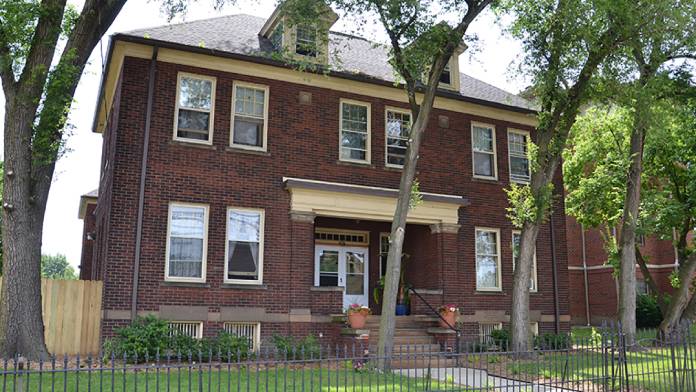
About Edna House
Edna House in Cleveland, Ohio is a 12 step based residential treatment and sober living home for women. The model emphasizes group recovery and personal responsibility to restore dignity for clients living with addiction issues. It follows a highly structured regimen with several unique twists on the residential treatment model, although it’s worth noting that they can refer you to detox services but they don’t offer detox care on site.
This is a particularly inclusive facility for multiple reasons. First, there’s no limit to how long a client can stay or how often they can re enter the program. Healing and recovery happen on your time, and the home is always there if you need it. Second, no one is turned away based on their ability to pay.
Community involvement and Peer Centered Recovery
Early on in the program, you’ll attend in house 12 step meetings and other group sessions, but you’ll also be tasked with building a support system within the broader community. This can be done by joining offsite recovery groups. It’s a small step toward getting you back into the community during your recovery that also addresses your social needs.
But it goes beyond support groups. The early stages of the program also present you with opportunities to volunteer in the local community, letting you give back while working on your work skills. The added sense of purpose and belonging greatly aid relapse prevention.
Get Your Education While Recovering
If you haven’t earned a high school degree, you can take courses here to complete your GED. Doing so can open doors to employment opportunities that will support your independence and, in turn, your sobriety.
A Home of Your Own
After three months in the program, you can move from the community residence into off site housing. It’s a great boost to your independence, plus you’ll still be participating in the program itself. It gives you a balance of living independently in sobriety while staying involved through alumni programming and mentorship opportunities.
The latter is the chance to use your own experiences to guide other women new to the program through the recovery process. Again, it’s another way to bolster your sense of purpose and strengthen your sobriety.
| Levels of Care | Detox Service Setting | Programs | Payment Options |
|---|---|---|---|
|
Inpatient and residential programs provide round-the-clock medical and emotional support as you live at the treatment facility. This level of care may be recommended if you have severe addictions or mental health conditions since it removes outside distractions and allows you to focus solely on therapy. |
In outpatient therapy, you’ll attend therapy sessions several times each week while living at home. This is ideal if you have a strong support system and a lower risk of relapse. Outpatient treatment offers flexibility to maintain work, school or family obligations. |
||
|
Inpatient detox occurs in a dedicated treatment facility. You’ll live there around the clock and receive intensive medical support and supervision to help manage your withdrawal symptoms. It is suitable for individuals with moderate to severe addictions as it ensures a stable detox environment. |
Outpatient detox gives you access to medically supervised withdrawal services while still allowing you to live at home. You’ll attend a clinic for treatment and monitoring. This flexible option is suitable for those with mild to moderate withdrawal symptoms who have strong support systems. |
||
|
Alcohol detox programs offer medical support to help individuals withdraw safely from alcohol. Your care team may use medications to ease your symptoms and provide medical monitoring to address complications. |
Drug detox programs support individuals who are withdrawing from addictive substances like cocaine and heroin. Medical support helps you manage symptoms in a controlled and safe environment so you can achieve initial sobriety. |
||
|
Private Insurance
|
Self Pay
|
Levels of Care
Inpatient and residential programs provide round-the-clock medical and emotional support as you live at the treatment facility. This level of care may be recommended if you have severe addictions or mental health conditions since it removes outside distractions and allows you to focus solely on therapy.
In outpatient therapy, you’ll attend therapy sessions several times each week while living at home. This is ideal if you have a strong support system and a lower risk of relapse. Outpatient treatment offers flexibility to maintain work, school or family obligations.
Detox Service Setting
Inpatient detox occurs in a dedicated treatment facility. You’ll live there around the clock and receive intensive medical support and supervision to help manage your withdrawal symptoms. It is suitable for individuals with moderate to severe addictions as it ensures a stable detox environment.
Outpatient detox gives you access to medically supervised withdrawal services while still allowing you to live at home. You’ll attend a clinic for treatment and monitoring. This flexible option is suitable for those with mild to moderate withdrawal symptoms who have strong support systems.
Programs
Alcohol detox programs offer medical support to help individuals withdraw safely from alcohol. Your care team may use medications to ease your symptoms and provide medical monitoring to address complications.
Drug detox programs support individuals who are withdrawing from addictive substances like cocaine and heroin. Medical support helps you manage symptoms in a controlled and safe environment so you can achieve initial sobriety.
Contact



Nikki Wisher is an Atlanta-based content writer with over a decade of experience specializing in health and wellness. While she spends most of her days writing about various aspects of health, from addiction recovery to fitness to skin care, she also writes content in many other areas like photography, beauty, and marketing. Her passion project is her inclusive running blog, forallrunners.com.