512-298-6438
Cross Creek Hospital
Austin, TX
78754
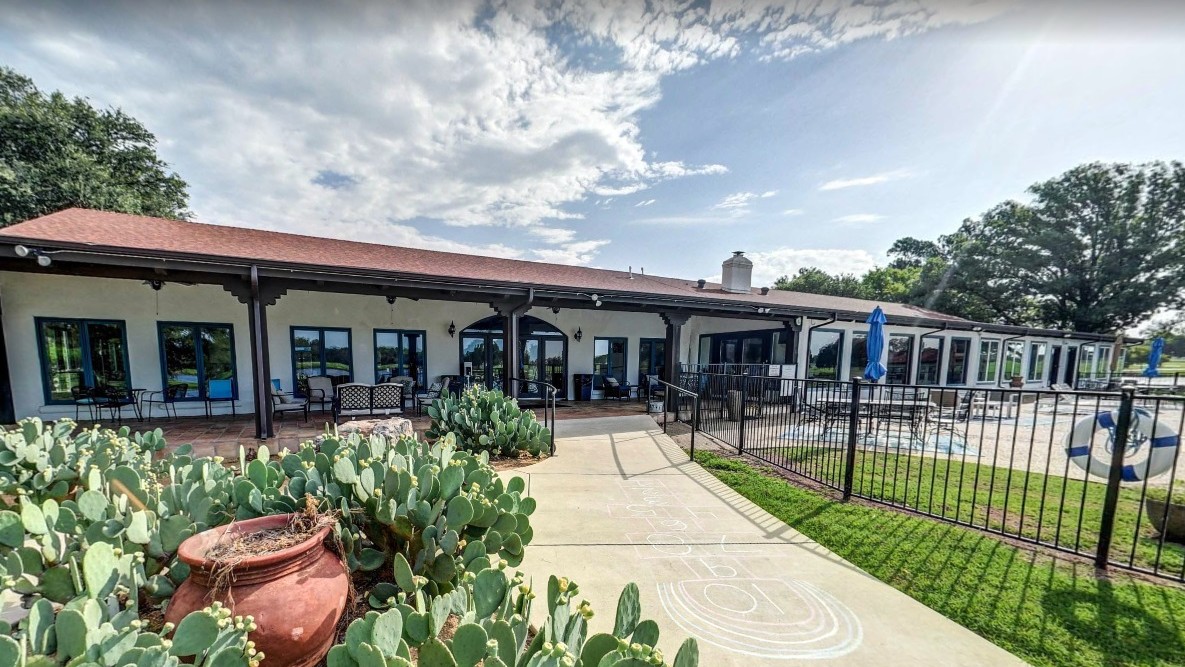

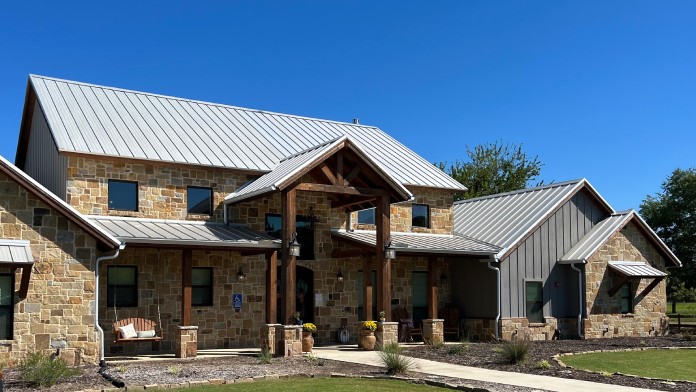
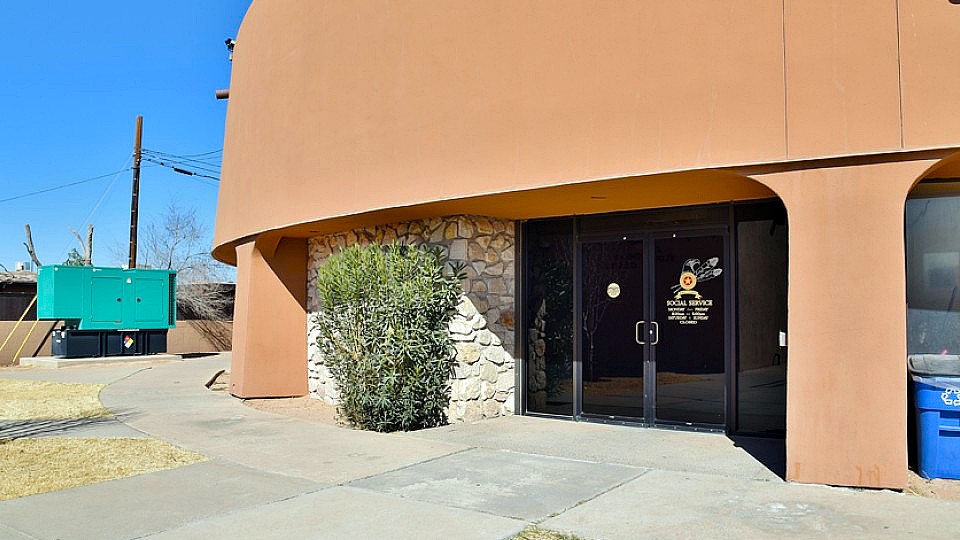
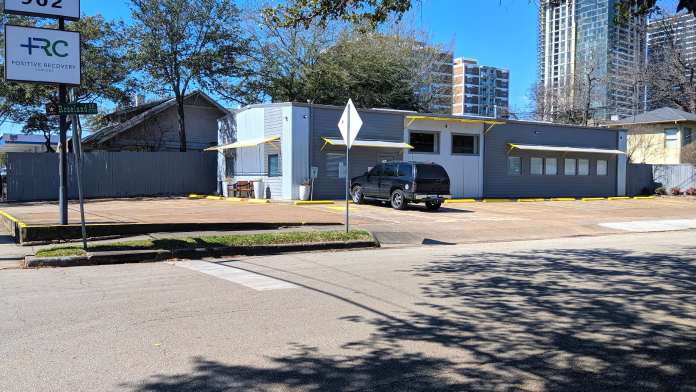
| Name | Address | Detox Service Setting | Levels Of Care | Media |
|---|---|---|---|---|
Hidalgo County Substance Abuse Treatment Facility |
1000 N M Rd McAllen, TX 78542 |
Detox Service Setting
Inpatient DetoxOutpatient Detox
|
Levels Of Care
InpatientOutpatient
|

|
Addiction Solutions |
1924 S 36th St McAllen, TX 78503 |
Detox Service Setting
Inpatient DetoxOutpatient Detox
|
Levels Of Care
InpatientOutpatient
|
|
New Wine Counseling, LLC |
126 E Newcombe Ave McAllen, TX 78577 |
Detox Service Setting
Inpatient DetoxOutpatient Detox
|
Levels Of Care
InpatientOutpatient
|
|
Rehabilitation Centers Urgent Care McAllen, TX Specialists |
400 W Nolana Ave McAllen, TX 78504 |
Detox Service Setting
Inpatient DetoxOutpatient Detox
|
Levels Of Care
InpatientOutpatient
|
|
Outcry in The Barrio Pharr |
206 E Cherokee Ave Pharr, TX 78577 |
Detox Service Setting
Inpatient DetoxOutpatient Detox
|
Levels Of Care
InpatientOutpatient
|
|
Origins Recovery Center South Padre Island |
4405 Padre Boulevard South Padre Island, TX 78597 |
Detox Service Setting
Inpatient DetoxOutpatient Detox
|
Levels Of Care
InpatientOutpatientAftercare+2
|

|
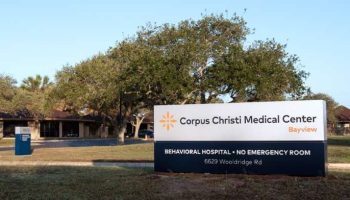
Corpus Christi Medical Center Bayview |
6629 Wooldridge Rd Corpus Christi, TX 78414 |
Detox Service Setting
|
Levels Of Care
|
|
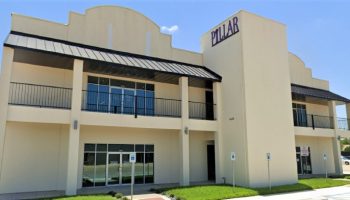
Pillar Strong |
6406 McPherson Rd Laredo, TX 78041 |
Detox Service Setting
Inpatient DetoxOutpatient Detox
|
Levels Of Care
InpatientOutpatient
|
|
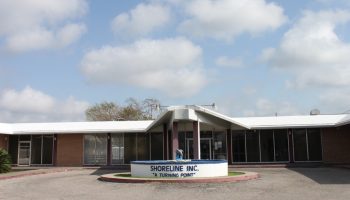
Shoreline Treatment Center |
1220 Gregory Street Taft, TX 78390 |
Detox Service Setting
Inpatient Detox
|
Levels Of Care
InpatientDual Diagnosis
|
|
Understanding the cost of detox is often one of the first questions people have, and it is a reasonable one.
Most private facilities in McAllen accept health insurance for detox treatment, and the Affordable Care Act requires insurers to cover substance use disorder care on par with other medical benefits.
The cost of detox in McAllen depends on the level of medical supervision required, the length of stay and whether medications are part of the treatment plan. Additionally, the facility type and whether care is inpatient or outpatient can shift the total significantly.
Because the Rio Grande Valley has a higher uninsured rate than most Texas metro areas, many providers use sliding-scale fees or work with state-funded programs to reduce costs for those without coverage.
Private insurers in Texas must comply with federal mental health parity rules, meaning coverage for substance use disorder treatment must be comparable to coverage for other medical care.
The Texas Department of Insurance oversees compliance, and residents can verify network status through the Texas marketplace.
The most common private health insurance companies in McAllen and the surrounding Rio Grande Valley include:



Detox facilities in McAllen operate under a CDTF license issued by the Texas Health and Human Services Commission (HHSC).
Licensing is governed by Texas Health and Safety Code Chapter 464, which sets standards for staffing, medication management and patient rights across inpatient and outpatient programs.
Facilities that offer opioid treatment with methadone must also hold separate certification from the Substance Abuse and Mental Health Services Administration (SAMHSA), which conducts its own federal inspections and approvals.
As well, the Drug Enforcement Administration (DEA) requires controlled substance registration for any facility storing or dispensing scheduled medications, including methadone and buprenorphine.
Medication-assisted treatment combines FDA-approved medications with counseling and behavioral support to manage withdrawal and reduce cravings during and after detox.
Three medications are commonly used in McAllen-area programs:
A partial opioid agonist that controls cravings and reduces withdrawal symptoms, prescribed by DEA-registered physicians through office-based opioid treatment settings.
A full opioid agonist dispensed only through SAMHSA-certified Opioid Treatment Programs. Patients receive daily supervised doses at a licensed clinic and cannot take doses home until clinical milestones are met.
An opioid antagonist that blocks the effects of opioids and alcohol. The extended-release injectable form requires full detox completion before starting, since it can trigger withdrawal if opioids are still present in the system.
Harm reduction services in the Rio Grande Valley operate mostly through community-led organizations that reach people in bars, flea markets and neighborhoods rather than waiting for them to come through a clinic door.
Given the fentanyl contamination documented in the local drug supply, understanding the dangers of fentanyl exposure is part of the safety picture for anyone using substances in McAllen or seeking to support someone who is.
RGV Harm Reduction is a McAllen-based nonprofit that distributes free naloxone across the Rio Grande Valley with no questions asked. The organization targets high-prevalence neighborhoods and community spaces for outreach, and partners with The Flying Walrus bar in McAllen to operate an anonymous naloxone vending machine.
The program reported its first confirmed overdose reversal within weeks of launching distribution in the region.
Red Star Texas is a South Texas mutual aid and harm reduction organization that works alongside RGV Harm Reduction to stock and operate naloxone vending machines in McAllen.
The organization focuses on removing access barriers by providing naloxone without any requirement to identify yourself or justify why you need it.
The Texas DSHS TODA program maintains a statewide Naloxone Locator Map to help residents find free naloxone in their area, including distribution sites in Hidalgo County and the broader Rio Grande Valley.
TODA also provides free naloxone vending machines and wall dispensers to communities that apply through the program.
NEXT Distro arranges naloxone deliveries directly to residents across Texas.
For people who cannot reach a local distribution site, submitting a mail request provides a faster alternative to some state-based fulfillment programs, getting overdose reversal medication to people who need it without requiring an in-person visit.
Hidalgo County’s overdose numbers are lower than the Texas state average, but regional data still reflects the statewide increases in fentanyl-related harms and non-fatal opioid emergencies.
The statistics below provide context for anyone seeking care in McAllen and the Rio Grande Valley.
In 2023, Hidalgo County recorded an overdose death rate of 7 per 100,000 residents, among the lowest in Texas and well below the statewide average of roughly 16 per 100,000.
Fentanyl accounted for 45.3% of all drug poisoning deaths in Texas in 2023, up from 3.7% in 2014, according to DSHS data.
Texas EMS agencies responded to 13,314 non-fatal opioid drug poisoning calls in 2023, up from 5,020 in 2019, an increase of more than 165%.
The Texas Health and Human Services Commission (HHSC) licenses all Chemical Dependency Treatment Facilities (CDTFs) in Texas, including those in McAllen and Hidalgo County. Licensing standards under Texas Health and Safety Code Chapter 464 govern staffing, medication storage, intake procedures and patient rights across both inpatient and outpatient programs.
Facilities that dispense methadone through an Opioid Treatment Program must also carry a separate federal certification from SAMHSA.
You can verify a facility’s current license status through the HHSC provider search tool on the Texas HHSC website.
Yes. Texas Medicaid, delivered through the STAR managed care program, covers medically necessary substance use disorder treatment, including detox for eligible enrollees.
Most major McAllen-area facilities that accept Medicaid work with STAR managed care plans such as Superior HealthPlan and UnitedHealthcare Community Plan.
Eligibility is income-based; people who do not qualify may access state-funded care through HHSC’s OSAR program, which connects uninsured and underinsured residents to subsidized treatment slots.
Yes. The Hidalgo County Substance Abuse Treatment Facility provides publicly funded residential and outpatient services for adults, with programs available regardless of ability to pay.
Tropical Texas Behavioral Health in Edinburg operates OSAR services that help Hidalgo County residents find state-funded placements. The HHSC Mental Health and Substance Use Block Grant funds additional free and reduced-cost programs statewide, with Hidalgo County providers among those receiving allocations.
Sliding-scale fee structures are also offered at several local nonprofits for people who do not meet full subsidy criteria.
Yes. McAllen’s position along the Texas-Mexico border means cross-border drug trafficking has historically made methamphetamine widely available in the Rio Grande Valley, and fentanyl contamination of the drug supply is an increasing concern.
Treatment providers in the area have experience addressing polysubstance use patterns and the specific withdrawal presentations that come with heavy stimulant and synthetic opioid use.
The VA Texas Valley Coastal Bend Health Care System’s McAllen clinic also serves veterans in the region, a population with its own distinct treatment needs.
Detox addresses the physical process of clearing substances from the body under medical supervision, but it is not a standalone treatment for substance use disorder.
Following detox, most people benefit from transitioning into a structured next step, whether that is inpatient residential rehabilitation, an intensive outpatient program, ongoing MAT with counseling or a combination.
Many McAllen-area facilities include case management to help coordinate that transition. Learning about addiction aftercare and continuing care options before you complete detox makes it easier to plan the next phase with your care team rather than figuring it out under pressure after discharge.