800-262-4205
Friends of Little House recovery center

About Friends of Little House recovery center
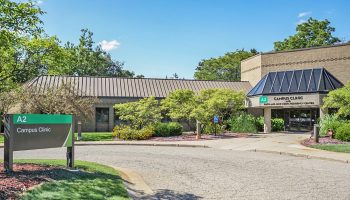
Friends of Little House Recovery Center is a nonprofit recovery community organization in Ypsilanti, Michigan, providing a welcoming meeting space for peer led recovery support programs. The center hosts 26 recovery meetings per week, including Alcoholics Anonymous, Narcotics Anonymous, Gamblers Anonymous and Overeaters Anonymous, serving individuals and families seeking support for all forms of addiction. The facility operates as a community hub with multiple daily meeting times to help people stay connected to recovery.
Support with Friends of Little House Recovery Center
Friends of Little House is not a clinical treatment or detox program but rather a dedicated meeting venue for 12 step and peer recovery fellowships. The center provides consistent space and scheduling for AA, NA, Gamblers Anonymous, Overeaters Anonymous and other recovery-oriented programs throughout the week. Multiple daily meeting times on weekdays and weekends make it accessible for people at different stages of recovery.
Who can attend meetings here?
The center welcomes anyone seeking recovery from alcohol, drugs, gambling, food addiction or other addictive behaviors. The meeting schedule includes options for different populations, including a men’s meeting, and supports individuals and families affected by addiction.
Is there a cost to attend?
Friends of Little House is a donation supported nonprofit. Meetings typically follow the tradition of voluntary contributions, with no fixed fees required to participate.
| Levels of Care | Detox Service Setting | Programs | Payment Options |
|---|---|---|---|
|
Inpatient and residential programs provide round-the-clock medical and emotional support as you live at the treatment facility. This level of care may be recommended if you have severe addictions or mental health conditions since it removes outside distractions and allows you to focus solely on therapy. |
In outpatient therapy, you’ll attend therapy sessions several times each week while living at home. This is ideal if you have a strong support system and a lower risk of relapse. Outpatient treatment offers flexibility to maintain work, school or family obligations. |
||
|
Inpatient detox occurs in a dedicated treatment facility. You’ll live there around the clock and receive intensive medical support and supervision to help manage your withdrawal symptoms. It is suitable for individuals with moderate to severe addictions as it ensures a stable detox environment. |
Outpatient detox gives you access to medically supervised withdrawal services while still allowing you to live at home. You’ll attend a clinic for treatment and monitoring. This flexible option is suitable for those with mild to moderate withdrawal symptoms who have strong support systems. |
||
|
Alcohol detox programs offer medical support to help individuals withdraw safely from alcohol. Your care team may use medications to ease your symptoms and provide medical monitoring to address complications.
|
Drug detox programs support individuals who are withdrawing from addictive substances like cocaine and heroin. Medical support helps you manage symptoms in a controlled and safe environment so you can achieve initial sobriety.
|
||
|
Private Insurance
|
Self Pay
|
Levels of Care
Inpatient and residential programs provide round-the-clock medical and emotional support as you live at the treatment facility. This level of care may be recommended if you have severe addictions or mental health conditions since it removes outside distractions and allows you to focus solely on therapy.
In outpatient therapy, you’ll attend therapy sessions several times each week while living at home. This is ideal if you have a strong support system and a lower risk of relapse. Outpatient treatment offers flexibility to maintain work, school or family obligations.
Detox Service Setting
Inpatient detox occurs in a dedicated treatment facility. You’ll live there around the clock and receive intensive medical support and supervision to help manage your withdrawal symptoms. It is suitable for individuals with moderate to severe addictions as it ensures a stable detox environment.
Outpatient detox gives you access to medically supervised withdrawal services while still allowing you to live at home. You’ll attend a clinic for treatment and monitoring. This flexible option is suitable for those with mild to moderate withdrawal symptoms who have strong support systems.
Programs
Contact



Maygen Brockway, MTC, lives in scenic Southern Utah and has over 10 years of editing and writing experience. She’s created content for the medical, wedding, fashion, and technical industries. She loves poetry and coffee, writing, and being a social butterfly and a mom.
Detox.com regularly reviews this listing for accuracy but changes may occur between updates. For the most up-to-date information, please contact Friends of Little House recovery center.