

 800-262-4205
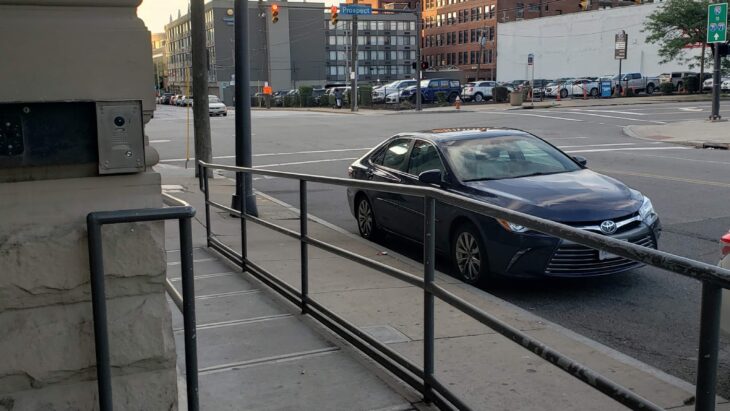
Harbor Light Complex

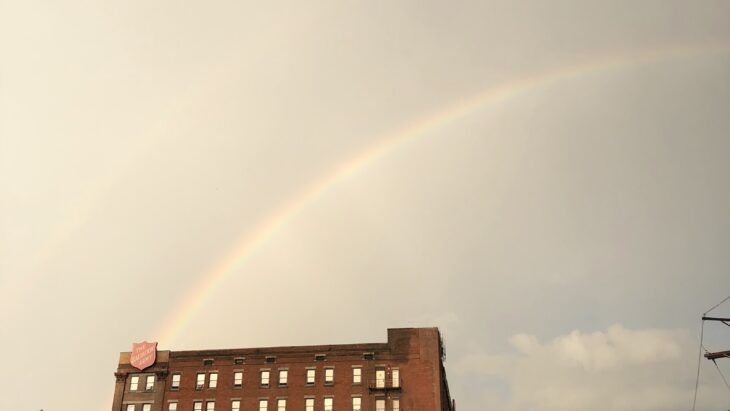
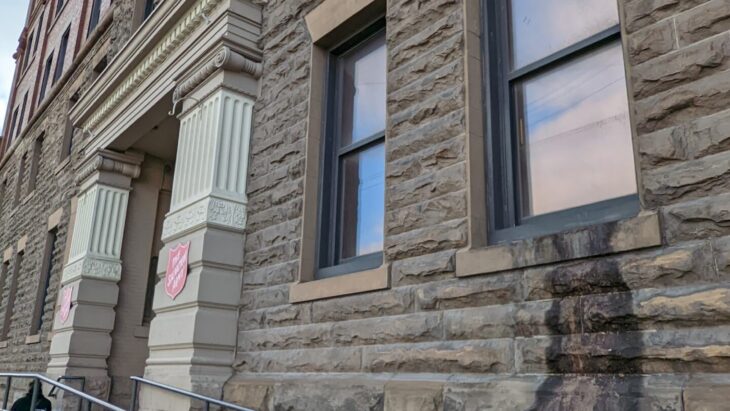
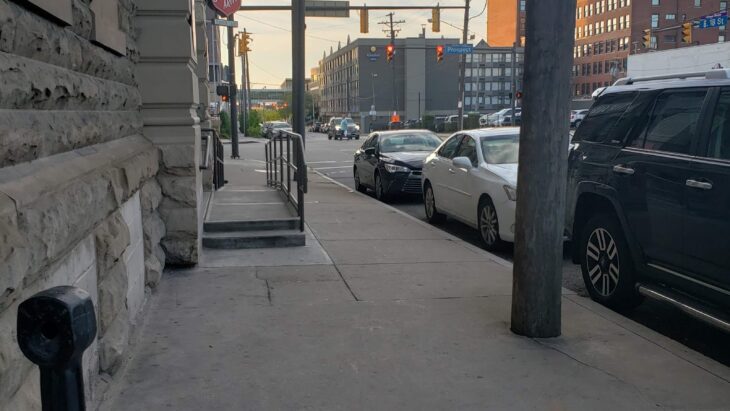

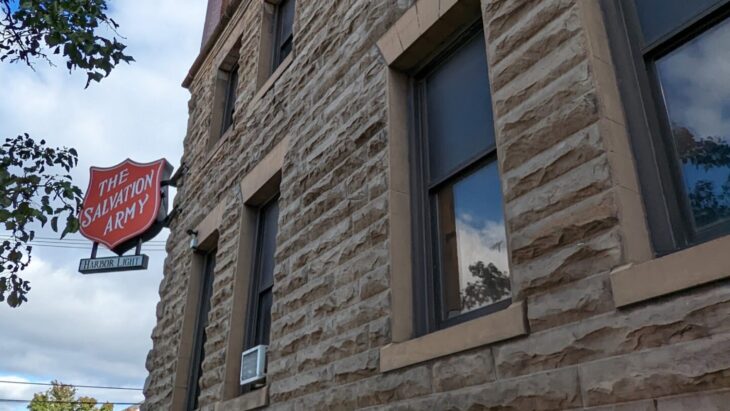

About Harbor Light Complex
Salvation Army’s Cleveland Harbor Light Complex is in metropolitan Cleveland, Ohio. They’re one of many drug rehabs and Harbor Light Centers across the country. Support is available to adults aged 18 and older. As a charity, they’re able to offer treatment for free, or at very little cost to participants.
Over a Century of Experience
Can you believe that SA has been helping individuals beat substance abuse for over 150 years? And they just keep going, offering programs at centers like this one that support individuals emotionally, spiritually, and socially. They’re interested in helping individuals get to the root cause of their addiction. With better understanding, they believe, positive change can blossom.
Individuals interested in participating typically undergo a thorough intake interview to check the program is a good fit for them. If it turns out not to be, the team will attempt to refer the individuals to a more appropriate alternative help center.
For those who do commit, they do so for at least six months. In this way, enough time is allowed to ensure meaningful change.
Beating Addiction in Cleveland Ohio: Detox & Beyond
This facility features a detox center that provides an ideal starting point for many participants wanting to get clean. Certified by the Ohio Department of Mental Health and Addiction Services, this sub-acute detox unit, along with the center’s intensive outpatient program (IOP) offer impressive treatment services. Even better? I find that they’re able to do so at a fraction of the cost of standard hospitals or private clinics.
Counseling and work therapy are also offered here, alongside sober recreational activities, and spiritual guidance, for a rounded, holistic approach to healing. I think it’s neat how Progressive Field is within walking distance, and you can stretch your legs for a bit to get there.
This center also features a community corrections program, designed to support ex-convicts and help them transition back to society through vocational training, cognitive behavior remediation sessions, music therapy classes, AA meetings, discussion groups, life skills workshops and optional faith-based programming.
| Levels of Care | Detox Service Setting | Programs | Payment Options | |||||
|---|---|---|---|---|---|---|---|---|
|
Inpatient and residential programs provide round-the-clock medical and emotional support as you live at the treatment facility. This level of care may be recommended if you have severe addictions or mental health conditions since it removes outside distractions and allows you to focus solely on therapy. |
In outpatient therapy, you’ll attend therapy sessions several times each week while living at home. This is ideal if you have a strong support system and a lower risk of relapse. Outpatient treatment offers flexibility to maintain work, school or family obligations. |
Aftercare programs provide ongoing support after you complete a rehab program. They may include several components to help you maintain sobriety including therapy, community support groups and relapse prevention strategies. This gives you a network of resources as you reintegrate into your daily life. |
Dual diagnosis programs address substance use disorders and co-occurring mental health conditions simultaneously. This integrated approach to care improves the likelihood of long term recovery and stability by addressing the root causes of addiction. |
The facility offers an Intensive Outpatient Program for those seeking addiction recovery support while continuing to live at home. |
||||
|
Inpatient detox occurs in a dedicated treatment facility. You’ll live there around the clock and receive intensive medical support and supervision to help manage your withdrawal symptoms. It is suitable for individuals with moderate to severe addictions as it ensures a stable detox environment. |
Outpatient detox gives you access to medically supervised withdrawal services while still allowing you to live at home. You’ll attend a clinic for treatment and monitoring. This flexible option is suitable for those with mild to moderate withdrawal symptoms who have strong support systems. |
|||||||
|
Adult programs address the substance use and life challenges specific to adults. Therapists can deliver sessions in individual, group and family settings. Services often include job support and life skills training in a structured environment.
|
Alcohol detox programs offer medical support to help individuals withdraw safely from alcohol. Your care team may use medications to ease your symptoms and provide medical monitoring to address complications.
|
Drug detox programs support individuals who are withdrawing from addictive substances like cocaine and heroin. Medical support helps you manage symptoms in a controlled and safe environment so you can achieve initial sobriety.
|
LGBTQ friendly programs create an inclusive and affirming space for recovery. Treatment is sensitive to issues like discrimination and stigma. You’ll receive support and therapy that respects and acknowledges your unique experiences.
|
Men's programs address substance use while also considering the social pressures, family roles and mental health concerns that are specific to men. You’ll learn healthy coping mechanisms as you build emotional resilience and develop communication skills.
|
Opioid detox uses medications to ease severe withdrawal symptoms. It also includes medical supervision to help you manage potential complications. These services allow you to stabilize and begin a recovery plan.
|
Women's programs offer a safe and supportive space to focus on gender specific issues such as trauma, family roles and mental health conditions. Therapists tailor the sessions to address women's needs and foster empowerment in a healing and nurturing environment.
|
Young adult programs are designed for individuals who are transitioning into adulthood. Topics of discussion typically include identity, independence and peer relationships. Providers may also offer life skills training and career support.
|
Harbor Light incorporates individual and group counseling as core components of its 12-step-based residential rehabilitation model. |
|
Payment Assistance
|
Medicaid
|
Medicare
|
Self Pay
|
Levels of Care
Inpatient and residential programs provide round-the-clock medical and emotional support as you live at the treatment facility. This level of care may be recommended if you have severe addictions or mental health conditions since it removes outside distractions and allows you to focus solely on therapy.
In outpatient therapy, you’ll attend therapy sessions several times each week while living at home. This is ideal if you have a strong support system and a lower risk of relapse. Outpatient treatment offers flexibility to maintain work, school or family obligations.
Aftercare programs provide ongoing support after you complete a rehab program. They may include several components to help you maintain sobriety including therapy, community support groups and relapse prevention strategies. This gives you a network of resources as you reintegrate into your daily life.
Dual diagnosis programs address substance use disorders and co-occurring mental health conditions simultaneously. This integrated approach to care improves the likelihood of long term recovery and stability by addressing the root causes of addiction.
The facility offers an Intensive Outpatient Program for those seeking addiction recovery support while continuing to live at home.
Detox Service Setting
Inpatient detox occurs in a dedicated treatment facility. You’ll live there around the clock and receive intensive medical support and supervision to help manage your withdrawal symptoms. It is suitable for individuals with moderate to severe addictions as it ensures a stable detox environment.
Outpatient detox gives you access to medically supervised withdrawal services while still allowing you to live at home. You’ll attend a clinic for treatment and monitoring. This flexible option is suitable for those with mild to moderate withdrawal symptoms who have strong support systems.
Programs
Harbor Light incorporates individual and group counseling as core components of its 12-step-based residential rehabilitation model.
Amenities
Accreditations

Contact



Lauren wears many hats, and works as a holistic deep tissue massage therapist, content strategist, and copywriter. She’s been writing copy and dreaming up content for a number of brands for almost 10 years, having worked with a mixture of B2B and B2C brand. Some of her more notable clients include adidas, Gucci, Pepsi, and Hotels.com. A skilled editor and copywriter, she also enjoys planning content for social media and brand marketing campaigns.

Peter W.Y. Lee is a historian with a focus in American Cold War culture. He has examined how popular culture has served as a coping mechanism for the challenges and changes impacting American society throughout the twentieth century.
Detox.com regularly reviews this listing for accuracy but changes may occur between updates. For the most up-to-date information, please contact Harbor Light Complex.
Nearby Detox Centers


Search by Ohio Cities
FAQs
What addiction recovery programs does Harbor Light Complex in Cleveland offer?
Harbor Light Complex provides residential rehabilitation services for men and women struggling with alcohol and drug addiction. The facility offers a structured, faith-informed program based on the 12 Steps, including individual and group counseling, work therapy, and spiritual direction to help individuals rebuild their lives and maintain long-term sobriety.
Does Harbor Light Complex offer outpatient or step-down care after residential treatment?
Yes, Harbor Light Complex offers an Intensive Outpatient Program for individuals seeking addiction treatment while continuing to live at home. The facility also provides aftercare and continuing support services designed to help clients transition from residential programming and maintain recovery in the community.
What is the treatment approach used at Harbor Light Complex?
Harbor Light Complex uses a 12-step-based approach combined with individual and group counseling, work therapy, and spiritual direction. The program emphasizes a structured, supportive environment where clients develop life skills and rebuild stability with the support of trained counselors and spiritual care providers.
Who can be admitted to Harbor Light Complex's residential program?
Harbor Light Complex provides residential rehabilitation services for both men and women struggling with substance use disorder. The facility serves individuals seeking structured, long-term recovery in a residential setting located at 1710 Prospect Avenue in Cleveland, Ohio.