Find Drug & Alcohol Detox Centers in Albany, NY

Fighting addiction on your own can be challenging, painful and scary without help in the form of detox treatment. Detox centers in Albany use medications, exercise, nutrition and other interventions that help you get clean so you can successfully overcome drug and alcohol addiction.

Albany drug detox centers are staffed with caring addiction specialists who guide you safely and comfortably through withdrawal with a lowered risk for relapse, overdose and other serious complications. If you’re suffering from chemical dependency and need help, call our 24/7 confidential helpline at 332-244-3346 to locate nearby drug and alcohol detox centers in Albany, NY.

Detox Centers in Albany

15 Results
Filters
Setting
Medications Offered
Treatment
Programs
Payment Options
Name Address Detox Service Setting Levels Of Care Media

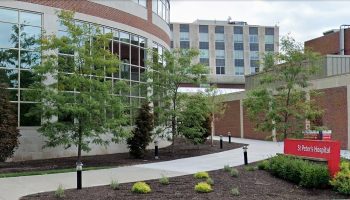
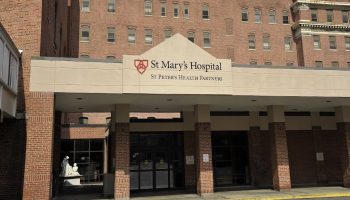
St. Peter’s Hospital

315 South Manning Boulevard Albany, NY 12208
Detox Service Setting
Hospital DetoxInpatient DetoxMAT
Levels Of Care
Inpatient
St. Peter’s Hospital

St. Peter’s Hospital

315 South Manning Boulevard Albany, NY 12208
Detox Service Setting
Inpatient DetoxHospital DetoxOutpatient Detox+1
Levels Of Care
InpatientIntensive OutpatientOutpatient
St. Peter’s Hospital

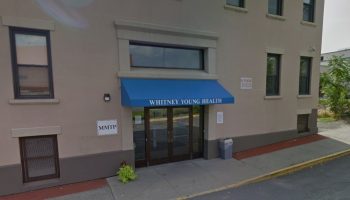
Whitney Young Jr Health Harry and Jeanette Weinberg Treatment Center

10 Dewitt Street Albany, NY 12207
Detox Service Setting
Outpatient Detox
Levels Of Care
Outpatient
Whitney Young Jr Health Harry and Jeanette Weinberg Treatment Center

Altamont Program

134 Franklin Street Albany, NY 12202
Detox Service Setting
Outpatient Detox
Levels Of Care
OutpatientDual Diagnosis

Hope House Outpatient Clinic

1724 5th Avenue Troy, NY 12180
Detox Service Setting
Outpatient Detox
Levels Of Care
OutpatientAftercareDual Diagnosis
Hope House Outpatient Clinic

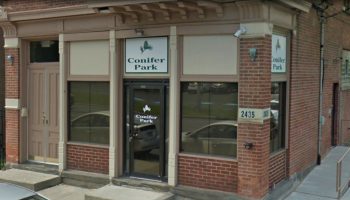
Conifer Park Troy Outpatient Clinic

2435 Sixth Avenue Troy, NY 12180
Detox Service Setting
Outpatient Detox
Levels Of Care
OutpatientDual Diagnosis
Conifer Park Troy Outpatient Clinic

Samaritan Hospital St Marys Campus

1300 Massachusetts Avenue Troy, NY 12180
Detox Service Setting
Inpatient Detox
Levels Of Care
InpatientAftercareDual Diagnosis
Samaritan Hospital St Marys Campus

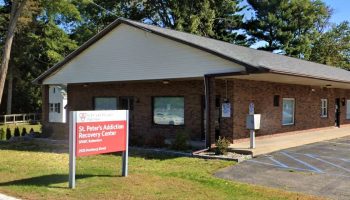
St. Peter’s Addiction Recovery Center

2925 Hamburg Street New York, NY 12303
Detox Service Setting
Outpatient DetoxMAT
Levels Of Care
OutpatientDual DiagnosisIntensive Outpatient
St. Peter’s Addiction Recovery Center

Bridge Center

72 Union Avenue Schenectady, NY 12308
Detox Service Setting
Inpatient DetoxOutpatient DetoxMAT
Levels Of Care
InpatientAftercareDual Diagnosis+3
Bridge Center

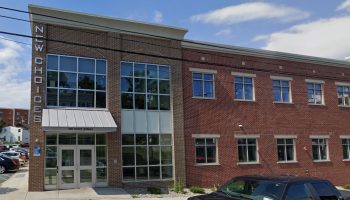
New Choices Recovery Center – 846 State Street

728 State Street Schenectady, NY 12307
Detox Service Setting
Outpatient DetoxMAT
Levels Of Care
Outpatient
New Choices Recovery Center – 846 State Street

Conifer Park

79 Glenridge Road Glenridge, NY 12302
Detox Service Setting
Inpatient DetoxOutpatient DetoxMAT
Levels Of Care
InpatientOutpatientPHP+1
Conifer Park

Berkshire Medical Center McGee Unit 3 West

725 North Street Pittsfield, MA 01201
Detox Service Setting
Inpatient DetoxHospital Detox
Levels Of Care
Berkshire Medical Center McGee Unit 3 West

The Brien Center – Child Stabilization Unit

359 Fenn Street Pittsfield, MA 01201
Detox Service Setting
Inpatient Detox
Levels Of Care
InpatientAftercareDual Diagnosis+2
The Brien Center – Child Stabilization Unit

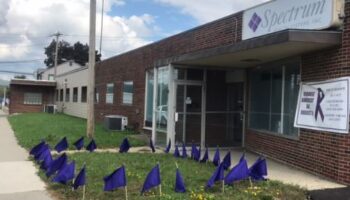
Spectrum Health Systems Inc.

390 Merrill Road Pittsfield, MA 01201
Detox Service Setting
Outpatient DetoxMAT
Levels Of Care
OutpatientDual Diagnosis
Spectrum Health Systems Inc.

United Counseling Service

100 Ledgehill Road Bennington, VT 05201
Detox Service Setting
Outpatient DetoxMAT
Levels Of Care
Outpatient
United Counseling Service

Drug & Alcohol Detox in Albany, NY

Albany’s approach to detox and addiction treatment is shaped by its role as the state capital, home to the New York State Office of Addiction Services and Supports (OASAS), the agency that licenses, funds and regulates every certified detox and treatment program in the state.

All detox facilities in Albany operate under OASAS certification and must meet the standards in New York Codes, Rules and Regulations Parts 816 (inpatient), 820 (residential), and 822 (outpatient).

Additionally, the Albany County  Department of Health and Department of Mental Health provide additional local oversight and fund critical programs through the county’s Opioid Task Force, established in 2016.

The county has seen a meaningful shift in recent years. However, fentanyl now drives the overwhelming majority of overdose deaths, with 89% of Albany County’s 2023 fatalities involving the synthetic opioid.

As such, the county’s response has centered on expanding low barrier access to medication assisted treatment, deploying the Mobile Outreach Treatment Overdose Response Unit (MOTOR) and funding harm reduction education. Albany County invested over $1.5 million in opioid settlement funds in 2025 to build on those efforts.

For people seeking care, Albany has a mix of hospital based detox programs, OASAS certified residential providers and outpatient options.

St. Peter’s Addiction Recovery Center (part of St. Peter’s Health Partners), Addictions Care Center of Albany (ACCA), Hope House and Whitney M. Young Jr. Health Center are among the established providers.

Therefore, understanding how to choose a detox center before making contact can help you ask the right questions about level of care, MAT availability and insurance acceptance.

Public transit access matters in Albany. The Capital District Transportation Authority (CDTA) bus system connects central Albany neighborhoods to several treatment sites along major corridors, including Central Ave, Madison Ave and New Scotland Ave, making transportation a realistic option for many people without a vehicle.
Find The Perfect Detox Center For You

Filter treatment centers in Albany by level of care offered to find the best detox program for you or a loved one.

Paying for Detox in Albany

Albany residents have access to a well developed network of publicly funded, insurance covered and sliding scale treatment options and paying for detox with health insurance is possible with most major commercial plans accepted in the Capital Region.

Costs still vary significantly based on the level of care, the facility and how complex a person’s withdrawal needs are.

How Much Does Detox Cost in Albany?

Albany’s detox pricing trends with New York State’s overall market, which falls near the national median for inpatient care but is somewhat higher for outpatient programs.

The main cost drivers are the level of medical supervision,  the length of stay and whether MAT medications are prescribed alongside the program.

People who use in network insurance or New York Medicaid often access these services at little or no out of pocket cost.

$7,000-$12,000 (3 to 5 day average)
Medical Detox
$15,000-$30,000 (monthly)
Inpatient Rehab
$1,250-$5,700
Outpatient Rehab
$1,200-$1,800 (yearly)
Methadone Treatment

Does Private Insurance Cover Detox in Albany?

Private insurers are required to cover mental health and substance use disorder treatment at the same level as other medical benefits under the Affordable Care Act. This is enforced at the state level by New York’s Department of Financial Services (NYSDFS). Additionally, legislation effective in 2024 prohibited authorization delays for the first 72 hours of acute addiction treatment in New York.

Before you are admitted to a program, be sure to check network participation.

The most common commercial insurers in Albany and the broader Capital Region include:

Blue Cross Blue Shield
Mvp Health Care
Fidelis Care
United Health Care
Aetna

Medicare and Medicaid in Albany

Medicare

Medicare covers inpatient and outpatient drug and alcohol detox in Albany. Part B covers Opioid Treatment Program (OTP) services, including methadone, buprenorphine and naltrexone. It’s  important to remember that copays and cost sharing vary depending on the treatment setting and your specific plan type.

Medicaid

Eligible residents can access a full continuum of care that includes medical detox, inpatient residential treatment, outpatient programs and medication assisted treatment under New York Medicaid. Most OASIS certified providers in Albany accept it.

Other Ways to Pay for Detox Treatment

Worrying about how you will cover the cost of detox is common. Several Albany programs and funding sources are there to help the uninsured and those with limited income.

Sliding Scale Payment Systems: 

Income and family size based sliding fee scales are offered at Albany’s Federally Qualified Health Center (FQHC), Whitney M. Young Jr. Health Center and the Addictions Care Center of Albany (ACCA).

Nonprofits and State Funded Programs: 

Hope House accepts Medicaid and sliding scale payments across its residential and outpatient programs. ACCA receives state funding through OASAS and serves people regardless of insurance status.

Opioid Settlement Funds: 

$1.5 million in national opioid settlement funds have been distributed to Albany County.  These funds are being used to expand MOTOR and MOUD induction services at the Albany County Department of Mental Health and increase access to treatment.

Veterans Programs: 

Veterans and active duty military members benefit from specialized substance use disorder treatment programs. Those in need can access these outpatient and intensive outpatient services at the Stratton VA Medical Center, 113 Holland Ave., Albany.

Veterans Programs: 

Veterans and active duty military members benefit from specialized substance use disorder treatment programs. Those in need can access these outpatient and intensive outpatient services at the Stratton VA Medical Center, 113 Holland Ave., Albany.

Albany, New York Regulations and Accreditation for Detox

To ensure the safest and highest quality of care, detox and withdrawal management services in Albany and New York State are overseen by key regulatory and accreditation bodies.

New York State Office of Addiction Services and Supports (OASAS)

In Albany and across New York, OASAS is the state licensing authority for all substance use disorder treatment facilities. All Albany detox facilities must hold a valid OASAS certificate to operate and accept public funding or Medicaid reimbursement.

To receive certification, a program must align with ASAM levels of care set forth in NYCRR Parts 816.820 and 822, which set clinical and staffing standards.

New York State Department of Health (NYSDOH)

The NYSDOH works closely with OASAS to keep track of opioid trends, oversee harm reduction programs and make sure that syringe programs are authorized.

It also publishes an annual report on opioid use across New York and keeps a county level Opioid Data Dashboard. The dashboard gives Albany County treatment providers and local officials a closer look at what’s happening in their communities, which can help them decide where resources are needed the most.

Albany County Department of Health (ACDOH)

The Albany County Department of Health (ACDOH) is the county’s local public health agency. It leads the county’s Opioid Task Force, which was established in 2016, and helps to make naloxone available through its “Anyone Can Narca” community distribution program. ACDOH also oversees the county’s opioid settlement funds.

The department works with local OASAS licensed treatment providers to identify gaps in care and respond when the community needs extra support. That includes using overdose data to spot sudden increases and get resources where they’re needed quickly.

Albany County Department of Mental Health

Operates the MOTOR (Mobile Outreach Treatment Overdose Response Unit) mobile clinic, which provides crisis intervention, harm reduction and direct referrals to treatment.

MOTOR connects people who have recently overdosed or are at high risk to OASAS certified programs and, through 2025 settlement funding, is adding MOUD (medication for opioid use disorder) induction services via a nurse practitioner embedded in the unit.

New York State Department of Financial Services (NYSDFS)

Oversees private insurance compliance with New York’s parity laws and the 2024 prior authorization prohibition for the first 72 hours of acute addiction treatment.

Individuals who believe an insurer has wrongly denied coverage for detox services can file a complaint with the DFS Insurance Division.

Website: dfs.ny.gov

Key MAT Medications and Regulatory Status in Albany

Medication assisted treatment in Albany is regulated by both New York State and the federal government.

OASAS licenses MAT providers, including Opioid Treatment Programs (OTPs) that provide methadone. Federal rules also apply to opioid treatment medications, including regulations under 42 CFR Part 8 and DEA controlled substance requirements.

If you’re looking for buprenorphine treatment, the rules are a little simpler than they used to be. Prescribers no longer need an X waiver to prescribe it for opioid use disorder. Any DEA registered prescriber who meets the current requirements can now start a patient on buprenorphine.

Buprenorphine: 

Due to the elimination of the X waiver, primary care and emergency settings across the Capital Region can now prescribe Suboxone and Probuphine. It is also widely available through OASAS certified outpatient programs such as Whitney Young Health, Hope House, telehealth and others.

Methadone: 

Methadone can only be prescribed through federally certified OTPs. In Albany, methadone clinics offer daily dosing during induction and take home privileges, which are earned over time. Elenor Young Clinic at 820 River Street is one of those OASAS licensed clinics.  It is covered by Medicaid.

Naltrexone: 

No special licensing is required to prescribe. Injectable naltrexone (Vivitrol) is available through multiple Albany outpatient programs, including Hope House and is covered by New York Medicaid. It is commonly used for both opioid and alcohol use disorders and is a preferred option in justice involved diversion programs.

Overdose Prevention and Harm Reduction in Albany

Albany has a coordinated harm reduction network supported by the county government, a network of licensed syringe service programs and active community organizations.

 Fentanyl is now present in the overwhelming majority of Albany County’s drug supply, involved in 89% of overdose deaths in 2023, according to Albany County records, which is why naloxone access and drug checking tools have become central to the county’s prevention strategy.

As a result, Albany County has invested opioid settlement funds in multiple outreach vehicles and community distribution efforts, equipping everything from barber shops and bookstores to county facilities with Narcan, fentanyl test strips and xylazine test strips.

These programs operate alongside long established syringe services and mobile health resources that serve people who use drugs across the county.

Albany County MOTOR (Mobile Outreach Treatment Overdose Response Unit)

Mobile crisis intervention for overdose survivors Naloxone distribution and wound care kits Fentanyl and xylazine test strip distribution Peer specialist and counselor outreach Direct referrals and treatment linkage MOUD induction

Launched in 2019 under the Albany County Department of Mental Health, MOTOR responds directly to overdose referrals, conducts post overdose follow ups and connects people to OASAS certified treatment

The program, which expanded with a second mobile unit in 2025, was funded through the county’s $1.5 million opioid settlement allocation.

In 2023 and the first quarter of 2024, MOTOR distributed 433 fentanyl test strips, 250 naloxone kits and 158 xylazine test strips.

Project Safe Point (Catholic Charities)

Syringe exchange (multiple mobile locations) Naloxone distribution and training HIV and Hepatitis C screening and linkage to care Drug user health hub with on-demand services Law Enforcement Assisted Diversion (LEAD) program 24/7 Health Hub toll-free access Referrals to MAT and OASAS-certified treatment

Project Safe Point operates across Albany as part of the Catholic Charities network and is one of the primary NYSDOH authorized syringe exchange programs in the Capital Region.

Their LEAD program diverts people from the criminal justice cycle and connects them to trauma informed case management, removing a major barrier to treatment for people with justice involvement.

Alliance for Positive Health

Syringe exchange with safe disposal Free naloxone access and training HIV/HCV/STD screening and care coordination Mental health Housing Food and transportation referrals Syringe kiosks for anonymous needle return

The Alliance for Positive Health operates a NYSDOH authorized syringe exchange serving the Capital Region. Its staff take a nonjudgmental approach and provide wraparound services for people who use drugs, including connections to insurance enrollment, social services and treatment. 

The program maintains syringe kiosks throughout the service area for accessible, anonymous sharps return.

Albany County Department of Health, "Anyone Can Narcan" Program

Free Narcan (naloxone) distribution Fentanyl and xylazine test strip distribution Community training for business owners and employees Biodegradable drug disposal bag distribution through partner pharmacie Naloxone Leave-Behind program for probationers

Through the “Anyone Can Narcan” program, 498 units of Narcan and 780 fentanyl and xylazine strips were distributed between January and August 2024. Distribution sites included businesses, bookstores, salons and pharmacies such as Kelly’s, Crestwood, College Parkside and Central Ave. Pharmacy.

The county offers free training for staff and community members and ensures every Albany County facility has Narcan in its first aid kits.

Detox Statistics in Albany, New York

Albany County saw a welcome drop in overdose deaths in 2024 after several difficult years. Although these numbers are improving, fentanyl is still showing up in a large share of the local drug supply and, unfortunately, continues to play a major role in fatal overdoses.

If you or someone you care about is struggling with substance use, knowing what’s happening in your area can help you find the right support. Take a look at the numbers below to get a better sense of the local situation and the resources available to help.

89% Fentanyl Involvement Rate in 2023:

According to data from the Albany County Health Department, 89% of all overdose deaths in the county involved fentanyl. This was an 82% increase from 2022.

4,567 Statewide Drug Overdose Deaths in 2024:

In 2024, an estimated 4,576 people died from a drug overdose in New York. Of these, 77% involved an opioid. This is down from 6,688 in 2023.

250 Naloxone Kits Distributed by MOTOR in One Year:

In 2023 and through the first quarter of 2024, Albany County’s MOTOR program distributed 250 naloxone kits, 433 fentanyl test strips and 158 xylazine test strips.

In addition to these critical harm reduction measures, it also referred 115 individuals to direct substance use treatment.

FAQs About Detox in Albany, NY

How do I access state funded or publicly funded detox in Albany without insurance?

Contact the OASAS helpline (1-877-846-7369) or call 211 to be connected with a local navigator who can identify funded bed availability. Providers like the Addictions Care Center of Albany and Whitney M. Young Jr. Health Center accept uninsured patients on a sliding fee scale.

ACCA also receives direct state funding through OASAS, which can cover services for eligible residents with no out of pocket cost.

Is naloxone free in Albany?

Yes, naloxone is available free of charge through several channels.

Albany County distributes Narcan through the “Anyone Can Narcan” program at local businesses and county facilities and MOTOR distributes kits directly to overdose survivors and community members.

All New York pharmacies have been authorized to dispense naloxone without a prescription since August 2022, and most Medicaid plans cover it at no cost.

What is MOTOR and how does it help someone in a crisis?

MOTOR is Albany County’s Mobile Outreach Treatment Overdose Response Unit, operated by the Albany County Department of Mental Health.

It responds to overdose referrals, follows up with survivors and connects people to treatment immediately after a crisis, using peer specialists who have lived experience with recovery. 

MOTOR expanded in 2025 to include a second team and MOUD induction services, making same day medication starts more accessible.

What happens to my detox care after the initial withdrawal phase?

Completing detox is the first step, not a complete treatment program. For most people, transitioning into an outpatient treatment program or residential rehab after detox significantly reduces the risk of relapse.

Albany has outpatient programs at Whitney Young Health, Hope House and ACCA, as well as intensive outpatient and sober living options throughout the Capital Region.

Do Albany detox programs treat co-occurring mental health conditions?

There are several certified dual diagnosis programs in Albany. These programs, including the ones at Hope House, Albany County Behavioral Health and Capital District Psychiatric Center, treat substance use disorder along with any co-occurring mental health conditions at the same time.

When calling a program, make sure to ask if they have a licensed mental health clinician on staff and whether they treat co-occurring conditions simultaneously.

Can state employees access confidential detox treatment in Albany?

OASAS certified treatment providers also have to follow 42 CFR Part 2 rules. These give substance use treatment records extra privacy protections. In many situations, those records can’t be shared without your written consent.

If you’re a state employee, you can seek treatment without your provider being notified. To give you some peace of mind, ask a provider about their  privacy policies before you make an appointment.

Two people talking
Get Help Today!
If you or a loved one is in need of help, call today. Pick up the phone and get the help you need.
800-483-2193
Confidential. Available 24 Hours

Browse Detox Centers

Get Help Today Phone icon 800-779-4314