Find Drug & Alcohol Detox Centers in Irving, TX

Detox Centers in Irving

15 Results
Filters
Setting
Medications Offered
Treatment
Programs
Payment Options
Name Address Detox Service Setting Levels Of Care Media

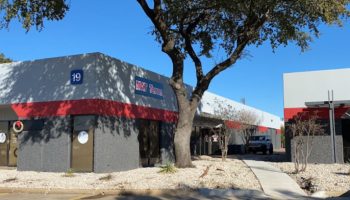
MAT Texas Opioid Treatment Center

2100 N Hwy 360 Grand Prairie, TX 75050
Detox Service Setting
Inpatient DetoxOutpatient Detox
Levels Of Care
InpatientOutpatient
MAT Texas Opioid Treatment Center

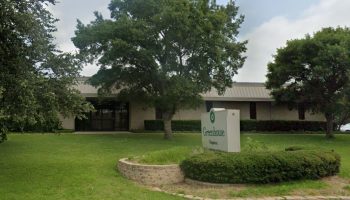
Greenhouse Treatment Center

1171 107th Street Grand Prairie, TX 75050
Detox Service Setting
Inpatient DetoxOutpatient DetoxMAT
Levels Of Care
InpatientPHPOutpatient+2
Greenhouse Treatment Center

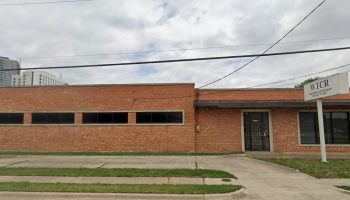
West Texas Counseling and Rehabilitation Program Dallas

1808 Market Center Boulevard Dallas, TX 75207
Detox Service Setting
Outpatient Detox
Levels Of Care
Outpatient
West Texas Counseling and Rehabilitation Program Dallas

Greenhouse Outpatient Treatment Facility

2301 Avenue J Arlington, TX 76006
Detox Service Setting
Inpatient DetoxOutpatient DetoxMAT
Levels Of Care
InpatientOutpatientAftercare+3
Greenhouse Outpatient Treatment Facility

Anchor of Hope Opioid Treatment Program

2307 Springlake Road Dallas, TX 75234
Detox Service Setting
Outpatient Detox
Levels Of Care
Outpatient
Anchor of Hope Opioid Treatment Program

Sunshine Care Centers

1900 Ballpark Way Arlington, TX 76006
Detox Service Setting
Inpatient DetoxOutpatient Detox
Levels Of Care
InpatientOutpatient
Sunshine Care Centers

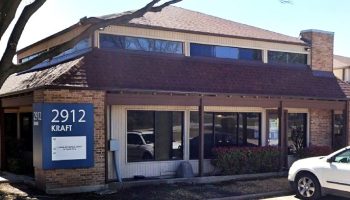
CleanSlate Outpatient Addiction Medicine

2912 Kraft Street Arlington, TX 76010
Detox Service Setting
Inpatient DetoxOutpatient DetoxMAT
Levels Of Care
InpatientOutpatient
CleanSlate Outpatient Addiction Medicine

Chemical Dependency Health Services CDHS

214 Billings Street Arlington, TX 76010
Detox Service Setting
Outpatient Detox
Levels Of Care
OutpatientAftercare
Chemical Dependency Health Services CDHS

Turtle Creek Recovery Center

2707 Routh Street Dallas, TX 75201
Detox Service Setting
Inpatient DetoxOutpatient Detox
Levels Of Care
InpatientOutpatientDual Diagnosis
Turtle Creek Recovery Center

Mantra Recovery

1509 Main St Dallas, TX 75201
Detox Service Setting
Inpatient DetoxOutpatient Detox
Levels Of Care
InpatientOutpatient
Mantra Recovery

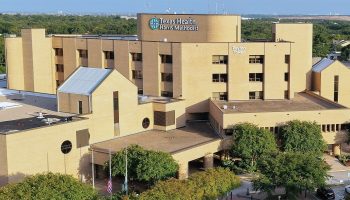
Texas Health Harris Methodist Hurst Euless Bedford

1600 Hospital Parkway Bedford, TX 76022
Detox Service Setting
Inpatient DetoxOutpatient Detox
Levels Of Care
InpatientOutpatientAftercare+1
Texas Health Harris Methodist Hurst Euless Bedford

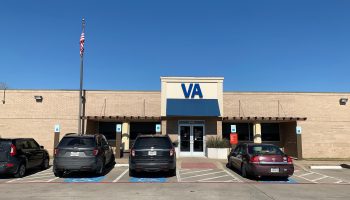
Polk Street VA Clinic

4243 South Polk Street Dallas, TX 75224
Detox Service Setting
Inpatient DetoxOutpatient DetoxMAT
Levels Of Care
InpatientOutpatientAftercare+3
Polk Street VA Clinic

Couches Drug Rehab Center

4315 Woodstock Dr Dallas, TX 75232
Detox Service Setting
Inpatient DetoxOutpatient Detox
Levels Of Care
InpatientOutpatient
Couches Drug Rehab Center

Discovery Point Retreat Dallas

6500 Greenville Avenue Dallas, TX 75206
Detox Service Setting
Inpatient DetoxOutpatient DetoxMAT
Levels Of Care
InpatientPHPOutpatient+2
Discovery Point Retreat Dallas

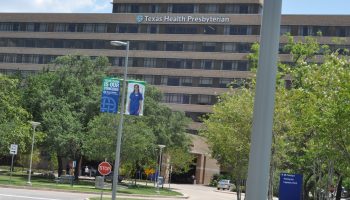
Texas Health Behavioral Health Dallas

8200 Walnut Hill Lane Dallas, TX 75231
Detox Service Setting
Inpatient DetoxOutpatient Detox
Levels Of Care
InpatientOutpatientAftercare+1
Texas Health Behavioral Health Dallas

Drug & Alcohol Detox in Irving, TX

Irving sits within Dallas County, giving residents access to one of the largest behavioral health treatment networks in Texas.

The city’s detox options range from outpatient medication-assisted programs to full medically supervised inpatient care, with the broader Dallas County infrastructure providing both private and publicly funded pathways.

Treatment facilities operating in Irving and the surrounding Dallas County area are licensed by the Texas Health and Human Services Commission (HHSC) as Chemical Dependency Treatment Facilities (CDTFs) under Texas Health and Safety Code Chapter 464.

All licensed CDTFs must meet staffing, safety, and clinical standards set by HHSC and detox programs specifically require a licensed Medical Director, nursing coverage, and 24-hour physician availability. For this reason, the HHSC Regulatory Services Division conducts on-site compliance inspections and verifies each facility’s license through its Online Licensing System.

The North Texas Behavioral Health Authority (NTBHA) functions as the state-designated Local Behavioral Health Authority for Dallas County, which includes Irving. NTBHA does not license facilities, but it manages state and county funding for uninsured and low-income residents and contracts with a network of providers that must meet rigorous quality and reporting standards.

Importantly, NTBHA operates a community clinic directly in Irving at 101 N. MacArthur Blvd., serving as an accessible local entry point for people seeking substance use assessments and referrals. To learn more about the detox process before choosing a program, the medical detox overview at detox.com provides a helpful introduction.

Irving’s substance use concerns center primarily on fentanyl-involved opioid use and methamphetamine, consistent with Dallas County-wide trends. In fact, Dallas County’s overdose rate surpassed Texas state averages in 2023, and fentanyl continues to contaminate the local drug supply across multiple substance categories.
Find The Perfect Detox Center For You

Filter treatment centers in Irving by level of care offered to find the best detox program for you or a loved one.

Paying for Detox in Irving

Understanding what detox costs in Irving, and how to offset those costs, is often the first practical question people have. Therefore, understanding local payment options, including insurance, Medicaid and no-cost programs funded through NTBHA, can help you access care without delay.

How Much Does Detox Cost in Irving?

Detox costs in Irving and the broader Dallas County area can vary and are based on the level of medical supervision required, the substances involved, the length of stay and whether the program is inpatient or outpatient. As well, facilities with private rooms, on-site psychiatric care, or luxury amenities carry higher price tags.

Moreover, people with insurance typically pay only copays and deductibles; uninsured individuals may qualify for state-funded or sliding-scale programs.

Outpatient MAT programs use prescribed medications alongside counseling, and their costs are largely driven by which medication is used and how frequently clinical visits are required.

$150k
Medical Detox
$51k
Inpatient Rehab
$11k
Outpatient Rehab
$5.2k
Methadone Treatment

Does Private Insurance Cover Detox in Irving?

Private insurers doing business in Texas must comply with the Affordable Care Act’s mental health parity requirements, meaning substance use disorder treatment coverage must be comparable to medical and surgical benefits.

The Texas Department of Insurance (TDI) oversees compliance and can be reached through tdi.texas.gov.

It is important to remember that coverage terms, network status and authorization requirements vary by plan. So, be sure to check your plan documents or call your insurer directly before admission.

The six most common private insurers serving the Irving and Dallas County market include:

United Health Care
Aetna
Cigna
Humana
Ambetter

Medicare and Medicaid in Irving

Medicare

Medicare covers medically supervised detox, inpatient and outpatient SUD treatment, and opioid treatment program (OTP) services, including methadone and buprenorphine under Part B.

Additionally, co-pays, deductibles and covered days depend on the treatment setting, your specific plan and whether a supplemental Medigap policy applies.

Medicaid

Texas Medicaid for most adults and families is delivered through the STAR managed care program, administered by HHSC.

STAR-contracted managed care organizations cover medically necessary SUD treatment, including detox and outpatient services, for eligible enrollees. Prior authorization may be required depending on the level of care and the managed care organization.

Eligibility and plan options can be verified through YourTexasBenefits.com.

Other Ways to Pay for Detox Treatment

Understandably, the cost of treatment can be overwhelming, but do not let this prevent you from seeking help.

Several local and statewide options exist for people without private insurance or the means to pay out of pocket.

NTBHA-Funded Treatment: 

The North Texas Behavioral Health Authority manages state and federal funding for uninsured and low-income Dallas County residents, including those in Irving. Through its OSAR (Outreach, Screening, Assessment and Referral) service at 844-275-0600, NTBHA staff can connect eligible individuals to covered detox and residential treatment at contracted facilities.

Sliding Scale / Nonprofit Care: 

Homeward Bound, Inc., an NTBHA-contracted nonprofit, provides medical detox, residential treatment and MAT to adults regardless of their ability to pay, using state grants and community donations to fund services.

Federally Qualified Health Centers (FQHCs): 

Several FQHCs operating within the Parkland Health system in Dallas County offer MAT and outpatient addiction services on income-based sliding fee schedules, bringing costs down to near zero for qualifying individuals.

Veterans Programs: 

Eligible veterans can access medically supervised detox, residential programs, and ongoing outpatient SUD care through the Dallas VA Medical Center at no cost under their VA benefits.

Recovery Resource Council: 

This North Texas nonprofit provides SUD treatment for lower-income and uninsured individuals and operates the Overdose Response Team alongside Dallas Fire-Rescue.

Irving, Texas Regulations and Accreditation for Detox

Many key regulatory and accreditation bodies oversee detox and withdrawal management services in Irving and Dallas County, including:

Texas Health and Human Services Commission (HHSC)

The primary state licensing authority for all Chemical Dependency Treatment Facilities in Texas, including those offering detoxification services.

HHSC issues and renews CDTF licenses under Texas Health and Safety Code Chapter 464, sets staffing and clinical standards, conducts on-site compliance inspections and maintains the public Online Licensing System where anyone can verify a facility’s active license status before seeking care.

North Texas Behavioral Health Authority (NTBHA)

The Texas-designated Local Behavioral Health Authority for Dallas County (which includes Irving), as well as Ellis, Hunt, Kaufman, Navarro, and Rockwall Counties.NTBHA does not license facilities but strictly oversees how state and county behavioral health funds are distributed to contracted providers.

Facilities receiving NTBHA funding must maintain compliance with NTBHA performance, reporting and quality standards to keep their contracts.

Website: ntbha.org

Dallas County Health and Human Services (DCHHS)

DCHHS is the lead local public health authority for Dallas County. Through its Alcohol and Substance Use Prevention division, DCHHS tracks overdose epidemiology, funds community-level outreach programs and operates the Overdose Prevention Hotline at (214) 590-4000.

DCHHS data informs both state regulatory priorities and NTBHA funding allocations for the county.

The Joint Commission and CARF International

Voluntary accreditation from The Joint Commission or CARF (Commission on Accreditation of Rehabilitation Facilities) is held by several Irving-area treatment centers, including Arise Recovery Centers (Joint Commission-accredited). These independent bodies evaluate safety protocols, clinical practices and staff qualifications, providing a layer of quality assurance beyond state licensure.

Key MAT Medications and Regulatory Status in Irving

Medication-assisted treatment in Irving operates under both federal and state oversight. At the federal level, MAT involving opioid agonists must comply with SAMHSA’s Opioid Treatment Program rules under 42 CFR Part 8 and DEA controlled-substance regulations.

At the state level, HHSC licenses MAT providers and requires that pharmacological treatment be paired with behavioral health counseling.

Buprenorphine: 

Widely accessible in the Irving and Dallas area through outpatient clinics, federally qualified health centers, and telehealth providers. The removal of the federal X-waiver requirement in 2023 expanded the pool of prescribers significantly, making buprenorphine one of the most accessible entry points to opioid use disorder treatment in the region.

Methadone: 

Available only through federally certified Opioid Treatment Programs, which require daily clinic visits for supervised dosing during the early stabilization phase. Texas Medicaid covers methadone for OUD treatment at certified OTPs, and several programs operate within the Dallas County area.

Naltrexone: 

Available without special licensing restrictions and prescribed in both oral and injectable (Vivitrol) forms. Because it carries no abuse potential and does not require an OTP setting, naltrexone is widely used across outpatient settings in the Irving area, including programs serving justice-involved individuals.

Overdose Prevention and Harm Reduction in Irving

Irving residents navigating fentanyl risks have access to Dallas County’s growing harm reduction network, even as Texas law imposes meaningful restrictions on certain services.

Texas does not permit syringe service programs and fentanyl test strips remain classified as drug paraphernalia under state law, limiting the scope of available tools compared to other states. Still, several county and statewide programs provide naloxone, peer outreach and overdose intervention resources.

Dallas County Health and Human Services (DCHHS) Overdose Response Team

Free Narcan kits and training for businesses Community centers and individuals Peer navigator deployment to hospital emergency departments Overdose Prevention Hotline at (214) 590-4000 Available 7 AM to 11 PM daily Bilingual and real-time overdose mapping shared with first responders

Operated in collaboration with the Recovery Resource Council and Dallas Fire-Rescue, the DCHHS Overdose Response Team dispatches peer navigators to reach people within 24 to 72 hours of a documented overdose, helping connect them to detox and MAT before the crisis window closes. This essential hotline provides nonjudgmental support and direct referrals.

North Texas Behavioral Health Authority (NTBHA) Community Outreach

Free Narcan distribution at community events Health fairs across Dallas County Referrals to detox and MAT providers OSAR (Outreach, Screening, Assessment, and Referral) line at 844-275-0600 Irving clinic at 101 N. MacArthur Blvd., walk-ins accepted Monday through Friday

NTBHA community health workers distribute naloxone directly at outreach events throughout Dallas County, including Irving, while providing referrals and care coordination for uninsured and low-income individuals. The OSAR line is the primary access point for people who are uninsured and need same-day guidance on available treatment options.

Be Well Texas (Naloxone Texas / UT Health San Antonio)

Free naloxone shipped directly to residences statewide Training materials and overdose recognition education Support for organizations seeking to become distribution sites

Funded by the Texas Legislature ($18 million appropriated for 2024-2025) and managed through UT Health San Antonio, Be Well Texas serves individuals who do not have a local free naloxone site nearby.

Therefore, anyone in Texas can request free doses to be mailed to their address, removing the barrier of locating a physical distribution point.

Recovery Resource Council

Co-leadership of the Dallas County Overdose Response Team SUD needs assessments and annual data reports for the DFW region Outpatient SUD treatment and behavioral health services for low-income individuals Peer support and recovery navigation

As a major nonprofit behavioral health provider in North Texas, the Recovery Resource Council publishes the annual Dallas County and Region 3 Needs Assessments, which track fentanyl and overdose trends.

Their partnership with Dallas Fire-Rescue to run the Overdose Response Team represents one of the most tangible bridges between harm reduction and entry into care in the Irving service area.

Detox Statistics in Irving, Texas

Irving sits within Dallas County, where the public health toll of fentanyl contamination and polysubstance use has driven sustained investment in both overdose prevention and expanded treatment access.

The following data reflects conditions across the county that directly shape the local detox environment.

558 Total Overdose Deaths in 2024: 

Dallas County recorded 558 provisional overdose deaths in 2024, down from 628 in 2023, according to the DCHHS Overdose Data to Action 2024 Annual Surveillance Report.

79.8% Fentanyl Involvement Rate:

As of 2023, fentanyl was involved in 79.8% of all opioid-related overdose deaths in Dallas County, up from just 11.4% in 2018.

61% Increase in Crude Overdose Mortality Rate Since 2018:

Between 2018 and 2024, Dallas County’s overdose crude mortality rate climbed 61%, from 12.9 to 20.8 per 100,000 residents, outpacing the 49.5% rise seen statewide and the 9.9% national increase over the same period.

FAQs About Detox in Irving, TX

How do I access state-funded detox in Irving if I don't have insurance?

Contact NTBHA’s OSAR line at 844-275-0600 or visit the Irving community clinic at 101 N. MacArthur Blvd. NTBHA manages state funding for uninsured Dallas County residents and can connect you with contracted detox and residential treatment providers.

You’ll typically need to provide proof of Dallas County residency and income information to qualify.

What is the difference between inpatient and outpatient detox, and how do I know which is right for me?

The key distinction between inpatient and outpatient detox is supervision.

Inpatient detox provides 24-hour medical monitoring in a residential setting, which is appropriate for alcohol dependence, benzodiazepine use, or any situation with risk of seizures or severe withdrawal.

Whereas, outpatient detox involves regular clinic visits while you live at home and works best for people with milder dependencies and stable living situations.

A clinical assessment at intake will determine the appropriate level of care.

Are fentanyl test strips legal to use in Irving, Texas?

As of this writing, fentanyl test strips remain classified as drug paraphernalia under Texas law. Unlike many other states, Texas does not have an exemption that legalizes its possession or distribution, though bipartisan legislation to change that has been introduced in recent Texas legislative sessions.

For current legal status, check with the Texas Legislature’s bill tracking system or Dallas County Health and Human Services.

Is naloxone (Narcan) free in Irving?

Yes. Free naloxone is available through several channels in the Irving area.

NTBHA community health workers distribute doses at outreach events. The DCHHS Overdose Prevention Hotline can connect callers to nearby distribution sites and Be Well Texas (naloxonetexas.com) will ship free doses to your home anywhere in the state.

Most pharmacies in Irving also carry naloxone over the counter, and it is covered by Texas Medicaid with no cost to the enrollee.

Does NTBHA cover people who live in Irving specifically?

Yes. Irving is located within Dallas County, and NTBHA is the state-designated Local Behavioral Health Authority for Dallas County.

Any Irving resident who qualifies based on income and lack of private insurance is eligible for NTBHA-funded SUD services.

NTBHA operates a community clinic directly in Irving and also provides referrals to its full network of contracted detox and treatment providers throughout the county.

What should I do immediately if someone in Irving overdoses?

Call 911 first. If naloxone is available, administer it while waiting for emergency services.

Texas has a Medical Amnesty Law (the Good Samaritan provision under Texas Health and Safety Code Section 481.115) that provides limited legal protection for people who call 911 to report a drug overdose in good faith.

After the acute event, the DCHHS Overdose Response Team will follow up within 24 to 72 hours to help connect the individual to aftercare and ongoing treatment options.

Two people talking
Get Help Today!
If you or a loved one is in need of help, call today. Pick up the phone and get the help you need.
800-483-2193
Confidential. Available 24 Hours

Browse Detox Centers

Get Help Today Phone icon 800-779-4314