

 517-826-0048
Lakeridge Village
Detroit, MI
48238
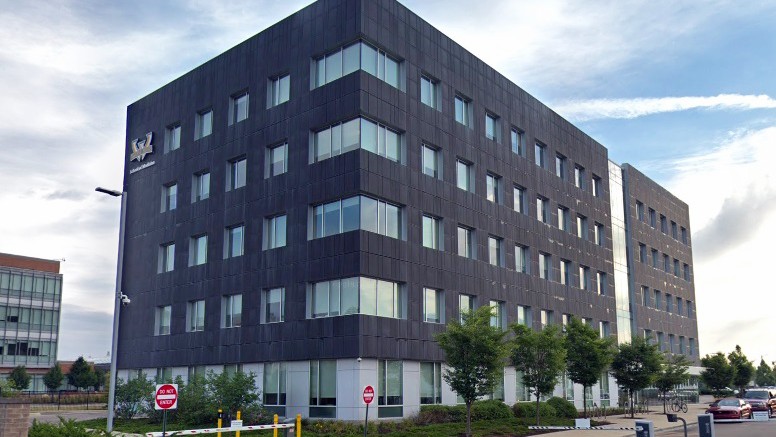
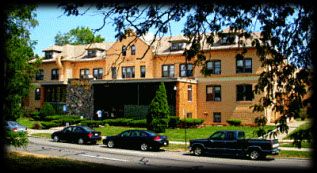
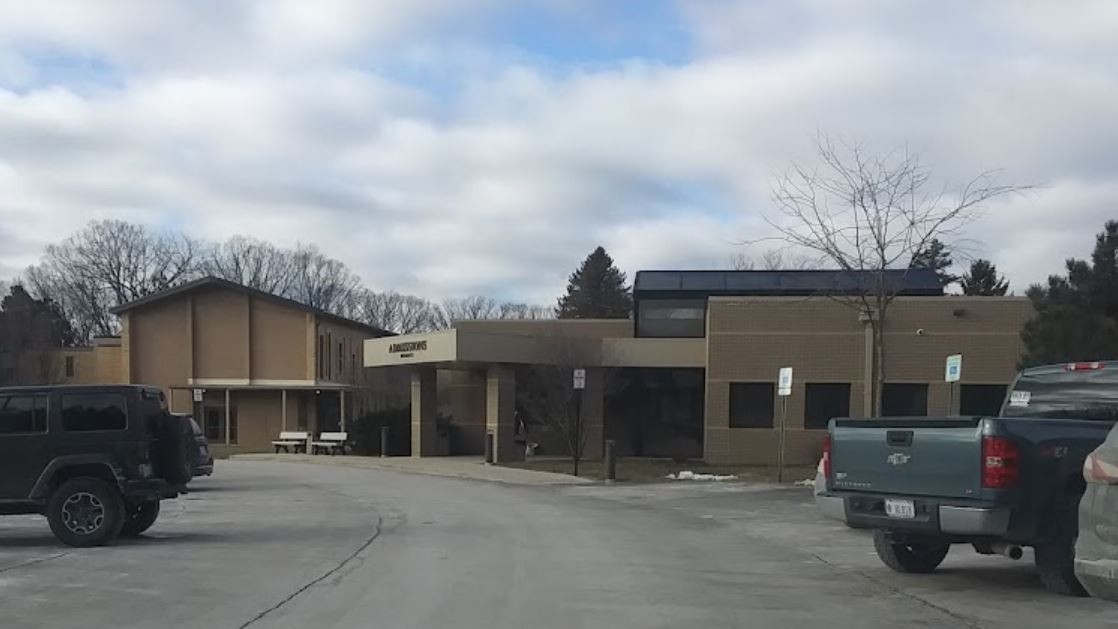
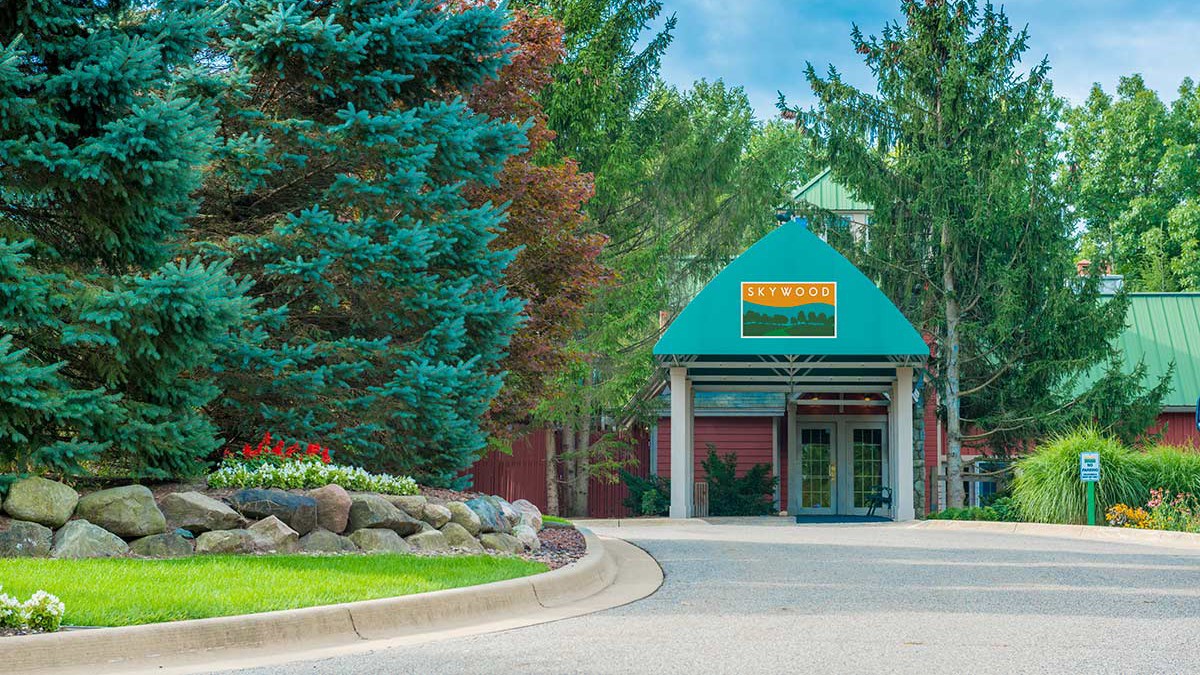
| Name | Address | Detox Service Setting | Levels Of Care | Media |
|---|---|---|---|---|
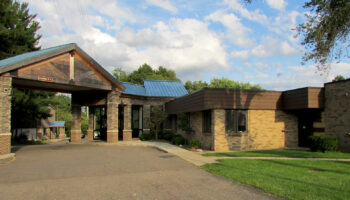
Community Healing Center |
1910 Shaffer Street Kalamazoo, MI 49048 |
Detox Service Setting
Inpatient DetoxOutpatient DetoxMAT
|
Levels Of Care
InpatientOutpatientAftercare+1
|
|
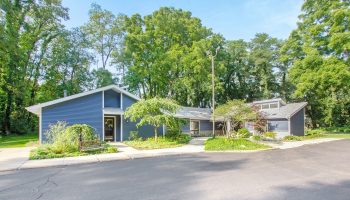
Pine Rest Christian Mental Health Services |
1530 Nichols Road Kalamazoo, MI 49006 |
Detox Service Setting
Outpatient Detox
|
Levels Of Care
OutpatientAftercareDual Diagnosis+1
|
|
Enlightened Recovery Michigan |
1430 Alamo Ave Kalamazoo, MI 49006 |
Detox Service Setting
Inpatient DetoxOutpatient DetoxMAT
|
Levels Of Care
InpatientOutpatientDual Diagnosis+1
|
|
Victory Clinical Services |
401 Howard Street Kalamazoo, MI 49001 |
Detox Service Setting
Outpatient Detox
|
Levels Of Care
OutpatientDual Diagnosis
|
|
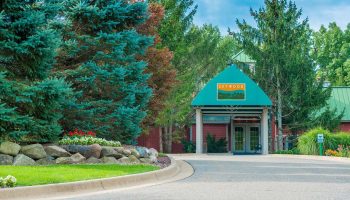
Skywood Recovery |
10499 48th Street Augusta, MI 49012 |
Detox Service Setting
Inpatient DetoxOutpatient Detox
|
Levels Of Care
InpatientOutpatientAftercare+2
|
|
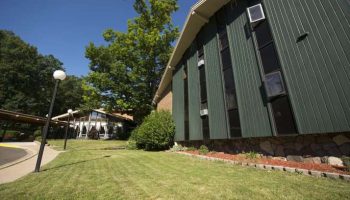
A Forever Recovery |
216 Saint Marys Lake Road Battle Creek, MI 49017 |
Detox Service Setting
Inpatient DetoxOutpatient DetoxMAT
|
Levels Of Care
InpatientPHPOutpatient+2
|
|
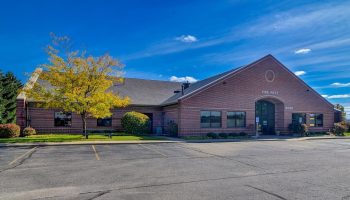
Pine Rest Caledonia Clinic |
6505 Cherry Meadow Drive Southeast Caledonia, MI 49316 |
Detox Service Setting
Outpatient DetoxMAT
|
Levels Of Care
OutpatientAftercareDual Diagnosis+1
|
|
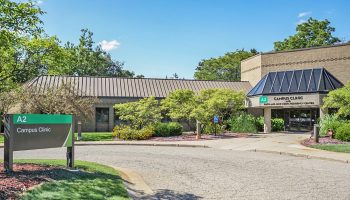
Pine Rest Campus Clinic |
300 68th Street SE Grand Rapids, MI 49548 |
Detox Service Setting
Inpatient Detox
|
Levels Of Care
InpatientAftercareDual Diagnosis+1
|
|
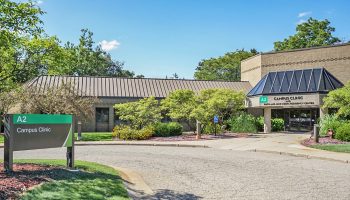
Pine Rest Community Services Clinic StreetReach |
300 68th Street Southeast Grand Rapids, MI 49548 |
Detox Service Setting
Inpatient DetoxOutpatient Detox
|
Levels Of Care
InpatientOutpatientAftercare+2
|
|
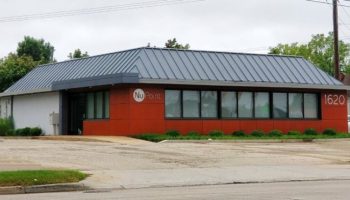
NuPoint Services |
1620 44th St SE Grand Rapids, MI 49508 |
Detox Service Setting
Inpatient DetoxOutpatient Detox
|
Levels Of Care
InpatientOutpatient
|
|
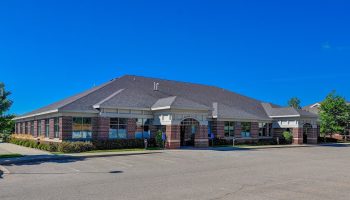
Pine Rest Christian Mental Health Services Southwest Clinic |
4211 Parkway Place Grandville, MI 49418 |
Detox Service Setting
Outpatient Detox
|
Levels Of Care
OutpatientAftercareDual Diagnosis+1
|
|
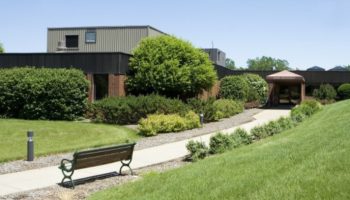
Sacred Heart Serenity Hills Recovery and Wellness Center |
6418 Deans Hill Road Berrien Center, MI 49102 |
Detox Service Setting
Inpatient Detox
|
Levels Of Care
InpatientAftercareDual Diagnosis
|
|
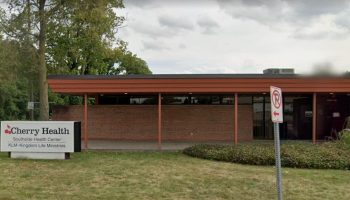
Cherry Health Southside Health Center |
2303 Kalamazoo Avenue Southeast Grand Rapids, MI 49507 |
Detox Service Setting
Outpatient Detox
|
Levels Of Care
OutpatientDual Diagnosis
|
|
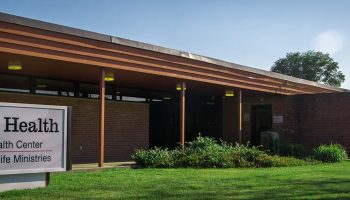
Cherry Health – Southside Health Center Suite 100 |
2303 Kalamazoo Avenue Southeast Grand Rapids, MI 49507 |
Detox Service Setting
Outpatient DetoxMAT
|
Levels Of Care
Outpatient
|
|
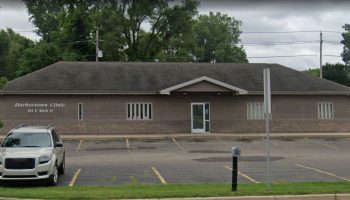
Harbortown Treatment Center Outpatient Services |
1022 East Main Street Benton Harbor, MI 49022 |
Detox Service Setting
Outpatient Detox
|
Levels Of Care
Outpatient
|
|
Kalamazoo County experienced a high-profile fentanyl crisis in April 2023, when fentanyl-laced cocaine caused 18 overdose cases and at least seven deaths over two days, drawing federal law enforcement involvement and accelerating local harm reduction investments. That event underscored a pattern already well documented in county health data: contamination of stimulants and other drugs with synthetic opioids had changed the risk profile for people who did not primarily use opioids.
In response, Michigan’s opioid settlement funds are actively supplementing local treatment capacity, with over $1.8 billion in projected statewide payments through 2040 flowing to both state and county programs.
Detox and substance use disorder treatment in Kalamazoo operates under a layered regulatory structure. The Michigan Department of Licensing and Regulatory Affairs (LARA), through its Bureau of Community and Health Systems (BCHS), licenses all SUD treatment programs in the state, including residential detox and medically monitored withdrawal management facilities. Programs must comply with Michigan Administrative Code Part 325, which sets staffing, clinical, and safety standards for each level of care. When choosing a detox center in Kalamazoo, verifying that LARA actively licenses a facility and that it can manage polysubstance presentations is a practical first step.
The public access point for Kalamazoo County residents without insurance or with Medicaid is Integrated Services of Kalamazoo (ISK), which operates a 24-hour Behavioral Health Urgent Care and Access Center at 440 W. Kalamazoo Ave. For Kalamazoo County specifically, Southwest Michigan Behavioral Health (SWMBH) is the Prepaid Inpatient Health Plan (PIHP) that manages Medicaid-funded SUD treatment across an eight-county region and serves as the primary coordinating agency for SUD care. SWMBH’s substance use treatment access line (800-781-0353) can connect residents to authorized treatment options and initiate prior authorization for Medicaid-funded services.
Understanding the cost of detox before choosing a program helps you avoid surprises, and Kalamazoo residents have access to several payment pathways. For those with private coverage, using health insurance for detox in Michigan is governed by federal mental health parity requirements, which obligate insurers to cover SUD treatment on par with other medical benefits.
Detox costs in Kalamazoo depend on the level of medical supervision required, the substances involved, and whether care is delivered in a hospital, residential, or outpatient setting. Longer withdrawal timelines, co-occurring mental health conditions, and the need for around-the-clock nursing care can drive costs toward the higher end of these ranges. Health insurance or publicly funded programs can significantly reduce what individuals actually pay.
Michigan’s Medicaid expansion program, the Healthy Michigan Plan, covers SUD treatment including detox, residential withdrawal management, and MAT for adults ages 19 to 64 with income at or below 133% of the federal poverty level. In Kalamazoo County, SUD benefits for Medicaid enrollees are managed through Southwest Michigan Behavioral Health (SWMBH), which can be reached at 800-781-0353 to initiate authorization.
Several options exist for Kalamazoo residents without private insurance or the means to pay out-of-pocket.

Integrated Services of Kalamazoo (ISK) operates a sliding fee discount program so that no one is denied services based on inability to pay. Wait times for non-Medicaid-covered services may apply.
Several providers in Kalamazoo accept patients regardless of payment status and maintain grant-funded capacity for underinsured individuals.
Kalamazoo-area veterans with service-connected SUD conditions can access treatment through the Battle Creek VA Medical Center, which provides medically supervised detox and MAT through the Veterans Health Administration.
A mix of key regulatory and accreditation bodies oversees detox and withdrawal management services in Kalamazoo and Michigan.
The primary state licensing authority for all SUD treatment programs in Michigan, including residential detox, medically monitored withdrawal management, and inpatient hospitalization. LARA issues licenses, conducts pre-licensure and ongoing compliance surveys, investigates complaints, and enforces Michigan Administrative Code Part 325. All detox facilities operating in Kalamazoo must hold an active LARA/BCHS license. Learn more at michigan.gov.
The state-designated PIHP for Kalamazoo County and seven surrounding counties (Barry, Berrien, Branch, Calhoun, Cass, St. Joseph, and Van Buren). SWMBH manages Medicaid-funded SUD benefits, authorizes treatment, oversees provider network standards, and funds community-based prevention and harm reduction programs across the region. It is the entity that must authorize SUD services for most Medicaid enrollees in Kalamazoo. Learn more at swmbh.org.
The local public health authority for Kalamazoo County. It monitors overdose trends, issues public health alerts, administers harm reduction programs including public health vending machines stocked with naloxone and fentanyl test strips, and coordinates with state agencies on SUD response planning and data collection. Learn more at kalcounty.gov.
Medication-assisted detox in Kalamazoo is regulated at both the federal and state levels. Federally, opioid agonist treatment is governed by SAMHSA’s Opioid Treatment Program rules under 42 CFR Part 8 and DEA controlled-substance regulations. At the state level, LARA and MDHHS oversee licensed MAT providers, and Michigan requires counseling and behavioral health components as part of MAT programs.
Widely accessible in Kalamazoo through outpatient and low-barrier clinic settings. Since federal prescribing waivers were removed under the 2023 Mainstreaming Addiction Treatment Act, any DEA-registered provider can prescribe buprenorphine. Telehealth initiation is also available, making it a practical first-access option for people who cannot immediately enter residential care.
Restricted to federally certified Opioid Treatment Programs (OTPs). Kalamazoo and the surrounding Southwest Michigan region have certified OTP providers, where patients are typically required to attend daily clinic appointments for initial dosing. Michigan Medicaid covers methadone treatment at these licensed OTPs.
No special licensing is required to prescribe naltrexone, as it carries no abuse potential or federal prescribing restrictions. The injectable form (Vivitrol) is commonly used in Kalamazoo for both opioid and alcohol use disorder and is covered under Medicaid and most private insurance plans.
Fentanyl contamination of the local drug supply, documented most acutely in the April 2023 mass overdose cluster, has driven a steady expansion of harm reduction services in Kalamazoo, now including free naloxone, syringe access, drug checking, and low-barrier recovery support. Understanding fentanyl risks and overdose prevention is another important measure for anyone supporting a person who uses drugs in the area.
COPE Network operates Kalamazoo Harm Reduction as a dedicated syringe service program serving Southwest Michigan. The organization has distributed over 20,000 Narcan kits across eight counties since 2016 and partners with Bronson Healthcare and WMed to supply naloxone distribution boxes at clinical sites throughout the region. It is located at 3330 Miller Rd, Kalamazoo; call 269-580-8290 (COPE) or 269-568-3658 (Kalamazoo Harm Reduction).
Launched in 2024 in partnership with the Kalamazoo County Health and Community Services Department, this public health vending machine provides anonymous, 24-hour access to overdose reversal medication and drug-checking supplies at a high-traffic site (1421 Healy St) that also houses probation and parole offices. A second unit is installed at the Kalamazoo County Jail exit, providing naloxone to individuals at elevated risk immediately following release.
Western Michigan University Homer Stryker M.D. School of Medicine, in partnership with Bronson Healthcare, operates an emergency-department-based naloxone and buprenorphine access program across Bronson facilities in Kalamazoo, Battle Creek, Paw Paw, and South Haven. Patients who use drugs, including those not primarily using opioids, are provided naloxone before discharge given fentanyl cross-contamination risk.
MDHHS operates a statewide Naloxone Direct Portal that allows community organizations and individuals in high-risk areas to obtain naloxone at no cost. More than 1.3 million naloxone kits have been distributed statewide through this and related settlement-funded programs, with nearly 34,000 confirmed overdose reversals reported.
Kalamazoo County has faced some of the most visible consequences of the fentanyl-contaminated drug supply in Michigan, including a deadly 2023 overdose cluster that drew federal prosecutions. Although statewide progress on reducing overdose deaths is real, local data underscores that the crisis continues to affect vulnerable populations acutely.
According to the Kalamazoo County Medical Examiner’s 2023 Annual Report, opioids were present in nearly three of every four drug-related deaths in the county that year. Source: Kalamazoo County Health and Community Services.
In April 2023, a fentanyl-laced cocaine supply in Kalamazoo County caused 18 overdose cases, including 10 hospitalizations and seven deaths, over roughly 36 hours. Source: U.S. Department of Justice, Western District of Michigan.
Provisional MDHHS data analyzed by the Michigan Attorney General’s office projects roughly 1,000 fewer overdose deaths in 2024 than in 2023, the third consecutive annual decline statewide. Source: Michigan Attorney General’s Office.
Contact the Integrated Services of Kalamazoo (ISK) Behavioral Health Urgent Care and Access Center at 269-373-6000, open 24 hours a day at 440 W. Kalamazoo Ave. You can also call Southwest Michigan Behavioral Health at 800-781-0353. SWMBH authorizes Medicaid-funded detox services and can connect you to available providers. No one is denied ISK services based on inability to pay.
Yes. Michigan’s Good Samaritan law provides limited immunity from drug possession charges for individuals who seek emergency medical help for themselves or others during an overdose. It does not protect against all criminal liability, but it is specifically designed to remove the fear of arrest as a barrier to calling for help.
Inpatient detox provides 24-hour medical supervision in a residential or hospital setting and is typically recommended for alcohol, benzodiazepine, and opioid withdrawal when there is a risk of severe symptoms, seizures, or prior failed outpatient attempts. Outpatient detox is appropriate for medically stable individuals with mild to moderate withdrawal and strong home support. A licensed clinician will assess your situation to recommend the right level.
Yes. Buprenorphine for opioid use disorder can be prescribed by any DEA-registered outpatient provider in Kalamazoo, including via telehealth. Naltrexone (Vivitrol) is also available through outpatient providers without restrictions. Methadone for opioid use disorder requires enrollment at a certified Opioid Treatment Program but does not require residential admission. ISK, WMed Health, and Pine Rest Kalamazoo all offer outpatient SUD treatment options.
Yes. Under Michigan Public Health Code MCL 333.6233 and LARA’s Bureau of Community and Health Systems rules, any facility providing SUD treatment services, including detox, must hold a current state license issued by LARA. Facilities are subject to pre-licensure inspections and periodic compliance surveys. You can verify a facility’s license at the LARA state licensing search portal at michigan.gov/lara.
Detox is medically necessary but not sufficient for lasting recovery on its own. Southwest Michigan offers a range of continuing care options including intensive outpatient programs, sober living homes, ongoing MAT, and peer recovery support services through ISK and other SWMBH-funded providers. Ask about a transition plan before you enter detox so you have a clear next step lined up when medical stabilization is complete.


Cary has more than three decades of nursing expertise as an LPN and holds a bachelor’s degree in Liberal Arts. She is also working toward a Master’s degree focused on public health policy. Her professional journey has been dedicated to addressing healthcare disparities for both adults and children.