Find Drug & Alcohol Detox Centers in Minnesota

Detox Centers in Minnesota

116 Results
Filters
Setting
Medications Offered
Treatment
Programs
Payment Options
Name Address Detox Service Setting Levels Of Care Media

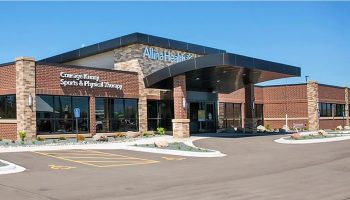
Allina Health Cambridge Medical Center

701 South Dellwood Street Cambridge, MN 55008
Detox Service Setting
Inpatient Detox
Levels Of Care
InpatientAftercareDual Diagnosis+1
Allina Health Cambridge Medical Center

CentraCare St Cloud Hospital Addiction Services

3701 12th Street North Saint Cloud, MN 56303
Detox Service Setting
Inpatient DetoxOutpatient Detox
Levels Of Care
InpatientOutpatientAftercare+2
CentraCare St Cloud Hospital Addiction Services

Douglas Place

1111 Gateway Drive Northeast East Grand Forks, MN 56721
Detox Service Setting
Inpatient DetoxOutpatient Detox
Levels Of Care
InpatientOutpatientSober Living
Douglas Place

Eden House

1025 Portland Avenue Minneapolis, MN 55404
Detox Service Setting
Inpatient DetoxOutpatient Detox
Levels Of Care
InpatientOutpatientDual Diagnosis+1
Eden House

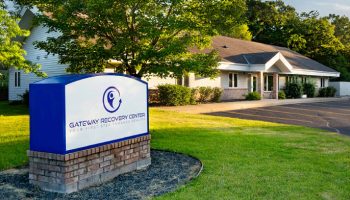
Gateway Recovery Center

6775 Cahill Ave E Woodbury, MN 55076
Detox Service Setting
Inpatient DetoxOutpatient Detox
Levels Of Care
InpatientOutpatient
Gateway Recovery Center

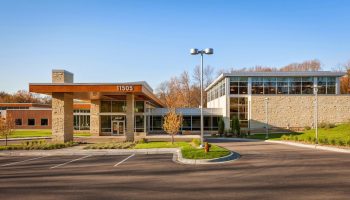
Hazelden Betty Ford Treatment Center Plymouth

11505 36th Avenue North Plymouth, MN 55441
Detox Service Setting
Inpatient DetoxOutpatient DetoxMAT
Levels Of Care
InpatientOutpatientAftercare+4
Hazelden Betty Ford Treatment Center Plymouth

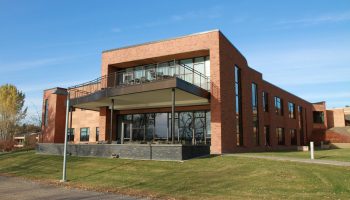
Hazelden Betty Ford in Center City

15251 Pleasant Valley Road Center City, MN 55012
Detox Service Setting
Inpatient DetoxOutpatient Detox
Levels Of Care
InpatientOutpatientAftercare+2
Hazelden Betty Ford in Center City

Meridian Behavioral Health Lake Shore

140 Quail Street Saint Paul, MN 55115
Detox Service Setting
Inpatient Detox
Levels Of Care
InpatientDual Diagnosis
Meridian Behavioral Health Lake Shore

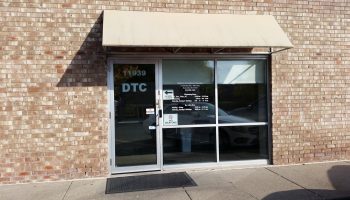
New Season Dakota Treatment Center

11939 West River Hills Drive Burnsville, MN 55337
Detox Service Setting
Outpatient Detox
Levels Of Care
Outpatient
New Season Dakota Treatment Center

New Season St Paul Metro Treatment Center

2311 Woodbridge Street Roseville, MN 55113
Detox Service Setting
Outpatient Detox
Levels Of Care
Outpatient
New Season St Paul Metro Treatment Center

Park Avenue Center – Women’s Facility

2318 Park Ave Minneapolis, MN
Detox Service Setting
Inpatient DetoxOutpatient Detox
Levels Of Care
InpatientOutpatient
Park Avenue Center – Women’s Facility

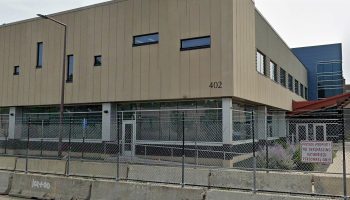
Ramsey County Detox Center

402 University Avenue East Saint Paul, MN 55130
Detox Service Setting
Inpatient Detox
Levels Of Care
InpatientAftercare
Ramsey County Detox Center

The Heights

796 Capitol Heights Saint Paul, MN 55103
Detox Service Setting
Inpatient Detox
Levels Of Care
InpatientDual Diagnosis
The Heights

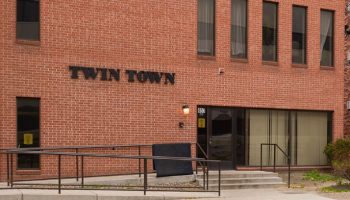
Twin Town

1706 University Avenue Saint Paul, MN 55104
Detox Service Setting
Inpatient DetoxOutpatient Detox
Levels Of Care
InpatientOutpatientDual Diagnosis
Twin Town

Valhalla Place Brooklyn Park

2807 Brookdale Drive Minneapolis, MN 55444
Detox Service Setting
Outpatient Detox
Levels Of Care
OutpatientDual Diagnosis
Valhalla Place Brooklyn Park

Vinland National Center

3675 Ihduhapi Trail Loretto, MN 55357
Detox Service Setting
Inpatient DetoxOutpatient Detox
Levels Of Care
InpatientOutpatientDual Diagnosis+1
Vinland National Center

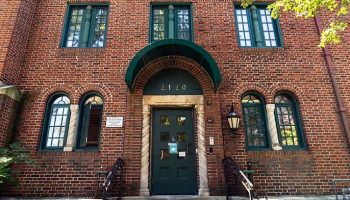
Wayside Family Treatment Center

2120 Clinton Ave Minneapolis, MN 55404
Detox Service Setting
Inpatient DetoxOutpatient Detox
Levels Of Care
InpatientOutpatient
Wayside Family Treatment Center

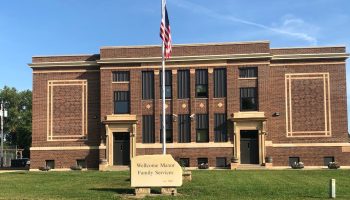
Wellcome Manor Family Services

114 Pleasant Street West Garden City, MN 56034
Detox Service Setting
Inpatient Detox
Levels Of Care
InpatientDual Diagnosis
Wellcome Manor Family Services

Anthony Louis Center On-Belay House

115 Forestview Ln N Plymouth, MN 55441
Detox Service Setting
Inpatient DetoxOutpatient Detox
Levels Of Care
InpatientOutpatient

Fairview Recovery Services Minneapolis

2450 Riverside Ave Minneapolis, MN 55454
Detox Service Setting
Inpatient DetoxOutpatient Detox
Levels Of Care
InpatientOutpatient

Drug & Alcohol Detox in Minnesota

Minnesota licenses and oversees detox through the Department of Human Services (DHS) Behavioral Health Division, which regulates withdrawal management programs under Minnesota Statutes Chapter 245F, substance use disorder treatment under Chapter 245G, and older licensed detox programs under Minnesota Rules Chapter 9530.

Knowing this single-agency structure helps when choosing a detox center, because a program’s license type indicates whether it provides medically monitored withdrawal management or a broader treatment level of care.

Access looks different across the state. The seven-county Twin Cities metro holds most of Minnesota’s medically managed withdrawal beds and opioid treatment programs, while much of Greater Minnesota relies on regional hospitals, tribal programs, and telehealth to reach people far from a clinic.

Eleven Tribal Nations operate within Minnesota, and several run their own culturally specific withdrawal and recovery services. Recent state action shapes what is available now. Minnesota’s 2019 Opioid Epidemic Response law created sustained funding for treatment and recovery, and in 2023 the Legislature authorized funding for Safe Recovery Sites statewide.

The state also expanded no-cost naloxone through the MN Naloxone Portal. For most people, admission begins with an assessment that assigns an American Society of Addiction Medicine (ASAM) level of care, which determines whether inpatient or outpatient detox is most appropriate.


Paying for Detox in Minnesota

Paying for detox in Minnesota is often more manageable than people expect, thanks to some of the strongest insurance parity protections in the country.

Whether you plan to use commercial insurance, Medical Assistance, or state grant funding, understanding how to pay with health insurance and the public options below can help you start care without an unaffordable bill.

How Much Does Detox Cost in Minnesota?

The cost of detox in Minnesota depends on the level of medical supervision, the substance involved, the length of stay, and whether care happens in a hospital, a residential facility, or an outpatient setting.

Alcohol and benzodiazepine withdrawal often require closer monitoring, which raises the cost. The figures below are full cash-pay (self-pay) rates before insurance, Medical Assistance, Medicare, or grant funding is applied. Most people with coverage pay far less, and some qualify for care at no cost.

$140,000
Medical Detox
$50,000
Inpatient Rehab
$8,000
Outpatient Rehab
$7,000
Methadone Treatment

Medicare and Medicaid in Minnesota

Medicare

Medicare covers medically necessary detox for Minnesota residents. Part A pays for inpatient hospital withdrawal management, and Part B covers outpatient services, including opioid treatment program care that provides methadone, buprenorphine, and naltrexone.

Medicare Advantage plans sold in Minnesota must offer at least the same coverage. Your out-of-pocket cost depends on the setting, the services received, and your plan’s deductibles and coinsurance.

Medicaid

Medical Assistance, Minnesota’s Medicaid program, covers withdrawal management, residential and outpatient treatment, and medication-assisted treatment for eligible residents. MinnesotaCare extends similar coverage to people with slightly higher incomes.

Most enrollees receive care through a managed care plan or county-based purchaser, and some services may require prior authorization. Coverage is broad, and many Minnesotans pay little or nothing out of pocket for detox.

Other Ways to Pay for Detox Treatment

Cost should not keep anyone in Minnesota from starting detox safely. Beyond commercial insurance and Medical Assistance, several public and community programs help people pay for withdrawal management and ongoing treatment:

Behavioral Health Fund

Administered by DHS under Minnesota Statutes Chapter 254B, this state fund pays for substance use disorder treatment, including detox, for eligible Minnesotans who have no other way to cover care. Counties and Tribal Nations help determine eligibility and connect residents to enrolled providers.

Tribal Funding and Programs

Minnesota’s eleven Tribal Nations operate and fund culturally specific substance use services, and several partner with DHS on American Indian treatment initiatives. Bands such as White Earth, Fond du Lac, and the Mille Lacs Band offer or coordinate withdrawal and recovery support for tribal members.

Sliding Scale and Community Clinics

Federally Qualified Health Centers and safety-net providers, including NorthPoint Health & Wellness in Minneapolis and the Native American Community Clinic, set fees on a sliding scale tied to income so uninsured residents can still access withdrawal and treatment services.

Veterans Programs

The Minneapolis VA Health Care System and the St. Cloud VA offer substance use treatment and medically supervised detox to enrolled veterans. Community care referrals can also cover treatment at private Minnesota facilities when direct VA access is limited or too far away.

Minnesota Regulations and Accreditation for Detox

Detox and substance use disorder treatment in Minnesota are overseen by state agencies and licensing boards, with national accreditation adding a further layer of quality assurance. These are the primary bodies that regulate withdrawal management and addiction care across the state:

Minnesota Department of Human Services (DHS), Behavioral Health Division

The primary state authority that licenses substance use disorder programs in Minnesota. DHS issues withdrawal management licenses under Statutes Chapter 245F, treatment licenses under Chapter 245G, and detox licenses under Minnesota Rules Chapter 9530. It sets clinical, staffing, and safety standards and enrolls providers to bill Minnesota Health Care Programs.

Minnesota Department of Health (MDH)

The state public health agency licenses hospitals providing medically managed detox, funds and oversees syringe services programs, and coordinates naloxone distribution. MDH also runs Minnesota’s overdose surveillance and drug testing programs, publishing the data that guides where the state directs prevention and treatment resources.

Minnesota Board of Behavioral Health and Therapy

The state board that licenses Alcohol and Drug Counselors (LADCs), the clinicians who assess clients and delivers counseling within Minnesota detox and treatment programs. The board sets education, examination, and continuing education requirements and investigates complaints, helping ensure the professionals guiding withdrawal care meet consistent standards.

National Accreditation: CARF and The Joint Commission

Beyond state licensing, many Minnesota detox and treatment providers voluntarily earn accreditation from CARF International or The Joint Commission. These independent bodies audit programs against national standards for safety, clinical quality, and outcomes. Accreditation is not required to operate, but it signals a facility has met rigorous, externally reviewed benchmarks for care.

Key MAT Medications and Regulatory Status in Minnesota

Medication-assisted treatment in Minnesota is regulated at both the federal and state levels. Opioid treatment programs that dispense methadone must hold SAMHSA certification under 42 CFR Part 8 and register with the DEA, and DHS licenses and monitors these programs, maintaining a central registry to prevent duplicate enrollment. State rules also build counseling into medication-assisted treatment as part of comprehensive care.

Buprenorphine

Buprenorphine, often prescribed as Suboxone, is widely available across Minnesota through office-based providers, telehealth, and low-barrier clinics. This access matters in Greater Minnesota, where daily travel to a clinic is impractical for many residents. Minnesota Medical Assistance covers buprenorphine, making it a practical starting point for opioid use disorder treatment.

Methadone

Methadone is dispensed only through DHS-licensed opioid treatment programs and is not available at retail pharmacies. These programs cluster in the Twin Cities and larger regional centers, so many rural Minnesotans travel for daily dosing early in treatment. Medical Assistance covers methadone, keeping this long-established option financially accessible.

Naltrexone

Naltrexone, including the extended-release injection Vivitrol, blocks opioid effects and is not a controlled substance, so any licensed Minnesota prescriber can offer it in a standard outpatient setting. It is used for both opioid and alcohol use disorder after withdrawal is complete, and Medical Assistance covers it statewide.

Overdose Prevention and Harm Reduction in Minnesota

Minnesota has built a statewide harm reduction network to keep people who use drugs alive and connected to care. Because fentanyl drives the majority of the state’s opioid overdose deaths, free naloxone, fentanyl test strips, and sterile supplies are distributed through public health agencies, tribal programs, and community organizations in both the Twin Cities and Greater Minnesota. These services frequently become the first step toward detox and treatment.

Steve Rummler HOPE Network

Free naloxone kits by mail or pickup Fentanyl test strips Overdose recognition and reversal training Statewide Naloxone Access Point network

A statewide leader in naloxone distribution, the Steve Rummler HOPE Network helped pass Minnesota’s Steve’s Law Good Samaritan protections and operates more than one hundred Naloxone Access Points. Any Minnesotan can pick up free naloxone and fentanyl test strips there or request a kit by mail.

Southside Harm Reduction Services

Sterile syringes and safer-use supplies Naloxone distribution Fentanyl and xylazine test strips Mobile delivery, outreach, and drop-in center

Based in South Minneapolis, Southside Harm Reduction Services delivers safer-use supplies and naloxone directly to people across the Twin Cities and runs a community drop-in center. Its low-barrier model reaches people who might not otherwise access syringe services or connect with treatment.

Rural AIDS Action Network (RAAN)

Syringe services in Duluth, Mankato, and Virginia Naloxone distribution HIV and hepatitis C testing Safe syringe disposal

Serving eighty counties across Greater Minnesota from its St. Cloud base, RAAN runs syringe services programs and distributes naloxone in rural communities that lack metro-area resources. It also provides HIV and hepatitis C testing and links participants to medical and treatment providers.

Minnesota Department of Health Naloxone and Syringe Services

MN Naloxone Portal (no-cost naloxone) Syringe services program oversight Naloxone partner directory Overdose prevention resources

MDH coordinates the statewide safety net, funding syringe services programs and supplying no-cost naloxone through the MN Naloxone Portal and partner directory, which distributed more than 124,000 nasal kits in under a year. The directory helps residents find the nearest naloxone and testing site.

Detox Statistics in Minnesota

Minnesota has seen encouraging progress against overdose deaths over the past two years, but fentanyl keeps the risk high. These figures from the Minnesota Department of Health show where the state stands today.

26% Drop in Overdose Deaths

Minnesota overdose deaths fell about 26% from 2023 to 2024, the second straight annual decline and the lowest total since 2019, according to the Minnesota Department of Health.

Fentanyl in Most Overdose Deaths

Synthetic opioids, primarily illicit fentanyl, were involved in roughly 60% of Minnesota overdose deaths in the most recent twelve-month period, keeping withdrawal and overdose risk high, per MDH overdose data.

994 Overdose Deaths in 2025

Preliminary Minnesota Department of Health data recorded 994 overdose deaths in 2025, unchanged from 2024 but about 28% below the state’s 2022 peak, signaling a plateau after two years of decline.

FAQs About Detox in Minnesota

How do I get into state-funded detox in Minnesota without insurance?

Start by contacting your county human services office or a Behavioral Health Fund enrolled provider, which can complete a comprehensive substance use assessment and connect you to withdrawal management. The state Behavioral Health Fund covers detox for eligible residents who have no other coverage.

Is naloxone (Narcan) free in Minnesota?

Yes. Free naloxone is available across Minnesota through the Steve Rummler HOPE Network’s Naloxone Access Points, syringe services programs, and the state’s MN Naloxone Portal. Many pharmacies also dispense it at no cost under Medical Assistance and most commercial plans.

Do I need inpatient detox, or is outpatient enough?

It depends on the substance, your withdrawal history, and any co-occurring conditions. Alcohol and benzodiazepine withdrawal can be life-threatening and often need inpatient monitoring, while some opioid withdrawal is managed in outpatient detox. A licensed assessment determines the safest level of care.

How long does detox take in Minnesota?

Most medically supervised detox lasts three to seven days, though timelines vary by substance and severity. Opioid and alcohol withdrawal typically span several days, while some sedatives require a longer taper. Your care team adjusts the plan based on your symptoms and medical needs.

Are there culturally specific detox options in Minnesota?

Yes. Minnesota’s eleven Tribal Nations and organizations such as the Native American Community Clinic offer culturally grounded substance use care, and programs across the Twin Cities serve East African, Latino, and other communities. DHS funds several culturally specific treatment initiatives statewide.

Two people talking
Get Help Today!
If you or a loved one is in need of help, call today. Pick up the phone and get the help you need.
800-483-2193
Confidential. Available 24 Hours
Get Help Today Phone icon 800-779-4314