512-298-6438

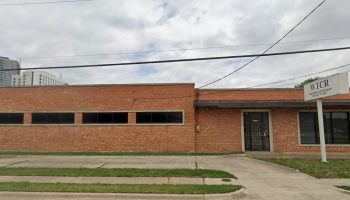



Irving sits within Dallas County, giving residents access to one of the largest behavioral health treatment networks in Texas.
The city’s detox options range from outpatient medication-assisted programs to full medically supervised inpatient care, with the broader Dallas County infrastructure providing both private and publicly funded pathways.
Treatment facilities operating in Irving and the surrounding Dallas County area are licensed by the Texas Health and Human Services Commission (HHSC) as Chemical Dependency Treatment Facilities (CDTFs) under Texas Health and Safety Code Chapter 464.
All licensed CDTFs must meet staffing, safety, and clinical standards set by HHSC and detox programs specifically require a licensed Medical Director, nursing coverage, and 24-hour physician availability. For this reason, the HHSC Regulatory Services Division conducts on-site compliance inspections and verifies each facility’s license through its Online Licensing System.
The North Texas Behavioral Health Authority (NTBHA) functions as the state-designated Local Behavioral Health Authority for Dallas County, which includes Irving. NTBHA does not license facilities, but it manages state and county funding for uninsured and low-income residents and contracts with a network of providers that must meet rigorous quality and reporting standards.
Importantly, NTBHA operates a community clinic directly in Irving at 101 N. MacArthur Blvd., serving as an accessible local entry point for people seeking substance use assessments and referrals. To learn more about the detox process before choosing a program, the medical detox overview at detox.com provides a helpful introduction.
Irving’s substance use concerns center primarily on fentanyl-involved opioid use and methamphetamine, consistent with Dallas County-wide trends. In fact, Dallas County’s overdose rate surpassed Texas state averages in 2023, and fentanyl continues to contaminate the local drug supply across multiple substance categories.