Find Drug & Alcohol Detox Centers in Philadelphia, PA

Philadelphia, “the City of Brotherly Love,” has been hard-hit by today’s national drug epidemic. If you or a loved one struggles with drug or alcohol abuse, the sooner you find needed treatment help the better your chances of a successful recovery.

Detox.com can help you find drug and alcohol detox centers in Philadelphia, PA that will help you put a stop to substance abuse and addiction and live the life you were meant to live. Or call 215-798-7499 to speak with someone about finding a program that’s right for you.

Detox Centers in Philadelphia

27 Results
Filters
Setting
Medications Offered
Treatment
Programs
Payment Options
Name Address Detox Service Setting Levels Of Care Media

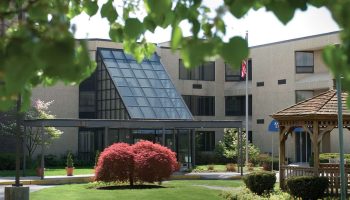
Belmont Behavioral Health System

4200 Monument Road Philadelphia, PA 19131
Detox Service Setting
Hospital DetoxInpatient DetoxOutpatient Detox+1
Levels Of Care
InpatientOutpatientAftercare+3
Belmont Behavioral Health System

Consortium

3751 Island Avenue Philadelphia, PA 19153
Detox Service Setting
Outpatient Detox
Levels Of Care
Outpatient
Consortium

Crossroads | Philadelphia

2317 E Westmoreland St Philadelphia, PA 19134
Detox Service Setting
Inpatient DetoxOutpatient Detox
Levels Of Care
InpatientOutpatient
Crossroads | Philadelphia

Gaudenzia Together House Womens Co Occuring

1306 Spring Garden Street Philadelphia, PA 19123
Detox Service Setting
Inpatient DetoxOutpatient Detox
Levels Of Care
InpatientOutpatientAftercare+2
Gaudenzia Together House Womens Co Occuring

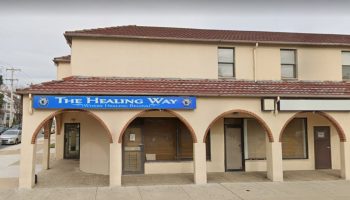
Healing Way

7900 Frankford Avenue Philadelphia, PA 19136
Detox Service Setting
Outpatient Detox
Levels Of Care
OutpatientDual Diagnosis
Healing Way

Hospital of the University of Pennsylvania – Cedar Avenue

501 South 54th Street Philadelphia, PA 19143
Detox Service Setting
Inpatient DetoxOutpatient DetoxHospital Detox+1
Levels Of Care
OutpatientInpatient
Hospital of the University of Pennsylvania – Cedar Avenue

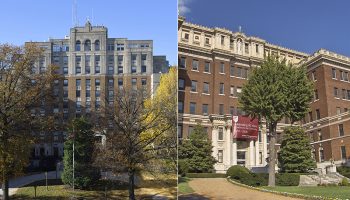
Kirkbride Center

111 North 49th Street Philadelphia, PA 19139
Detox Service Setting
Inpatient DetoxMAT
Levels Of Care
Inpatient
Kirkbride Center

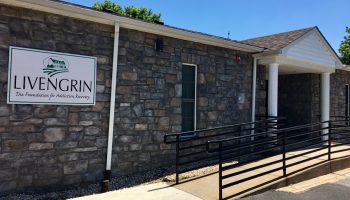
Livengrin Foundation

9140 Academy Road Philadelphia, PA 19136
Detox Service Setting
Outpatient DetoxInpatient DetoxMAT
Levels Of Care
OutpatientAftercareDual Diagnosis+5
Livengrin Foundation

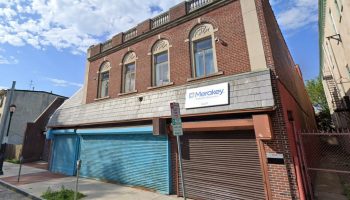
Merakey Germantown Ave

5429-37 Germantown Ave Philadelphia, PA 19144
Detox Service Setting
Outpatient Detox
Levels Of Care
OutpatientDual Diagnosis
Merakey Germantown Ave

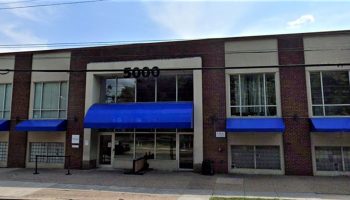
Merakey Parkside Recovery

5000 Parkside Avenue Philadelphia, PA 19131
Detox Service Setting
Outpatient Detox
Levels Of Care
OutpatientAftercareDual Diagnosis
Merakey Parkside Recovery

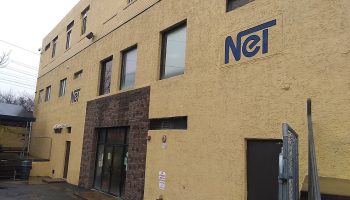
NET Steps

2205 Bridge Street Philadelphia, PA 19137
Detox Service Setting
Outpatient Detox
Levels Of Care
OutpatientAftercare
NET Steps

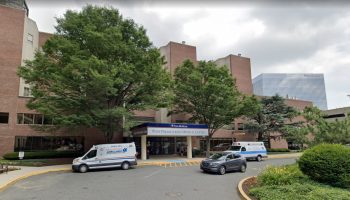
Penn Presbyterian Medical Center

51 North 39th Street Philadelphia, PA 19104
Detox Service Setting
Inpatient DetoxOutpatient Detox
Levels Of Care
InpatientOutpatientAftercare+1
Penn Presbyterian Medical Center

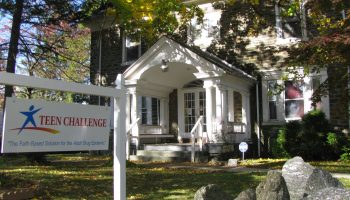
Pennsylvania Adult and Teen Challenge Philadelphia

329 Wister Street Philadelphia, PA 19144
Detox Service Setting
Inpatient Detox
Levels Of Care
InpatientAftercare
Pennsylvania Adult and Teen Challenge Philadelphia

Armada Recovery of Pennsylvania

901 E 8th Ave Philadelphia, PA 19406
Detox Service Setting
Inpatient DetoxOutpatient Detox
Levels Of Care
InpatientOutpatient

Beacon Point Recovery Center

2301 E Allegheny Ave Philadelphia, PA 19134
Detox Service Setting
Hospital DetoxInpatient DetoxOutpatient Detox+1
Levels Of Care
InpatientOutpatientDual Diagnosis+1

Fairmount Behavioral Health System

561 Fairthorne Avenue Philadelphia, PA 19128
Detox Service Setting
Inpatient DetoxOutpatient DetoxHospital Detox
Levels Of Care
InpatientOutpatientPHP+2

GMC Detox Unit Detox and Rehabilitation Services

1600 West Girard Avenue Philadelphia, PA 19130
Detox Service Setting
Hospital Detox
Levels Of Care

Jefferson Methadone Clinic 21st Street

1021 S 21st St Philadelphia, PA 19146
Detox Service Setting
Inpatient DetoxOutpatient Detox
Levels Of Care
InpatientOutpatient

Kensington Hospital

136 Diamond Street Philadelphia, PA 19122
Detox Service Setting
Hospital DetoxInpatient DetoxOutpatient Detox+1
Levels Of Care
InpatientOutpatient

NET Centers

7520 State Road Philadelphia, PA 19136
Detox Service Setting
Outpatient DetoxMAT
Levels Of Care
Outpatient

Penn Hospital Medicine – Penn Presbyterian

51 North 39th Street Philadelphia, PA 19104
Detox Service Setting
Hospital DetoxInpatient Detox
Levels Of Care
Inpatient

Penn Presbyterian Medical Center Drug and Alcohol Rehab Unit

3910 Powelton Avenue Philadelphia, PA 19104
Detox Service Setting
Inpatient DetoxOutpatient Detox
Levels Of Care
InpatientOutpatientAftercare+1

Philadelphia VA Medical Center (PVAMC) Addiction Recovery Unit

Philadelphia, PA 19104
Detox Service Setting
Outpatient DetoxMAT
Levels Of Care

The Behavioral Wellness Center at Girard

801 West Girard Avenue Philadelphia, PA 19122
Detox Service Setting
Inpatient DetoxOutpatient DetoxMAT
Levels Of Care
InpatientOutpatient

The Healing Way Behavioral Health Drug and Alcohol Center

7900 Frankford Ave Philadelphia, PA 19136
Detox Service Setting
Inpatient DetoxOutpatient Detox
Levels Of Care
InpatientOutpatient

Thomas Jefferson University Hospital Narcotic Addiction Rehabilitation Program

21st Street and Washington Avenue Philadelphia, PA 19146
Detox Service Setting
Outpatient Detox
Levels Of Care
OutpatientDual Diagnosis

Thomas Jefferson University Narcotic Addiction Rehab Program

Philadelphia, PA 19146
Detox Service Setting
MAT
Levels Of Care

Drug & Alcohol Detox in Philadelphia, PA

Philadelphia’s detox system is licensed by the Pennsylvania Department of Drug and Alcohol Programs (DDAP).  Locally, they are coordinated by the city’s Department of Behavioral Health and Intellectual disAbility Services (DBHIDS). It also serves as Philadelphia’s Single County Authority.

Substance use care for residents with Medicaid is managed through Community Behavioral Health (CBH), the city’s nonprofit behavioral health plan. Uninsured individuals can start through the Behavioral Health Special Initiative.

Philadelphia’s local drug supply sets it apart from other areas. An overwhelming majority of overdose deaths here are related to Fentanyl. What’s especially concerning is that the city’s supply is also heavily contaminated with xylazine. As a veterinary sedative, xylazine is known on the street as tranq. It causes severe wounds and can complicate withdrawal. Because of this, many Philadelphia programs pair detox with wound care and have expanded low barrier access to buprenorphine.

At the epicenter of the crisis, Kensington’s overdose deaths now occur citywide, many of which happen in private homes. All is not lost.  Deaths fell in 2023 for the first time since 2018. That decline continued into 2024, supported by expanded naloxone distribution and increased access to treatment.

When you compare programs, it helps to understand how to choose a detox center that fits your coverage, your substance and your need for wound or withdrawal care.

Paying for Detox in Philadelphia

The cost of detox in Philadelphia can vary quite a bit. It depends on the type of care you need, whether you have insurance, and for some residents, whether your Medicaid plan is managed through Community Behavioral Health. Hospital detox is usually much more expensive than medication management provided on an outpatient basis. The good news is that Philadelphia residents have several options to keep their costs down. You can also learn more about how much detox costs. 

How Much Does Detox Cost in Philadelphia?

Detox costs in Philadelphia can vary quite a bit. The price depends on the level of care you need and how complicated your withdrawal may be. Where you receive treatment also matters. A hospital stay will cost more than care at a residential facility or outpatient clinic. Extra services such as medications, wound care or mental health treatment can add to the bill. Insurance can make a big difference, too. Many people use Medicaid, Medicare or private insurance to bring their personal costs down. The prices below are the self pay rates before insurance or financial assistance. Most people with coverage pay much less.

$3,000 to $7,000 per medical detox program
Medical Detox
$15,000 to $30,000 per 30-day residential program
Inpatient Rehab
$1,000 to $5,600 per outpatient program
Outpatient Rehab
About $7,000 per year
Methadone Treatment

Medicare and Medicaid in Philadelphia

Medicare

Medicare covers medically necessary inpatient and outpatient detox for Philadelphia residents, including hospital withdrawal management under Part A and outpatient services under Part B. Opioid treatment program services, including methadone, buprenorphine and naltrexone, are covered under Part B. Copays and deductibles vary by treatment setting, services used and your specific plan.

Medicaid

Pennsylvania’s Medicaid program (Medical Assistance) covers detox for Philadelphia residents through Community Behavioral Health. It is the city’s HealthChoices behavioral health plan. CBH covers a range of treatment options including medically managed detox, inpatient, residential and outpatient services, plus medication-assisted treatment.

Members can reach CBH around the clock to find covered care.

Other Ways to Pay for Detox Treatment

It’s common to worry about how you will pay for alcohol or drug detox. In Philadelphia, there are several options outside of commercial insurance.

Local Government Programs

DBHIDS Behavioral Health Special Initiative funds assessment and placement into detox and treatment for uninsured Philadelphians. It connects people without Medicaid to city supported providers.

Sliding Scale Payment Systems

The Public Health Management Corporation also runs Federally Qualified Health Centers in Philadelphia. It uses a sliding scale that is tied to federal poverty guidelines to set fees. For uninsured residents, this makes access to outpatient and MAT services more affordable.

Nonprofits and Charities

Organizations such as Gaudenzia and Prevention Point Philadelphia provide grant funded and low barrier treatment and on demand medication support regardless of ability to pay.

Veterans Programs

The Corporal Michael J. Crescenz VA Medical Center in Philadelphia offers substance use and mental health treatment to enrolled veterans, with referral to residential care through the VA system.

Philadelphia, Pennsylvania Regulations and Accreditation for Detox

In Philadelphia and across the state, there are primary bodies that oversee licensure and certification and also oversee detox and withdrawal management. Including:

Pennsylvania Department of Drug and Alcohol Programs (DDAP)

DDAP is the state agency responsible for licensing and oversight of all freestanding drug and alcohol treatment facilities and recovery houses in Pennsylvania. It conducts inspections, investigates complaints, and enforces the regulations that govern how detox and SUD programs must operate. Learn more at pa.gov/agencies/ddap.

Philadelphia DBHIDS (Single County Authority)

The Department of Behavioral Health and Intellectual disAbility Services is Philadelphia’s Single County Authority for addiction services. It coordinates the city’s publicly funded treatment system, runs the Behavioral Health Special Initiative for uninsured residents and leads the citywide opioid response. More at dbhids.org.

Community Behavioral Health (CBH)

In Philadelphia, CBH under Health Choices is the nonprofit managed care organization for Medicaid behavioral health. It authorizes and pays for detox, inpatient, residential and outpatient care. It also maintains the provider network for its members. More at cbhphilly.org.

28 Pa. Code, Chapters 709 and 715

These state regulations set the licensing, staffing and clinical standards for substance use disorder facilities and narcotic treatment programs in Pennsylvania. They govern how detox and outpatient programs document care, dispense medication and maintain safety for the people they serve.

Key MAT Medications and Regulatory Status in Philadelphia

Medication assisted treatment in Philadelphia is regulated at both the federal and state levels. Federally, opioid treatment programs must hold SAMHSA certification under 42 CFR Part 8 and DEA registration to dispense methadone and buprenorphine. In Pennsylvania, DDAP licenses narcotic treatment programs, and Philadelphia has expanded access through its Centers of Excellence for opioid use disorder. You can start medication assisted treatment through these programs and many low-barrier clinics.

In Philadelphia, medication assisted treatment is regulated at both the federal and state levels. Federally, opioid treatment programs must hold SAMHSA certification under 42 CFR Part 8 and DEA registration to dispense methadone and buprenorphine.  DDAP licenses narcotic treatment programs in Pennsylvania.

Access to MAT has been expanded through its Centers of Excellence for opioid use disorder. Through these programs and many low barrier clinics you can start medication assisted treatment

Buprenorphine

Getting buprenorphine in Philadelphia is easier than it was a few years ago. The number of prescribers nearly tripled between 2017 and 2023. People can get it through regular medical offices, telehealth, low barrier clinics and harm reduction sites such as Prevention Point. Medical Assistance also covers buprenorphine for eligible residents.

Methadone

Methadone works a little differently. It is only available through certified opioid treatment programs, not regular pharmacies. Most people start with daily dosing at a licensed Philadelphia clinic. The city has a long standing network of methadone programs and Medical Assistance helps keep treatment affordable for eligible patients.

Naltrexone

Naltrexone is different from methadone and buprenorphine. It isn’t addictive and doesn’t require a special federal license to prescribe. Doctors can provide it in regular outpatient settings throughout the state. Vivitrol, the long acting injectable version, is used to treat both opioid and alcohol use disorder. Medical Assistance and many private insurance plans cover the medication.

Overdose Prevention and Harm Reduction in Philadelphia

Philadelphia has one of the country’s most active harm reduction networks.  It is shaped by the fentanyl-and-xylazine drug supply that drives severe wounds alongside overdose risk. City agencies and community organizations distribute free naloxone, fentanyl and xylazine test strips, wound care kits and sterile supplies. These services are often a person’s first bridge to detox, medication and recovery.

Prevention Point Philadelphia

Syringe services program Naloxone distribution Wound care clinic On-demand buprenorphine (STEP) HIV and hepatitis C testing

Prevention Point in Kensington was founded in 1991 and runs the city’s oldest syringe exchange, serving tens of thousands of people a year. It distributes tens of thousands of naloxone doses, treats xylazine related wounds and links participants directly to treatment. More at ppponline.org.

Savage Sisters Recovery

Street outreach and syringe distribution Xylazine wound care Naloxone distribution Showers and hygiene Recovery housing

As one of the state’s designated overdose prevention partners, this Kensington based nonprofit offers hands on outreach, wound care and clean supplies to people who use drugs. It also operates recovery houses across Philadelphia. More at savagesisters.org.

Philadelphia Department of Public Health, Harm Reduction

Free naloxone and test strips Fentanyl, xylazine, and medetomidine testing Wound care kits Naloxone Near Me vending machines

The city distributes naloxone, drug checking supplies and wound care kits directly and through community partners. It reported handing out more than 100,000 doses of naloxone in 2023 through its harm reduction programs. More at phila.gov.

Pennsylvania DDAP Overdose Prevention Program

Free naloxone through a hub-and-spoke network Fentanyl and xylazine test strips Statewide overdose prevention partners

DDAP supplies free naloxone and test strips to nearly 100 prevention partners across Pennsylvania, including several in Philadelphia. In the first half of 2025 alone, it distributed more than 400,000 doses statewide. More at pa.gov/agencies/ddap.

Detox Statistics in Philadelphia, Pennsylvania

Philadelphia’s overdose crisis is defined by a polydrug supply of fentanyl, cocaine and xylazine. The figures below reflect the most recent city data and show both a recent decline in deaths and the distinctive risks that make timely detox, medication and wound care important.


1,315 Overdose Deaths in 2023

Philadelphia recorded 1,315 unintentional overdose deaths in 2023, the second highest total in city history but a 7 percent decline from 2022 and the first decrease since 2018. Philadelphia Department of Public Health, 2025

Xylazine in 34% of 2024 Deaths

Xylazine, the veterinary sedative known as tranq, was detected in 34 percent of all Philadelphia overdose deaths in 2024, and 99 percent of those deaths also involved fentanyl. Philadelphia Department of Public Health, 2026

Fentanyl in 93% of Opioid Deaths

Fentanyl or fentanyl analogs were detected in 93 percent of opioid involved overdose deaths in Philadelphia in 2024, remaining the drug most often found in fatal overdoses. Philadelphia Department of Public Health, 2026

FAQs About Detox in Philadelphia, PA

How do I get into detox in Philadelphia without insurance?

Contact the DBHIDS Behavioral Health Special Initiative at 215-546-1200. It funds assessment and placement for uninsured residents. If you have Medicaid, call Community Behavioral Health at 888-545-2600. It operates around the clock to help connect you to a covered detox provider.

Is naloxone (Narcan) free in Philadelphia?

Yes. Free naloxone is available through the Philadelphia Department of Public Health, Prevention Point, Savage Sisters and the state DDAP network.  Naloxone Near Me vending machines are another option.  It is also sold at pharmacies over the counter. It is covered by Medicaid at little or no cost.

What should I know about xylazine (tranq) and detox in Philadelphia?

Much of Philadelphia’s street opioid supply contains xylazine. Xylazine is not an opioid and won’t respond to naloxone. It causes severe wounds and prolonged sedation, so many local programs pair detox with wound care.

What is the difference between medical detox and outpatient detox in Philadelphia?

Medical detox is usually offered in a hospital or residential setting. It provides 24 hour monitoring for severe withdrawal.  Outpatient detox lets you receive medication and check-ins while living at home. It is suited for milder withdrawal.  The level of care that you need depends on the substance you used, your health and support system.

Does Medicaid cover detox in Philadelphia?

Yes. Through the CBH provider network, Pennsylvania Medical Assistance covers detox for Philadelphia residents through Community Behavioral Health under HealthChoices. It covers medically managed detox, inpatient, residential and outpatient care, along with medication assisted treatment.

Two people talking
Get Help Today!
If you or a loved one is in need of help, call today. Pick up the phone and get the help you need.
800-483-2193
Confidential. Available 24 Hours
Reviewed by: Cary Damerow

BA, LPN

Cary has more than three decades of nursing expertise as an LPN and holds a bachelor’s degree in Liberal Arts. She is also working toward a Master’s degree focused on public health policy. Her professional journey has been dedicated to addressing healthcare disparities for both adults and children.

View Profile

Browse Detox Centers

Get Help Today Phone icon 800-779-4314