614-450-0932
Dayton and Montgomery County have been at the center of Ohio’s opioid crisis for over a decade. The region was among the first in the country to see fentanyl displace heroin as the dominant street drug, and local agencies built what is now one of Ohio’s most coordinated public health responses.
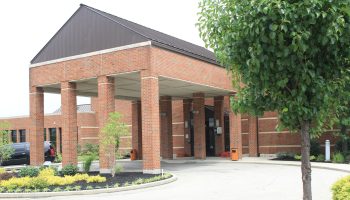
One practical consideration for Dayton residents is access to the public treatment system. Montgomery County ADAMHS funds several providers across the city, so people without insurance have real options. For example, OneFifteen Recovery, a nonprofit campus in the Carillon neighborhood, offers residential and outpatient services and has served over 7,000 individuals since opening in 2019.
Additionally, Public Health Dayton and Montgomery County operates Recovery Services through its outreach team, which works directly with courts and hospitals to connect people with treatment.
A pre-arrest deflection program launched in 2024 by Public Health Recovery Services works with local law enforcement to redirect people with substance use disorder away from the criminal justice system and into direct treatment linkage, a model that reflects the county’s shift toward a public health approach to addiction.
In 2024, Montgomery County received $4.1 million in State Opioid and Stimulant Response (SOS) grants from OhioMHAS, the highest award in the state that year. Those funds are directed toward pregnant and postpartum women, recovery housing, peer support services, medication for opioid use disorder and supported employment.
An additional $3.86 million in OneOhio opioid settlement funding was distributed to 14 local nonprofits for prevention, treatment, and recovery support.
The Montgomery County ADAMHS (Alcohol, Drug Addiction and Mental Health Services) Board oversees planning, funding, and monitoring of public behavioral health and addiction treatment services at the county level. Together, these two agencies form the regulatory backbone of the local treatment system.