

 609-305-6492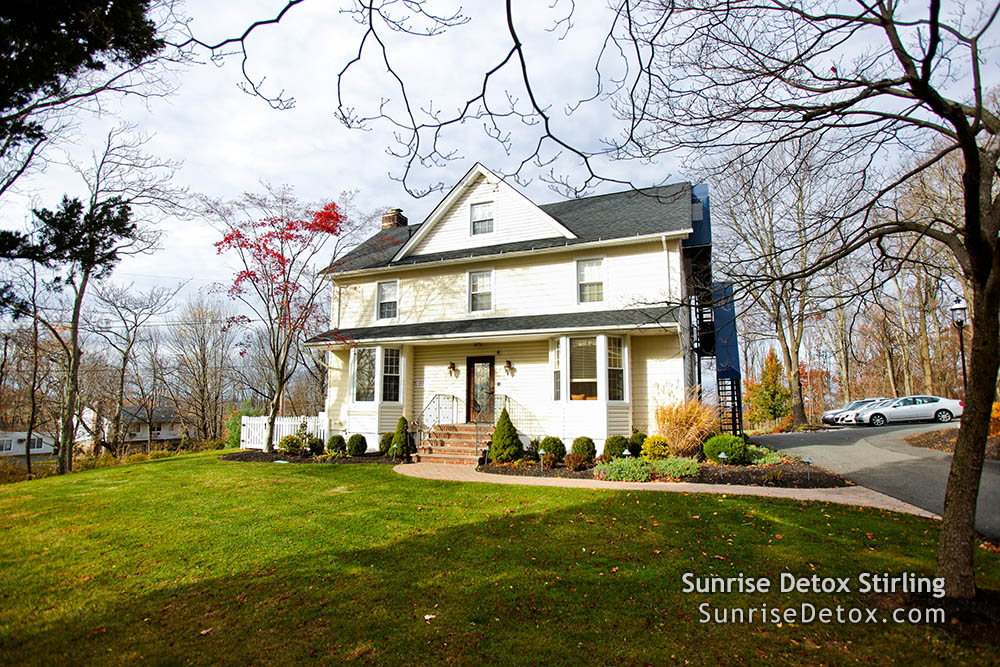
Sunrise Detox Stirling
Stirling, NJ
07980
| Name | Address | Detox Service Setting | Levels Of Care | Media |
|---|---|---|---|---|
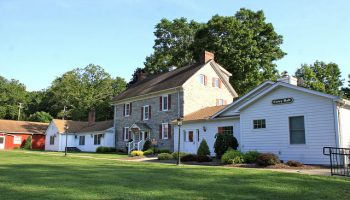
Alina Lodge |
61 Ward Road Blairstown, NJ 07825 |
Detox Service Setting
Inpatient DetoxOutpatient Detox
|
Levels Of Care
InpatientOutpatientPHP
|
|
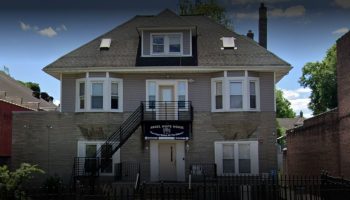
Angel Hope House |
800 Clinton Avenue Newark, NJ 07108 |
Detox Service Setting
Inpatient Detox
|
Levels Of Care
InpatientDual DiagnosisSober Living
|
|
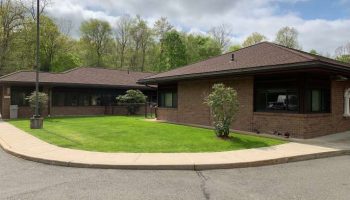
Avatar Residential alcohol and drug detox |
2 Morris Rd Ringwood, NJ 07456 |
Detox Service Setting
Inpatient DetoxOutpatient Detox
|
Levels Of Care
InpatientOutpatient
|
|
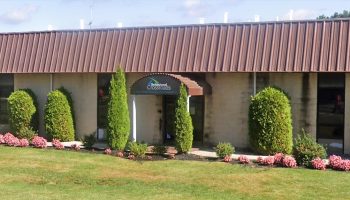
Behavioral Crossroads Recovery LLC |
205 West Parkway Drive Egg Harbor, NJ 08234 |
Detox Service Setting
Outpatient Detox
|
Levels Of Care
OutpatientAftercareDual Diagnosis+1
|
|
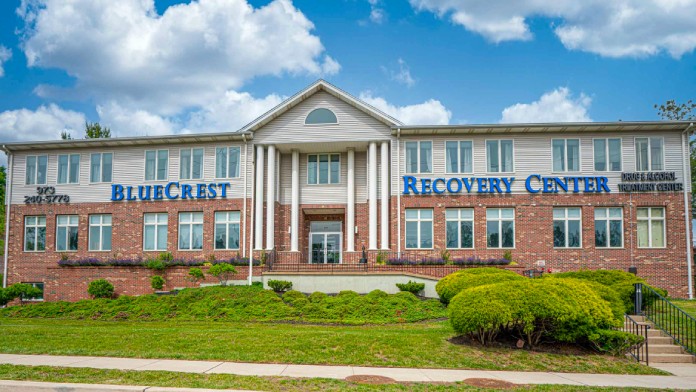
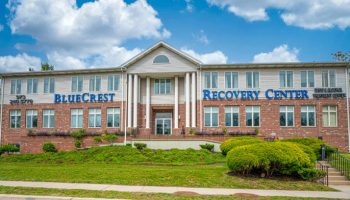
BlueCrest Recovery Center |
482 Notch Rd Paterson, NJ 07424 |
Detox Service Setting
Inpatient DetoxOutpatient Detox
|
Levels Of Care
InpatientOutpatient
|
|
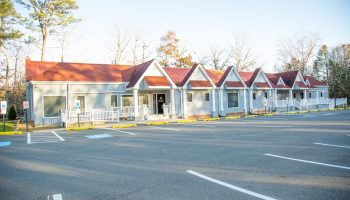
Boca Recovery Center – New Jersey Drug & Alcohol Rehab |
30 West Jimmie Leeds Road Galloway, NJ 08205 |
Detox Service Setting
Inpatient DetoxOutpatient Detox
|
Levels Of Care
InpatientOutpatientDual Diagnosis
|
|
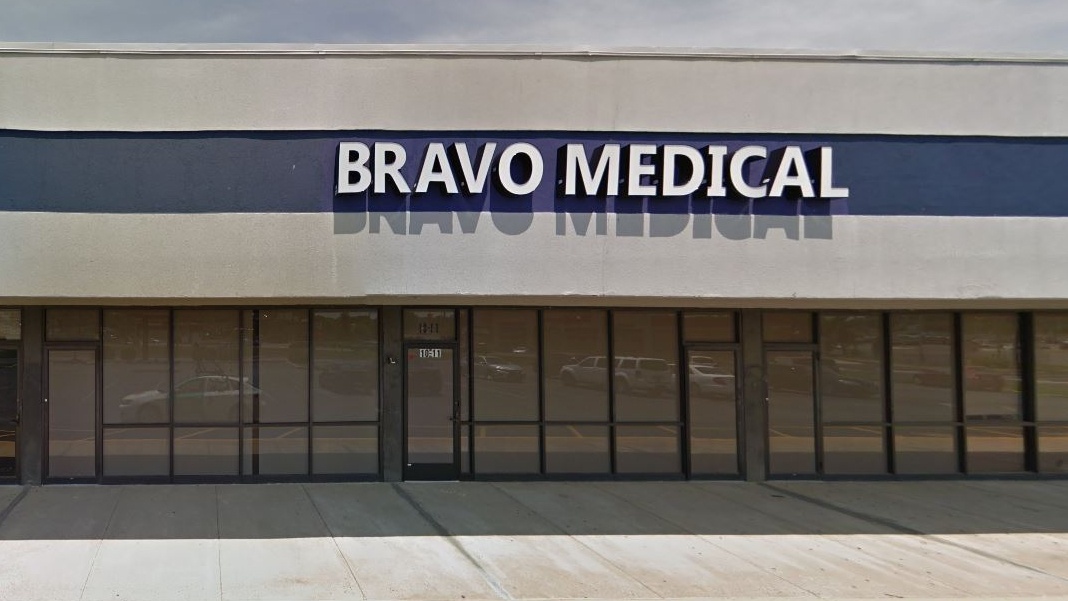
Bravo Medical |
1200 South White Horse Pike Somerdale, NJ 08083 |
Detox Service Setting
Outpatient Detox
|
Levels Of Care
Outpatient
|
|
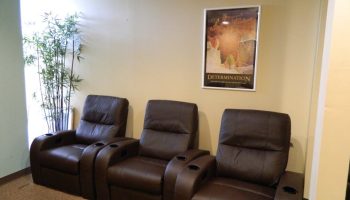
Center for Network Therapy |
333 Cedar Avenue Middlesex, NJ 08846 |
Detox Service Setting
Outpatient DetoxMAT
|
Levels Of Care
InpatientOutpatient
|
|
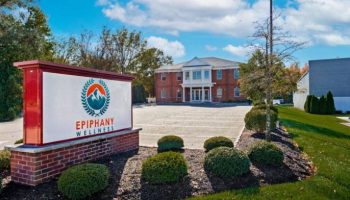
Epiphany Wellness Drug & Alcohol Rehab New Jersey |
461 New Jersey 168 New Jersey, NJ 08012 |
Detox Service Setting
Inpatient DetoxOutpatient DetoxMAT
|
Levels Of Care
InpatientOutpatientIntensive Outpatient+3
|
|
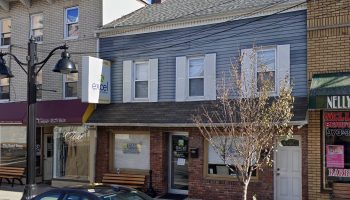
Excel Treatment Center |
58 North Sussex Street Dover, NJ 07801 |
Detox Service Setting
Outpatient Detox
|
Levels Of Care
OutpatientAftercareDual Diagnosis+2
|
|
Footprints to Recovery Hamilton Township |
3535 Quakerbridge Road Hamilton Township, NJ 08619 |
Detox Service Setting
Outpatient DetoxMAT
|
Levels Of Care
PHPOutpatientAftercare+3
|
|
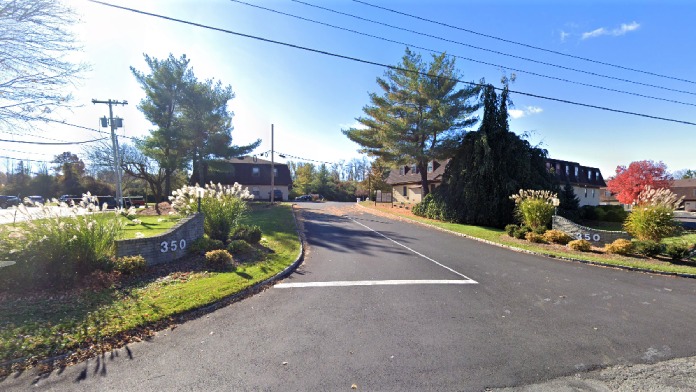
Garden State Treatment Center |
350 Sparta Ave Sparta, NJ 07871 |
Detox Service Setting
Inpatient DetoxOutpatient Detox
|
Levels Of Care
InpatientOutpatient
|
|
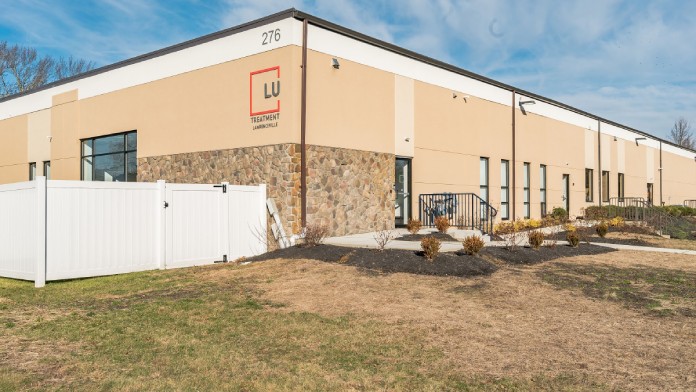
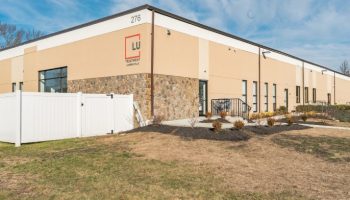
Level Up Treatment Lawrenceville |
276 Bakers Basin Rd Lawrenceville, NJ 08648 |
Detox Service Setting
Inpatient DetoxOutpatient Detox
|
Levels Of Care
InpatientOutpatient
|
|
Maryville Integrated Care |
1903 Grant Avenue Williamstown, NJ 08094 |
Detox Service Setting
Inpatient DetoxMATOutpatient Detox
|
Levels Of Care
InpatientOutpatient
|
|
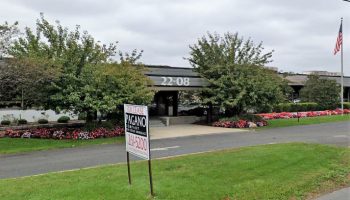
North Jersey Recovery Center |
22-08 NJ-208 Fair Lawn, NJ 07410 |
Detox Service Setting
Inpatient DetoxOutpatient Detox
|
Levels Of Care
InpatientOutpatient
|
|
Phoenix Recovery Asbury |
1111 Monroe Ave Asbury Park, NJ 07712 |
Detox Service Setting
Inpatient DetoxOutpatient Detox
|
Levels Of Care
InpatientOutpatient
|
|
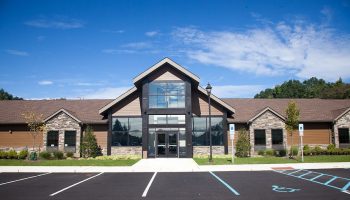
Pinelands Recovery Center of Medford |
287 Old Marlton Pike Medford, NJ 08055 |
Detox Service Setting
Inpatient DetoxOutpatient DetoxMAT
|
Levels Of Care
InpatientPHPOutpatient+3
|
|
Recovery Centers of America (RCA) at Lighthouse |
5034 Atlantic Avenue Mays Landing, NJ 08330 |
Detox Service Setting
Inpatient Detox
|
Levels Of Care
|

|
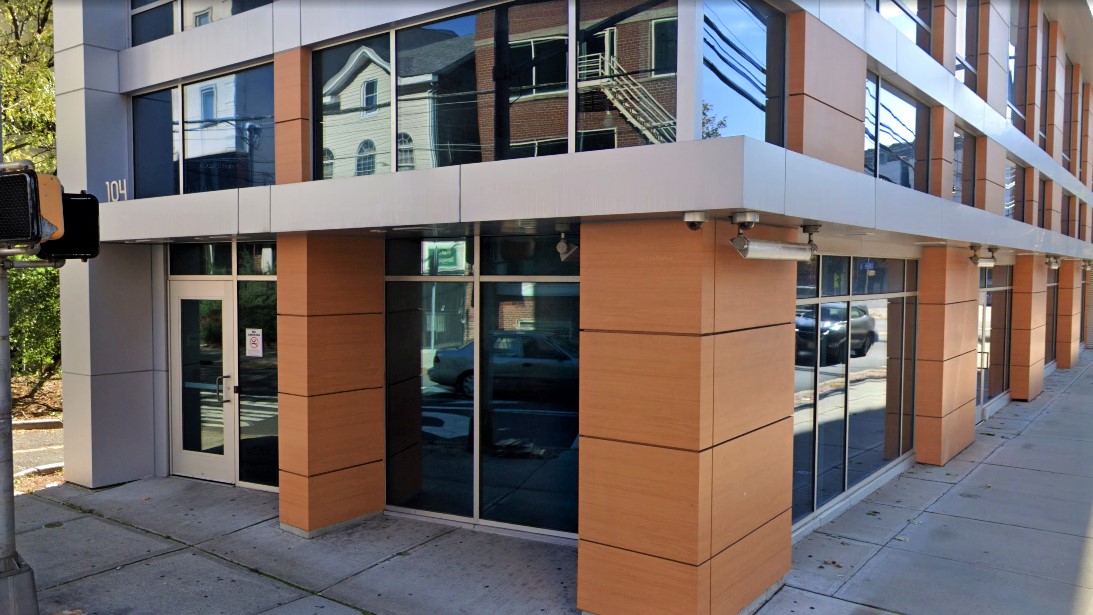
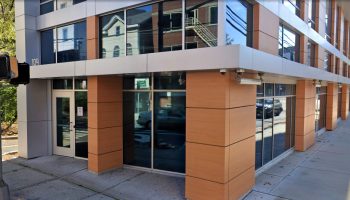
SOBA New Jersey |
104 Bayard Street New Brunswick, NJ 08901 |
Detox Service Setting
|
Levels Of Care
OutpatientAftercareInpatient+6
|
|
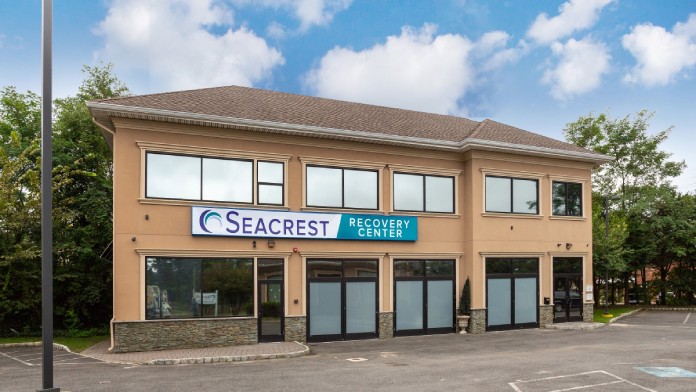
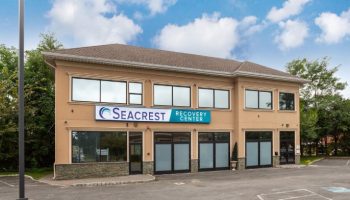
Seacrest Recovery Center |
162 Main St Eatontown, NJ 07724 |
Detox Service Setting
Inpatient DetoxOutpatient Detox
|
Levels Of Care
InpatientOutpatient
|
|
New Jersey runs its substance use system through the Division of Mental Health and Addiction Services (DMHAS), the state’s designated Single State Agency for substance use, which plans, funds, and monitors treatment across the state.
Facility licensing sits with the New Jersey Department of Health, and the state operates ReachNJ, a 24-hour line that connects any resident to help. Anyone choosing a detox center can start there or dial 1-844-ReachNJ at any hour.
New Jersey has invested heavily in access and harm reduction. The state expanded Medicaid, and NJ FamilyCare now covers the full continuum of care, from medically managed withdrawal to medication-assisted treatment.
Since 2022, New Jersey has also grown its network of authorized Harm Reduction Centers from seven to more than fifty, reaching all twenty-one counties, and launched Naloxone365 to distribute free naloxone at hundreds of pharmacies.
These efforts are showing results. Overdose deaths fell across all racial and ethnic groups for the first time in a decade, and preliminary counts dropped further in 2024.
Fentanyl still contaminates most of the illicit supply, which is why medically supervised detox matters. Admission usually begins with an assessment that assigns an American Society of Addiction Medicine (ASAM) level of care to match the setting to a person’s needs.
Paying for detox in New Jersey is more manageable than many people expect, between expanded NJ FamilyCare coverage, commercial insurance parity protections, and state-funded access through ReachNJ. Understanding how insurance covers detox and the assistance options below can help you plan before treatment begins.
The cost of detox in New Jersey depends on the level of medical supervision, the substance involved, the length of stay, and whether care happens in a hospital, a residential facility, or an outpatient setting.
Alcohol and benzodiazepine withdrawal often require closer monitoring, which raises the cost, and prices in New Jersey tend to run somewhat above the national average. The figures below are full cash-pay (self-pay) rates before insurance, NJ FamilyCare, Medicare, or state funding is applied. Most people with coverage pay far less, and some qualify for care at no cost.
Medicare covers medically necessary detox for New Jersey residents. Part A pays for inpatient hospital withdrawal management, and Part B covers outpatient services, including opioid treatment program care that provides methadone, buprenorphine, and naltrexone.
Medicare Advantage plans sold in New Jersey must offer at least the same coverage. Your out-of-pocket cost depends on the setting, the services received, and your plan’s deductibles and coinsurance.
NJ FamilyCare, New Jersey’s expanded Medicaid program, covers the full continuum of substance use care, including medically managed detox, residential treatment, partial hospitalization, intensive outpatient, and medication-assisted treatment.
Coverage is delivered through managed care plans such as Horizon NJ Health, Aetna Better Health, and UnitedHealthcare Community Plan, and prior authorization is common for residential care.
New Jersey funds a broad public safety net so that cost is not a barrier to starting detox. Beyond commercial insurance and NJ FamilyCare, several options help people pay for care:

ReachNJ is New Jersey’s free 24-hour line (1-844-ReachNJ) that connects residents to treatment, while the state’s Interim Managing Entity authorizes and funds substance use care for people who are uninsured or underinsured.
The Division of Mental Health and Addiction Services contracts with a network of licensed providers, using state and federal grant funds to deliver detox and treatment on a fee-for-service basis to New Jerseyans without full coverage.
Federally Qualified Health Centers and nonprofit providers across New Jersey, including North Jersey Community Research Initiative and Integrity House, offer detox and outpatient services on a sliding fee scale tied to income.
Enrolled veterans can access substance use treatment and medically supervised detox through the VA New Jersey Health Care System, which operates campuses in East Orange and Lyons, with community care referrals when needed.
Detox and treatment programs in New Jersey are overseen by state agencies and licensing bodies, with national accreditation adding a further layer of quality assurance. These are the primary bodies that regulate withdrawal management and addiction care across the state:
The state’s Single State Agency for substance use, DMHAS, plans, regulates, funds, and monitors New Jersey’s treatment and recovery system and operates ReachNJ and the Interim Managing Entity. It sets standards and contracts with the provider network statewide.
Under a 2018 reorganization, the Department of Health is the licensing authority for many mental health and substance use disorder treatment facilities, conducting inspections and enforcing compliance. NJDOH also authorizes and oversees the state’s Harm Reduction Centers.
This committee licenses the clinicians who staff New Jersey detox and treatment programs, including Licensed Clinical Alcohol and Drug Counselors and Certified Alcohol and Drug Counselors. It sets qualification standards and handles professional discipline.
Beyond state oversight, many New Jersey detox and treatment providers voluntarily earn accreditation from CARF International or The Joint Commission. These independent bodies audit programs against national standards for safety, clinical quality, and outcomes, signaling externally reviewed care.
Medication-assisted treatment in New Jersey is regulated at the federal and state levels. Opioid treatment programs that dispense methadone must hold SAMHSA certification under 42 CFR Part 8 and register with the DEA, while DMHAS and the Department of Health oversee providers statewide.
New Jersey has actively widened access to medication-assisted treatment, removing prior-authorization barriers, enhancing Medicaid reimbursement for office-based care, and authorizing paramedics to start buprenorphine in the field.
Buprenorphine, often prescribed as Suboxone, is widely available in New Jersey through office-based providers, telehealth, and emergency settings, where paramedics can now begin it. NJ FamilyCare covers buprenorphine, making it a practical first step for opioid use disorder treatment across the state.
Methadone is dispensed only through SAMHSA-certified opioid treatment programs and is not available at retail pharmacies. New Jersey has a comparatively dense network of these programs in its urban centers, and NJ FamilyCare covers methadone for eligible residents.
Naltrexone, including the extended-release injection Vivitrol, blocks opioid effects and is not a controlled substance, so any licensed New Jersey prescriber can offer it in a standard outpatient setting. It treats both opioid and alcohol use disorder after withdrawal is complete, and NJ FamilyCare covers it statewide.
New Jersey has built one of the more expansive overdose prevention systems in the country. Because fentanyl now contaminates most of the state’s illicit drug supply, New Jersey modernized its syringe access law in 2022, moved oversight to the Department of Health.
They grew from seven authorized Harm Reduction Centers to more than fifty in every county. Free naloxone is available anonymously through the state’s Naloxone365 program. These services often become a person’s first connection to detox and treatment.
New Jersey authorizes more than fifty Harm Reduction Centers across all twenty-one counties, including fixed, mobile, and mail-based sites. They provide sterile supplies, naloxone, and test strips while linking people who use drugs to treatment and wraparound services.
Through Naloxone365, any New Jersey resident age 14 or older can pick up free naloxone anonymously at more than seven hundred participating pharmacies statewide, with an online tool to find the nearest location.
The New Jersey Harm Reduction Coalition provides direct syringe access and naloxone services and led the campaign to modernize the state’s harm reduction laws, helping expand lifesaving services to communities across the state.
Based in Newark, NJCRI pairs a syringe exchange and naloxone distribution with outpatient substance use treatment, testing, and social services, meeting people where they are and connecting them to care.
New Jersey has made measurable progress against overdose deaths, though fentanyl keeps the danger high. These figures from state agencies show where New Jersey stands today.
New Jersey overdose deaths fell to 2,816 in 2023 from 3,171 in 2022, declining across all racial and ethnic groups for the first time in a decade, according to the New Jersey Department of Health.
Preliminary state data recorded roughly 1,800 suspected drug deaths in 2024, about a 30 percent drop from the prior year and the lowest count since 2015, per NJ CARES.
Fentanyl is involved in roughly three-quarters of New Jersey overdose deaths and now contaminates most of the illicit drug supply, according to state medical examiner data.
Call ReachNJ at 1-844-ReachNJ, the state’s free 24-hour line. A specialist assesses your needs and connects you to detox or treatment regardless of insurance, and the state’s Interim Managing Entity can fund care for uninsured residents.
Yes. Through the Naloxone365 program, any New Jersey resident age 14 or older can get free naloxone anonymously at more than seven hundred pharmacies statewide. Harm Reduction Centers also distribute it free, and StopOverdoses.nj.gov helps you find a location.
It depends on the substance, your withdrawal history, and any co-occurring conditions. Alcohol and benzodiazepine withdrawal can be life-threatening and often need inpatient care. Reviewing whether you really need inpatient detox with a clinician determines the safest level of care.
Yes. NJ FamilyCare, New Jersey’s Medicaid program, covers medically managed detox, residential treatment, partial hospitalization, intensive outpatient, standard outpatient, and medication-assisted treatment for eligible residents. Prior authorization is common for residential levels of care.
Most medically supervised detox lasts three to seven days, though timelines vary by substance and severity. Opioid and alcohol withdrawal typically span several days, while some sedatives require a longer taper. Your care team adjusts the plan based on your symptoms and medical needs.


Gayle Morris, BSN, MSN, received her bachelor’s degree from the University of Illinois Chicago Medical Center and her first master’s degree from Indiana University Purdue University Indianapolis. She practiced nursing for more than two decades with a focus on pediatric physical rehabilitation, helping children and their parents after a head injury or spinal cord injury. She has been a freelance writer in health, wellness, and mental health for more than 15 years. She loves exercise, her dogs and guinea pigs, and gardening.