Find Drug & Alcohol Detox Centers in Cleveland, OH

Detox Centers in Cleveland

15 Results
Filters
Setting
Medications Offered
Treatment
Programs
Payment Options
Name Address Detox Service Setting Levels Of Care Media

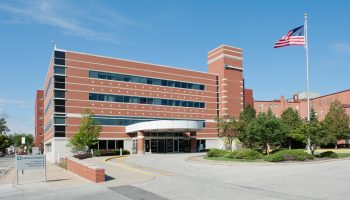
Cleveland Clinic Lutheran Hospital

1730 West 25th Street Cleveland, OH 44113
Detox Service Setting
Inpatient DetoxOutpatient Detox
Levels Of Care
InpatientOutpatientAftercare+1
Cleveland Clinic Lutheran Hospital

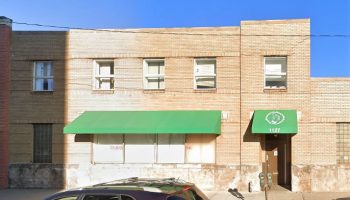
Cleveland Treatment Center

1127 Carnegie Avenue Cleveland, OH 44115
Detox Service Setting
Outpatient Detox
Levels Of Care
OutpatientDual DiagnosisIntervention
Cleveland Treatment Center

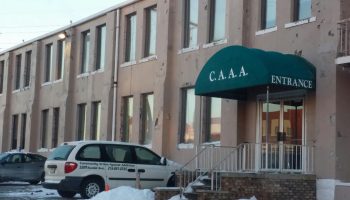
Community Action Against Addiction

5209 Euclid Avenue Cleveland, OH 44103
Detox Service Setting
Outpatient Detox
Levels Of Care
OutpatientDual Diagnosis
Community Action Against Addiction

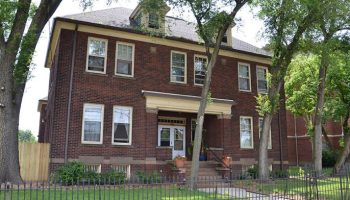
Edna House

2007 W 65th St Cleveland, OH 44102
Detox Service Setting
Inpatient DetoxOutpatient Detox
Levels Of Care
InpatientOutpatient
Edna House

Harbor Light Complex

1710 Prospect Avenue East Cleveland, OH 44115
Detox Service Setting
Inpatient DetoxOutpatient Detox
Levels Of Care
InpatientOutpatientAftercare+2
Harbor Light Complex

Harbor Light Complex

1710 Prospect Avenue East Cleveland, OH 44115
Detox Service Setting
Inpatient DetoxOutpatient DetoxMAT
Levels Of Care
InpatientOutpatientPHP+2
Harbor Light Complex

Rosary Hall at Saint Vincent Charity Medical Center

2351 East 22nd Street Cleveland, OH 44115
Detox Service Setting
Inpatient DetoxOutpatient Detox
Levels Of Care
InpatientOutpatient
Rosary Hall at Saint Vincent Charity Medical Center

Rosary Hall Saint Vincent Charity Medical Center

2322 East 22nd Street Cleveland, OH 44115
Detox Service Setting
Outpatient DetoxInpatient DetoxMAT
Levels Of Care
OutpatientAftercareInpatient
Rosary Hall Saint Vincent Charity Medical Center

Stella Maris, Inc

1320 Washington Avenue Cleveland, OH 44113
Detox Service Setting
Hospital DetoxMAT
Levels Of Care
InpatientOutpatientIntervention+1
Stella Maris, Inc

The Edna House for Women

2007 W 65th St Cleveland, OH 44102
Detox Service Setting
Inpatient DetoxOutpatient DetoxMAT
Levels Of Care
InpatientOutpatientSober Living

YMCA – Y Haven

6001 Woodland Avenue #703 Fourth Floor Cleveland, OH 44104
Detox Service Setting
Hospital DetoxInpatient DetoxOutpatient Detox
Levels Of Care
InpatientOutpatientDual Diagnosis+2

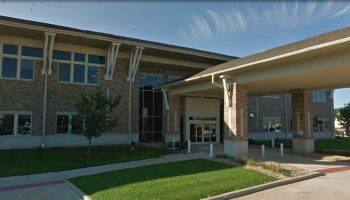
Parma VA Outpatient Clinic

8787 Brookpark Road Parma, OH 44129
Detox Service Setting
Outpatient Detox
Levels Of Care
OutpatientAftercareDual Diagnosis+1
Parma VA Outpatient Clinic

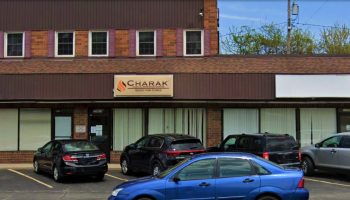
Charak Center for Health and Wellness

12395 McCracken Road Garfield Heights, OH 44125
Detox Service Setting
Outpatient Detox
Levels Of Care
OutpatientDual Diagnosis
Charak Center for Health and Wellness

​New Visions Unlimited

4002 Warrensville Center Road Warrensville Heights, OH 44122
Detox Service Setting
Outpatient Detox
Levels Of Care
OutpatientAftercareDual Diagnosis
​New Visions Unlimited

Praxis By Landmark Recovery

19350 Euclid Avenue Euclid, OH 44117
Detox Service Setting
Inpatient DetoxOutpatient DetoxMAT
Levels Of Care
InpatientPHPOutpatient+1
Praxis By Landmark Recovery

Drug & Alcohol Detox in Cleveland, OH

Cleveland’s detox landscape is anchored by two regulatory layers: the Ohio Department of Mental Health and Addiction Services (OhioMHAS), which licenses and certifies all substance use disorder treatment facilities statewide, and the ADAMHS Board of Cuyahoga County, which plans, funds and monitors the public behavioral health system for county residents.

Together, they oversee a network of more than 120 detox and treatment providers in the greater Cleveland area. When you are choosing a detox center in Cleveland, confirming that the facility holds a current OhioMHAS certification is the most important first verification step.

The county’s public safety net operates on a triage and funding model. Uninsured residents seeking state-funded detox beds work directly through the ADAMHS Board, which assesses clinical need and manages access on a priority basis. Pregnant women are granted priority placement by state law at any publicly funded provider.

Cuyahoga County also has a higher-than-average Medicaid enrollment rate, roughly 21.7% of residents compared to a 20.5% national figure, making Ohio Medicaid the dominant payer for the majority of publicly funded admissions.

Two trends are shaping Cleveland’s current treatment environment. First, fentanyl deaths in Cuyahoga County dropped sharply in 2024, with 272 fentanyl-related fatalities compared to 469 the previous year, largely attributed to expanded naloxone access and a decrease in fentanyl seizures at the border.

Second, as opioid mortality declines, alcohol use disorders and polysubstance cases involving cocaine and methamphetamine are increasing and local providers are expanding capacity for these presentations.

MetroHealth Medical Center, the county’s sole safety net hospital, remains a central entry point for both emergency stabilization and bridge-to-treatment referrals.
Find The Perfect Detox Center For You

Filter treatment centers in Cleveland by level of care offered to find the best detox program for you or a loved one.

Paying for Detox in Cleveland

Understanding the cost of detox in Cleveland is a priority for most people seeking care, and the range is wide depending on the level of medical supervision required. Ohio Medicaid, private insurance, and the ADAMHS Board’s county funding all reduce costs significantly for eligible residents.

How Much Does Detox Cost in Cleveland?

Detox costs in the Cleveland area follow Ohio averages, which vary based on level of care, length of stay, the substances involved and whether medications are required during withdrawal. Medical complexity and the need for 24-hour nursing supervision are the largest cost drivers.

Most people reduce out-of-pocket expenses substantially through insurance or publicly funded programs.

$139,757 (avg.)
Medical Detox
$50,024 (avg.)
Inpatient Rehab
$8,312 (avg.)
Outpatient Rehab
$7,385 (avg.)
Methadone Treatment

Does Private Insurance Cover Detox in Cleveland?

Private insurance companies operating in Ohio must comply with the Affordable Care Act, which requires mental health and substance use disorder treatment coverage to be on the same level as coverage for other medical conditions. The Ohio Department of Insurance oversees compliance.

Because the scope of coverage, network status and prior authorization requirements vary by plan, residents can compare plans and check subsidies at HealthCare.gov.

The most common commercial insurance plans in the Cleveland market include:

Medical Mutual
Blue Cross Blue Shield
United Health Care
Aetna
Cigna
Ambetter

Medicare and Medicaid in Cleveland

Medicare

Medicare covers inpatient detox under Part A and outpatient treatment, including intensive outpatient programs and partial hospitalization, under Part B. Both IOP and PHP coverage expanded in 2024, closing a longstanding gap for beneficiaries whose primary diagnosis is a substance use disorder. Part D covers MAT medications including buprenorphine and naltrexone. Residential SUD treatment is not covered, and Medicare’s utilization management for addiction services can be more stringent than Medicaid or most private plans.

Medicaid

Ohio Medicaid covers inpatient detoxification, outpatient counseling, medication-assisted treatment, residential rehabilitation, intensive outpatient programs and peer recovery support services.

Approximately 90% of Ohio Medicaid participants are enrolled in managed care plans, which include full parity protections for addiction treatment. In fact, as of 2024, Ohio Medicaid covered over 3.21 million residents statewide, and the program is the dominant payer for roughly 60% of substance use disorder treatment admissions in Ohio.

Most inpatient detox services carry no copay for Medicaid members; however, some outpatient visits may involve minimal cost-sharing.

To qualify, adults without children generally need income at or below 138% of the federal poverty level, approximately $20,783 annually for a single person as of 2024.

Other Ways to Pay for Detox Treatment

Other ways to pay for rehab in Cleveland include:

ADAMHS Board of Cuyahoga County: 

The ADAMHS Board manages state and local funding for uninsured and underinsured county residents. Contacting the board directly is the first step for anyone without coverage; the board assesses eligibility and connects individuals to subsidized detox beds on a sliding income scale. Call (216) 241-3400 or visit adamhscc.org.

OhioMHAS Grants (State Opioid and Stimulant Response): 

OhioMHAS distributes federal SAMHSA grant funds to county ADAMHS boards and community providers across Ohio to subsidize detox and recovery services for people who lack insurance or whose coverage is insufficient.

Louis Stokes Cleveland VA Medical Center: 

Federal and VA-funded detox and addiction treatment services are available for eligible veterans through the Louis Stokes Cleveland VA at no cost. Call (216) 791-3800 for a SUD assessment.

Nonprofit and Sliding-Scale Providers: 

Cleveland has a network of nonprofit treatment organizations that offer income-based pricing. Facilities certified by OhioMHAS and contracted with the ADAMHS Board may offer services at reduced or no cost for qualifying residents.

Cleveland, Ohio Regulations and Accreditation for Detox

Several key regulatory and accreditation bodies oversee detox and withdrawal management services in Cleveland and Ohio:

Ohio Department of Mental Health and Addiction Services (OhioMHAS)

The primary state licensing and certification authority for all substance use disorder treatment facilities in Ohio, including detox and residential programs. OhioMHAS issues facility certifications, sets clinical and staffing standards under the Ohio Administrative Code, monitors compliance across all state-funded and private providers and administers grant funding through county ADAMHS boards.

Any facility providing publicly funded services must hold a current OhioMHAS certification.

ADAMHS Board of Cuyahoga County

The county-level planning, funding, and monitoring authority for public mental health and addiction treatment services in Cuyahoga County, including Cleveland. As one of Ohio’s 50 ADAMHS boards, it contracts with provider agencies, manages the local public treatment network and ensures funded facilities meet state standards.

For residents seeking publicly funded detox, the ADAMHS Board is the first point of contact.

Ohio Department of Insurance

Oversees all private insurance carriers operating in Ohio to ensure compliance with state and federal coverage requirements, including the ACA’s mental health and substance use disorder parity rules.

Residents who believe their insurer has wrongly denied a detox claim can file a complaint through this office.

CARF International and The Joint Commission

Two independent accrediting bodies whose standards are widely recognized in Ohio. CARF (Commission on Accreditation of Rehabilitation Facilities) and The Joint Commission both audit facilities against national quality benchmarks for addiction treatment programs.

OhioMHAS requires that many publicly funded facilities maintain accreditation from one of these bodies.

Key MAT Medications and Regulatory Status in Cleveland

Medication-assisted treatment in Cleveland is regulated at both the federal and state levels. Federally, MAT programs using opioid medications must comply with SAMHSA’s Opioid Treatment Program rules under 42 CFR Part 8 and DEA controlled-substance regulations.

OhioMHAS licenses and oversees MAT providers statewide and expects counseling and behavioral therapy to be integrated into care alongside medications.

Buprenorphine: 

Widely accessible throughout Cleveland, including via telehealth. Qualified prescribers can initiate buprenorphine-based treatment through office-based or remote programs, removing the need for daily clinic attendance and making it a highly practical option for working adults and caregivers. Ohio Medicaid covers buprenorphine with minimal or no copay.

Methadone: 

Restricted to federally certified Opioid Treatment Programs (OTPs); it cannot be dispensed at standard pharmacies for addiction treatment. Initial dosing typically requires daily clinic visits. Ohio Medicaid covers methadone through certified OTPs, making it financially accessible for low-income patients despite the logistical requirements.

Overdose Prevention and Harm Reduction in Cleveland

Cleveland has developed one of Ohio’s more robust local harm reduction networks, built around a sustained partnership between the ADAMHS Board of Cuyahoga County, MetroHealth Medical Center, and several community organizations.

These services operate on a low-barrier, no-judgment model and are critical for reducing overdose fatalities among people who are not yet in or are between treatment episodes.

Fentanyl exposure remains a serious risk even in stimulant and non-opioid drug supplies in Cuyahoga County, making access to test strips and naloxone a public health priority.

ADAMHS Board of Cuyahoga County -- Harm Reduction Vending Machines

Free naloxone (Narcan) via five public vending machines Fentanyl test strips Safe-sex kits and wound care supplies Emergency Naloxone Cabinets for businesses and providers Addiction and mental health crisis line: (216) 623-6888

The ADAMHS Board, funded by more than $1.1 million in state dollars, installed five harm reduction vending machines at medical clinics and community locations across Cleveland.

The machines are free to use with a public access code, available around the clock and stocked with naloxone and supplementary harm reduction supplies. Emergency Naloxone Cabinets have also been placed in treatment centers, convenience stores, homeless shelters and public housing throughout Cuyahoga County.

MetroHealth Office of Opioid Safety -- Project DAWN

Free naloxone kits and administration training Syringe services program (SSP) Harm reduction vending machine at MetroHealth Main Campus ED Mobile harm reduction unit parking at 3370 West 25th St. Weekdays 10 a.m. to 2 p.m.

MetroHealth founded the second Project DAWN site in Ohio in 2013 and has expanded into a comprehensive harm reduction hub. Their syringe services program, launched in 2020, provides sterile supplies, wound care, bloodborne illness testing and connections to treatment for people who inject drugs.

The office also partnered with the ADAMHS Board to install an additional vending machine at the Cuyahoga County Justice Center, targeting the high-risk period immediately following incarceration.

Thrive for Change

Free naloxone by mail (statewide, including Cuyahoga County) Mail-based syringe service program in partnership with The Centers Harm Reduction Team Fentanyl test strips

Thrive for Change operates Cleveland’s first mail-based syringe service program in partnership with The Centers, removing transportation barriers for people unable to attend in-person sites.

Mail-based naloxone is shipped discreetly at no cost; requests are accepted through the organization’s website.

The Centers - Health Access Vending Machines and Syringe Services

Free naloxone via four health access vending machines across Northeast Ohio In-person syringe services (Gordon Square, East Nancy Lyon Porter Building, Uptown/University Circle locations) Fentanyl test strips and safer-use supplies Harm reduction Thursday drop-in sessions with Thrive for Change (11 a.m. to 4 p.m.)

The Centers operates health access vending machines and in-person harm reduction distribution sites in partnership with the ADAMHS Board, offering free naloxone and supplies without an appointment or ID requirement.

Detox Statistics in Cleveland, Ohio

Cuyahoga County saw meaningful declines in fentanyl-related overdose deaths in 2024 after years at or near record levels, though total overdose mortality and the rising presence of cocaine and methamphetamine underscore that the crisis is evolving rather than ending.

Estimated 35% Drop in Ohio Overdose Deaths (2024): 

Preliminary 2024 statewide data projects a roughly 35% decrease in Ohio overdose deaths, the biggest single-year decline since 2019, driven by expanded naloxone access and decreasing fentanyl availability.

291,000+ Naloxone Kits Distributed in Ohio (2023): 

Ohio distributed over 291,000 naloxone kits in 2023 alone, a 520% increase from 2019 levels, facilitating more than 20,000 known overdose reversals statewide.

4,452 Overdose Deaths Statewide in Ohio (2023): Ohio

Recorded 4,452 unintentional drug overdose deaths in 2023, a 9% decrease from the 4,915 recorded in 2022 and the second consecutive year of statewide decline.

FAQs About Detox in Cleveland, OH

How do I access publicly funded detox in Cleveland if I don't have insurance?

Contact the ADAMHS Board of Cuyahoga County at (216) 241-3400 as your first step. The board assesses clinical priority and connects uninsured residents to subsidized detox beds funded by state and county dollars.

Access is based on clinical need and income, not a flat waitlist. Be prepared to provide proof of Cuyahoga County residence and income information when you call.

Does Ohio Medicaid pay for inpatient detox?

Yes. Ohio Medicaid covers inpatient detoxification, residential treatment, outpatient programs, MAT medications and peer recovery support services. Most inpatient detox admissions carry no copay for Medicaid members.

To check eligibility or enroll, visit benefits.ohio.gov or call the Ohio Benefits hotline at 1-844-640-6446. Qualification generally requires income at or below 138% of the federal poverty level for adults.

What comes after detox in Cleveland?

Detox is the first step, not the full course of care. Most people benefit from stepping into inpatient or residential treatment immediately after medical stabilization to address the behavioral and psychological dimensions of addiction.

Cleveland has a range of post-detox options, including residential rehab, intensive outpatient programs, sober living homes, MAT continuation and peer recovery coaching. Your detox provider should offer a structured discharge plan before you leave.

Is naloxone available without a prescription in Cleveland?

Yes. Ohio law allows pharmacists to dispense naloxone without an individual prescription under a statewide standing order.

It is also available free of charge through Project DAWN sites, ADAMHS Board harm reduction vending machines, MetroHealth’s mobile unit, and via mail through Thrive for Change. Anyone who uses opioids or lives with someone who does is encouraged to keep naloxone on hand.

Are there detox options for Cleveland-area veterans?

Yes. The Louis Stokes Cleveland VA Medical Center provides substance use disorder assessment, detox, MAT and residential treatment for eligible veterans at no out-of-pocket cost.

Call the VA’s SUD services line at (216) 791-3800. The VA also offers peer support specialists and housing assistance for veterans in recovery. Eligibility is based on service history; contact the VA to determine your enrollment status.

How has Cleveland's drug supply changed recently?

Fentanyl remains the leading cause of overdose death, but its prevalence is declining in the local drug supply.

However, cocaine and methamphetamine use are rising, and xylazine, a veterinary sedative that does not respond to naloxone, has been increasingly detected in drug samples. Local harm reduction programs distribute fentanyl and xylazine test strips to help people identify dangerous adulterants before use.

Two people talking
Get Help Today!
If you or a loved one is in need of help, call today. Pick up the phone and get the help you need.
800-483-2193
Confidential. Available 24 Hours
Get Help Today Phone icon 800-779-4314