302-308-4201
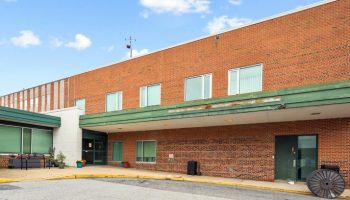
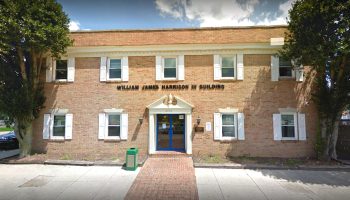


Delaware’s detoxification and addiction treatment landscape is heavily shaped by its compact geography and robust state-level interventions. Overseen by the Delaware Division of Substance Abuse and Mental Health (DSAMH) under the Department of Health and Social Services (DHSS), the state operates a centralized, public health-driven approach to addiction care.
Delaware has recently made significant strides toward harm reduction and Medication-Assisted Treatment (MAT), supported by the state’s comprehensive “Help is Here” campaign.
A critical point for readers seeking detox in Delaware is understanding the state’s local entry points. Because Delaware consists of only three counties (New Castle, Kent, and Sussex), the state has established walk-in “Bridge Clinics” in each county.
These clinics serve as the primary gateway for publicly funded care, offering immediate clinical assessments, peer support, and same or next-day buprenorphine induction while patients await a residential detox bed. This removes the guesswork of navigating fragmented private systems for uninsured residents.
Recent initiatives highlight Delaware’s commitment to diversion and accessible care. Law enforcement diversion programs, such as Hero Help in New Castle County, allow individuals to access treatment instead of arrest for minor offenses.
Furthermore, DHSS has strategically deployed public harm reduction vending machines across the state to distribute free naloxone and fentanyl test strips. By combining these low-barrier community resources with state-funded beds at facilities like the Kirkwood Detoxification Center, Delaware is actively working to stabilize patients against a highly toxic, fentanyl-driven drug supply.