

 603-256-9204
Manchester Metro Treatment Center
Manchester, NH
03103



| Name | Address | Detox Service Setting | Levels Of Care | Media |
|---|---|---|---|---|
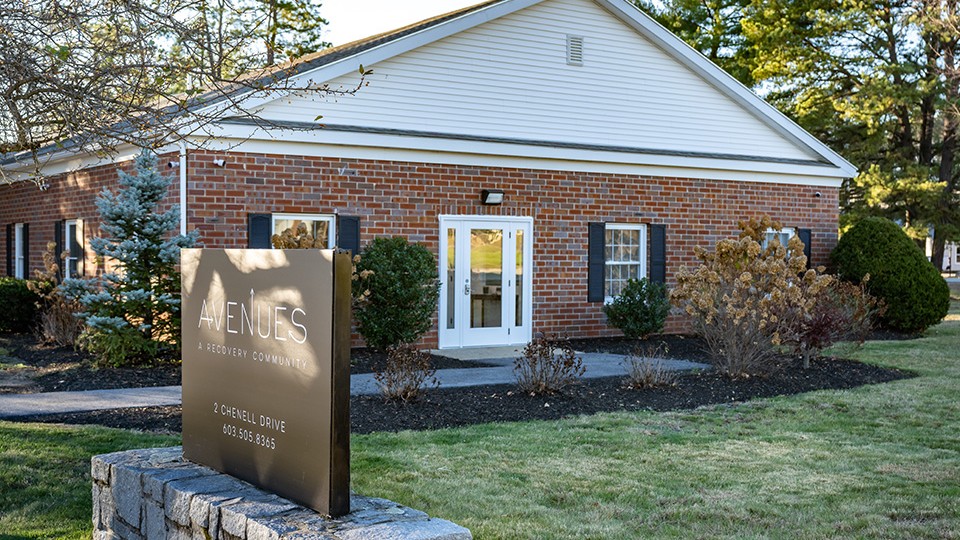
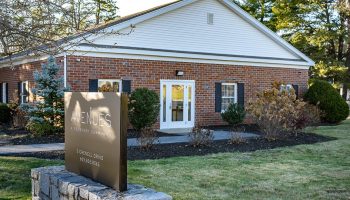
Avenues Recovery Center at New England |
81 Hall Street Concord, NH 03301 |
Detox Service Setting
Inpatient DetoxOutpatient DetoxMAT
|
Levels Of Care
InpatientPHPOutpatient+4
|
|
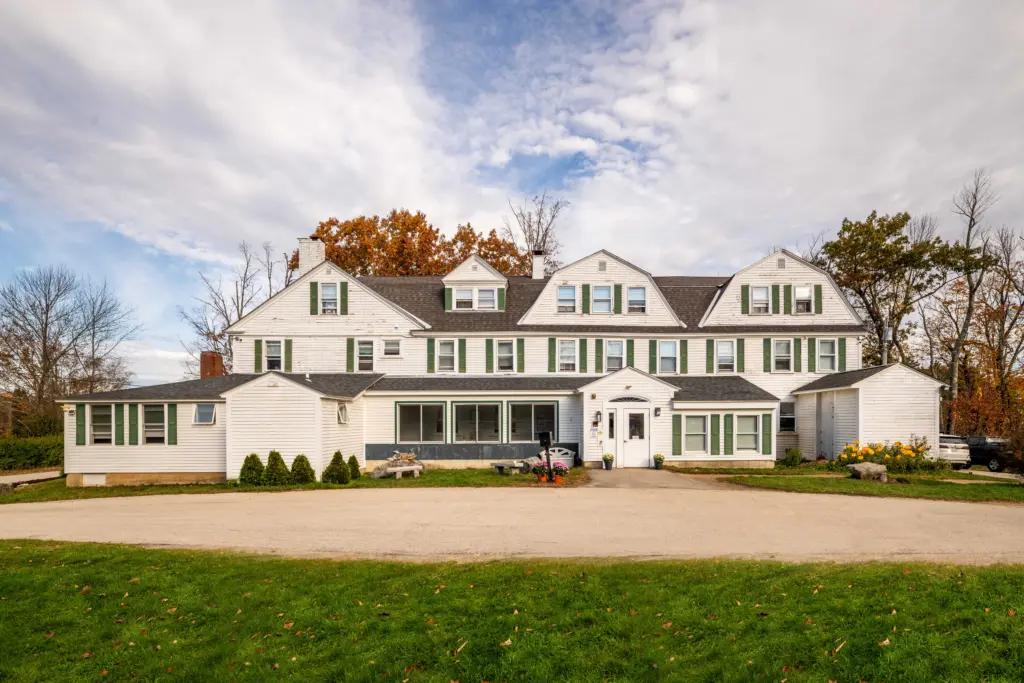
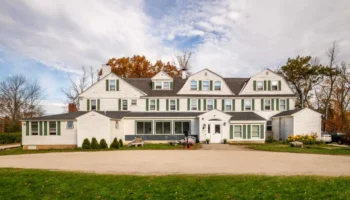
Avenues Recovery Center: Drug & Alcohol Rehab In Dublin |
3 Pierce Road Dublin, NH 03444 |
Detox Service Setting
Inpatient DetoxOutpatient DetoxMAT
|
Levels Of Care
InpatientOutpatientIntensive Outpatient+3
|
|
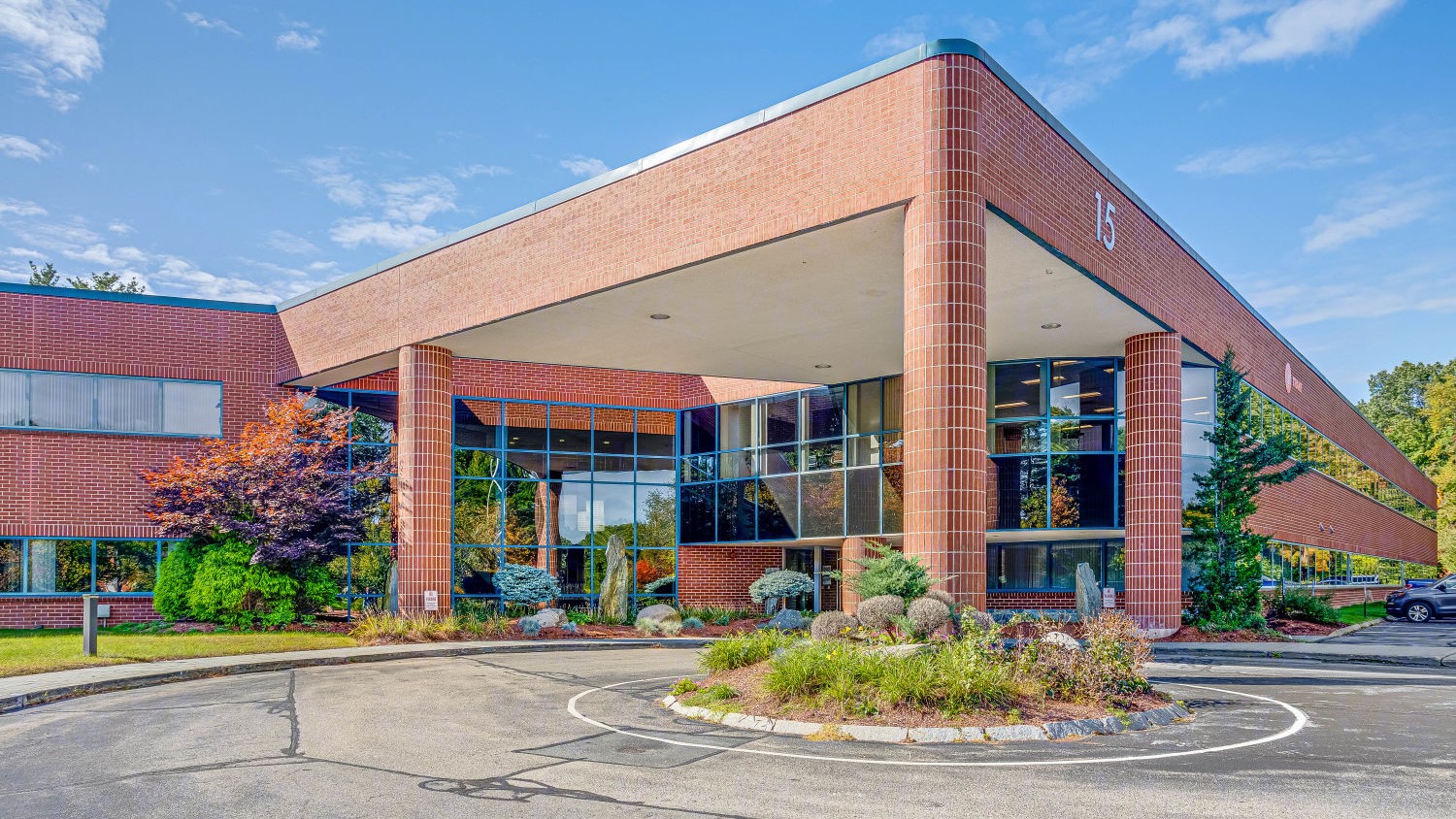
Aware Recovery Care Bedford |
15 Constitution Drive #2n Bedford, NH 03110 |
Detox Service Setting
Inpatient DetoxOutpatient Detox
|
Levels Of Care
InpatientOutpatientDual Diagnosis+1
|

|
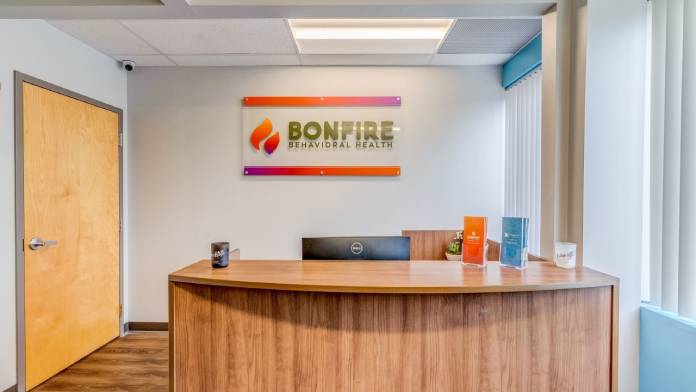
Bonfire Behavioral Health Rochester |
35 Industrial Way Rochester, NH 03867 |
Detox Service Setting
Inpatient DetoxOutpatient Detox
|
Levels Of Care
InpatientOutpatient
|

|
Concord Metro Treatment Center |
100 Hall Street Concord, NH 03301 |
Detox Service Setting
MATOutpatient Detox
|
Levels Of Care
OutpatientAftercare
|

|
Granite House |
35 West Broadway Derry, NH 03038 |
Detox Service Setting
Inpatient Detox
|
Levels Of Care
InpatientAftercareDual Diagnosis+1
|

|
Green Mountain Treatment Center Effingham |
244 Highwatch Road Effingham, NH 03882 |
Detox Service Setting
Inpatient DetoxOutpatient Detox
|
Levels Of Care
InpatientOutpatientAftercare+2
|

|
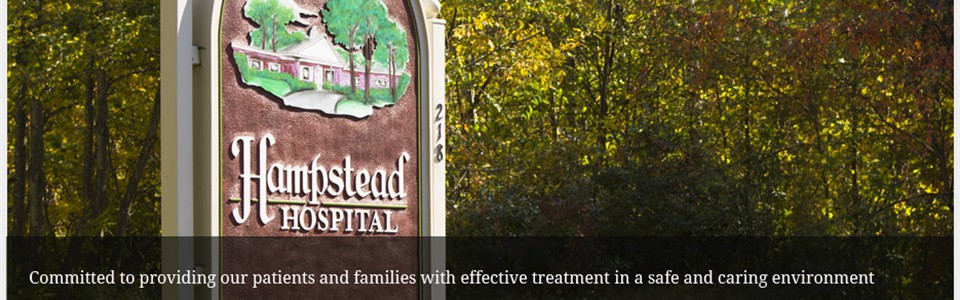
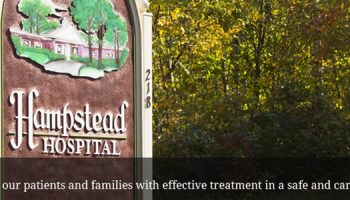
Hampstead Hospital |
218 East Road Hampstead, NH 03841 |
Detox Service Setting
Hospital DetoxInpatient DetoxOutpatient Detox
|
Levels Of Care
InpatientOutpatient
|
|
Keene Metro Treatment Center |
1076 West Swanzey Road Swanzey, NH 03446 |
Detox Service Setting
Inpatient DetoxOutpatient DetoxMAT
|
Levels Of Care
InpatientOutpatient
|

|
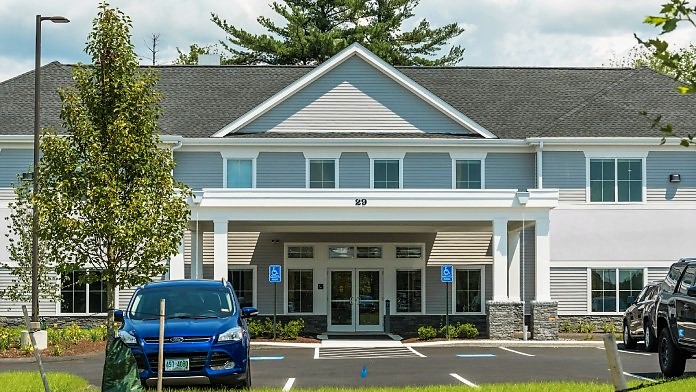
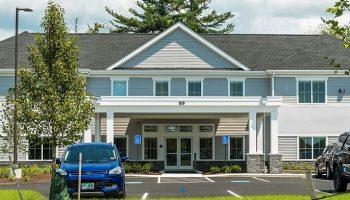
Liberty Health Services |
29 Ashleigh Drive Derry, NH 03038 |
Detox Service Setting
Inpatient DetoxOutpatient DetoxMAT
|
Levels Of Care
InpatientOutpatientAftercare+1
|
|
Manchester Metro Treatment Center |
228 Maple Street Manchester, NH 03103 |
Detox Service Setting
Outpatient DetoxMAT
|
Levels Of Care
Outpatient
|

|
NFA Canterbury – Inpatient Mental Health Treatment |
367 Shaker Road Canterbury, NH 03224 |
Detox Service Setting
Inpatient Detox
|
Levels Of Care
InpatientAftercareDual Diagnosis+1
|

|
Phoenix House Keene Center |
106 Roxbury Street Keene, NH 03431 |
Detox Service Setting
Inpatient Detox
|
Levels Of Care
|

|
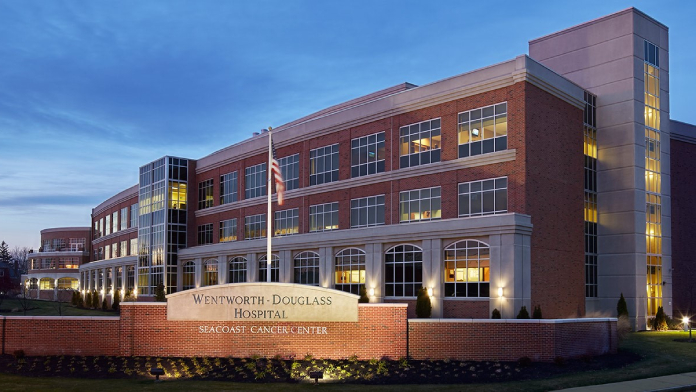
Wentworth-Douglass Hospital |
789 Central Ave Dover, NH 03820 |
Detox Service Setting
Inpatient DetoxOutpatient Detox
|
Levels Of Care
InpatientOutpatient
|

|
️GateHouse Treatment |
155 Main Dunstable Rd Nashua, NH 03060 |
Detox Service Setting
Inpatient DetoxOutpatient Detox
|
Levels Of Care
InpatientOutpatient
|
|
Health Care Resource Centers Hudson |
323 Derry Rd Hudson, NH 03051 |
Detox Service Setting
Inpatient DetoxOutpatient Detox
|
Levels Of Care
InpatientOutpatient
|
|
Live Free Structured Sober Living |
70 Kelley St Manchester, NH 03102 |
Detox Service Setting
Inpatient DetoxOutpatient Detox
|
Levels Of Care
InpatientOutpatient
|
|
Manchester—Comprehensive Treatment Center |
20 Market St Manchester, NH 03101 |
Detox Service Setting
Inpatient DetoxOutpatient Detox
|
Levels Of Care
InpatientOutpatient
|
|
New Season Treatment Center – Manchester West |
865 Second St Manchester, NH 03102 |
Detox Service Setting
Inpatient DetoxOutpatient Detox
|
Levels Of Care
InpatientOutpatient
|
|
GH Recovery Solutions |
491 Amherst Street Nashua, NH 03063 |
Detox Service Setting
Inpatient DetoxOutpatient DetoxMAT
|
Levels Of Care
InpatientOutpatientIntensive Outpatient+2
|
|
New Hampshire runs its substance use system through the Department of Health and Human Services (DHHS), Bureau of Drug and Alcohol Services (BDAS), which funds and oversees the continuum of care and sets the standards providers follow. The state’s signature access point is the Doorway, a network of nine regional hubs that give any resident a single place to get a screening, an assessment and a referral to detox or treatment. Anyone choosing a detox center can start there or call 211 at any hour.
Two features shape care in New Hampshire. First, the state expanded Medicaid through the Granite Advantage program, so many low-income adults qualify for coverage that includes withdrawal management and medication for opioid use disorder. Second, New Hampshire has invested heavily in overdose response, becoming the first state to widely deploy public NaloxBoxes and decriminalizing fentanyl and xylazine test strips in 2024.
The results are visible. After peaking in the late 2010s, fatal overdoses have fallen sharply, with opioid deaths down about 35 percent from 2023 to 2024. Fentanyl still drives the crisis, which is why medically supervised detox matters. Admission usually begins with an assessment that assigns an American Society of Addiction Medicine (ASAM) level of care to match the right setting to a person’s needs.
Paying for detox in New Hampshire is more manageable than many people expect, between expanded Medicaid, commercial insurance parity protections and state-funded access through the Doorway. Understanding how much detox costs and the assistance options below can help you plan before treatment begins.
The cost of detox in New Hampshire depends on the level of medical supervision, the substance involved, the length of stay and whether care happens in a hospital, a residential facility or an outpatient setting. Alcohol and benzodiazepine withdrawal often require closer monitoring, which raises the cost, and New Hampshire’s prices tend to run somewhat above the national average. The figures below are full cash-pay (self-pay) rates before insurance, Medicaid, Medicare or state funding is applied. Most people with coverage pay far less, and some qualify for care at no cost.
Medicare covers medically necessary detox for New Hampshire residents. Part A pays for inpatient hospital withdrawal management, and Part B covers outpatient services, including opioid treatment program care that provides methadone, buprenorphine and naltrexone. Medicare Advantage plans sold in New Hampshire must offer at least the same coverage. Your out-of-pocket cost depends on the setting, the services received and your plan’s deductibles and coinsurance.
New Hampshire Medicaid covers withdrawal management, residential and outpatient treatment and medication-assisted treatment for eligible residents. The state expanded Medicaid through the Granite Advantage Health Care Program, widening access for low-income adults. Coverage is delivered through managed care plans such as NH Healthy Families, WellSense and AmeriHealth Caritas New Hampshire. Some services may require prior authorization.
New Hampshire funds a strong public safety net so that cost is not a barrier to starting detox. Beyond commercial insurance and Medicaid, several options help people pay for care:

New Hampshire’s nine regional Doorway hubs, funded by federal State Opioid Response grants and led by DHHS, connect residents to detox and treatment regardless of insurance and can provide naloxone. Call 211 to reach the nearest location at any hour.
The Bureau of Drug and Alcohol Services contracts with providers using state and federal grant funds to deliver treatment to uninsured and underinsured Granite Staters across the full continuum of care.
Community mental health centers and nonprofit providers across New Hampshire offer detox and outpatient services on a sliding fee scale tied to income, keeping care reachable for people without full coverage.
Enrolled veterans can access substance use treatment and medically supervised detox through the Manchester VA Medical Center and affiliated community clinics and Vet Centers, with community care referrals when needed.
Detox and treatment programs in New Hampshire are overseen by state agencies and licensing boards, with national accreditation adding a further layer of quality assurance. These are the primary bodies that regulate withdrawal management and addiction care across the state:
The state authority that oversees New Hampshire’s substance use continuum, funding and monitoring prevention, treatment and recovery services and setting the standards providers follow. BDAS also supports the statewide Doorway system and coordinates federal block grant and State Opioid Response funding. See the BDAS page.
Housed within the Office of Professional Licensure and Certification, this board licenses the clinicians who staff New Hampshire detox and treatment programs, including Master Licensed and Licensed Alcohol and Drug Counselors and Certified Recovery Support Workers. It sets qualification standards and handles discipline. See the board.
The board regulates the controlled substances used in detox and medication-assisted treatment and runs the state Prescription Drug Monitoring Program, which tracks dispensing to support safe prescribing. New Hampshire also authorizes pharmacies to dispense naloxone and, more recently, nalmefene. See OPLC.
Beyond state oversight, many New Hampshire detox and treatment providers voluntarily earn accreditation from CARF International or The Joint Commission. These independent bodies audit programs against national standards for safety, clinical quality and outcomes, signaling externally reviewed care.
Medication-assisted treatment in New Hampshire is regulated at the federal and state levels. Opioid treatment programs that dispense methadone must hold SAMHSA certification under 42 CFR Part 8 and register with the DEA, while the state Board of Pharmacy tracks controlled-substance dispensing through the Prescription Drug Monitoring Program. Access to medication-assisted treatment has widened through the Doorway network and telehealth, with buprenorphine and naltrexone available at all nine Doorway hubs.
Buprenorphine, often prescribed as Suboxone, is widely available in New Hampshire through office-based providers, telehealth, and the Doorway network. This reach matters in rural counties far from a clinic. New Hampshire Medicaid covers buprenorphine, making it a practical first step for opioid use disorder treatment.
Methadone is dispensed only through SAMHSA-certified opioid treatment programs and is not available at retail pharmacies. New Hampshire’s opioid treatment programs are concentrated in larger population centers, so some residents travel for daily dosing early in treatment. Medicaid covers methadone for eligible residents.
Naltrexone, including the extended-release injection Vivitrol, blocks opioid effects and is not a controlled substance, so any licensed New Hampshire prescriber can offer it in a standard outpatient setting. It treats both opioid and alcohol use disorder after withdrawal is complete, and Medicaid covers it statewide.
New Hampshire has expanded overdose prevention rapidly in recent years. Because fentanyl drives the large majority of the state’s overdose deaths, New Hampshire legalized syringe services programs in 2017, decriminalized fentanyl and xylazine test strips in 2024 and became the first state to widely deploy public NaloxBoxes. Free naloxone is available at all nine Doorway hubs and at registered syringe services programs. These services often become a person’s first connection to detox and treatment.
NHHRC runs syringe services in Manchester, Concord, Rochester, Dover, and Nashua and operates an overdose prevention van serving around 2,000 participants statewide. Its care coordinators connect people to naloxone, testing, and treatment referrals.
The state health department registers and supports New Hampshire’s syringe services programs and maintains the public list of operating sites. It also distributes free nasal naloxone and connects residents to overdose prevention supplies and treatment.
SSANA serves the Greater Nashua region with a registered syringe services program, providing sterile supplies, safe disposal, naloxone, and overdose prevention education while linking participants to substance use treatment and medical care.
Based in Lebanon and serving Grafton and Sullivan counties, the HIV/HCV Resource Center runs an anonymous syringe exchange and mobile services, distributing free naloxone and fentanyl test kits and connecting people who use drugs to testing and care.
New Hampshire has made major progress against overdose deaths, though fentanyl keeps the danger high. These figures from state health agencies show where New Hampshire stands today.
New Hampshire opioid overdose deaths fell about 35 percent from 2023 to 2024, outpacing the national rate of decline, according to the state Office of the Chief Medical Examiner.
Since 2019, New Hampshire’s Doorway network has served more than 37,000 people seeking treatment for substance use disorders, offering a single point of entry in every region of the state.
Fentanyl remains the leading cause of overdose death in New Hampshire, involved in most fatal overdoses and increasingly mixed with cocaine or methamphetamine, according to the New Hampshire Drug Monitoring Initiative.
Start with the Doorway, New Hampshire’s network of nine regional hubs, or call 211 at any hour. Doorway staff provide a free assessment and connect you to detox or treatment regardless of insurance, and can help you enroll in Medicaid or find state-funded care.
Yes. Free naloxone is available at all nine Doorway locations, at registered syringe services programs, and through public NaloxBoxes across the state. Pharmacies can also dispense naloxone and nalmefene with or without a prescription, often at low or no cost.
It depends on the substance, your withdrawal history, and any co-occurring conditions. Alcohol and benzodiazepine withdrawal can be life-threatening and often need inpatient detox, while some situations are managed on an outpatient basis. A licensed assessment determines the safest level of care.
Yes. New Hampshire expanded Medicaid through the Granite Advantage program, and coverage includes withdrawal management, outpatient and residential treatment and medication-assisted treatment for eligible residents. Care is delivered through managed care plans, and some services may require prior authorization.
Most medically supervised detox lasts three to seven days, though timelines vary by substance and severity. Opioid and alcohol withdrawal typically span several days, while some sedatives require a longer taper. Your care team adjusts the plan based on your symptoms and medical needs.


Cary has more than three decades of nursing expertise as an LPN and holds a bachelor’s degree in Liberal Arts. She is also working toward a Master’s degree focused on public health policy. Her professional journey has been dedicated to addressing healthcare disparities for both adults and children.