Find Drug & Alcohol Detox Centers in Fort Worth, TX

As one of the busiest cities in Texas, Fort Worth enjoys a thriving economy coupled with a healthy mix of ethnicities and cultures. Not unlike the rest of the country, drug and alcohol abuse has taken a toll on the city’s inhabitants.

If you or a loved have gotten caught up in substance abuse, drug and alcohol detox centers in Fort Worth, TX can help you put a stop to addiction’s hold on your life. We here at Detox.com can match you with rehab programs experienced in dealing with the types of problems you’ll face in recovery. Call 817-854-4496 to ask about available treatment options.

Detox Centers in Fort Worth

15 Results
Filters
Setting
Medications Offered
Treatment
Programs
Payment Options
Name Address Detox Service Setting Levels Of Care Media

Arise Recovery Centers Fort Worth

6115 Camp Bowie Blvd Fort Worth, TX 76116
Detox Service Setting
Inpatient DetoxOutpatient Detox
Levels Of Care
InpatientOutpatient
Arise Recovery Centers Fort Worth

Hemphill Treatment Services

700 Hemphill Street Fort Worth, TX 76104
Detox Service Setting
Outpatient Detox
Levels Of Care
OutpatientAftercareDual Diagnosis
Hemphill Treatment Services

Mesa Springs

5560 Mesa Springs Drive Fort Worth, TX 76123
Detox Service Setting
Inpatient DetoxOutpatient Detox
Levels Of Care
InpatientOutpatientDual Diagnosis
Mesa Springs

Symetria Recovery Fort Worth

7229 Hawkins View Drive Fort Worth, TX 76132
Detox Service Setting
Outpatient Detox
Levels Of Care
OutpatientAftercareDual Diagnosis
Symetria Recovery Fort Worth

Texas Treatment Services

4801 Brentwood Stair Rd Fort Worth, TX 76103
Detox Service Setting
Inpatient DetoxOutpatient Detox
Levels Of Care
InpatientOutpatient
Texas Treatment Services

Clearfork Academy | Teen Boys’ Campus

7820 Hanger Cutoff Road Fort Worth, TX 76135
Detox Service Setting
Hospital DetoxInpatient DetoxOutpatient Detox+1
Levels Of Care
InpatientOutpatientDual Diagnosis+2

Fort Behavioral Health

7140 Oakmont Boulevard Fort Worth, TX 76132
Detox Service Setting
Inpatient DetoxOutpatient DetoxMAT
Levels Of Care
InpatientOutpatientDual Diagnosis+2

Hemphill Treatment Facility

700 Hemphill Street Fort Worth, TX 76104
Detox Service Setting
Outpatient DetoxMAT
Levels Of Care
Outpatient

MedMark Treatment Centers Fort Worth

5201 Mc Cart Ave Suite H Fort Worth, TX 76115
Detox Service Setting
Inpatient DetoxOutpatient Detox
Levels Of Care
InpatientOutpatient

MH/MR of Tarrant County Pine Street Resid/Billy Gregory Detox

1501 East El Paso Street Fort Worth, TX 76102
Detox Service Setting
Inpatient DetoxOutpatient DetoxHospital Detox+1
Levels Of Care
InpatientOutpatientDual Diagnosis

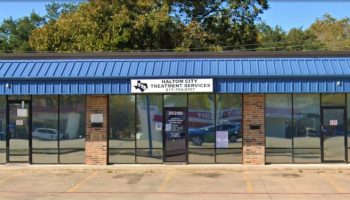
Haltom Treatment Services

3529 Denton Highway Haltom City, TX 76117
Detox Service Setting
Outpatient Detox
Levels Of Care
OutpatientDual Diagnosis
Haltom Treatment Services

Riverwalk Ranch

6960 Dick Price Road Mansfield, TX 76063
Detox Service Setting
Inpatient DetoxOutpatient DetoxMAT
Levels Of Care
InpatientPHPOutpatient+4
Riverwalk Ranch

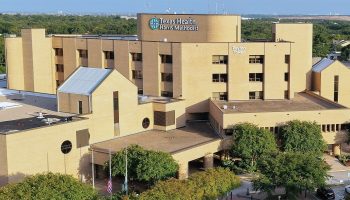
Texas Health Harris Methodist Hurst Euless Bedford

1600 Hospital Parkway Bedford, TX 76022
Detox Service Setting
Inpatient DetoxOutpatient Detox
Levels Of Care
InpatientOutpatientAftercare+1
Texas Health Harris Methodist Hurst Euless Bedford

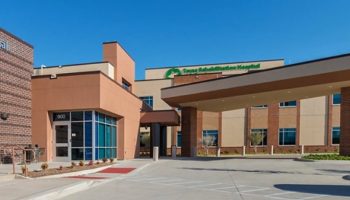
Texas Rehabilitation Hospital of Arlington

900 West Arbrook Boulevard Arlington, TX 76015
Detox Service Setting
Inpatient DetoxOutpatient Detox
Levels Of Care
InpatientOutpatient
Texas Rehabilitation Hospital of Arlington

Sunshine Care Centers

1900 Ballpark Way Arlington, TX 76006
Detox Service Setting
Inpatient DetoxOutpatient Detox
Levels Of Care
InpatientOutpatient
Sunshine Care Centers

Drug & Alcohol Detox in Fort Worth, TX

Fort Worth sits within Tarrant County, a rapidly growing region of more than 2.2 million residents and the third-largest county in Texas. Detox facilities in Fort Worth are licensed as Chemical Dependency Treatment Facilities (CDTFs) by the Texas Health and Human Services Commission (HHSC) under 26 TAC Chapter 564, which was updated in April 2024 and sets clinical standards, staffing minimums, and patient rights requirements.

All programs offering detox services must have a designated, licensed Medical Director and meet separate intake and discharge protocols specific to withdrawal management. When evaluating options, our guide to choosing a detox center can clarify what to look for in accreditation, medical oversight, and program structure.

Tarrant County has taken direct action in response to a sharp rise in local overdoses, leading to a public health crisis. In 2024, the Tarrant County Board of Commissioners approved joining the OD Map project, a national initiative that provides first responders with real-time software to map overdose locations and target outreach.

The Tarrant County District Attorney’s office separately created a dedicated narcotics unit focused on fentanyl distribution. At the state level, Texas HB 6 (2023) classifies a fentanyl-related overdose death as a poisoning. This allows murder charges against the person who provided the fatal dose, shifting how local prosecutors approach enforcement.

For residents without private insurance, JPS Health Network, the Tarrant County Hospital District, operates John Peter Smith Hospital and more than 25 community clinics. JPS is the largest provider of behavioral health services in the county and offers a full SUD care continuum, including a JPS Connection assistance program that reduces copays for income-eligible patients. Fentanyl has been detected locally not only in opioids but in counterfeit pills, methamphetamine, and marijuana, making the risk of accidental poisoning a concern across all substance categories.
Find The Perfect Detox Center For You

Filter treatment centers in Fort Worth by level of care offered to find the best detox program for you or a loved one.

Paying for Detox in Fort Worth

Understanding the cost of detox in Fort Worth is a practical first step, and knowing how to use health insurance to cover treatment can significantly reduce your out-of-pocket costs. Expenses vary based on the level of medical supervision, length of stay, and whether MAT medications are part of the treatment plan.

How Much Does Detox Cost in Fort Worth?

Texas ranks as the 18th most expensive state for non-hospital residential drug treatment. In Fort Worth, cost is most directly driven by setting and severity of need. Hospital-based medical detox, which provides the highest level of supervision, carries the highest daily rate. Insurance and state Medicaid programs cover a meaningful share of costs at participating facilities, particularly for medically supervised detox and MAT.

$500 to $1,500 (per day)
Medical Detox
$6,000 to $25,000 (30-day program)
Inpatient Rehab
$1,200 to $10,000
Outpatient Rehab
$5,000 to $15,000 (per year)
Methadone Treatment

Does Private Insurance Cover Detox in Fort Worth?

Private insurers in Texas must comply with the federal Mental Health Parity and Addiction Equity Act, which requires that substance use disorder benefits be equivalent to medical and surgical benefits. The Texas Department of Insurance (TDI) oversees compliance for state-regulated plans. Fort Worth’s most common commercial insurance providers include:

Blue Cross Blue Shield
United Health Care
Aetna
Cigna
Humana
Molina Healthcare

Medicare and Medicaid in Fort Worth

Medicare

Medicare covers inpatient and outpatient detox for drug and alcohol dependence in Fort Worth. Under Medicare Part B, Opioid Treatment Program (OTP) services, including methadone, buprenorphine, and naltrexone, are covered. Copays and deductibles depend on the treatment setting and specific services you receive.

Medicaid

Texas Medicaid covers medical detox, outpatient treatment, inpatient rehabilitation when medically necessary, and medication assisted treatment (MAT). Coverage is managed through HHSC-coordinated managed care plans. Eligibility is primarily income-based. Residents can apply through the Your Texas Benefits portal at yourtexasbenefits.com.

Other Ways to Pay for Detox Treatment

Detox services in Fort Worth are crucial to your recovery. We encourage you not to let cost prevent you from getting care. Several local alternatives exist when you don’t have private insurance:

Sliding Scale Payment Systems: 

The Recovery Resource Council, a nonprofit serving North Texas since 1946, uses a sliding fee scale for income-qualified individuals seeking outpatient and intensive outpatient treatment.

Nonprofits and Charities: 

Volunteers of America Texas operates residential and outpatient programs in Fort Worth, accepting Medicaid, Medicare, and sliding scale arrangements for clients who cannot pay full program costs.

Local Government Programs: 

JPS Health Network, Tarrant County’s tax-supported hospital district, provides behavioral health and SUD services to all county residents regardless of insurance status, with the JPS Connection program reducing copays for income-eligible patients.

Veterans Programs: 

The Fort Worth VA Clinic at 2201 Southeast Loop 820 provides SUD services for veterans, including detox referrals and inpatient care funded through VA benefits and the Texas Veterans and Family Alliance Grant Program.

State-Funded Programs: 

MHMR of Tarrant County Addiction Recovery Center (129 Harmon Road, Hurst) provides state-funded outpatient SUD services and MAT, accepting Texas Medicaid, state-financed insurance, and sliding scale payment.

Fort Worth, Texas Regulations and Accreditation for Detox

Regulation and accreditation are vital to ensure patient safety and enforce evidence-based standards. The rigorous checks by these organizations help prevent mistreatment and guarantee that providers are qualified to handle complications. The following are key regulatory and accreditation bodies that oversee detox and withdrawal management services in Fort Worth and Tarrant County:

Texas Health and Human Services Commission (HHSC)

HHSC licenses all Chemical Dependency Treatment Facilities (CDTFs) in Texas under 26 TAC Chapter 564. Rules governing detox programs were administratively transferred and updated in April 2024, requiring facilities to name a licensed Medical Director, meet staffing minimums, and maintain clinical standards specific to withdrawal management. HHSC conducts on-site compliance inspections and provides an online license verification system for patients and families to check a facility’s status.

Texas Department of State Health Services (DSHS)

DSHS is Texas’s primary public health authority for substance use surveillance and overdose prevention. Through the Texas Overdose Data to Action (TODA) program, DSHS tracks fatal and non-fatal drug poisoning trends at the county level and coordinates statewide naloxone distribution. DSHS data directly informs how Tarrant County prioritizes overdose response resources and public health programming.

SAMHSA (Substance Abuse and Mental Health Services Administration)

Opioid treatment programs operating in Fort Worth that dispense methadone must hold federal SAMHSA certification under 42 CFR Part 8 and DEA registration for Schedule II controlled substances. SAMHSA certification requires ongoing compliance with counseling, recordkeeping, and patient rights standards. SAMHSA also certifies facilities appearing in the national treatment locator at findtreatment.gov.

JPS Health Network (Tarrant County Hospital District)

JPS Health Network is Tarrant County’s tax-supported public hospital district and the county’s largest provider of behavioral health services. It includes the county’s only Psychiatric Emergency Center, providing 24/7 crisis intervention, and integrates behavioral health specialists into primary care clinics at multiple community sites across Fort Worth. JPS aligns SUD programming with HHSC licensing standards and accepts county indigent care funding for uninsured patients.

Key MAT Medications and Regulatory Status in Fort Worth

Medication-assisted treatment in Fort Worth is governed at both the federal and state levels. Federally, SAMHSA and the DEA regulate controlled substance prescribing and opioid treatment programs. HHSC sets clinical standards for licensed facilities providing MAT. Texas aligns with federal guidelines and requires behavioral counseling as a component of certified treatment programs.

Buprenorphine:

Widely available in Fort Worth through outpatient clinics, primary care offices, and telehealth providers. The 2023 elimination of the federal X-waiver requirement means any DEA-registered prescriber can now prescribe buprenorphine for opioid use disorder without a special waiver, significantly expanding access. No additional facility license is required for outpatient prescribers.

Methadone: 

Restricted to DEA-registered, SAMHSA-certified Opioid Treatment Programs. Patients in Fort Worth must attend a licensed OTP clinic for daily dosing until take-home privileges are earned through stable compliance. Texas Medicaid covers methadone treatment at certified OTPs.

Naltrexone: 

No special prescribing restrictions apply, making it one of the most accessible MAT options in the region. The injectable form, Vivitrol, is widely used for both opioid and alcohol use disorders. Texas Medicaid covers oral and injectable naltrexone, and it can be prescribed in any standard clinical setting.

Overdose Prevention and Harm Reduction in Fort Worth

Fentanyl has been detected in counterfeit pills, methamphetamine, and marijuana throughout the Fort Worth area. This corruption means the risk of accidental poisoning extends well beyond people with a known opioid use disorder. Within Tarrant County is a large harm reduction network to distribute naloxone, safer-use supplies, and overdose education to people who may not be connected to formal treatment.

Texas still classifies fentanyl test strips as drug paraphernalia under state law, creating a gap that community organizations are working to address through expanded naloxone availability. Naloxone is legal and available over the counter at most Fort Worth pharmacies. The following organizations actively participate in the harm reduction network.

Naloxone Texas (Be Well Texas)

Free naloxone shipped directly to any Texas home address Overdose response training for individuals and organizations Community site registration and distribution network support

Naloxone Texas is a statewide program funded through the Texas Opioid Abatement Fund and administered by UT Health San Antonio through Be Well Texas. Anyone in Fort Worth or Tarrant County can request free naloxone online and have it shipped directly to their home at no cost. The program has $18 million in dedicated state and university funding as of 2025 and has dramatically expanded distribution capacity across the state.

Recovery Resource Council

Free naloxone distribution and overdose education Outpatient and intensive outpatient treatment Peer recovery support services Substance use screening and prevention programming

The Recovery Resource Council is a North Texas nonprofit that has served the community since 1946, providing treatment and prevention services for lower-income and uninsured individuals. The Council distributes naloxone alongside its treatment programs and serves more than 65,000 youth and adults in fiscal year 2023. It operates on a sliding fee scale and accepts Medicaid, making care accessible regardless of ability to pay.

Tarrant County Public Health

Overdose surveillance and geographic mapping (OD Map project, 2024) Overdose data briefs and community health reporting Coordination of county-level overdose prevention resources

Tarrant County Public Health coordinates the county’s public health response to the overdose crisis. In June 2024, the Tarrant County Board of Commissioners approved joining the OD Map project, a national tool that gives first responders real-time geographic data on where overdoses are occurring, enabling more targeted outreach and resource deployment. The department publishes regular data briefs tracking Tarrant County-specific overdose mortality and emergency department visit trends.

Detox Statistics in Fort Worth, Texas

Tarrant County’s overdose data reflects a regional crisis driven primarily by synthetic opioids, and several recent data points show that the burden remains significant even as statewide naloxone distribution begins to have an effect.

Approximately 2,500 Overdoses in 2023:

In 2023, there were nearly 2,500 overdoses in Tarrant County, many of which were fentanyl-related, according to Tarrant County Criminal District Attorney Phil Sorrells.

Males More Significantly Affected

Males aged 25-44 were most affected among Tarrant County residents. Overdose mortality rates in 2023 were significantly higher for males, non-Hispanic Black and white residents, and individuals in the 25-44 and 45-64 age groups.

68% Increase in Texas Drug Poisoning Deaths

2019-2024 Texas drug poisoning deaths increased 68% from 2019 to 2024 statewide. In 2023, drug poisoning became the leading cause of injury-related death for Texans between the ages of 24 and 69, according to the Texas Department of State Health Services.

FAQs About Detox in Fort Worth, TX

What are my options for free or low-cost detox in Fort Worth if I'm uninsured?

JPS Health Network, Tarrant County’s tax-supported hospital district, provides behavioral health and SUD services to all county residents regardless of insurance status. The JPS Connection program reduces copays for income-eligible patients. The Recovery Resource Council uses a sliding fee scale at its Fort Worth locations. Volunteers of America Texas and MHMR of Tarrant County Addiction Recovery Center (129 Harmon Road, Hurst) accept Medicaid and offer payment assistance for uninsured individuals.

What is Texas's Good Samaritan law, and does it apply when calling 911 for an overdose in Fort Worth?

Texas’s Good Samaritan protection, established under the Jessica Sosa Act (HB 1694), provides a defense to prosecution for people who call 911 during a possible overdose. The protection has meaningful limitations: it does not apply to individuals with prior convictions under certain drug statutes, those who have previously used the defense, or those who called 911 for an overdose in the preceding 18 months. If you witness an overdose in Fort Worth, call 911 immediately, regardless.

Are fentanyl test strips legal in Fort Worth?

Texas currently classifies fentanyl test strips as drug paraphernalia under state law, making possession technically illegal. Multiple legislative attempts to decriminalize them have failed to reach the governor’s desk, despite support from public health advocates and some law enforcement. Naloxone is legal and widely available over the counter at Fort Worth pharmacies, and O.D. Aid distributes safer-use supplies through its weekly Standing Hours for anyone who needs them.

What should I expect during inpatient detox in Fort Worth?

Inpatient detox in Fort Worth typically begins with a medical assessment covering withdrawal severity, vital signs, and any co-occurring health conditions. A physician or advanced practice provider monitors patients around the clock during the acute phase, and FDA-approved medications are commonly used to manage withdrawal symptoms. A typical medically supervised detox stay runs five to seven days, after which most patients transition into a residential or outpatient treatment program.

Does Fort Worth offer specialized detox services for veterans?

Yes, the Fort Worth VA Clinic at 2201 Southeast Loop 820 provides substance use disorder services, including detox referrals and connections to inpatient treatment for eligible veterans. The Texas Veterans and Family Alliance Grant Program separately funds expanded mental health and SUD access across the state. Veterans in acute crisis can reach the Veterans Crisis Line at any time by calling 988 and pressing 1.

Two people talking
Get Help Today!
If you or a loved one is in need of help, call today. Pick up the phone and get the help you need.
800-483-2193
Confidential. Available 24 Hours

Browse Detox Centers

Get Help Today Phone icon 800-779-4314