Find Drug & Alcohol Detox Centers in Grand Rapids, MI

River City residents grapple with substance use daily. And though the rest of Michigan also is faced with an epidemic of drug and alcohol abuse, the opioid-related death rate in Kent County is higher than the rate throughout the rest of the state. People are in crisis, and the best way to help them is treatment in a detoxification facility.

If you or a person you treasure are ready to lead a happy, healthy life, it’s time to learn about drug and alcohol detox centers in Grand Rapids, MI. Call 313-351-7511 24/7 and speak to an addiction specialist who can match you to a program that will help you put an end to substance abuse.

Detox Centers in Grand Rapids

15 Results
Filters
Setting
Medications Offered
Treatment
Programs
Payment Options
Name Address Detox Service Setting Levels Of Care Media

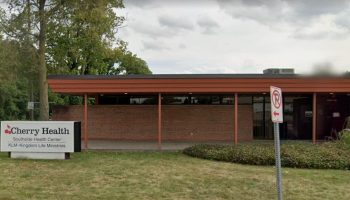
Cherry Health Southside Health Center

2303 Kalamazoo Avenue Southeast Grand Rapids, MI 49507
Detox Service Setting
Outpatient Detox
Levels Of Care
OutpatientDual Diagnosis
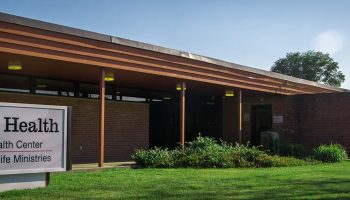
Cherry Health Southside Health Center

Cherry Health – Southside Health Center Suite 100

2303 Kalamazoo Avenue Southeast Grand Rapids, MI 49507
Detox Service Setting
Outpatient DetoxMAT
Levels Of Care
Outpatient
Cherry Health – Southside Health Center Suite 100

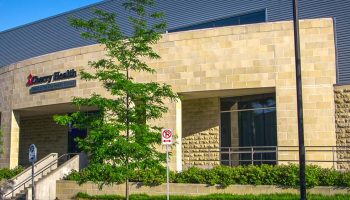
Cherry Street Health Services

100 Cherry Street Southeast Grand Rapids, MI 49503
Detox Service Setting
MATOutpatient Detox
Levels Of Care
Outpatient
Cherry Street Health Services

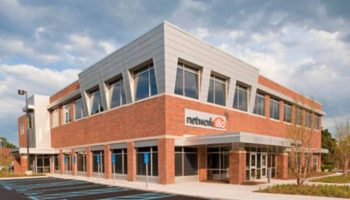
Network180

790 Fuller Avenue Northeast Grand Rapids, MI 49503
Detox Service Setting
Inpatient DetoxOutpatient DetoxMAT
Levels Of Care
InpatientPHPOutpatient+2
Network180

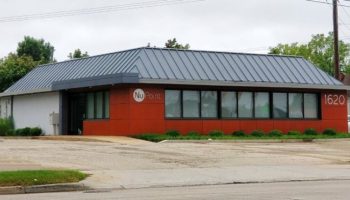
NuPoint Services

1620 44th St SE Grand Rapids, MI 49508
Detox Service Setting
Inpatient DetoxOutpatient Detox
Levels Of Care
InpatientOutpatient
NuPoint Services

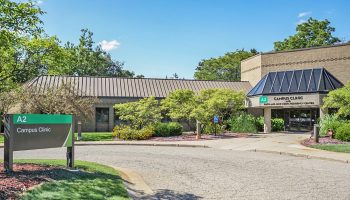
Pine Rest Campus Clinic

300 68th Street SE Grand Rapids, MI 49548
Detox Service Setting
Inpatient Detox
Levels Of Care
InpatientAftercareDual Diagnosis+1
Pine Rest Campus Clinic

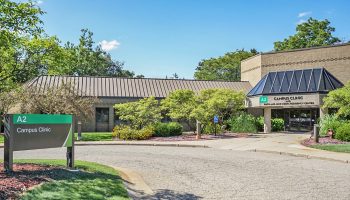
Pine Rest Campus Clinic Christian Mental Health Services

300 68th Street Southeast Grand Rapids, MI 49548
Detox Service Setting
Inpatient DetoxOutpatient Detox
Levels Of Care
InpatientOutpatientAftercare+2
Pine Rest Campus Clinic Christian Mental Health Services

Pine Rest Christian Mental Health Services – Jellema House

1870 Leonard Street Northeast Grand Rapids, MI 49505
Detox Service Setting
Outpatient Detox
Levels Of Care
OutpatientAftercareDual Diagnosis+2
Pine Rest Christian Mental Health Services – Jellema House

Salvation Army West Michigan Harbor Light

1215 Fulton Street West Grand Rapids, MI 49503
Detox Service Setting
Inpatient DetoxOutpatient DetoxMAT
Levels Of Care
InpatientOutpatientPHP+2
Salvation Army West Michigan Harbor Light

Sanford Behavioral Health at Cherry Street

540 Cherry Street Southeast Grand Rapids, MI 49503
Detox Service Setting
Inpatient DetoxOutpatient DetoxMAT
Levels Of Care
InpatientOutpatientPHP+4
Sanford Behavioral Health at Cherry Street

Bethany Christian Services Substance Abuse Counseling Program

901 Eastern Avenue Northeast Grand Rapids, MI 49503
Detox Service Setting
Outpatient Detox
Levels Of Care

Cherry Health – Cherry Street Health Center Family Medicine

550 Cherry St SE Grand Rapids, MI 49503
Detox Service Setting
Inpatient DetoxOutpatient Detox
Levels Of Care
InpatientOutpatient

Hope Network Center for Recovery Grand Rapids – Closed

3210 Eagle Run Drive Northeast Grand Rapids, MI 49525
Detox Service Setting
Inpatient DetoxOutpatient Detox
Levels Of Care
InpatientOutpatientAftercare+3

Recovery Road

336 Wealthy SE Grand Rapids, MI 49503
Detox Service Setting
Inpatient DetoxOutpatient Detox
Levels Of Care
InpatientOutpatient

West Brook Recovery Center LLC

3210 Eagle Run Drive Northeast Grand Rapids, MI 49525
Detox Service Setting
MAT
Levels Of Care

Drug & Alcohol Detox in Grand Rapids, MI

Grand Rapids sits at the center of Kent County’s addiction treatment network that combines state-licensed clinical providers with a well funded public health infrastructure. Detox and withdrawal management programs in the city are licensed through the Michigan Bureau of Community and Health Systems (BCHS), a division of the Department of Licensing and Regulatory Affairs (LARA).

The Michigan Department of Health and Human Services (MDHHS) funds, monitors and certifies the broader substance use disorder treatment system. Locally, Network180 functions as the Kent County Community Mental Health Authority, connecting residents to publicly funded SUD services and acting as the coordinating body for access to state-supported care.

The city has several medical detox options at different levels of care. Pine Rest Christian Mental Health Services operates one of the few dedicated residential detoxification units in the state, staffed around the clock by registered nurses and supported by board-certified addiction psychiatrists.

Hope Network Center for Recovery provides both outpatient and medically managed services, including medication assisted treatment. Sanford Behavioral Health operates an inpatient detox program that also includes specialized services for pregnant and parenting individuals.

Michigan signed Public Act 41 in May 2024, the state’s first mental health parity law, which requires insurers to cover SUD treatment at the same level as physical health services. For Grand Rapids residents, this change directly affects how insurers must handle prior authorizations and benefit limits for detox.

The Kent County Opioid Task Force coordinates community partners, harm reduction organizations and health systems around shared strategies to reduce overdose deaths and improve access to care.
Find The Perfect Detox Center For You

Filter treatment centers in Grand Rapids by level of care offered to find the best detox program for you or a loved one.

Paying for Detox in Grand Rapids

Treatment costs in Grand Rapids vary widely based on the level of medical supervision required, the duration of the stay, and whether medications are used to manage withdrawal. Michigan’s expanded Medicaid program and the state’s new parity law have improved access for many residents. However, understanding your options before starting the process reduces surprises.

How Much Does Detox Cost in Grand Rapids?

Detox costs in Grand Rapids reflect the same drivers seen statewide: setting, level of medical monitoring, substance being treated, and length of stay. Alcohol withdrawal and benzodiazepine detox typically require the most intensive supervision, which increases cost.

Most people with insurance reduce out-of-pocket expenses significantly, and several Grand Rapids providers accept both commercial and public coverage.

$150k
Medical Detox
$51k
Inpatient Rehab
$11k
Outpatient Rehab
$5.2k
Methadone Treatment

Does Private Insurance Cover Detox in Grand Rapids?

Michigan Public Act 41 of 2024 requires all state-regulated insurance plans to cover SUD treatment on the same terms as physical health coverage, closing loopholes that previously allowed more restrictive prior authorization and benefit limits for behavioral health.

The Michigan Department of Insurance and Financial Services (DIFS) oversees compliance. Coverage specifics still vary by plan and network, so it is important to verify benefits before selecting a facility. The most common commercial insurers active in the Grand Rapids market include:

Bcbs Michigan
Priority Health
United Health Care
Aetna
Cigna
Humana

Medicare and Medicaid in Grand Rapids

Medicare

Medicare covers medically necessary inpatient and outpatient detox services in Grand Rapids, including opioid treatment program services such as methadone and buprenorphine under Part B. Copays and deductibles depend on the treatment setting, services received, and your specific plan type.

Medicaid

Michigan Medicaid, including the Healthy Michigan Plan for adults ages 19 to 64 with income at or below 138% of the federal poverty level, covers medical detox, residential treatment, outpatient services, and MAT. SUD benefits under Medicaid are managed through MDHHS in coordination with the local Community Mental Health authority, Network180. Prior authorization may be required for residential and detox services, depending on the managed care plan selected.

Other Ways to Pay for Detox Treatment

Several local options exist for people without private insurance or with high out-of-pocket costs, so you don’t have to allow costs to be a barrier to getting care:

Sliding Scale Payment Systems: 

Cherry Health, a Federally Qualified Health Center with multiple Grand Rapids locations, offers sliding-scale fees based on income for outpatient SUD services. Pine Rest also maintains a Patient Assistance Fund for eligible residential detox patients.

Nonprofits and Charities: 

The Salvation Army Turning Point Programs on Leonard Street NE provides inpatient detox and short-term services with Medicaid and state-financed options. Guiding Light Mission offers residential SUD treatment for men regardless of ability to pay.

Local Government and CMH Funding: 

Network180 (Kent County CMH) provides access to publicly funded detox and outpatient care for uninsured and underinsured residents. Contact Network180 directly at 616-336-3909 to begin an intake assessment and learn what funding is available.

Tribal Funding: 

The Nottawaseppi Huron Band of the Potawatomi (NHBP) Behavioral Health Program provides SUD treatment and support services for eligible tribal members in the Grand Rapids area.

Veterans Programs: 

Veterans in the Grand Rapids region can access SUD treatment through the Battle Creek VA Medical Center, the closest full-service VA facility, which offers residential and outpatient addiction treatment programs.

Grand Rapids, Michigan Regulations and Accreditation for Detox

Below are the key regulatory and oversight bodies that govern detox and withdrawal management services in Grand Rapids and at the state level:

Bureau of Community and Health Systems (BCHS), LARA

The primary facility-level licensing authority for SUD treatment programs in Michigan, including residential withdrawal management and medically monitored detox. BCHS issues licenses, sets staffing and clinical standards for both clinically managed and medically monitored withdrawal management programs, and distinguishes between facilities that may administer controlled substances for withdrawal management and those that may not.

MDHHS Division of Substance Use, Gambling, and Epidemiology

Michigan Department of Health and Human Services funds and monitors the statewide SUD treatment system, certifies providers for Medicaid reimbursement, and oversees clinical quality standards across the continuum of care. The division provides technical assistance to providers and prepaid inpatient health plans that manage Medicaid behavioral health benefits.

Network180

Network180 is the local CMH authority for Kent County Community Mental Health Authority. It manages publicly funded SUD treatment access, coordinates care pathways for residents who qualify for state or Medicaid-funded services, and administers the Kent County funding allocated through MDHHS. Residents without insurance typically contact Network180 first for a needs assessment and referral.

Kent County Health Department (KCHD)

KCHD manages the Kent County Opioid Task Force, which coordinates public health surveillance, harm reduction strategy, and community partner alignment. KCHD tracks overdose fatality data, guides resource allocation, and leads public education efforts, including naloxone distribution and fentanyl test strip access.

Michigan Department of Insurance and Financial Services (DIFS)

DIFS oversees insurer compliance with Michigan Public Act 41 of 2024 and the federal Mental Health Parity and Addiction Equity Act (MHPAEA). It handles complaints when insurers impose more restrictive prior authorizations or cost-sharing for SUD treatment than for comparable physical health services.

Key MAT Medications and Regulatory Status in Grand Rapids

Medication-assisted treatment in Grand Rapids follows both federal and Michigan regulatory frameworks. At the federal level, opioid treatment programs that dispense methadone must be certified by SAMHSA under 42 CFR Part 8. At the state level, MDHHS and LARA license the providers and expect behavioral counseling to accompany pharmacotherapy.

Buprenorphine: 

Available at multiple Grand Rapids providers, including Hope Network Center for Recovery and Cherry Health. Telehealth prescribing, expanded since 2023, allows patients to initiate buprenorphine treatment remotely without an in-person visit for the first prescription.

Methadone: 

Dispensed only through certified Opioid Treatment Programs. In West Michigan, methadone OTPs operate under strict daily dispensing requirements, though stable patients may qualify for take-home doses. Covered under Medicaid and Medicare Part B.

Naltrexone: 

Available without special licensure from any licensed prescriber. The injectable form (Vivitrol) is used for both opioid and alcohol use disorder and is covered by Michigan Medicaid. Common in post-detox transition planning and in programs connected to the criminal justice system.

Overdose Prevention and Harm Reduction in Grand Rapids

Grand Rapids has one of Michigan’s most established harm reduction networks, built around the Grand Rapids Red Project and supported by the Kent County Health Department’s Opioid Task Force. Fentanyl has dominated the local drug supply for years, involved in 81% of drug-related deaths in Kent County in 2024.

This has shaped the city’s harm reduction strategy, including naloxone access, drug checking, and syringe services. A 2025 partnership between Kent County Emergency Medical Services, the Red Project, and the Grand Rapids Police Department created a “Leave Behind Narcan Program” that equips paramedics and EMTs to distribute Narcan kits directly at the scene of opioid-related emergencies.

Grand Rapids Red Project

Syringe access and sterile supply distribution Naloxone (Narcan) distribution, both injectable and nasal spray FTIR spectrometer drug checking Fentanyl test strips HIV and hepatitis C testing Recovery coaching Wellness check follow-up for overdose survivors

The Red Project is Michigan’s first public drug-checking service at scale and a nationally recognized harm reduction organization. In 2024, Red Project distributed 15,569 Narcan kits through vending machines and outreach. The organization also partners with NEXT Distro to mail harm reduction supplies statewide at no cost to recipients.

Kent County Health Department, Opioid Task Force and Naloxone Vending

Free Narcan vending machine at 700 Fuller Ave. NE, Grand Rapids Naloxone distribution to community organizations and law enforcement Fentanyl test strip access Overdose surveillance and community partner coordination

The Kent County Health Department operates a 24/7 free Narcan vending machine at its offices on Fuller Ave. NE. The department also coordinates the Opioid Task Force, which brings together clinical providers, harm reduction programs, and public health data to focus resources on populations with the highest overdose mortality risk, including Black residents in Kent County whose overdose death rate is approximately four times higher than that of white residents.

Cherry Health Heart of the City Health Center

Naloxone vending machine (on-site) Outpatient SUD treatment with MAT HIV and hepatitis C screening Sliding-scale healthcare for uninsured and low-income patients

Cherry Health is a Federally Qualified Health Center with multiple Grand Rapids locations. The Heart of the City site on Cherry Street SE provides a publicly accessible naloxone vending machine and integrates harm reduction into primary care and behavioral health services.

NEXT Distro, in Partnership with Grand Rapids Red Project

Mail-order sterile syringes and harm reduction supplies Free naloxone mailed statewide Fentanyl test strips by mail Anonymous enrollment for people who cannot access in-person services

NEXT Distro partners exclusively with the Grand Rapids Red Project to fulfill Michigan orders. People who use drugs anywhere in Michigan and cannot access in-person syringe services can enroll online and receive a complete harm reduction supply package by mail at no cost.

Detox Statistics in Grand Rapids, Michigan

Kent County has seen a meaningful decline in overdose deaths over the past two years, driven largely by expanded naloxone access and the work of community harm reduction organizations. The data below reflect the county-level picture, which encompasses Grand Rapids and surrounding communities.

32% Decline in Fentanyl Overdose Deaths: 

Kent County reported a 32% decrease in fentanyl-related overdose deaths between 2022 and 2023, from 89 to 62 deaths, outpacing the national decline of 12.7% over the same period.

81% Fentanyl Involvement Rate: 

Fentanyl was identified in 81% of all narcotic analgesic-related deaths in Kent County in 2024, confirming its continued dominance in the local drug supply.

15,569 Narcan Kits Distributed in 2024: 

The Grand Rapids Red Project distributed over 15,500 naloxone kits in 2024 through vending machines, direct outreach, and its partnership with NEXT Distro, making it one of the most active naloxone distribution programs in the state.

FAQs About Detox in Grand Rapids, MI

How do I access publicly funded detox in Grand Rapids if I don't have insurance?

Contact Network180, the Kent County Community Mental Health Authority, at 616-336-3909. Network180 conducts needs assessments and connects uninsured and underinsured residents to publicly funded SUD treatment, including detox. Medicaid applications can often be processed quickly through MDHHS if you do not yet have coverage.

What role does Network180 play in the Grand Rapids detox system?

Network180 is the Kent County CMH authority. It manages the distribution of state and Medicaid funding for SUD services across the county, coordinates provider access, and serves as the entry point for residents seeking publicly funded care. Calling Network180 first is the recommended starting point for anyone without private insurance.

Does Grand Rapids have low-cost or free medication-assisted treatment options?

Yes. Cherry Health offers MAT on a sliding-scale basis at multiple locations. Hope Network Center for Recovery provides MAT and accepts Medicaid. For people in the criminal legal system, drug courts in Kent County also connect participants to naltrexone-based programs at reduced cost. Pine Rest offers MAT as part of its residential detox continuum.

What should I know about aftercare planning before I start detox in Grand Rapids?

Detox is medically focused withdrawal management, not addiction treatment. Before entering a program, ask the facility whether they will help you identify the next level of care, often called aftercare planning. Grand Rapids providers, including Pine Rest, Hope Network, and Sanford Behavioral Health, offer full treatment continuums, which simplify the transition from detox into ongoing recovery support.

Is Michigan's new mental health parity law relevant to how detox is covered by insurance?

Yes. Michigan Public Act 41, signed in May 2024, requires state-regulated insurers to cover SUD treatment on the same terms as physical health care. This means prior authorization requirements and benefit limits for detox cannot be more restrictive than those applied to comparable medical services. If your insurer denies a detox claim or imposes unusual restrictions, you can file a complaint with the Michigan Department of Insurance and Financial Services (DIFS).

Can I get naloxone in Grand Rapids without a prescription?

Yes. Naloxone is available without a prescription in Michigan. Free naloxone kits are accessible through the Grand Rapids Red Project on Hall Street, the Kent County Health Department vending machine at 700 Fuller Ave. NE, and the Cherry Health Heart of the City site on Cherry Street SE. Most pharmacies also carry naloxone over the counter, and Medicaid covers it with no copay.

Two people talking
Get Help Today!
If you or a loved one is in need of help, call today. Pick up the phone and get the help you need.
800-483-2193
Confidential. Available 24 Hours
Get Help Today Phone icon 800-779-4314