512-298-6438


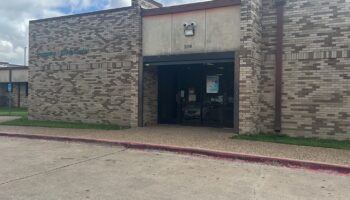
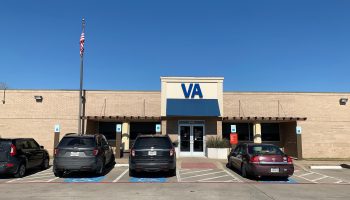

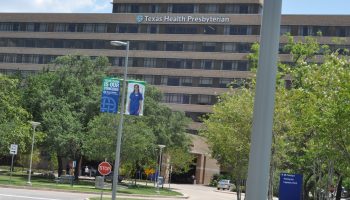

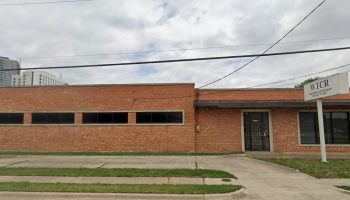
Dallas has a mix of treatment centers and county-funded providers that help those without insurance or who can’t afford private care.
The Texas Health and Human Services Commission (HHSC) oversees licensing for Chemical Dependency Treatment Facilities (CDTFs), while the North Texas Behavioral Health Authority (NTBHA) oversees local funding and compliance.
Dallas has recently shifted toward a more integrated harm reduction model. A notable initiative is the Overdose Response Team (ORT). It’s a collaboration between the Recovery Resource Council and Dallas Fire-Rescue that ensures a follow-up with individuals within 24 to 72 hours of an overdose and helps connect them to detox and medication-assisted treatment (MAT).
If you are uninsured or lack adequate coverage, understanding the local funding pathways is critical when navigating care in Dallas. The NTBHA, which manages funding for Dallas and surrounding counties, is one resource to help you pay for the care you need.
Homeward Bound is a primary access point for state-funded medical detox. Because its inpatient detox services operate on a first-come, first-served basis, starting at 8:00 AM, early arrival is crucial.
Another important characteristic of the Dallas system is specialized care. For example, the Nexus Recovery Center provides targeted detox and MAT services for pregnant women or those with dependent children.
Access to care in Dallas is supported by public transportation and many intensive outpatient and MAT programs provide Dallas Area Rapid Transit (DART) passes to ensure patients can reliably attend daily sessions without a personal vehicle.