775-235-2341



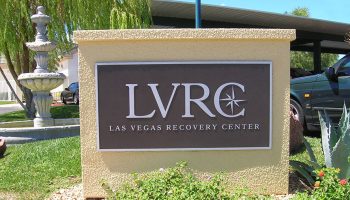










Drug and alcohol detox programs in Las Vegas operate within a regulated framework overseen at both the state and local levels.
The Nevada Department of Health and Human Services (DHHS), Division of Public and Behavioral Health (DPBH), is the primary state licensing authority for substance use disorder treatment facilities. Under DPBH, the Substance Abuse Prevention and Treatment Agency (SAPTA) certifies individual treatment programs, which is a requirement for any facility seeking state or federal block grant funding.
Before opening, facilities must also secure local business licenses and zoning approval from the City of Las Vegas or Clark County, depending on location.
Clark County has been under significant pressure from a worsening overdose crisis. Between 2018 and 2024, overdose fatalities in the county surged 112%, according to the Southern Nevada Health District.
Fentanyl has driven much of that increase, but methamphetamine has also overtaken fentanyl as the leading substance involved in drug-related deaths in the county. An emerging concern is xylazine, a veterinary tranquilizer known as “tranq” that is increasingly being found mixed into the illicit drug supply. In fact, Clark County reported only 1 xylazine-involved overdose death in 2020, compared to 12 in 2024.
On the enforcement side, the Las Vegas Metropolitan Police Department has begun charging fentanyl traffickers with second-degree murder when a death results from their distribution, which is a posture that reflects how seriously local authorities are treating the crisis.
Las Vegas is a 24-hour city, which creates a distinct context for recovery. The constant availability of alcohol, the casino environment, and a significant transient population can complicate the recovery process in ways that differ from most other cities.
Understanding how to evaluate programs for clinical quality and aftercare continuity matters here as much as anywhere. Knowing how to choose a detox center before contacting facilities can help you ask the right questions and avoid programs that prioritize volume over clinical care.